- A California judge has issued a proposed decision on whether or not Tesla misled consumers about the capabilities of Autopilot.
- The judge's decision is sealed until next week, but regulators are wasting no time.
- Now, California is giving Tesla 60 days to rename Autopilot or face a sales suspension in the state.
Tesla's bell has tolled as a California judge rules that the all-electric automaker must rename its Autopilot driver assistance feature. If it refuses, Tesla could face a sales suspension in its biggest domestic market.
The core issue is exactly what you might think: Autopilot, despite its name, can't enable a car to drive itself. Now regulators are giving Tesla 60 days to name it something that won't mislead consumers and better reflects that the feature is a driver-assistance system.

Tesla is no stranger to this fight. It has long tread a thin line between marketing and capabilities and faced backlash for it. It has successfully fought off the allegations in some countries. But as it recently learned with China, Tesla can't win every fight that it gets into.
Business Insider and other outlets reported on Tuesday that California Administrative Judge Juliet E. Cox made a proposed decision on whether or not Tesla misled consumers about the autonomous driving capabilities of its cars back on Nov. 21. Cox sent the proposal to the California DMV and ordered that the proposal be held from the public until December 22—next Monday.
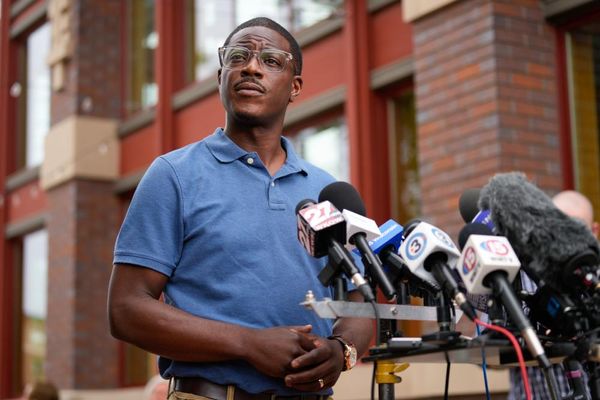
However, Steve Gordon, Director of the California Department of Motor Vehicles, has given the world a bit of a peek at what's to come.
In a press release out Tuesday, the DMV revealed that the judge's decision ordered a suspension of Tesla's manufacturing and dealer license for 30 days. However, the DMV has stayed the manufacturing license suspension permanently and the dealer license suspension for 60 days, hoping that Tesla will come to its senses and adhere to the order:
The administrative law judge’s proposed decision ordered suspensions of Tesla’s manufacturing license and its dealer license for 30 days. Upon review, the DMV’s decision adopts the ALJ’s findings regarding violations, but reduces the penalties, immediately imposing a permanent stay of the suspension of Tesla’s manufacturer’s license and giving Tesla 60 days to take action regarding its use of the term “autopilot.” If Tesla fails to address the issue, after 60 days it will be subject to the 30-day suspension of its dealer license.
Interestingly, this enforcement appears to only cover the use of Autopilot and not Full Self-Driving.
Gordon held a media briefing on Tuesday where he revealed that Tesla would have to rebrand Autopilot or the DMV will "enforce the cessation of sales" for at least 30 days.
"My guess is that they will pursue some remedy," said Gordon, according to Business Insider, hinting that he isn't sure how Tesla will approach the regulatory body's orders. "But the easiest one for them is just to come into compliance."
The California DMV has been fighting this battle against Tesla since 2022. It argued then that both the branding and marketing of Autopilot and Full Self-Driving misled consumers on the actual capabilities of the software. The DMV warned Tesla earlier this year that it would come for its sales license if it won in court, and now, it may make good on its promise.
"[Tesla is] very important to the state. We want to be fair to them and give them a chance to see if they can find a resolution now that there is a ruling from the administrative law judge," Gordon said. He continued, flexing the state's importance to Tesla as the reason he believes that the automaker will comply:
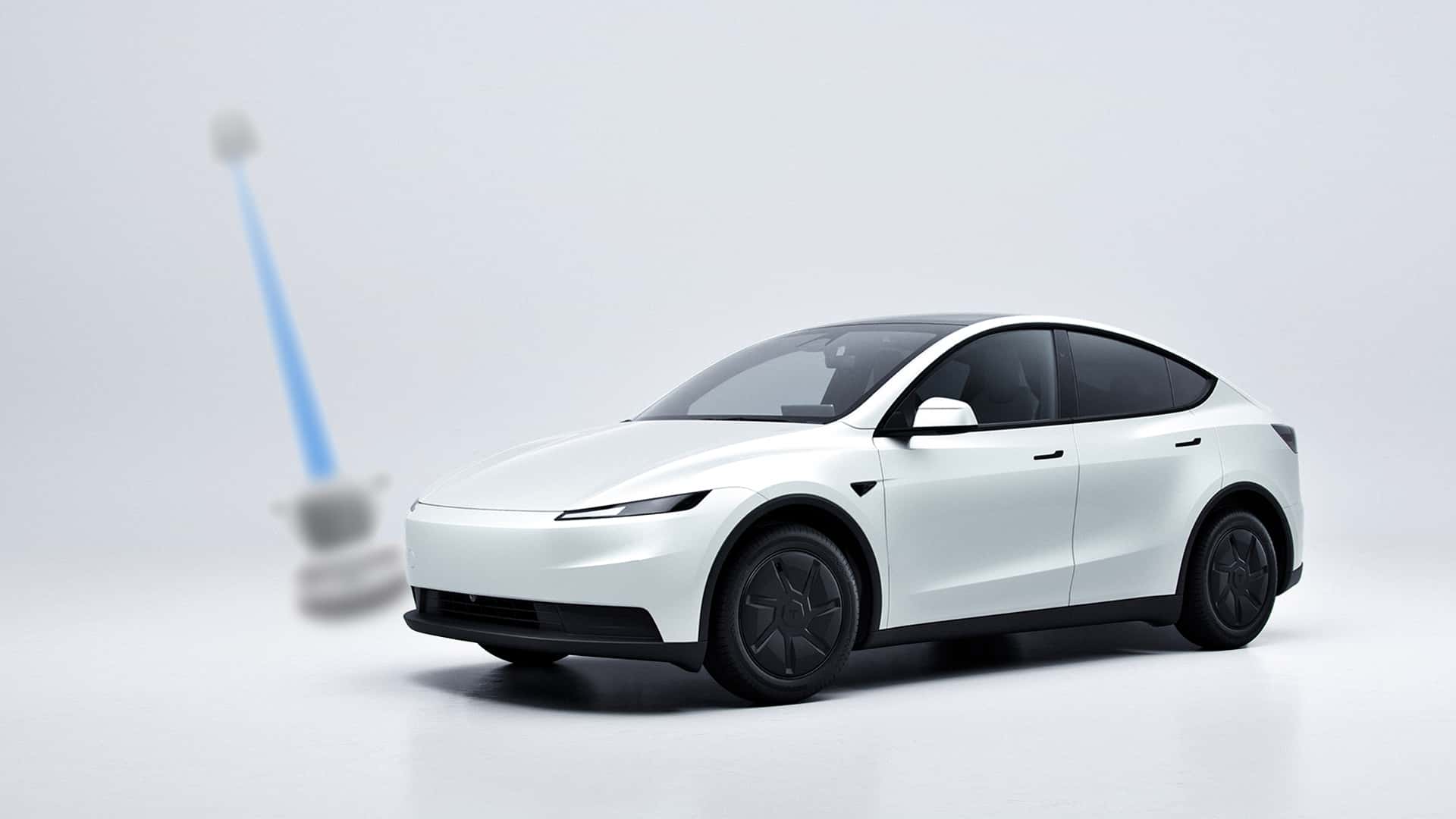
"If you look at the Q3 report of this year, Tesla has the top-selling car, the Model Y, in its segment. We felt that the leverage via the sales channel was sufficient to get compliance."

Tesla previously argued that it had "clearly and consistently" communicated the capabilities of Autopilot and that it was not an autonomous feature. It also argued that California gave implied approval of the branding because it didn't reprimand the automaker sooner.
How Tesla responds to this is anybody's guess. (We reached out to the automaker, but it doesn't typically respond to press inquiries.) It's not above renaming features—it proved that when it renamed Full Self-Driving to "Intelligent Assisted Driving" in China in March. But if Tesla loses this battle, it could also open up an onslaught of issues from consumers who have a bone to pick with the brand.