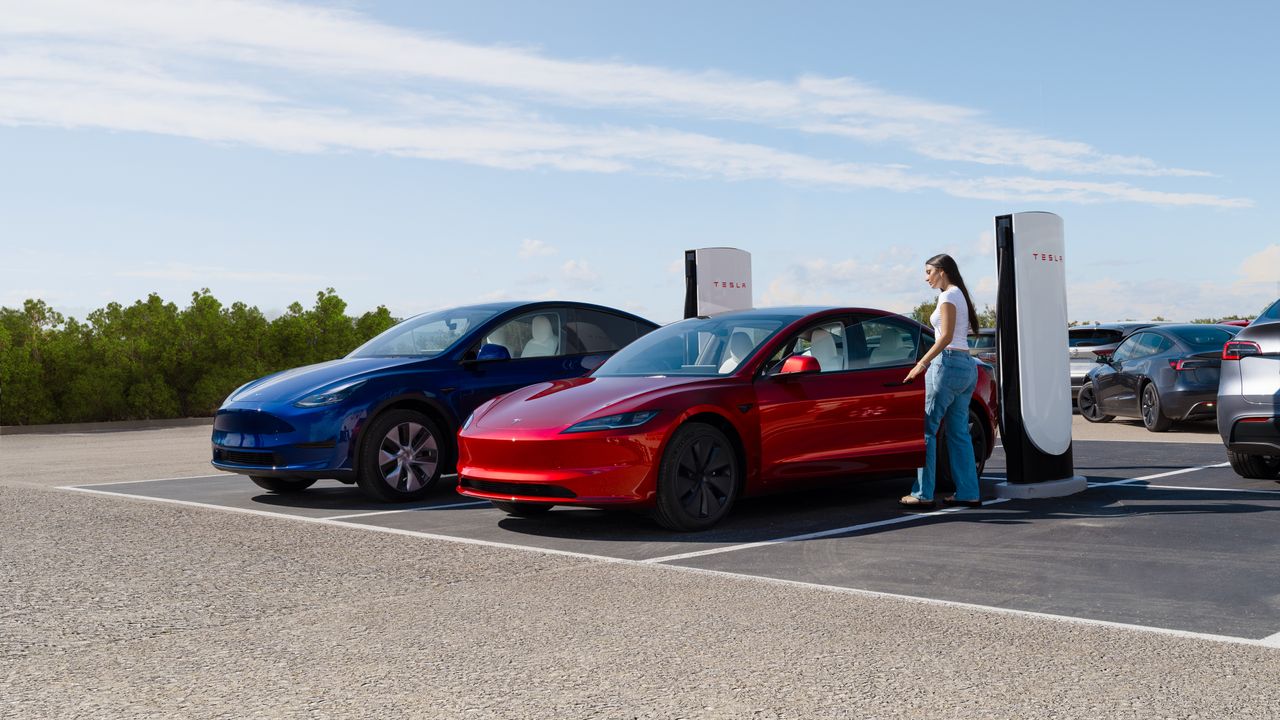
Tesla has added a handy way of untethering your car from a faulty charger, by simply pulling a door handle for three seconds.
The feature is part of the 2026.2.3 software update, which is available to download and install now.
Stuck charge cables are a common concern among electric car owners, especially when using unfamiliar charge stations.
This is why manual release mechanisms exist, helping drivers unlock a stuck charge cable when a software issue causes a communication error between the car and charger. I’ve had this happen a couple of times, with different EVs, and resorted to rummaging in the boot for the manual release handle.
The new feature arrived in late-January as part of Tesla’s 2026.2.3 software update, and now means charging can be stopped – and the charge cable released – with a pull of the rear passenger door handle.
Tesla’s release note for the update states: “Charging can now be stopped and the charge cable released by pulling and holding the rear left door handle for three seconds, provided the vehicle is unlocked or a recognised key is nearby.”
The update has started to arrive with Model 3 drivers in the US, and should roll out internationally soon afternoon.
Tesla’s note continues: “This is especially useful when the charge cable doesn’t have an unlatch button. You can still release the cable using the vehicle touchscreen or the Tesla app.”
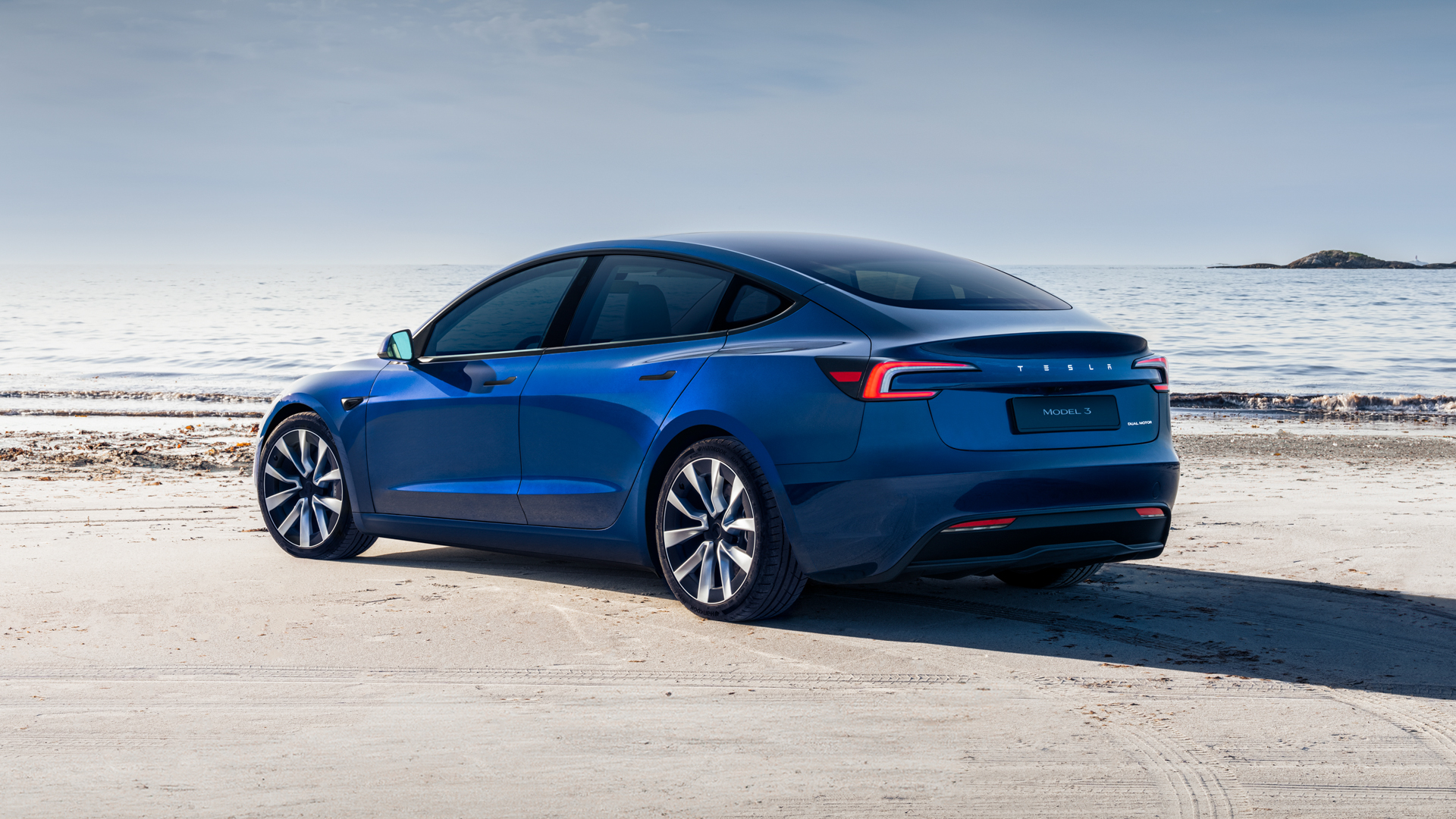
I like Tesla’s logic here, since the left rear door handle is the closest to the charge port, which on a Model 3 sits inside the light cluster of the same corner. Therefore, if the charge cable isn’t being released, you can simply pull on the door handle for three seconds and, if the car is unlocked or key is nearby, it’ll release the cable.
Hopefully, this will override any confusion between the car and a misbehaving charger, and acts as a handy backup if the release button of Tesla’s own chargers also refuses to play ball. What this is not, is a way to physically disconnect from a stuck charger. For that you’ll still have to open the boot and pull on the manual release – a last-resort mechanism that should only be used when all other options have failed and, crucially, when the car is not charging.