SAN FRANCISCO (Reuters) - Tesla's <TSLA.O> stock dropped 6% on Thursday after the electric car maker's quarterly deliveries underwhelmed investors already concerned about slowing revenue growth and ongoing losses.
While Tesla delivered a record 97,000 cars, it missed Wall Street estimates of 97,477 vehicles and - more importantly - fell short of 100,000 deliveries that CEO Elon Musk said the company had "a shot" at in an email leaked last week.
Tesla has set a target to deliver 360,000 to 400,000 vehicles in 2019, which means it must deliver almost 105,000 vehicles in its final quarter to meet the low end of its full-year forecast.
While supporters view Tesla as a growth stock, analysts on average expect the company to report a 7% drop in revenue and a non-GAAP loss of $82 million for the September quarter, according to Refinitiv data. Full-year revenue is seen increasing 15%, far less than Tesla's revenue growth of over 80% in 2018.
"Given the decelerating revenue growth in 2019 and ongoing gross margin pressure, we expect net losses to exceed the losses in 2018, placing more pressure on what we see as an already expensive valuation," Needham analyst Rajvindra Gill wrote in a client note on Thursday.
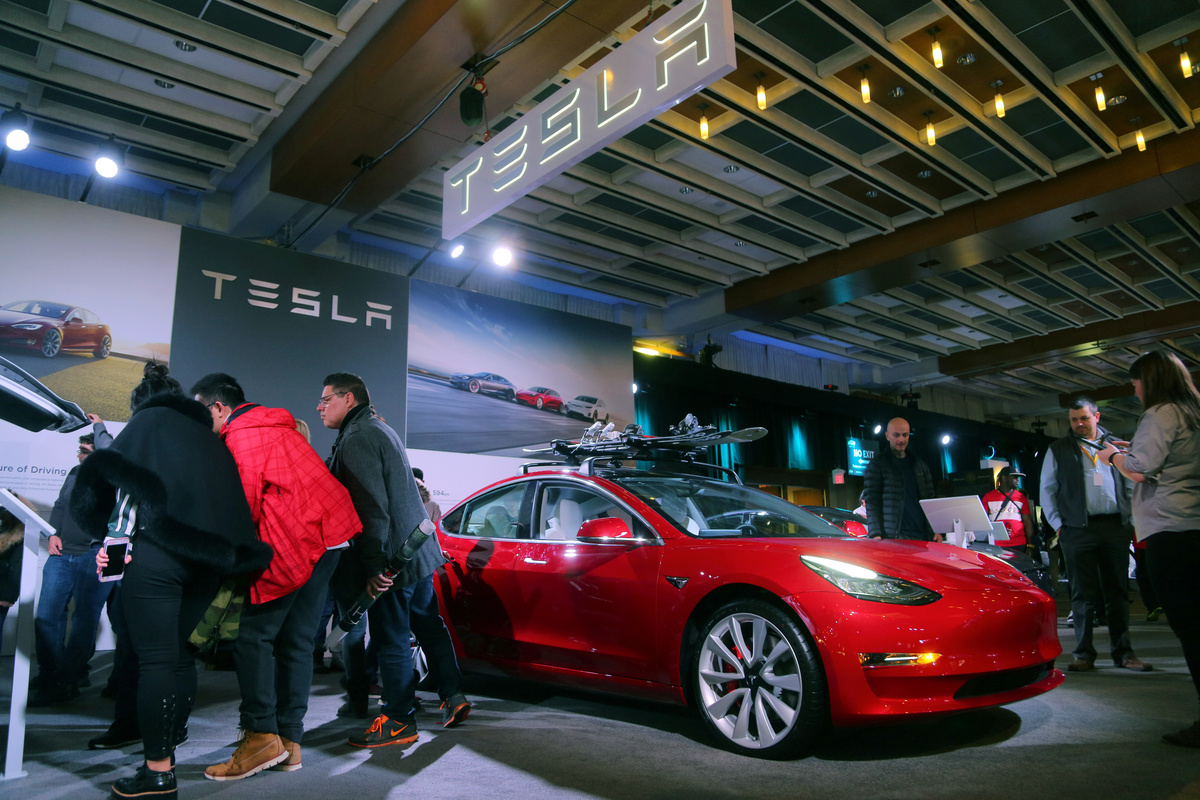
The Model 3 sedan was meant to propel Tesla to sustainable profitability, but that has yet to happen during the car's two years on the market. While production problems initially hampered sales, some investors now worry about soft demand for the vehicle, as well as waning sales of its higher-end vehicles that are more profitable for Tesla.
Musk has pushed back his target of turning a profit a number of times, most recently targeting the fourth quarter of 2019, with the September quarter to be break-even.
Many on Wall Street have grown skeptical of Musk's pronouncements, such as his prediction last April that self-driving Tesla taxis would be available in some U.S. markets next year.
Underscoring investors' doubts about Tesla's progress with autonomous-driving technology, a U.S. regulator said on Wednesday it was looking into parking lot crashes involving Tesla cars driving themselves to their owners using a recently launched Smart Summon feature.
After slumping in early 2019, Tesla's stock has stabilized since June, but it remains down 31% year to date.
To turn profitable, Musk has put a lid on costs while investing in initiatives such as building a $2 billion factory in Shanghai, as well as planned future models, such as the Model Y SUV and a commercial truck.
Tesla aims to start production at its China factory this month, but it is unclear when it will meet year-end production targets due to uncertainties around orders, labor and suppliers, sources with knowledge of the matter told Reuters.
"The company has yet to prove it can produce its vehicles at scale profitability, and we question management's projections of what the steady state of demand is for the current product lineup and roadmap," Cowen analysts wrote in a note to clients.
(Reporting by Noel Randewich, Additional reporting by Vibhuti Sharma in Bengaluru; Editing by Andrea Ricci)