Ek-Chai Distribution System Co, the operator of Tesco Lotus, plans to increase direct sourcing of farm products from local farmers by 20-30% to 240,000-260,000 tonnes this year.
Salinla Seehaphan, corporate affairs director for Ek-Chai, said the company has found higher demand from customers for safe and quality products, especially vegetables and fruit.
"We will source farm products nationwide to offer quality and fresh foods at affordable prices," she said. "This strategy is meant to encourage local farmers to meet international quality and safety standards.
"We will also purchase crops directly from farmers at fair prices so they can secure sustainable income."
Tesco Lotus will have purchasing contracts with all farmers to allow them to plan plantation and cultivation and calculate their margins. The process is expected to be a workaround to avoid middlemen, who tend to undercut farmers.
Last year, Tesco Lotus bought 200,000 tonnes of fresh vegetables and fruits from farmers under a successful business model in Khon Kaen.
Tesco Lotus will soon expand the model to other provinces.
The company began its direct sourcing programme in 2010 to purchase farm products directly from farmers.
Tesco Lotus also deals directly with agricultural cooperatives on the condition that each farm product receives the Good Agricultural Practice standard, on top of which Tesco Lotus has three steps to inspect farm product residue on its shelves. A QR code will be used to allow customers easy access to information regarding the produce on offer.
In a related development, Tesco Lotus is holding a festival called Shrimply Delicious 2018 during June 8-10 at its Plus Mall Banyai branch, aimed at catalysing the purchase of 400,000 tonnes of shrimp from southern fisheries to sell until September and encourage customers to buy products a fair prices.
At the moment, local fisheries in many southern provinces face low prices because of surplus volume in the market, Ms Salinla said.
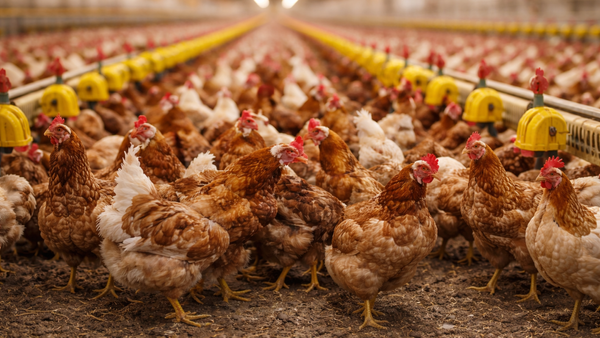
Separately, Thailand is expected to export more broiler-chicken products to China after Brazil, the country's top supplier, was slapped with anti-dumping duties of 38.4% from June 9 onward.
Kukrit Arepagorn, manager of the Thai Broiler Processing Exporters Association, said the country has just started to export frozen poultry products to China since March this year, after the import of Thai broiler chickens was allowed once again.
Fresh chicken products from Thailand were prohibited in China from 2004 because of bird flu concerns. In 2003, Thailand exported 15,000 tonnes of frozen poultry products to China.
From March to May, roughly 100 tonnes of chicken feet and wings were exported to China.
Seven Thai poultry factories, including Betagro, CP Group, GFPT and Saha Farm, have been certified by the Chinese government.
In 2018, Thailand poultry production will total 1.5 million tonnes of chicken products, up 2.1%, while demand is projected to be about 1.42 million tonnes, up 4.5%.
Thailand's poultry export volume is predicted to be 820,000 tonnes in 2018, up 2.5%, with a value of 106 billion baht.