Australia's terrorism watchdog says he is unperturbed by political pressure, insisting extraordinary laws to address emerging extremism need to be fit for purpose.
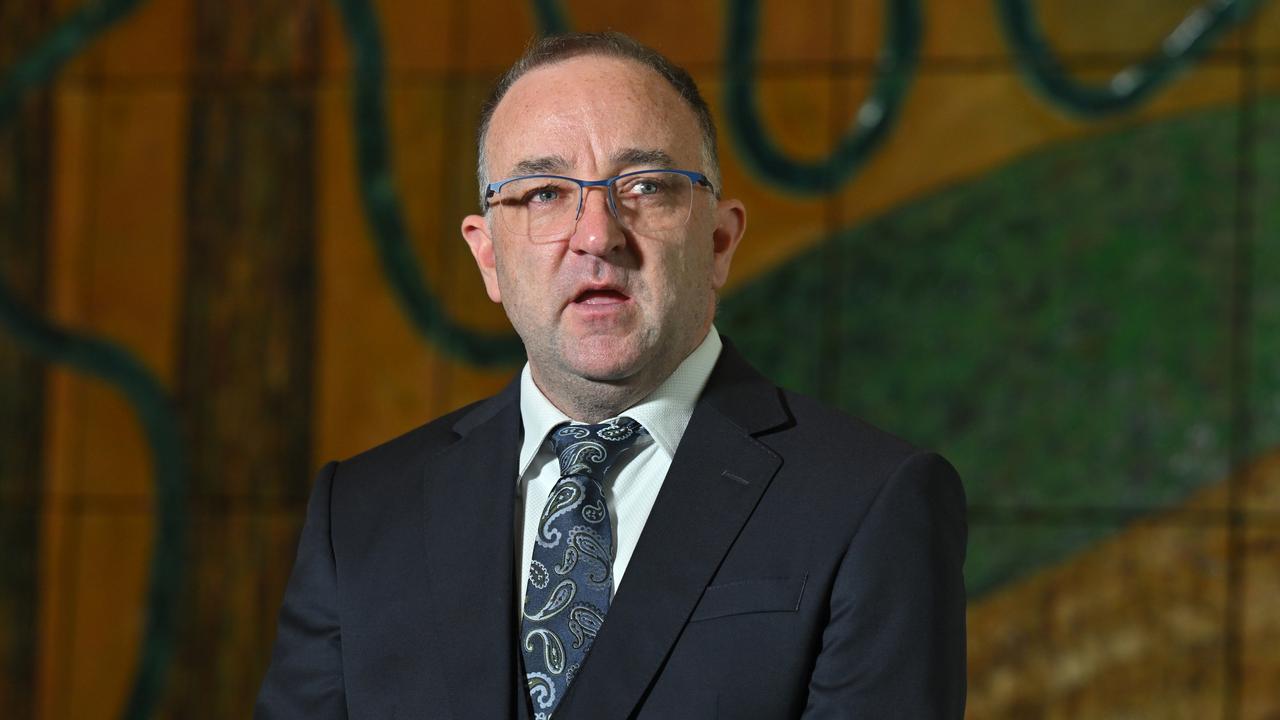
Independent National Security Legislation Monitor Jake Blight will hand his review of terrorism laws to Attorney-General Michelle Rowland in September.
A major sticking point is whether he removes the term "religious motivation" from what defines a terrorist act.
Doing so would result in an overarching definition of ideology that encapsulates extremism such as Islamic State-inspired violence.
It would also weaken the laws, according to Jewish groups.
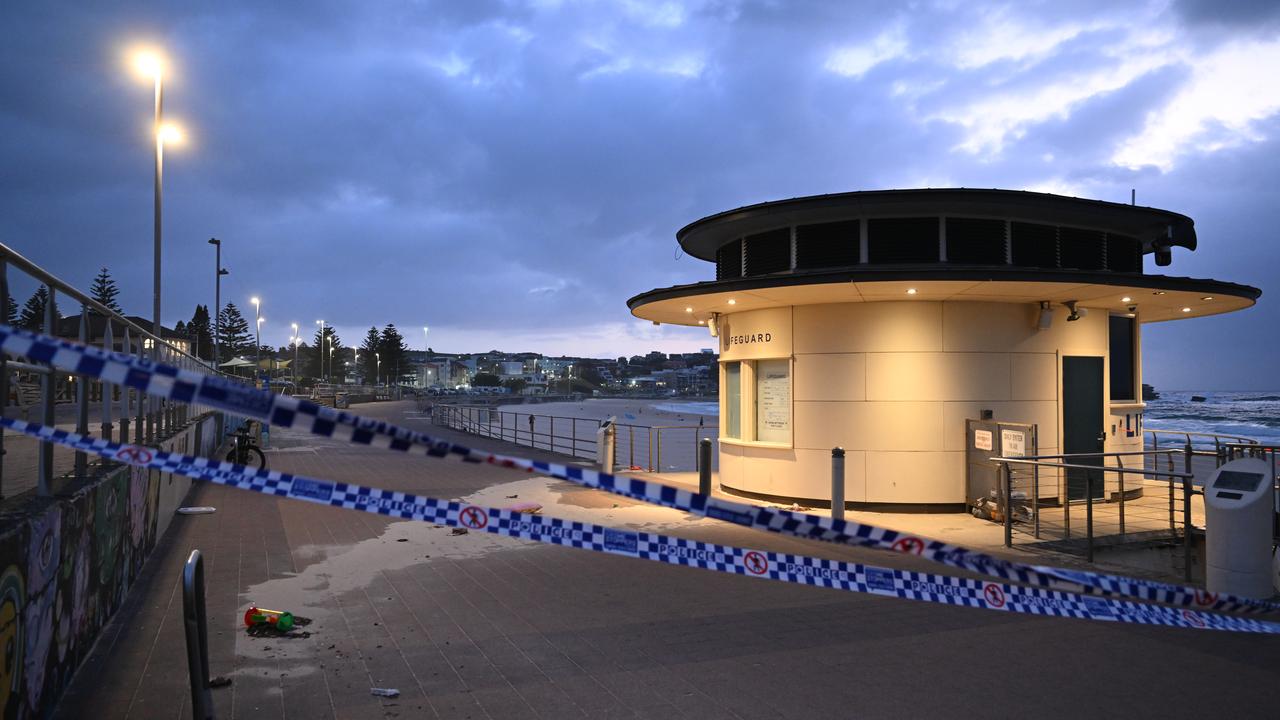
The opposition wants Labor to retain the religious clause, ramping up pressure after the Bondi terror attack by gunmen allegedly inspired by Islamic State.
Australian Federal Police and ASIO officials have told a public hearing Islamic State ideology accounts for a majority of their caseloads.
However there has been a rise in right-wing extremist matters linked to white supremacy and neo-Nazism in the past five years.
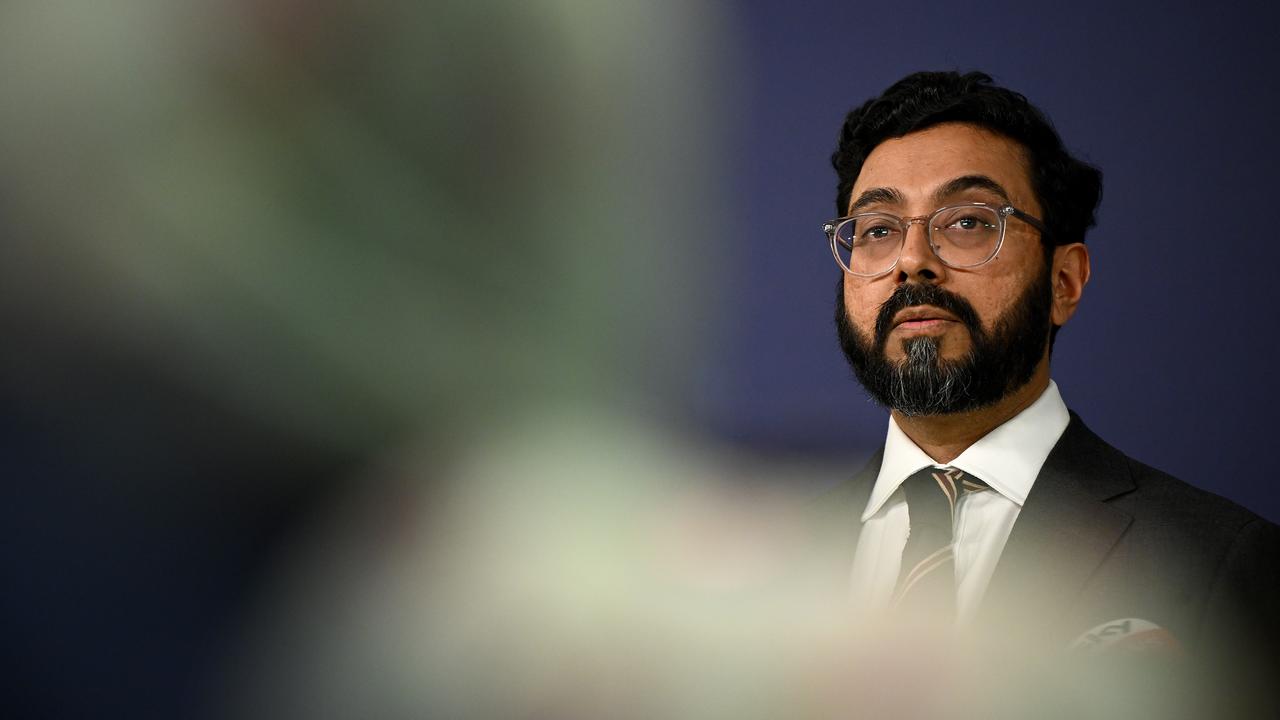
Also testifying in Canberra, special envoy against Islamophobia Aftab Malik argued there was no religious justification for terrorism.
He said conflating the two helped legitimise extremist ideology purporting to have a theological basis, while stigmatising the Muslim community.
Mr Blight is proposing a broad definition that better captures emerging right-wing extremism, which is only being tested in courts more recently and has lower conviction rates than Islamic State-inspired offences.
"The law should be neutral and should be drafted to cover secular and non-secular equality," he told AAP in an interview following two days of hearings this week.
"Incel didn't have a label 20 years ago and in 10 years there will be another ideology we can't name now," he said.
The term, an abbreviation of "involuntary celibate", is an online community of predominantly young men who cannot attract women and take on misogynistic views.
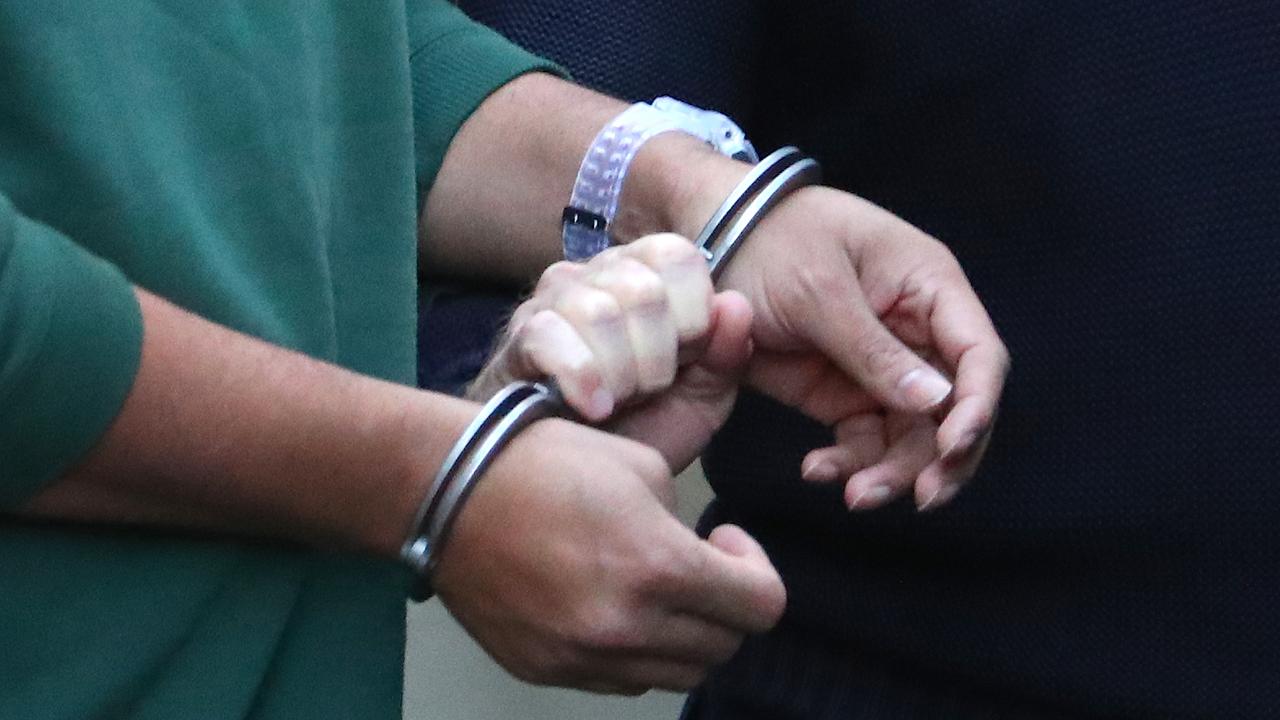
Mr Blight wouldn't be drawn on whether any recommendation to remove religion would be politically fraught given pressure from Jewish groups to retain it and Ms Rowland signalling support for the current definition.
"Ultimately, that's a question for a politician. My job is to bring expertise and make impartial expert recommendations," he said.
The second area of contention is whether property damage should remain a terrorism offence, with some arguing the threshold is too low to incur such serious penalties.
Canada and New Zealand set a high bar for property damage to be included in terrorism offences, which included an element of harming people or was likely to harm people, Mr Blight said.
"Australia is a long way out of that," he said.
"When people think about terrorism, they might think about buildings being blown up.
"If you damage a car, is that terrorism? At the moment it could be."
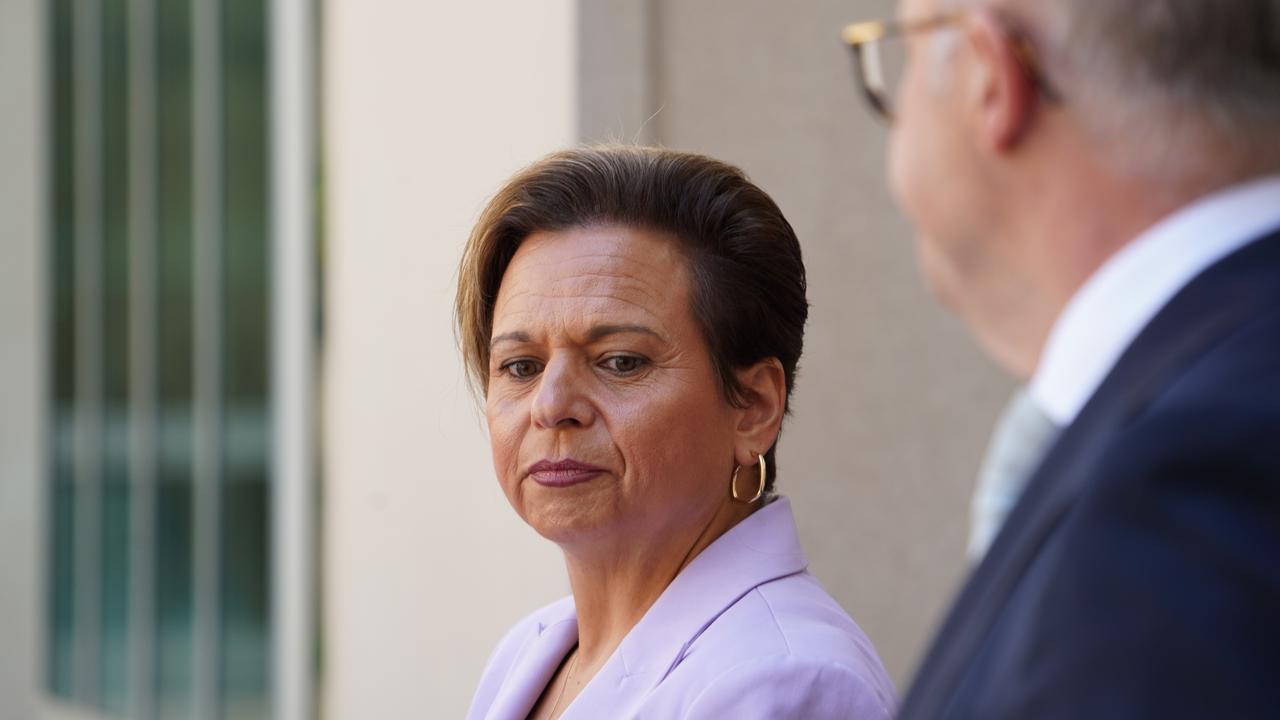
The Canberra hearings also heard concerns about the radicalisation of children and how terrorism laws deal with minors and vulnerable people, largely minus alternative sentencing routes.
"What happens when you charge a 14-year-old and send them to jail for 10 to 14 years?" Mr Blight said.
"What happens when they get out?
"What's happened to their family? What's happened to their social network?
"Has that choice made us safer as Australians in the long term?"