Christchurch terror victims hope Saturday's national remembrance service will recall the compassion and love shown to Muslim communities in the wake of the 2019 shootings.
On March 15 two years ago, 51 people were murdered when Australian man Brenton Tarrant opened fire on two mosques in a premeditated and livestreamed attack.
As a planned service last year was cancelled due to COVID-19, Saturday's service will be the first mass gathering to mark the event since a week after the attack.
Then, thousands of locals from all walks of life descended upon Hagley Park for an open-air Friday prayers service.
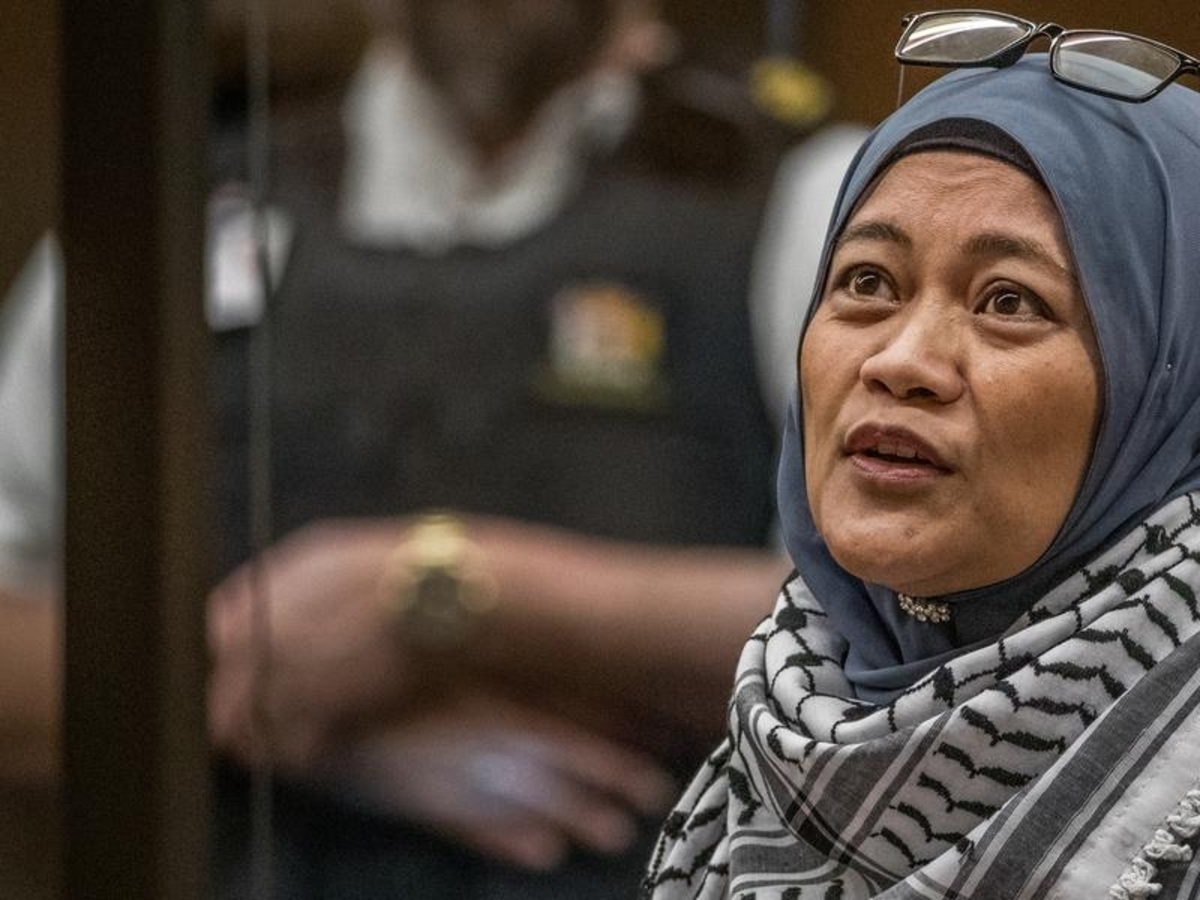
Hamimah Tuyan, the widow of murdered man Zekeriya Tuyan, has travelled from Singapore to Christchurch for Saturday's service, hoping to experience the same outpouring of support.
"(Let's) try to immortalise into our memories those demonstrations of compassion and aroha (love)," she said.
Ms Tuyan is hoping to harness that feeling, and use it to build a safer society.
"Let's address the social injustices that led to this tragedy," she said.
"I am my husband's voice. The activities that are going to take place, part of it is in the hope we could leave a legacy for those that have left us ... something he would have been proud of."
The anniversary also comes three months after the release of a Royal Commission into the causes of the attack.
That investigation recommended an overhaul of New Zealand's security agencies, which were too focused on Islamist rather than anti-Islam extremism.
A recent incident has cast doubt over whether progress is being made.
A 27-year-old was charged last week after allegedly threatening to car-bomb the two mosques targeted by Tarrant.
The threat was made on an online forum notorious for right-wing activity, but it took a member of the public to alert police to the threat before the man was detained.
Andrew Little, the minister responsible for the Royal Commission response, said he had confidence in authorities.
"You could say it looks embarrassing but the way both police and agencies are dealing with white supremacism, they've got to be across organisations, websites, social media ... we don't do mass surveillance," he told AAP.
"The work of them building intelligence efforts started in May 2018.
"They left it late to start it and it was a small beginning.
"They've got to target their efforts and I'm satisfied they are across it. What they are doing is keeping people safe."
Mr Little has personally attended 33 "hui", or roundtables, with affected communities from the attacks.
He said the most common piece of feedback was that parents wanted their children to be free from regular discrimination and bullying at school.
On Friday, the government announced a new funding pool for NGOs responding to the attack.
For all of the work, there is still plenty of pain.
Rosemary Omar lost her 24-year-old son Tariq in the attack.
"I probably feel it more on the second anniversary than the first," she told Radio NZ.
"It's really difficult. My post-traumatic stress disorder is a bit haywire at the moment. It's never ending."
Like Ms Tuyan, Ms Omar worries that lessons from March 15 aren't yet learned.
"What's really important is that people don't get complacent or they think that it only happens to Muslims," she said.
"It could easily be somebody who's a bit of an extremist who could visit a local church or marae (Maori meeting house)."