Tequila boom rooted in traditional farming techniques
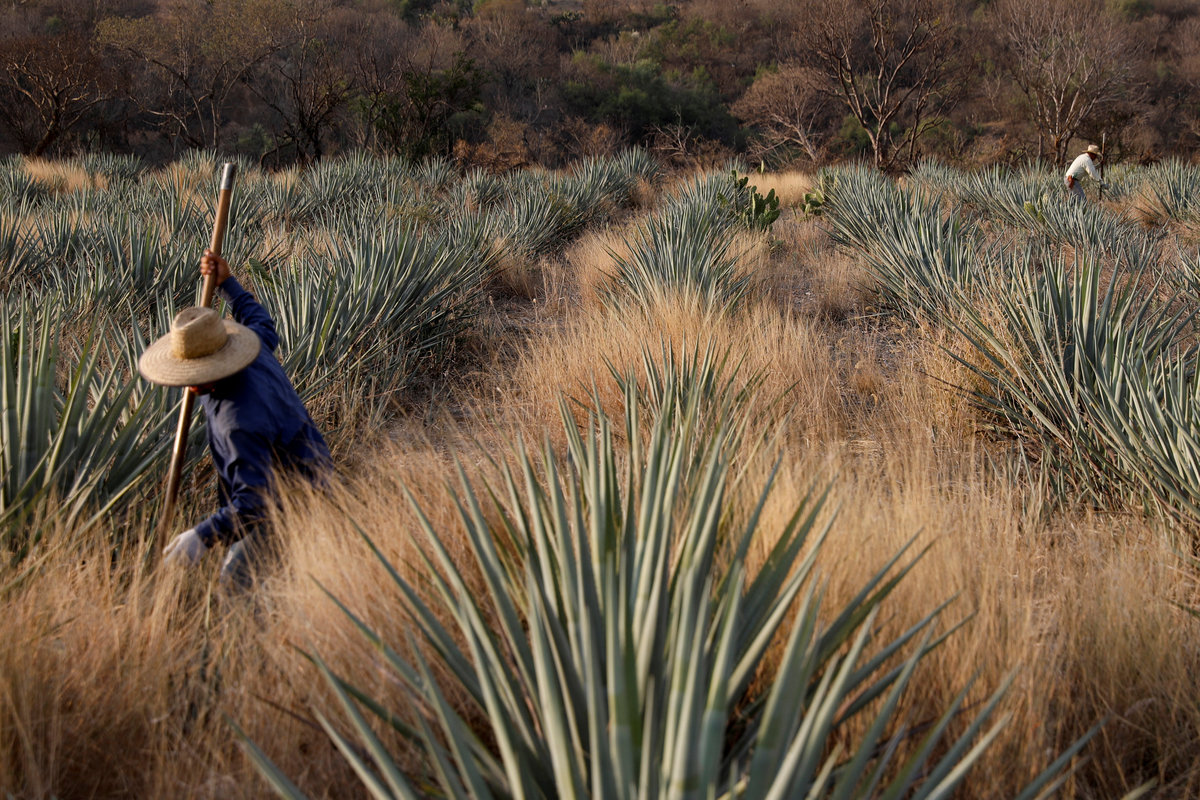
A farmer, also known as a jimador clears the area surrounding blue agave before it is harvested in Tepatitlan, Jalisco, Mexico, April 10, 2018. REUTERS/Carlos Jasso
TEQUILA, Mexico (Reuters) - A growing thirst for tequila from New York to Tokyo has made the sale of the drink into a multibillion-dollar industry, but its production remains rooted in centuries-old methods of farming using hand tools and packs of mules.
Mexico's western state of Jalisco is the heartland of the tequila industry, where 'jimadores,' the farmers of the agave cactus from which the spirit is distilled, have worked the fields for generations.
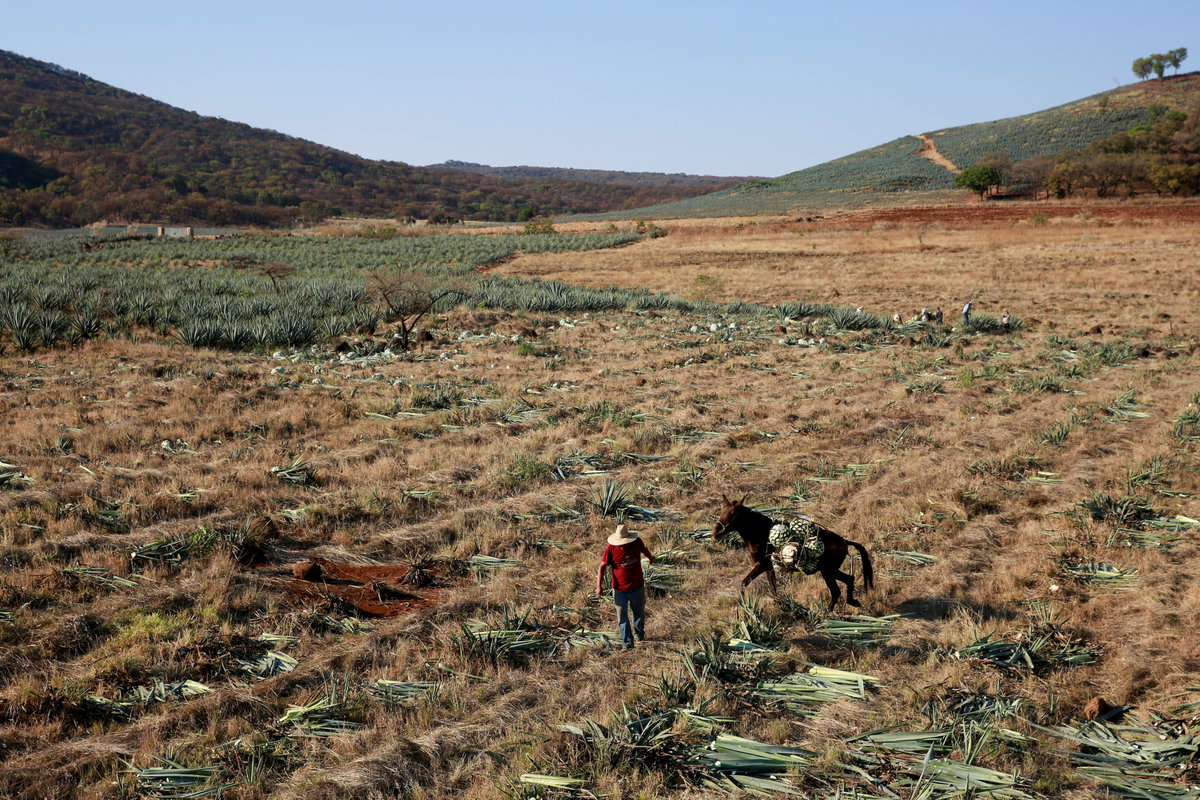
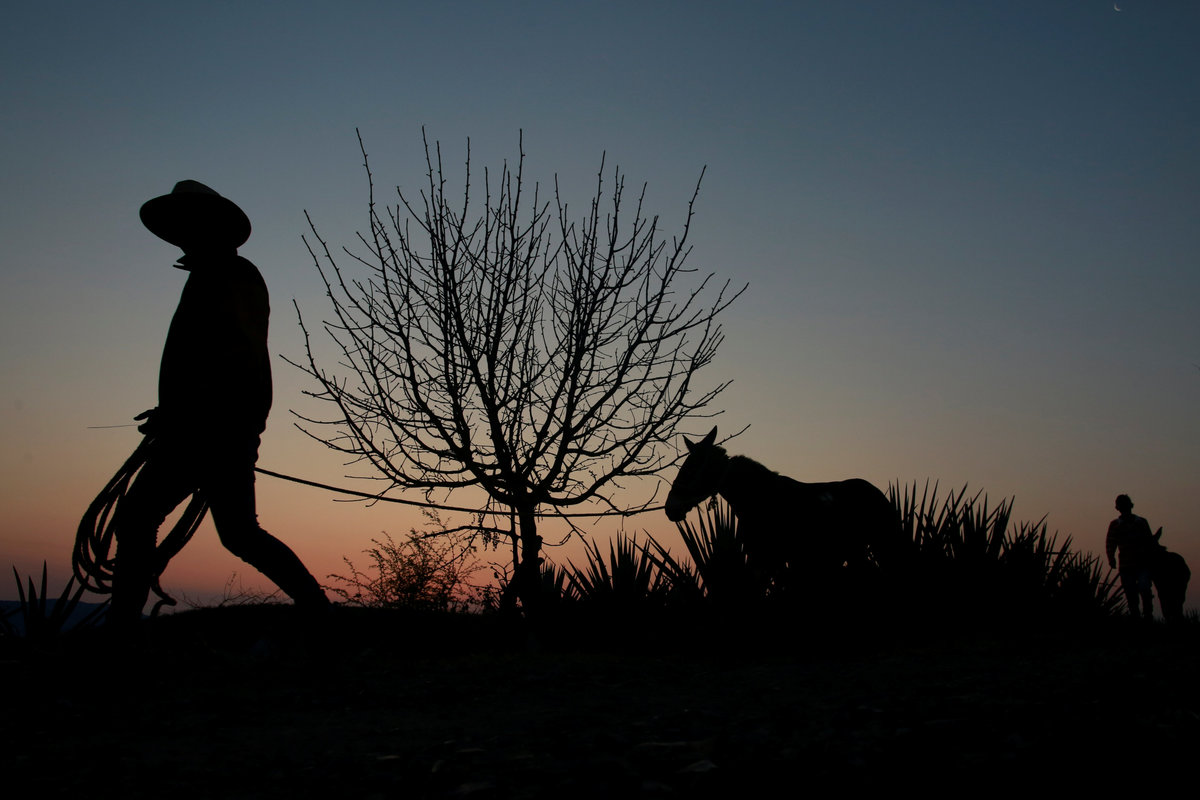
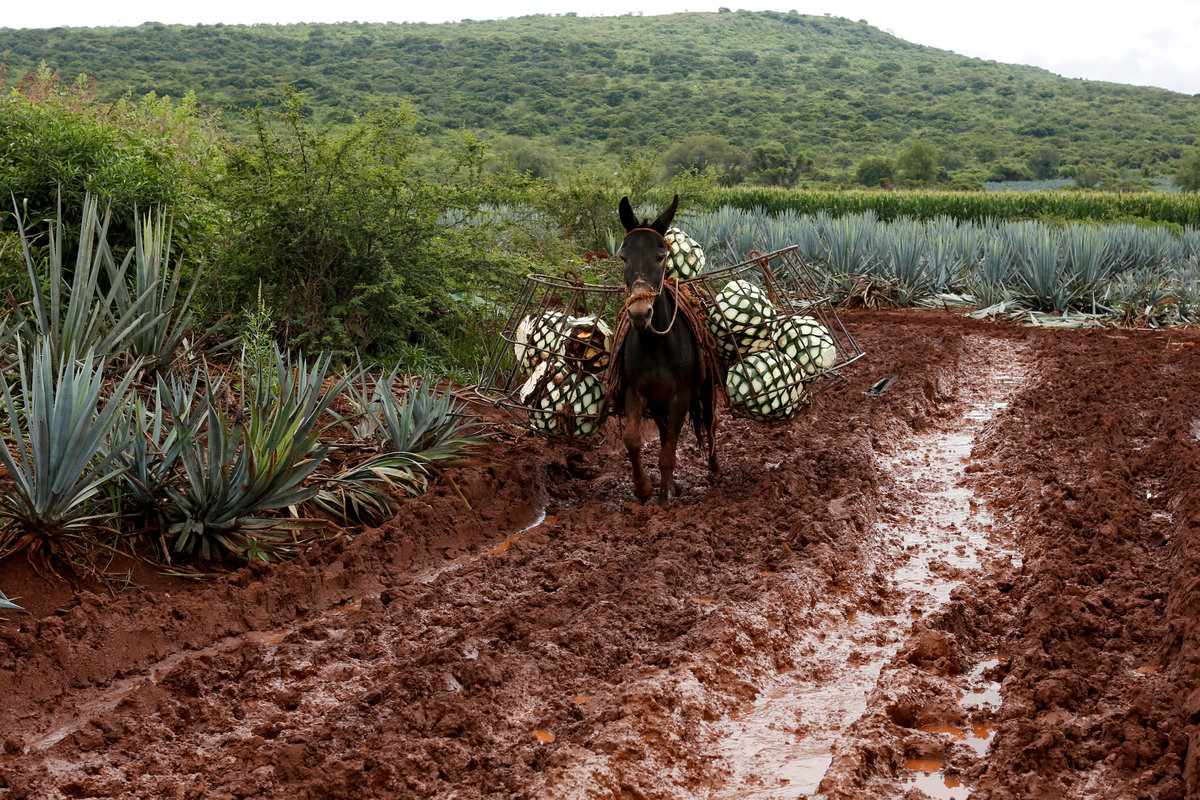
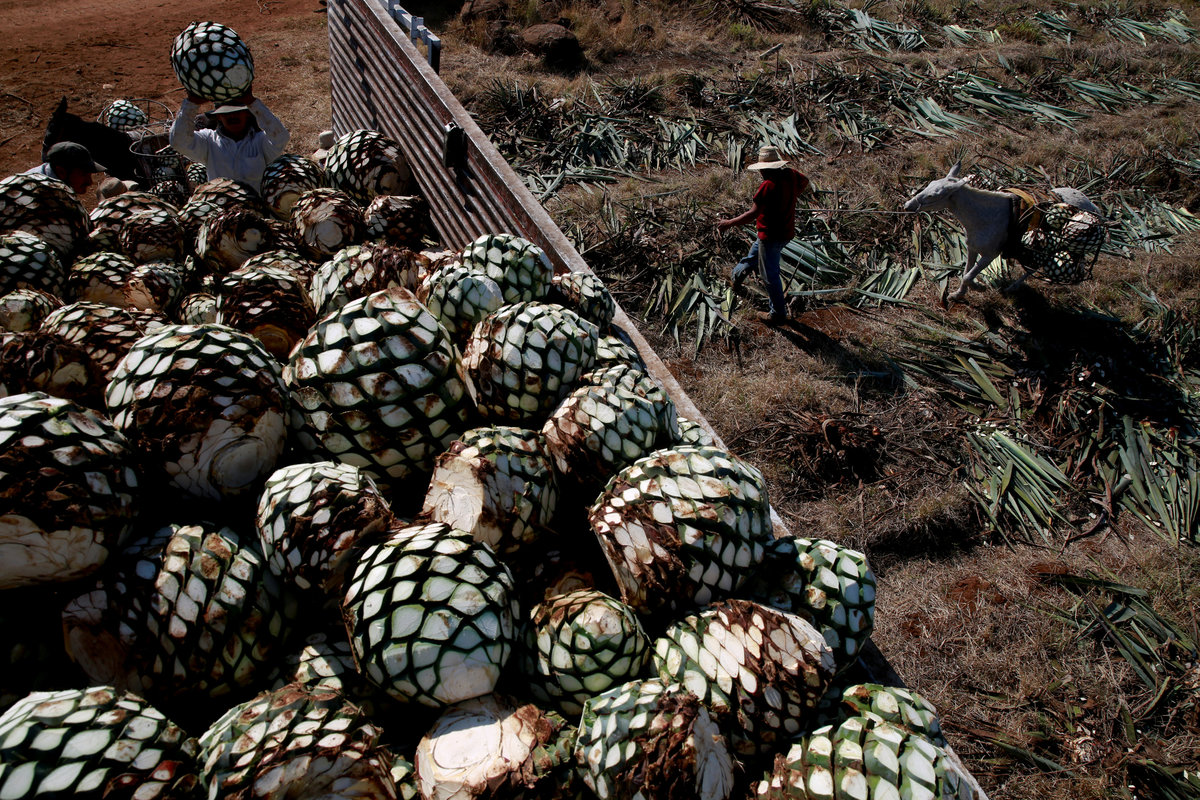
Jose Luis Flores, an arriero or muleteer drives his mule loaded with blue agave hearts, during a harvest on a plantation in Tequila, Jalisco, Mexico, April 13, 2018. REUTERS/Carlos Jasso
"I am so proud to be a jimador, we are the first in the chain of the tequila industry, without us there is no tequila," said Mario Perez, a 39-year-old jimador.
But the popularity of tequila has driven a worsening shortage of the agave, while some of the younger generation shun what was once a highly respected job.
"In the old days to be a jimador was a respected job, now you are a simple worker," said Perez. "But it is a work of great tradition."
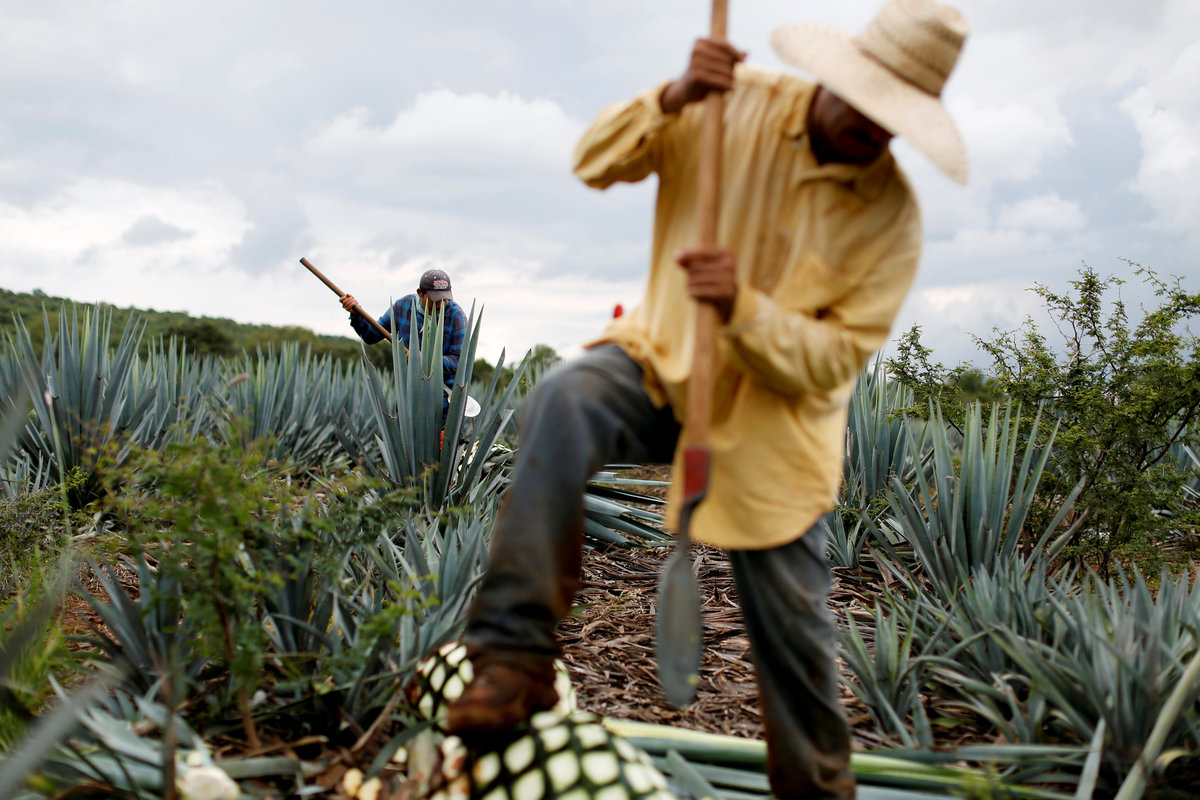
A farmer, also known as a jimador, harvests blue agave in a plantation in Tepatitlan, Jalisco, Mexico, September 6, 2017. REUTERS/Carlos Jasso
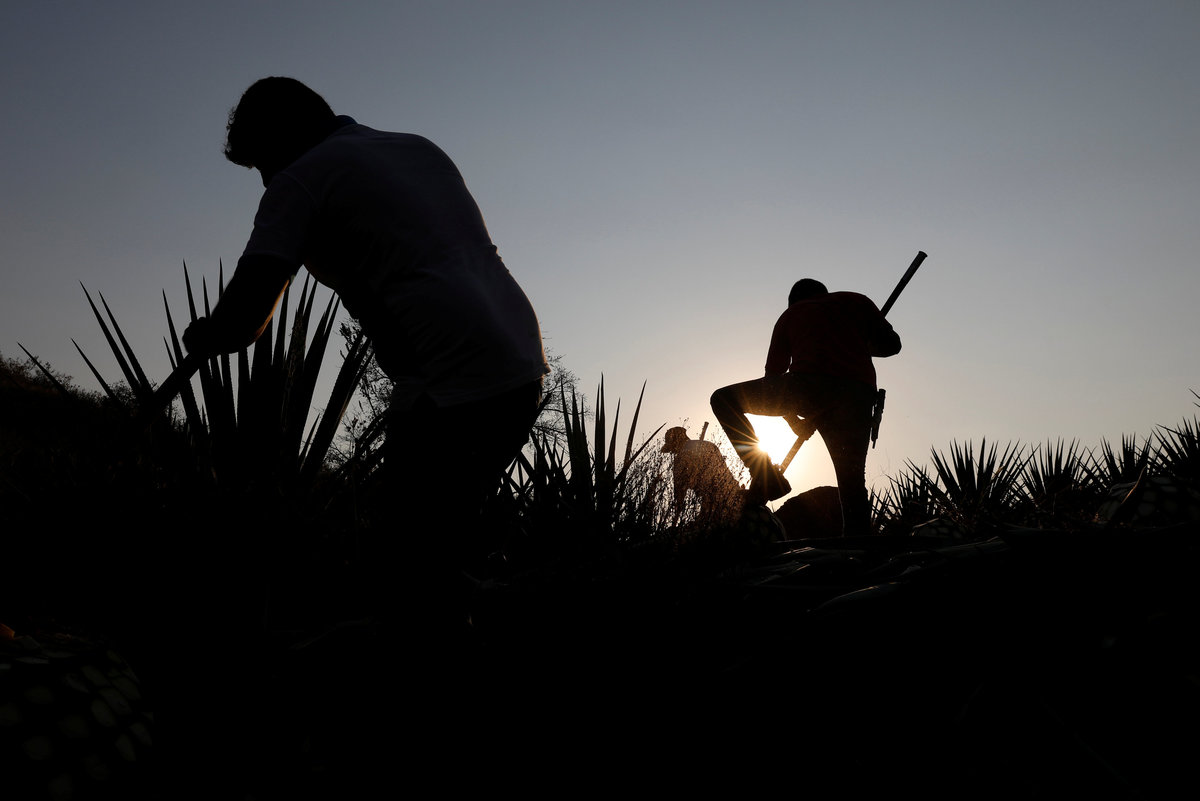
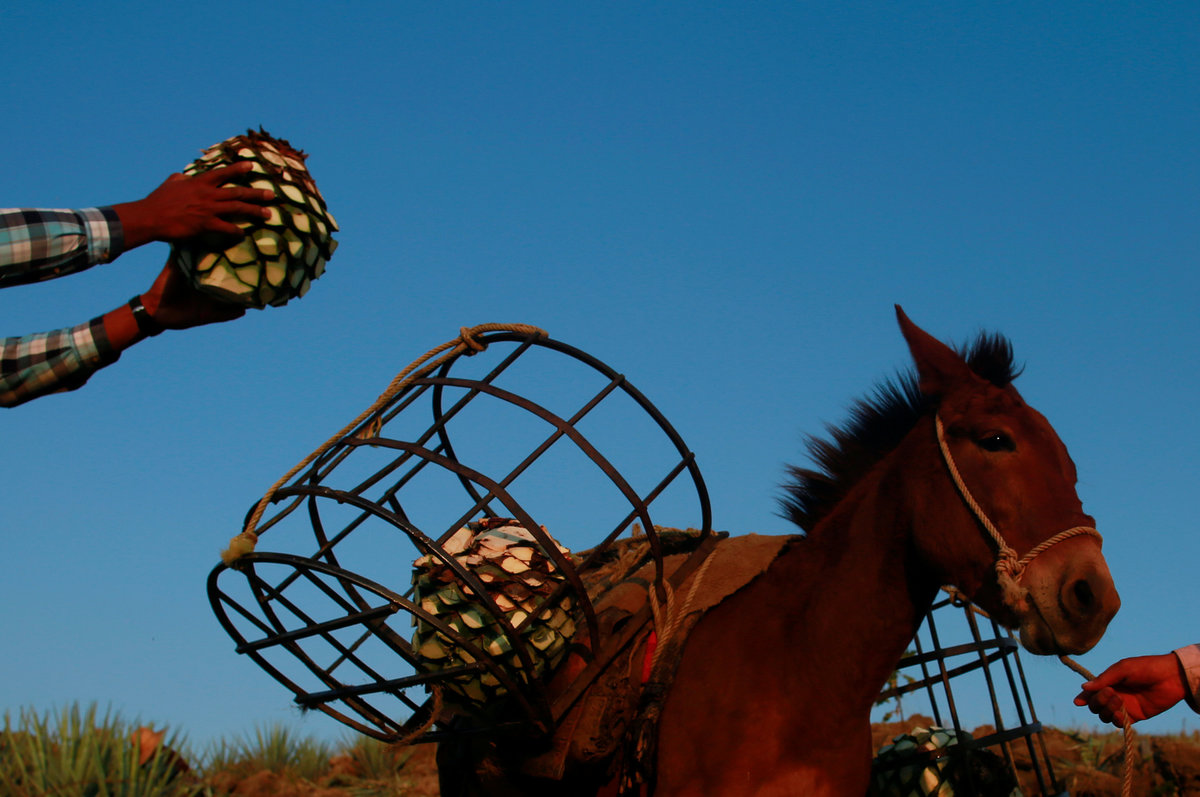
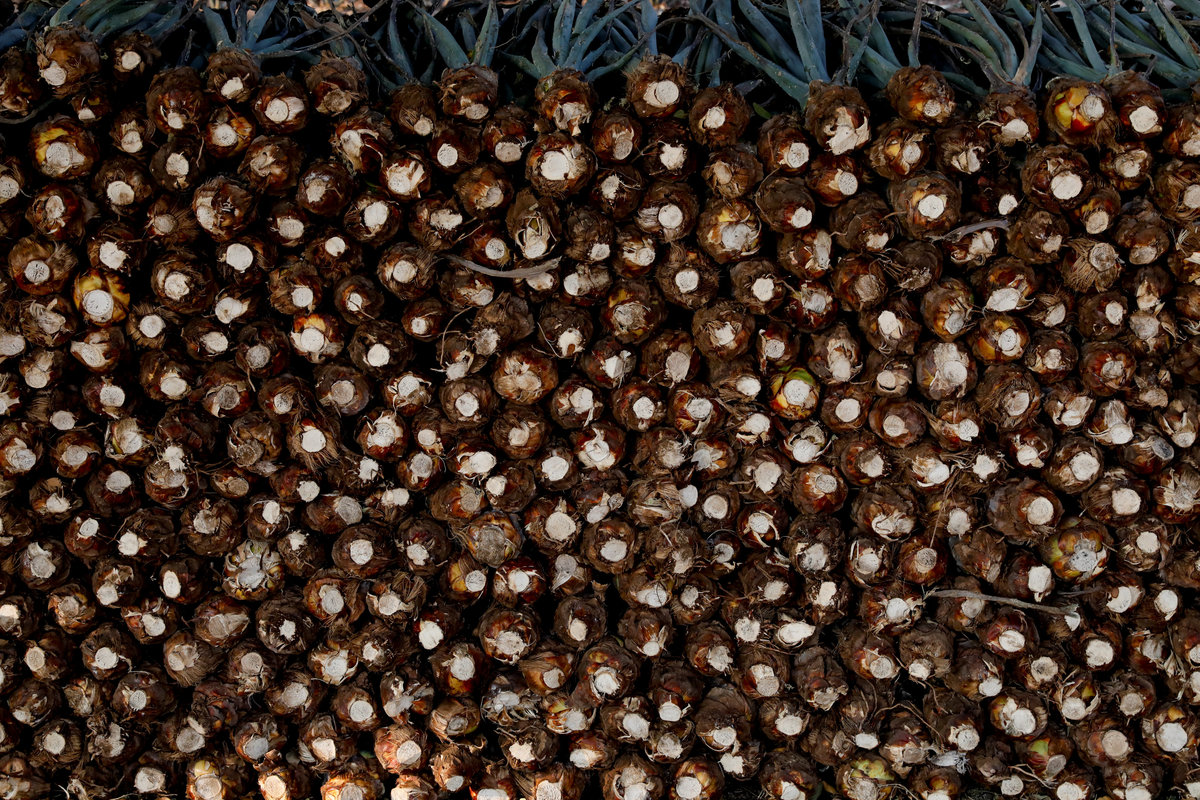
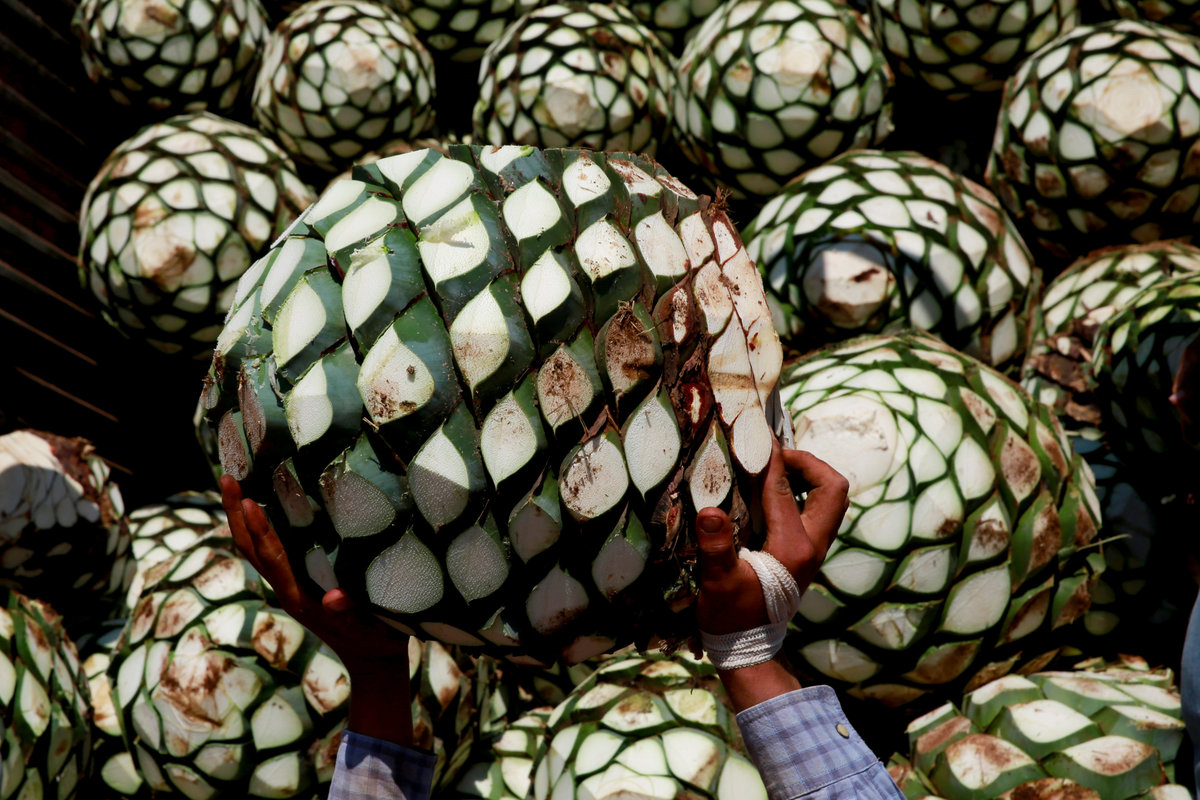
Jimadores use a tool called a coa to cut the spiky leaves off the plant, leaving a heart that looks like a giant pineapple.
"We have to cut it in a certain way so that it is perfect for cooking. It's not an easy job, you can cut your legs," Perez said.
In the past the agave hearts were cooked below ground, the way mezcal is still produced in other regions of Mexico. But much of the export tequila is now made in industrial distilleries run by Britain's Diageo, Bacardi and Mexico's Jose Cuervo.
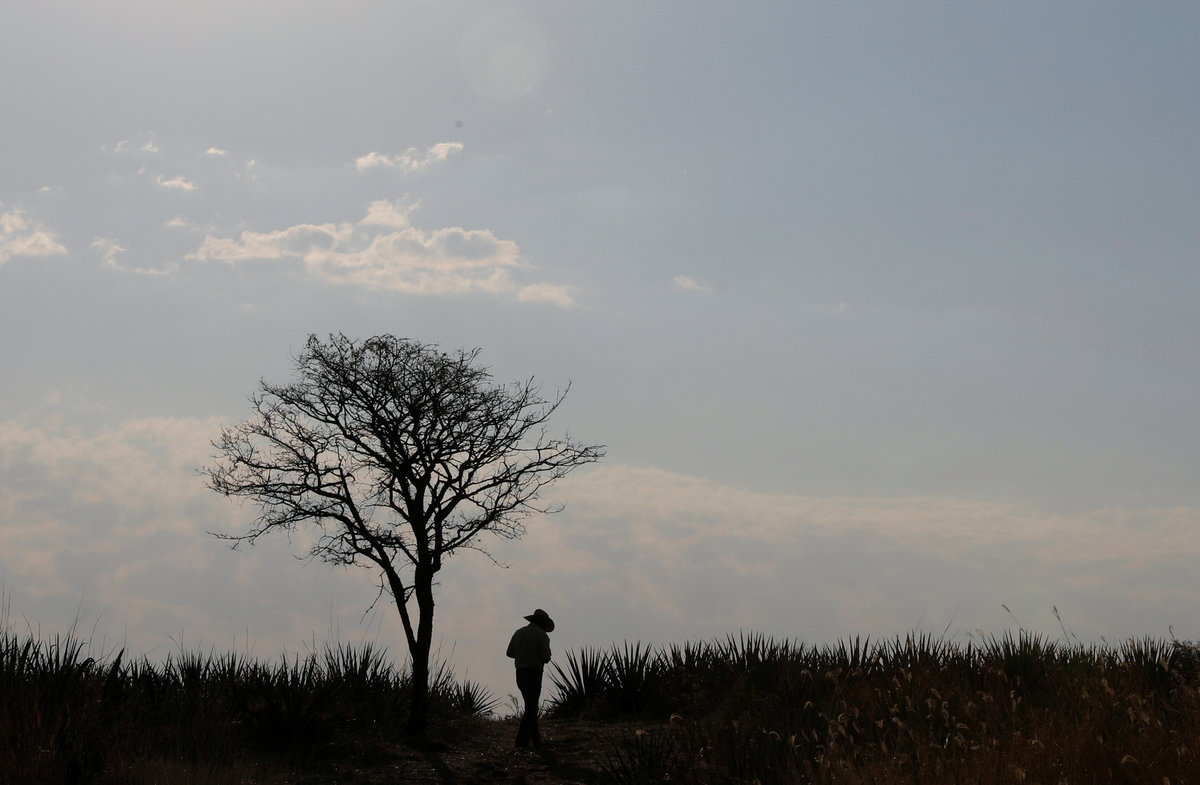
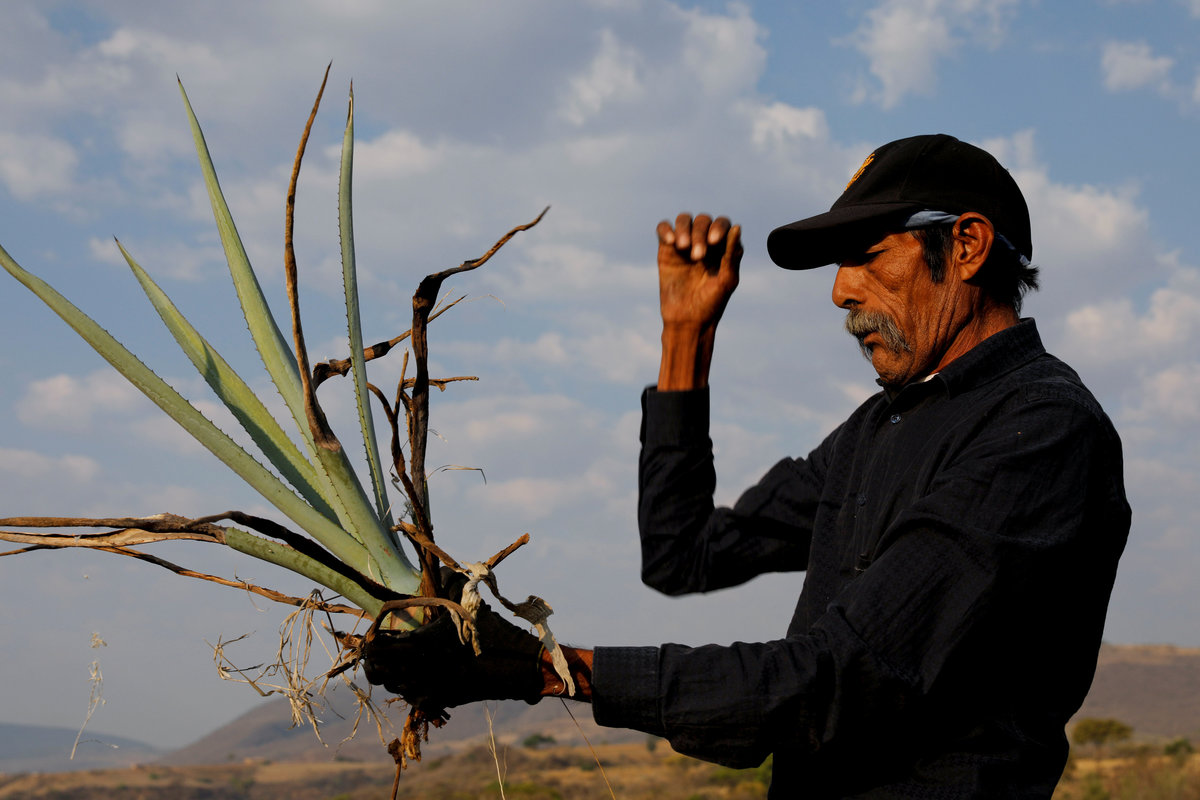
Farmer, Francisco Quiroz, 57, walks on a blue agave plantation in Tepatitlan, Jalisco, Mexico, April 10, 2018. "This is my life and I am very proud of it. I know how to do it well. I hope technology does not replace us, it will be devastating," said Quiroz. REUTERS/Carlos Jasso
Most of the agave harvest is collected by workers using mules in the rocky terrain. Jose Luis Flores, 41, inherited a team of seven mules when his father died late last year.
"I helped my dad for 20 years and I love it," Flores said. "No one can replace us, not even a machine. My mules can get past any cliff or difficult path."
He hopes to pass down his trade to his four children. "I think I'm going to buy more mules. This is a family business now," he said.
Arrieros or muleteers drive their mules for a harvest in a blue agave plantation in Tequila, Jalisco, Mexico, April 11, 2018. REUTERS/Carlos Jasso
Each spiky-leaved plant requires seven to eight years to mature, but demand is pushing producers to use younger plants.
Nearly 18 million blue agaves were planted in 2011 in Mexico for harvest this year, well below an estimated demand for 42 million to supply 140 registered companies.
Shortages are likely through 2021 until improved planting strategies bear fruit.
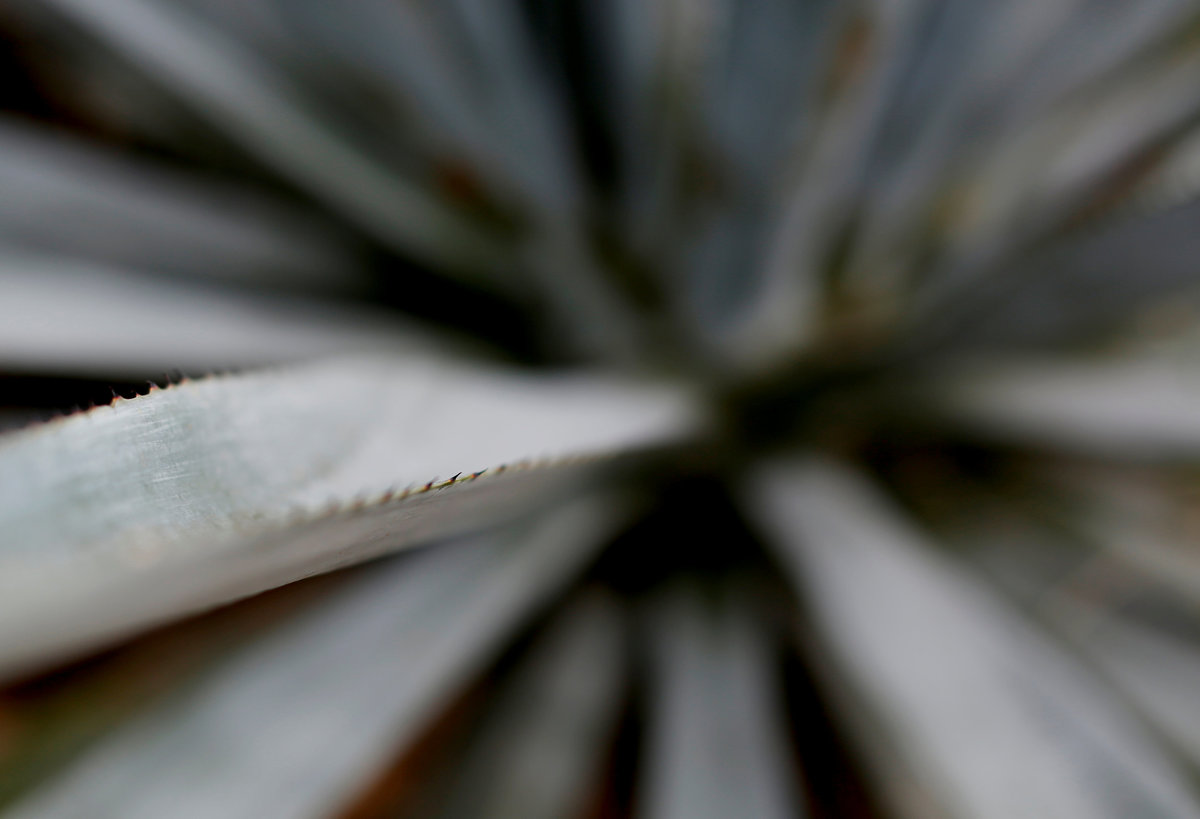
Spikes are seen on the leaves of a blue agave plant in Tequila, Jalisco, Mexico, September 7, 2017. REUTERS/Carlos Jasso.
"Tequila is a good business but there is so much demand for it. I hope the agave lasts for a long time," said J. Cruz Reinoso, the owner of the Don Blanco distillery, a family business he has been building up for 30 years.
Jimadores worry machines could eventually replace them but harvesting agave by machine would be complex, since it is difficult to predict the size of the heart from the size of the plant.
"This is my life and I am very proud of it. I know how to do it well. I hope technology does not replace us, it will be devastating," said Francisco Quiroz, a 57-year-old jimador.
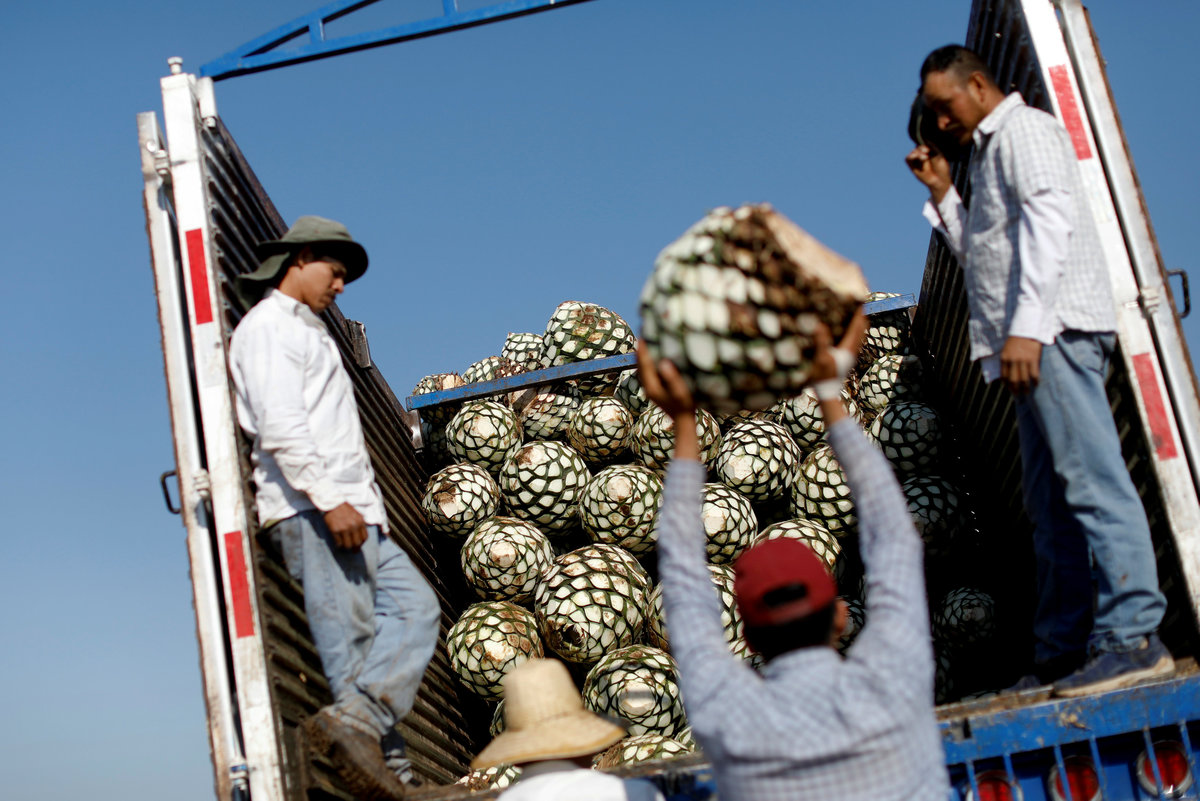
Farmers, also known as jimadores, harvest blue agave on a plantation in Tequila, Jalisco, Mexico, April 11, 2018. REUTERS/Carlos Jasso
Click on https://reut.rs/2I4rLFL to see a related photo essay
Arrieros or muleteers load hearts of blue agave onto a mule during a harvest on a blue agave plantation in Tequila, Jalisco, Mexico, April 11, 2018. REUTERS/Carlos Jasso
(Photography and reporting by Carlos Jasso, Writing by Michael O'Boyle, Editing by Rosalba O'Brien)
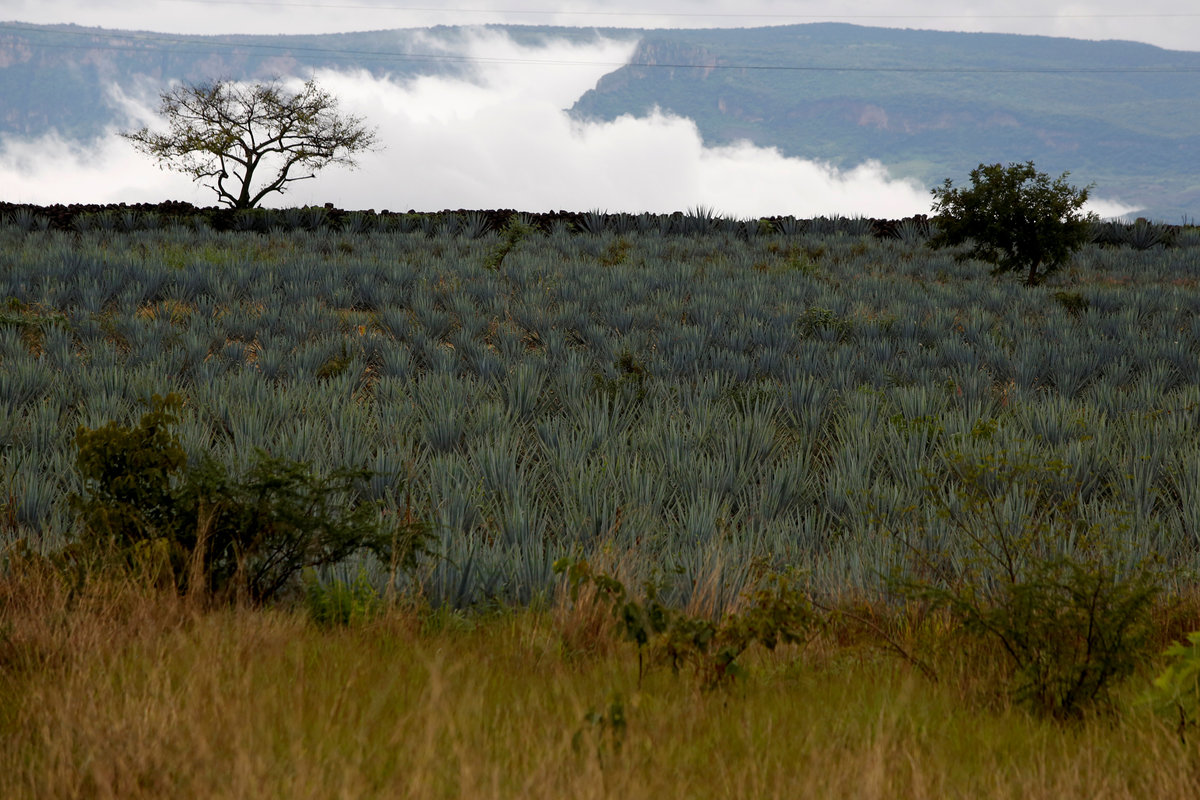
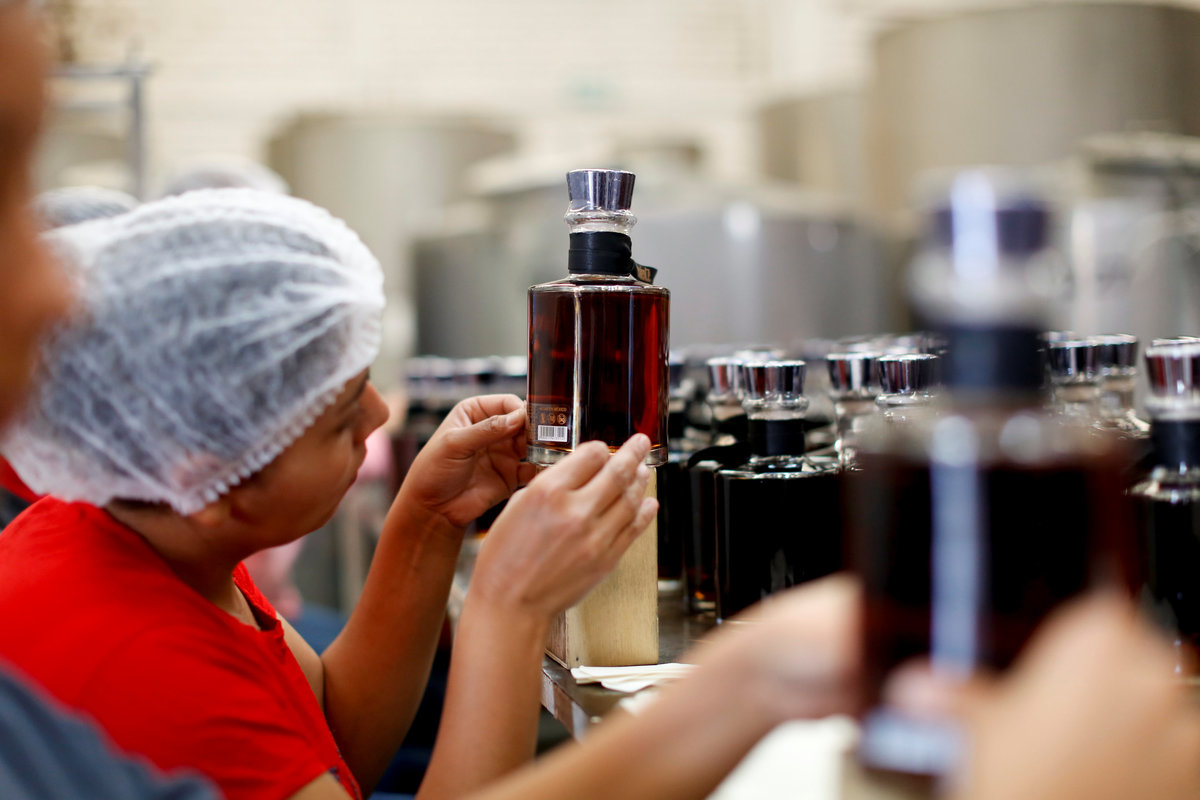
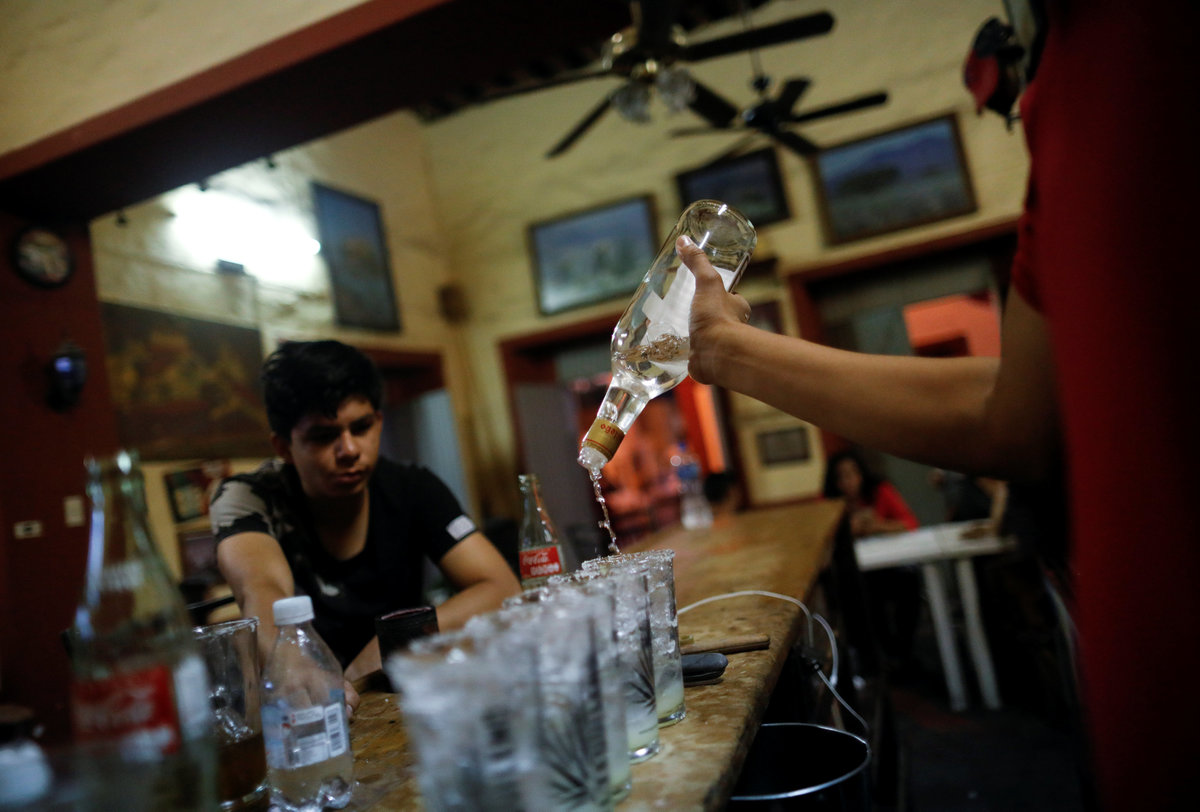
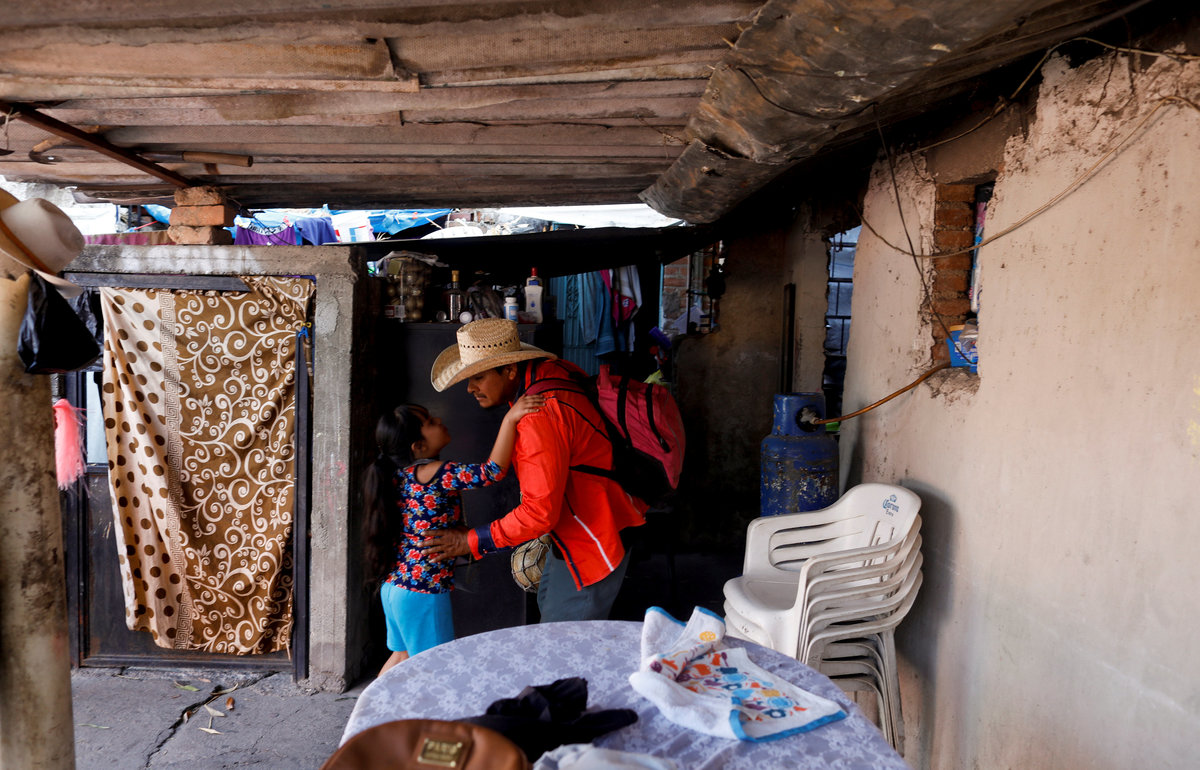
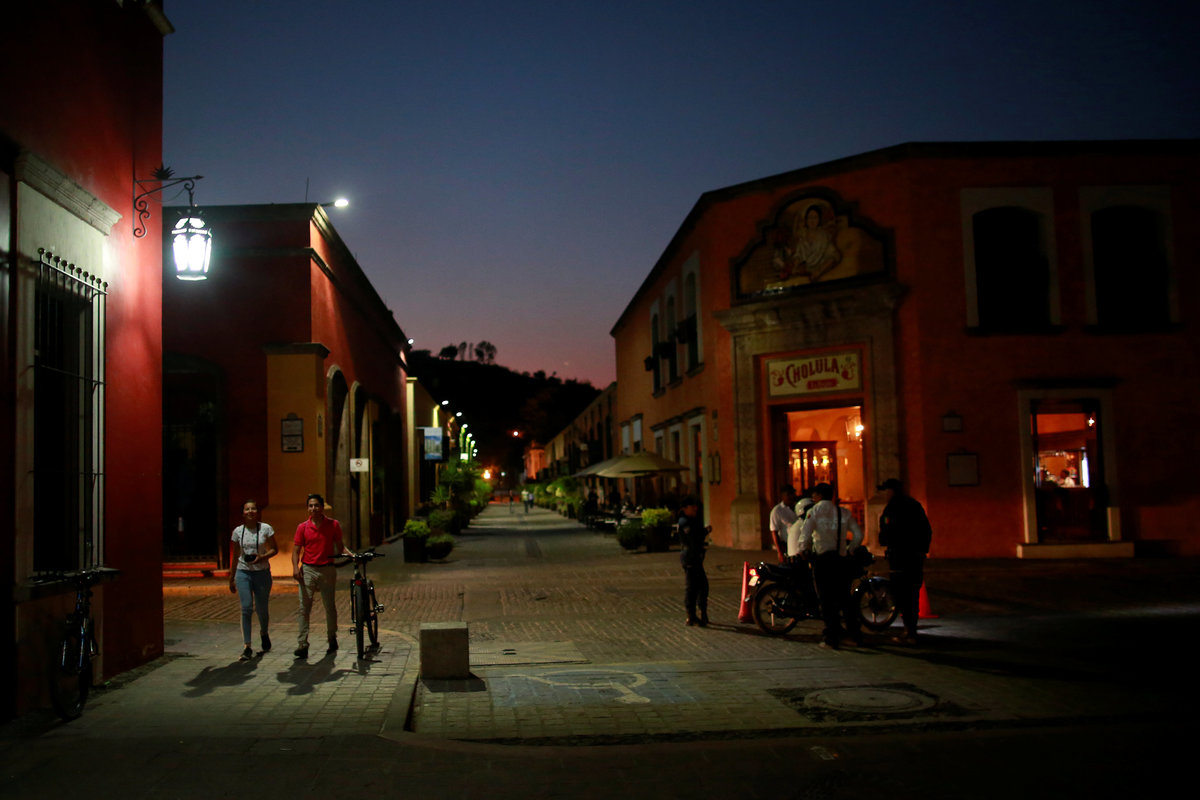
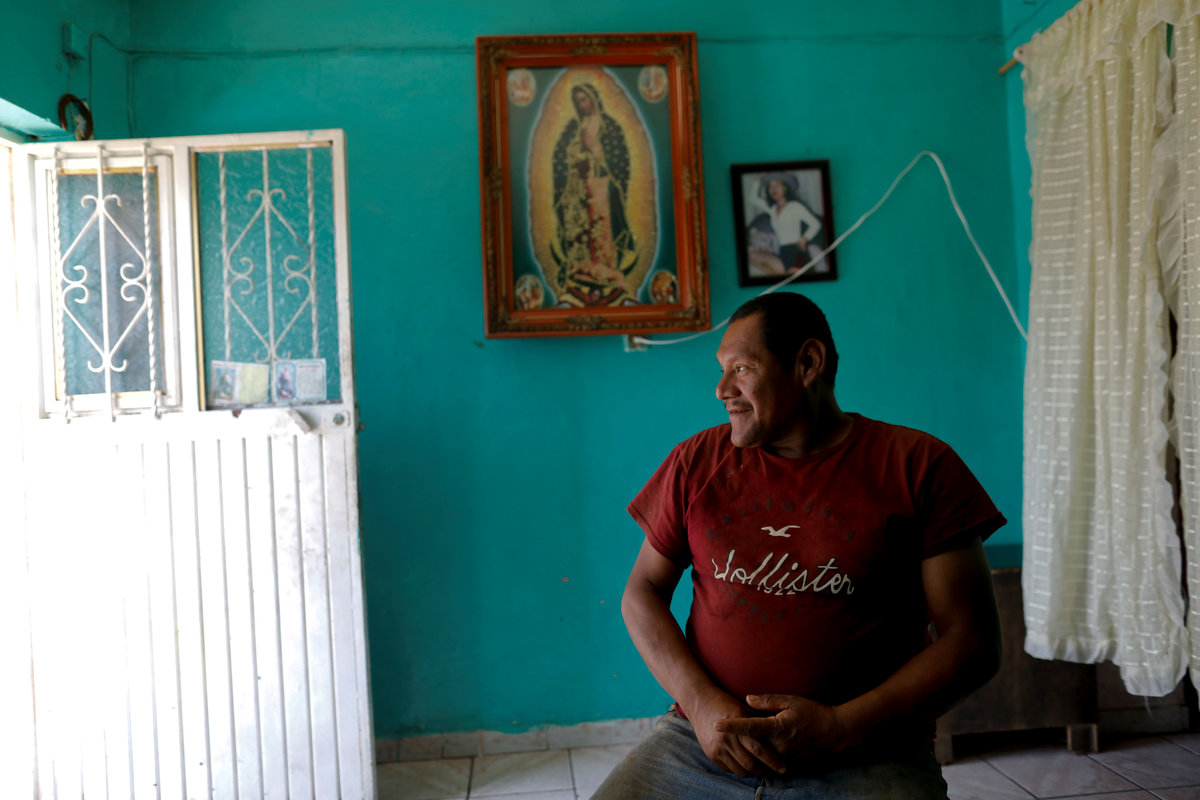
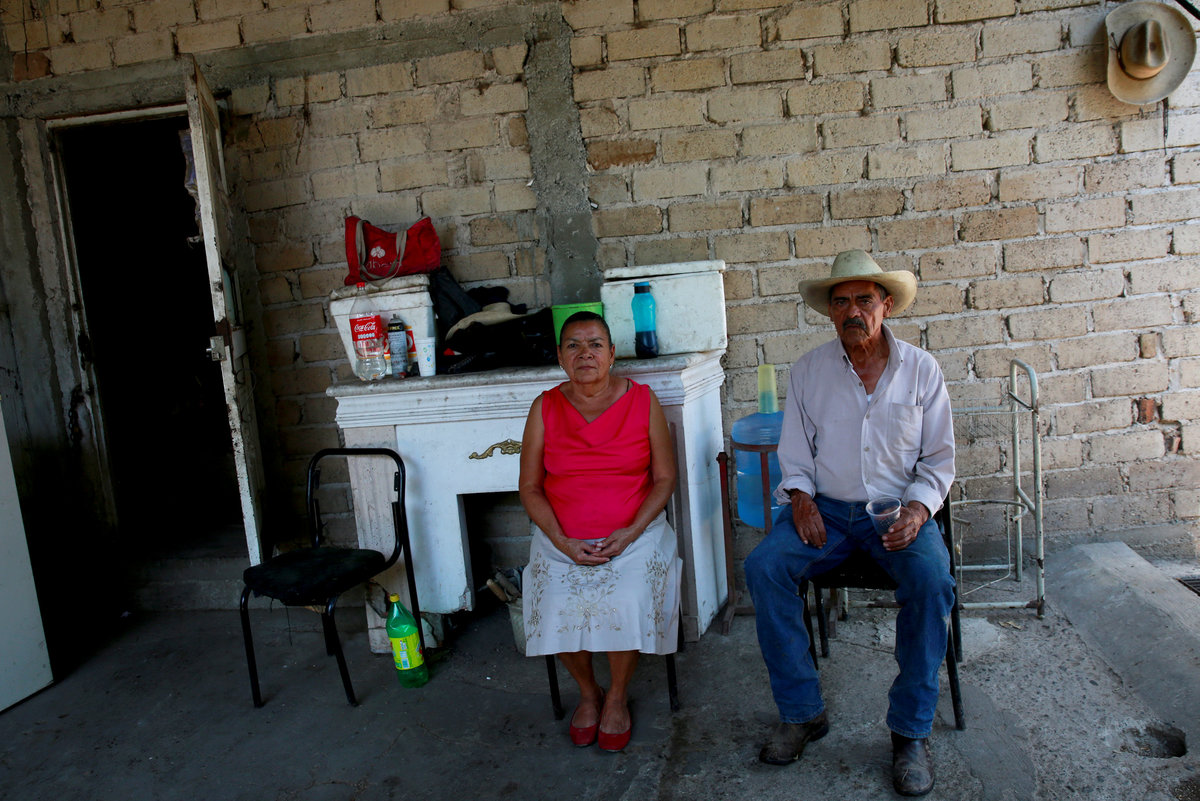
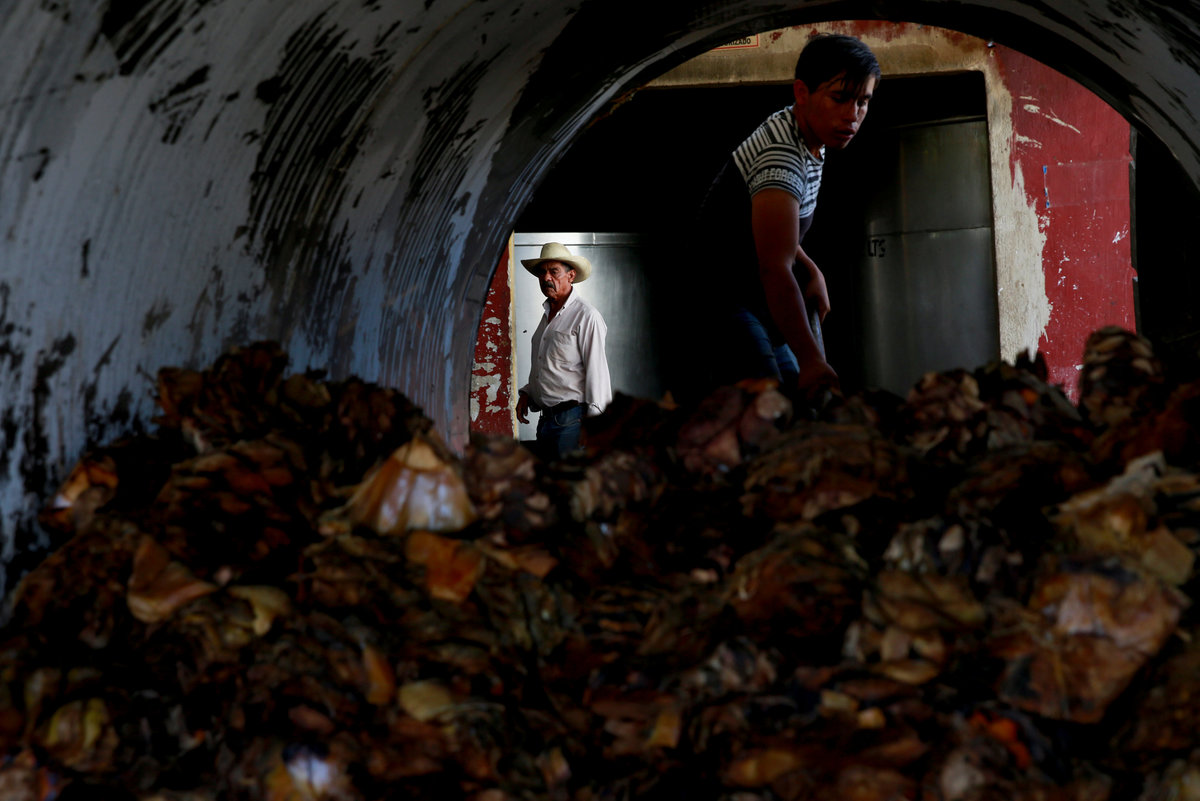
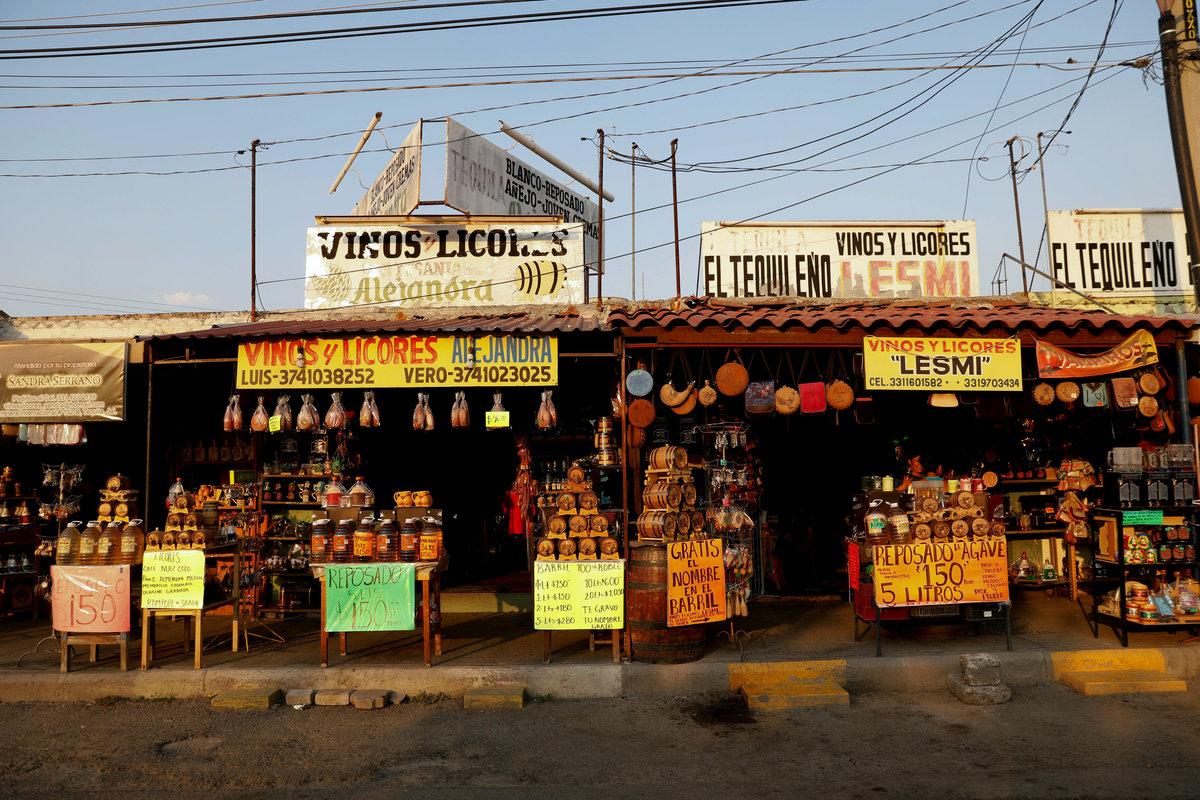
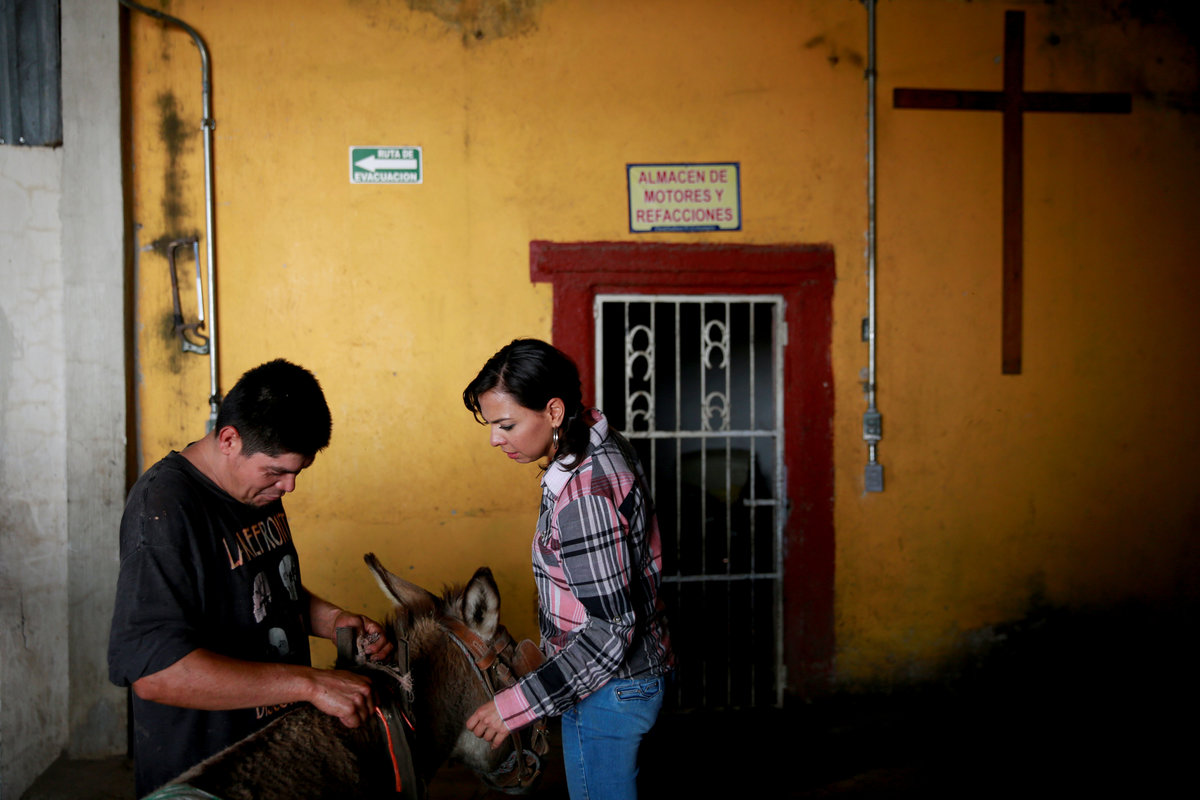
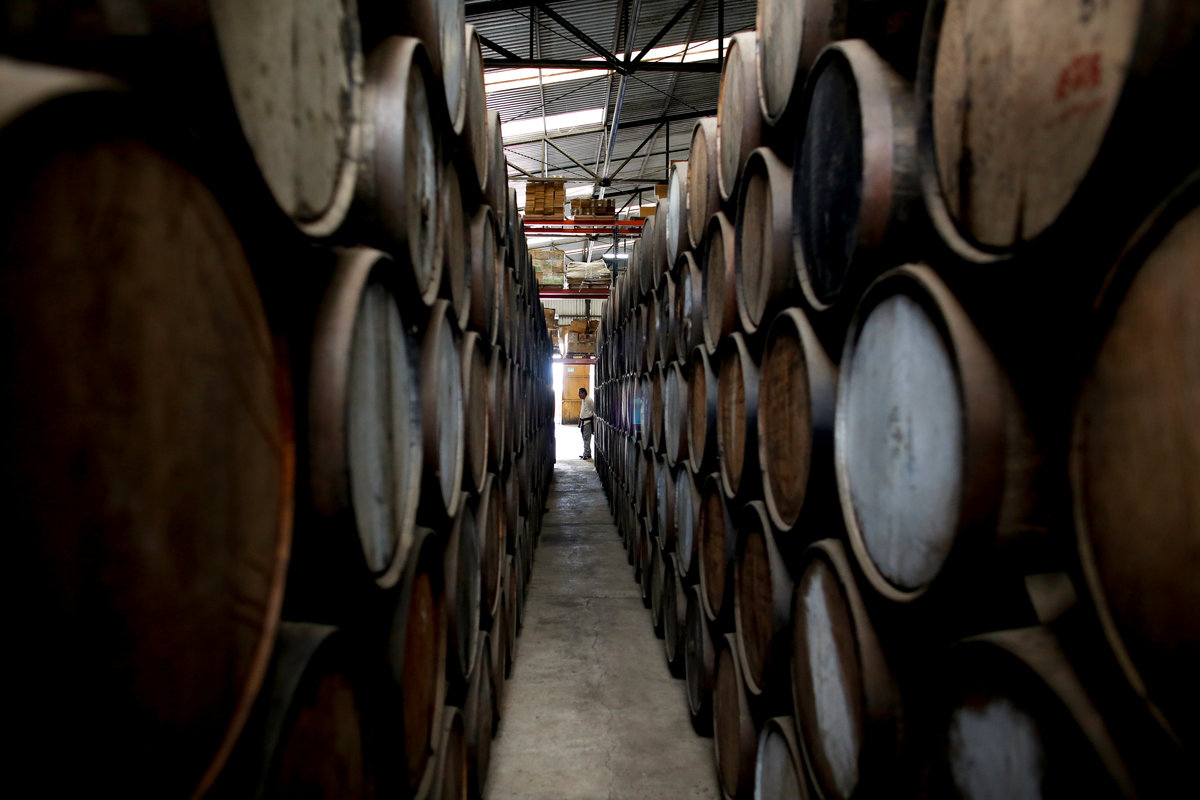
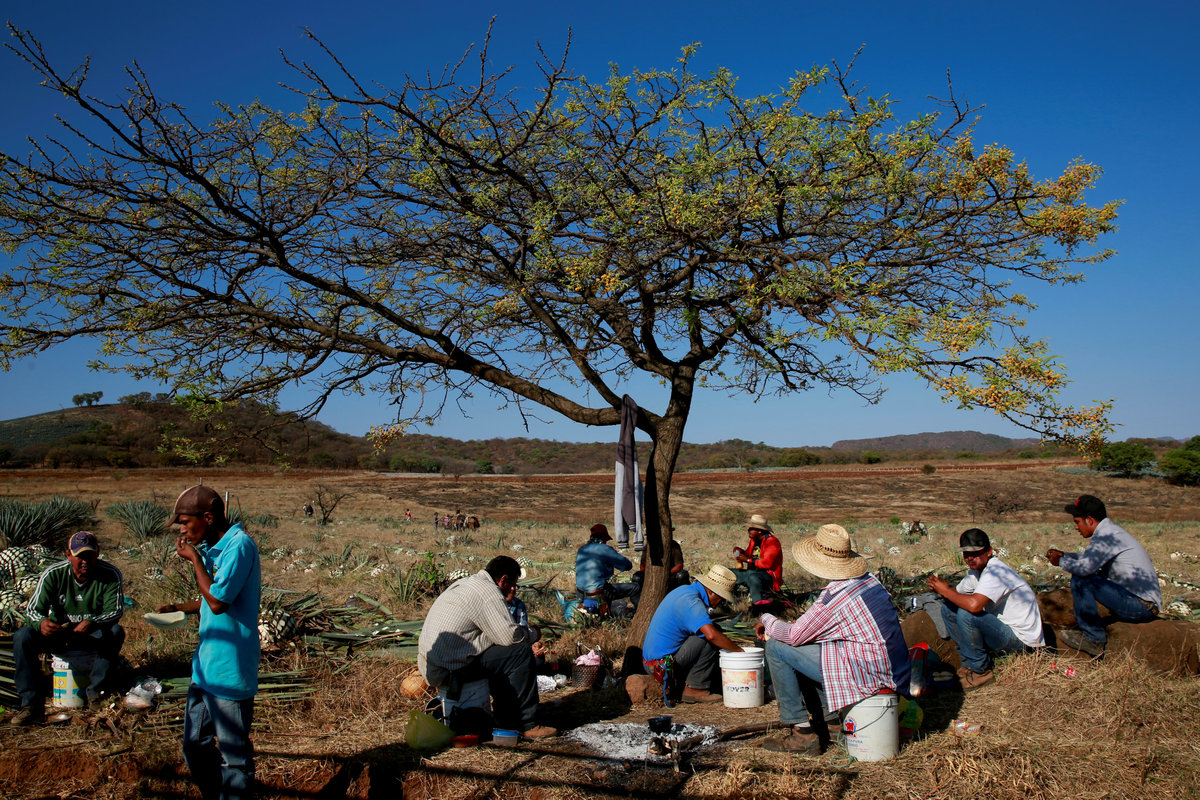
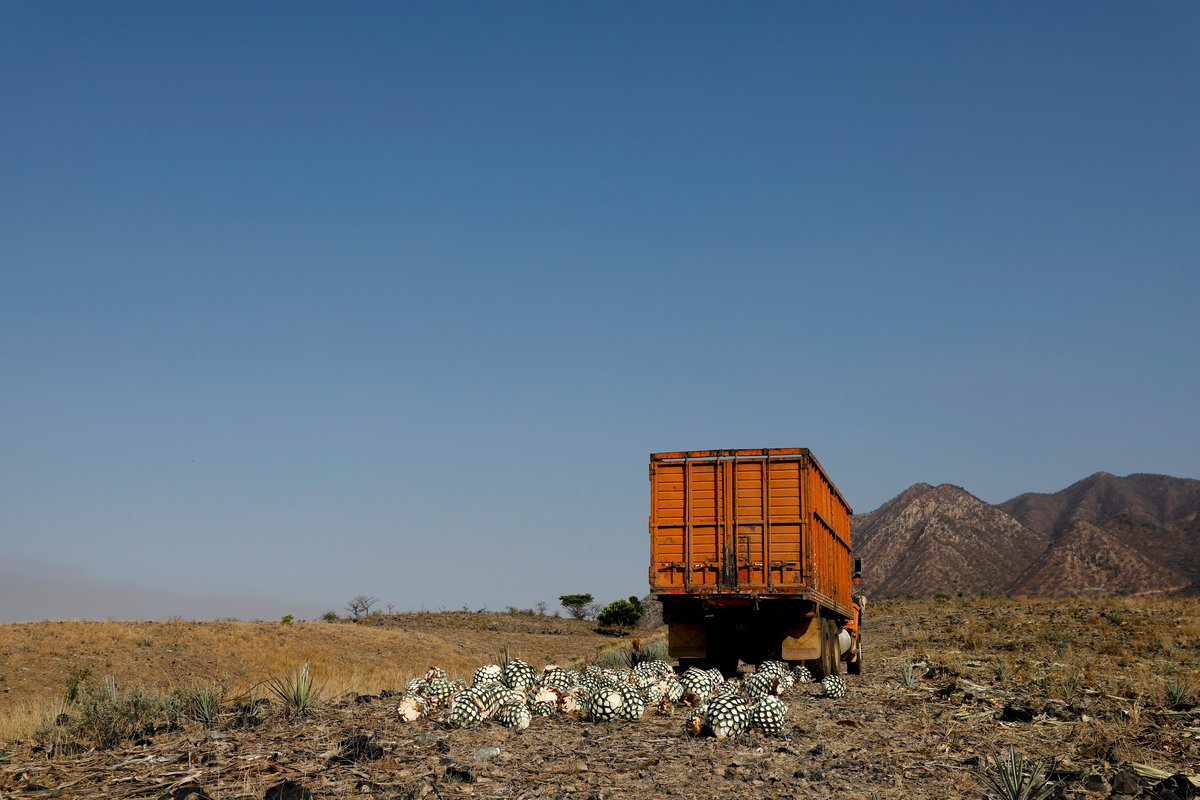
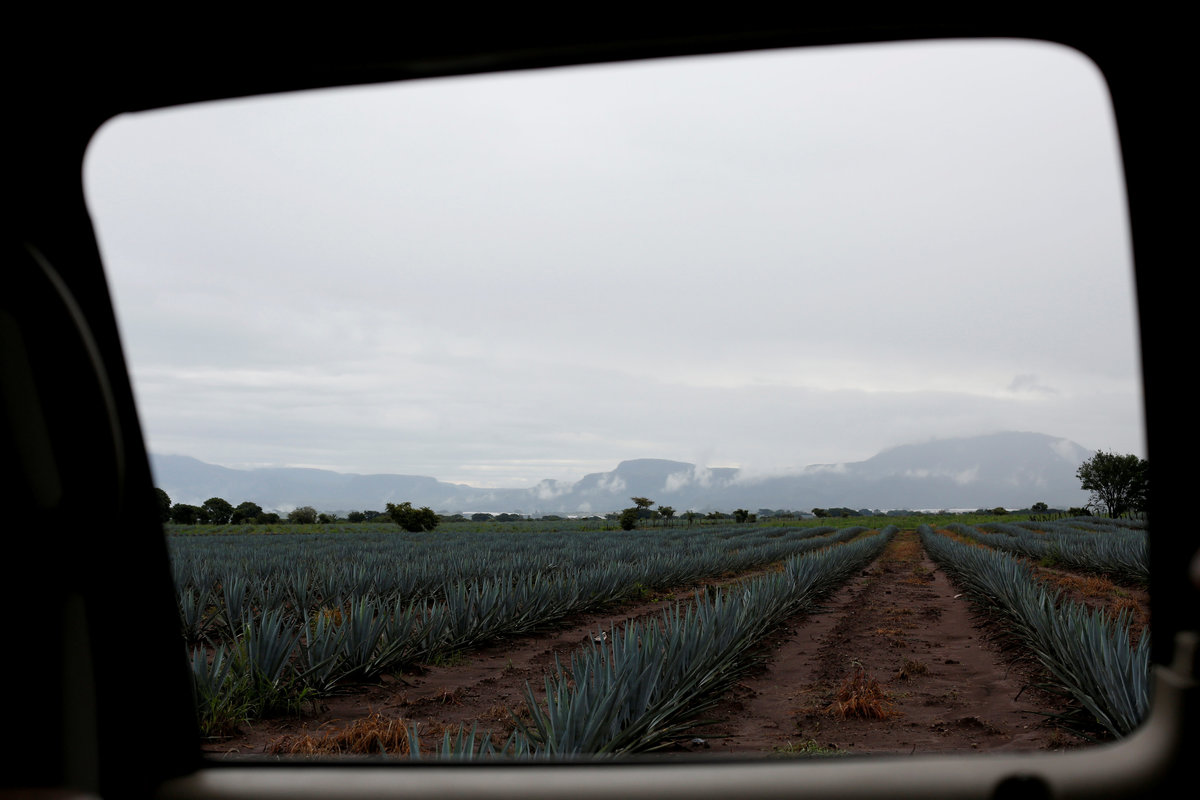
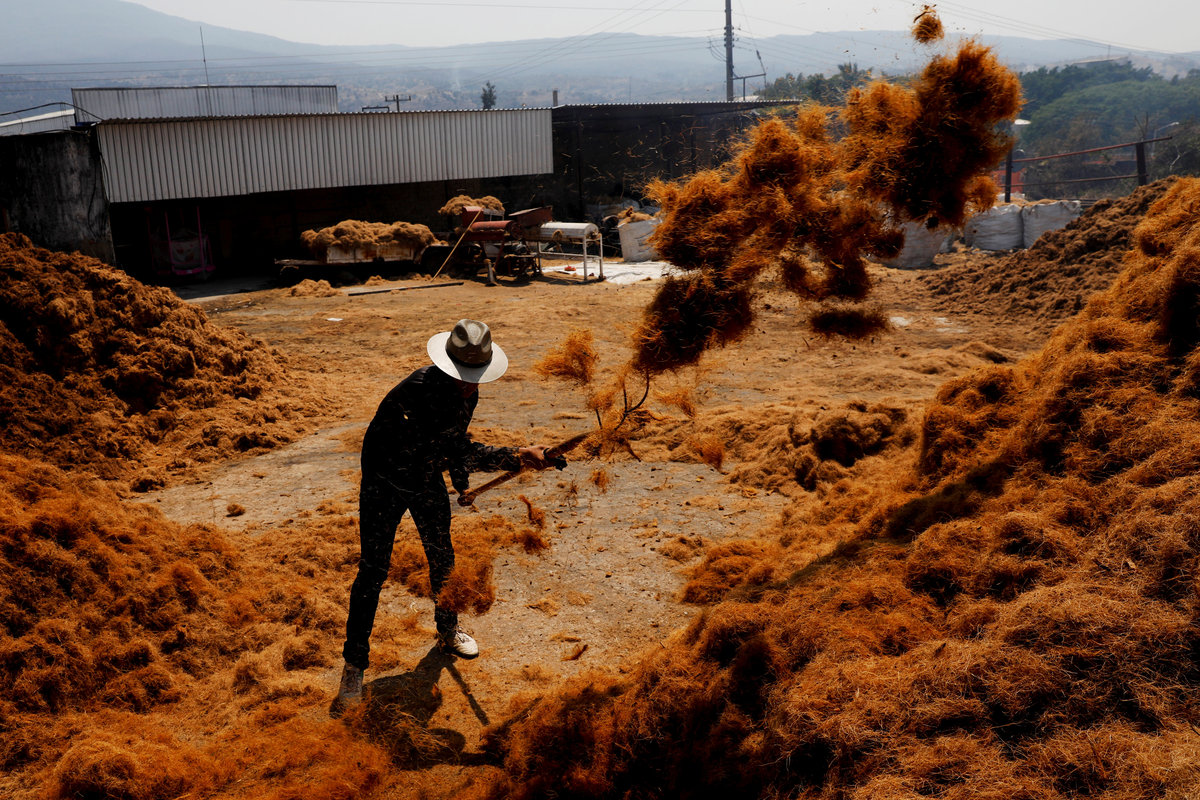
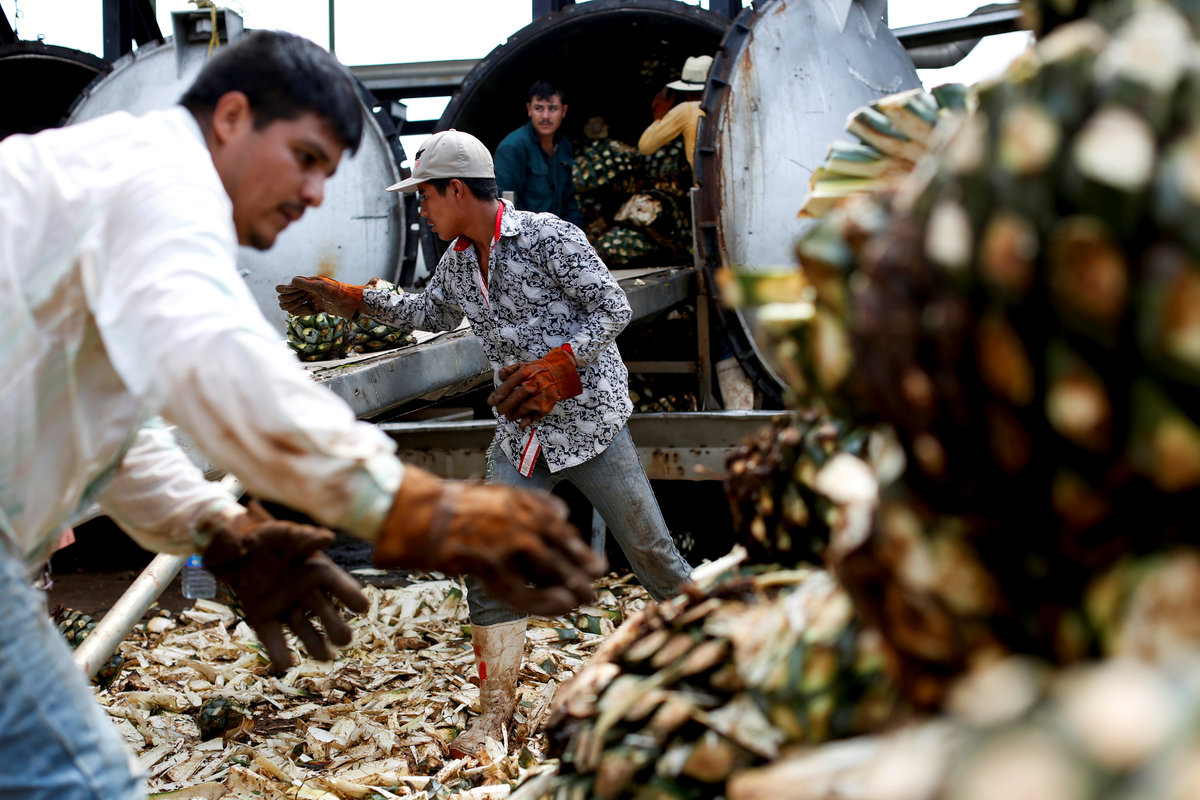
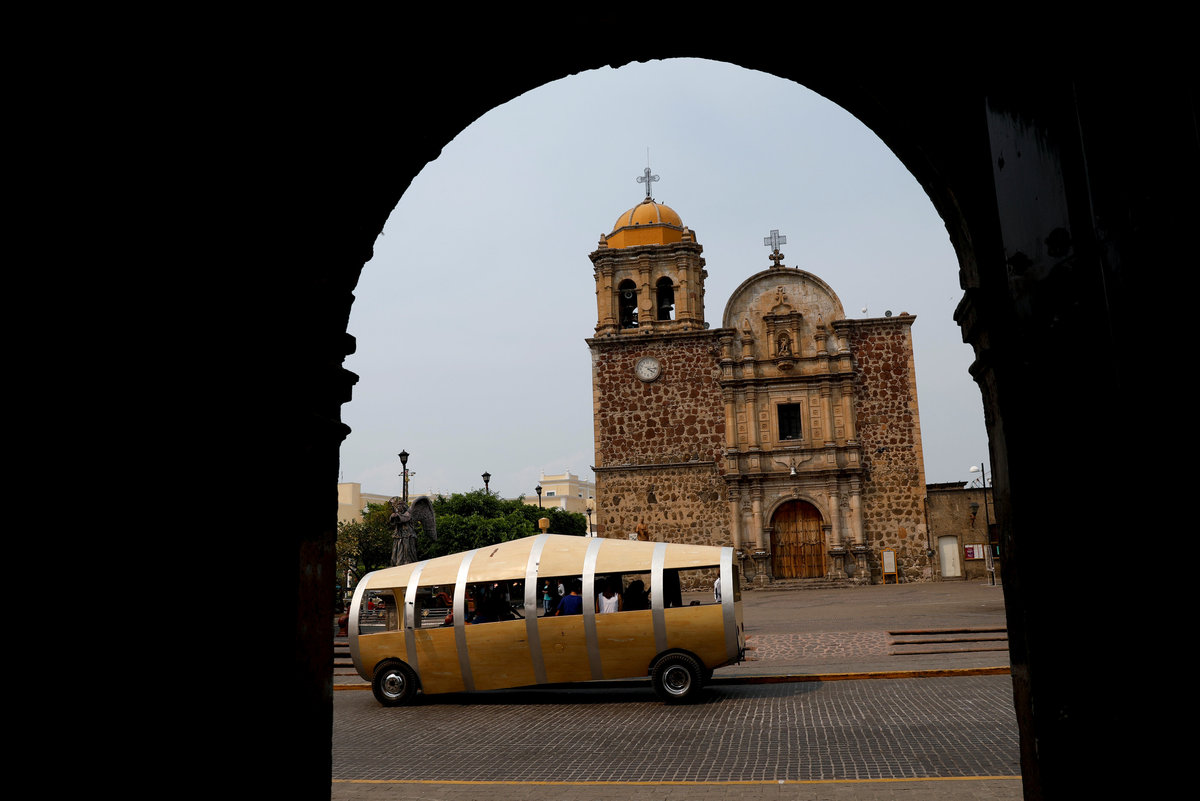
Blue agave plantation fields are seen in Tequila, Jalisco, Mexico, September 7, 2017. REUTERS/Carlos Jasso A worker labels bottles of tequila in a factory in Amatitan, Jalisco, Mexico, September 7, 2017. REUTERS/Carlos Jasso A resident watches as the bartender pours tequila for a traditional drink called a "Batanga" at La Capilla bar in Tequila, Jalisco, Mexico, April 11, 2018. REUTERS/Carlos Jasso Mario Perez, 39, a farmer, also known as a jimador, kisses one of his six daughters as he arrives home after a harvest of blue agave in Tequila, Jalisco, Mexico, April 13, 2018. "I am so proud to be a jimador, we are the first in the chain of the tequila industry, without us there is no tequila," Perez said. "In the old days to be a jimador was a respected job, now you are a simple worker. But it is a work of great tradition." REUTERS/Carlos Jasso People walk around the town in Tequila, Jalisco, Mexico, April 10, 2018. REUTERS/Carlos Jasso Jose Luis Flores, an arriero or muleteer rests at his house after a harvest in Tequila, Jalisco, Mexico, April 13, 2018. "I helped my dad for 20 years and I love it," Flores said. "No one can replace us, not even a machine. My mules can get past any cliff or difficult path." He hopes to pass down his trade to his four children. "I think I'm going to buy more mules. This is a family business now," he said. REUTERS/Carlos Jasso Estela de Reinoso, 71, and J. Cruz Reinoso, founders of the Don Blanco distillery, a family tequila business, pose for a photograph at their tequila factory in Tequila, Jalisco, Mexico, April 12, 2018. They've been building up the family business for 30 years. Their daughter and son work with them. "My wife and I had a dream and it came true," said J. Cruz. "Tequila is a good business but it has a lot of demand. I hope the agave lasts for a long time." REUTERS/Carlos Jasso Bottles of tequila and other liquors are seen inside a local bar in Tequila, Jalisco, Mexico, April 10, 2018. REUTERS/Carlos Jasso Baby blue agaves are seen in Amatitan, Jalisco, Mexico, April 10, 2018. REUTERS/Carlos Jasso A mule transports blue agave hearts during a harvest on a plantation in Tepatitlan, Jalisco, Mexico, September 6, 2017. REUTERS/Carlos Jasso An employee works at an oven used to cook agave as J. Cruz Reinoso, founder of the Don Blanco distillery, looks on, in Tequila, Jalisco, Mexico, April 12, 2018. REUTERS/Carlos Jasso Shops of local tequila and distillate of agave are seen in Tequila, Jalisco, Mexico, April 10, 2018. REUTERS/Carlos Jasso Marta Lucia Reinoso, 35, a member of the Don Blanco family tequila business, chats with an employee as she explains the traditional process of grinding cooked agave hearts, in Tequila, Jalisco, Mexico, April 12, 2018. A donkey or a mule pulls a stone mill to grind the agave for its juice, before fermentation and after distillation. REUTERS/Carlos Jasso Barrels of tequila are stored in a factory in Amatitan, Jalisco, Mexico, September 7, 2017. REUTERS/Carlos Jasso Farmers, also known as jimadores, eat their lunch under a tree as they take a break, during a blue agave harvest on a plantation in Tequila, Jalisco, Mexico, April 13, 2018. REUTERS/Carlos Jasso Blue agave hearts are seen beside a truck after a harvest on a plantation in Tequila, Jalisco, Mexico, April 11, 2018. REUTERS/Carlos Jasso A blue agave plantation is seen in Tepatitlan, Jalisco, Mexico, September 7, 2017. REUTERS/Carlos Jasso. Estela de Reinoso, 71, a founder of the Don Blanco family tequila business, works at the factory in Tequila, Jalisco, Mexico, April 12, 2018. REUTERS/Carlos Jasso A worker separates agave fibres at the El Chorrito tequila factory in Tequila, Jalisco, Mexico, April 10, 2018. REUTERS/Carlos Jasso Workers load blue agave hearts into an oven for distillation to make tequila at a factory in Amatitan, Jalisco, Mexico, September 7, 2017. REUTERS/Carlos Jasso A tourist car in the shape of a tequila barrel is seen on a street in Tequila, Jalisco, Mexico, April 11, 2018. REUTERS/Carlos Jasso Farmer, Efrain Sanchez, 60, looks at a baby blue agave which will be replanted in another plantation to give it more room to grow, in Tepatitlan, Jalisco, Mexico, April 10, 2018. REUTERS/Carlos Jasso A child plays inside an old car on a street in Tequila, Jalisco, Mexico, April 11, 2018. REUTERS/Carlos Jasso Jose Luis Flores, an arriero or muleteer drives his mule loaded with blue agave hearts, during a harvest on a plantation in Tequila, Jalisco, Mexico, April 13, 2018. REUTERS/Carlos Jasso A farmer, also known as a jimador, carries a blue agave heart during a harvest in Tequila, Jalisco, Mexico, April 13, 2018. REUTERS/Carlos Jasso Farmers, also known as jimadores, load blue agave hearts onto a truck after a harvest on a plantation in Tequila, Jalisco, Mexico, April 13, 2018. REUTERS/Carlos Jasso
Sign up to read this article
Read news from 100’s of titles, curated specifically for you.