As Wimbledon fever begins to grip the nation, local tennis courts across the UK are preparing for the inevitable surge of new players inspired by the thrilling professional rallies unfolding on screen.
Yet, while major tournaments undoubtedly spark interest, Declan Minns, racquets manager at Virgin Active Chiswick Riverside Club, believes it is the inherent social aspect of these sports that truly fosters long-term participation.
"Racquet sports are typically very sociable sports," Minns explains. "Lots of people will train with us and then will go through to the café together to chat over a coffee."
Beyond the camaraderie, these activities offer a wealth of mental and physical benefits.

"Racquet sports tend to involves a lot of short, sharp sprints and explosive movements, but there’s also a lot of recovery time within a game too, so it’s really great for both your heart health and muscular health," he adds. Players also develop crucial "hand-eye and foot-eye coordination."
The world of racquet sports has expanded significantly, with newer formats like padel and pickleball experiencing an explosion in popularity across the UK. But what exactly differentiates these increasingly popular options from the traditional game of tennis?
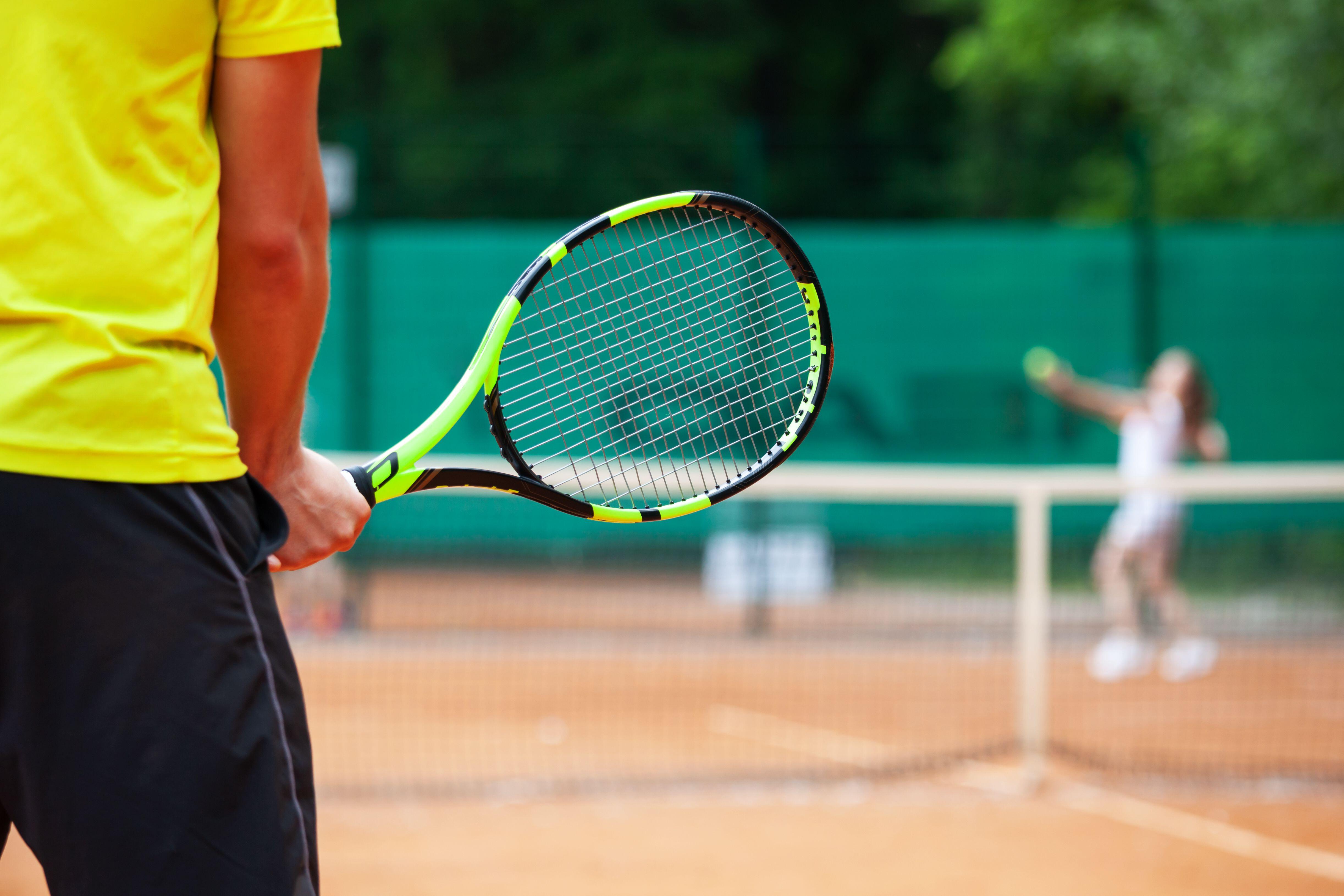
Tennis
Tennis remains the most widely accessible, with Minns noting, "There are tennis courts, coaches and clubs in every corner of the UK, so it’s easy to find somewhere to get started." Essential equipment includes a racquet, balls, and crucially, tennis shoes.
"I always recommend tennis shoes rather than running shoes to beginners, because you turn so quickly in racquet sports and tennis shoes offer more ankle support," he advises. Tennis is also a skill with endless room for improvement. "I teach people that have been playing for 40/50 years, and they’re still learning and improving," Minns says.
Beginner classes typically start with rallying, progressing to "ground strokes" from the baseline, then mastering serves – "super-important because that’s how every single point in tennis starts" – followed by volleys and eventually match play.
Pickleball
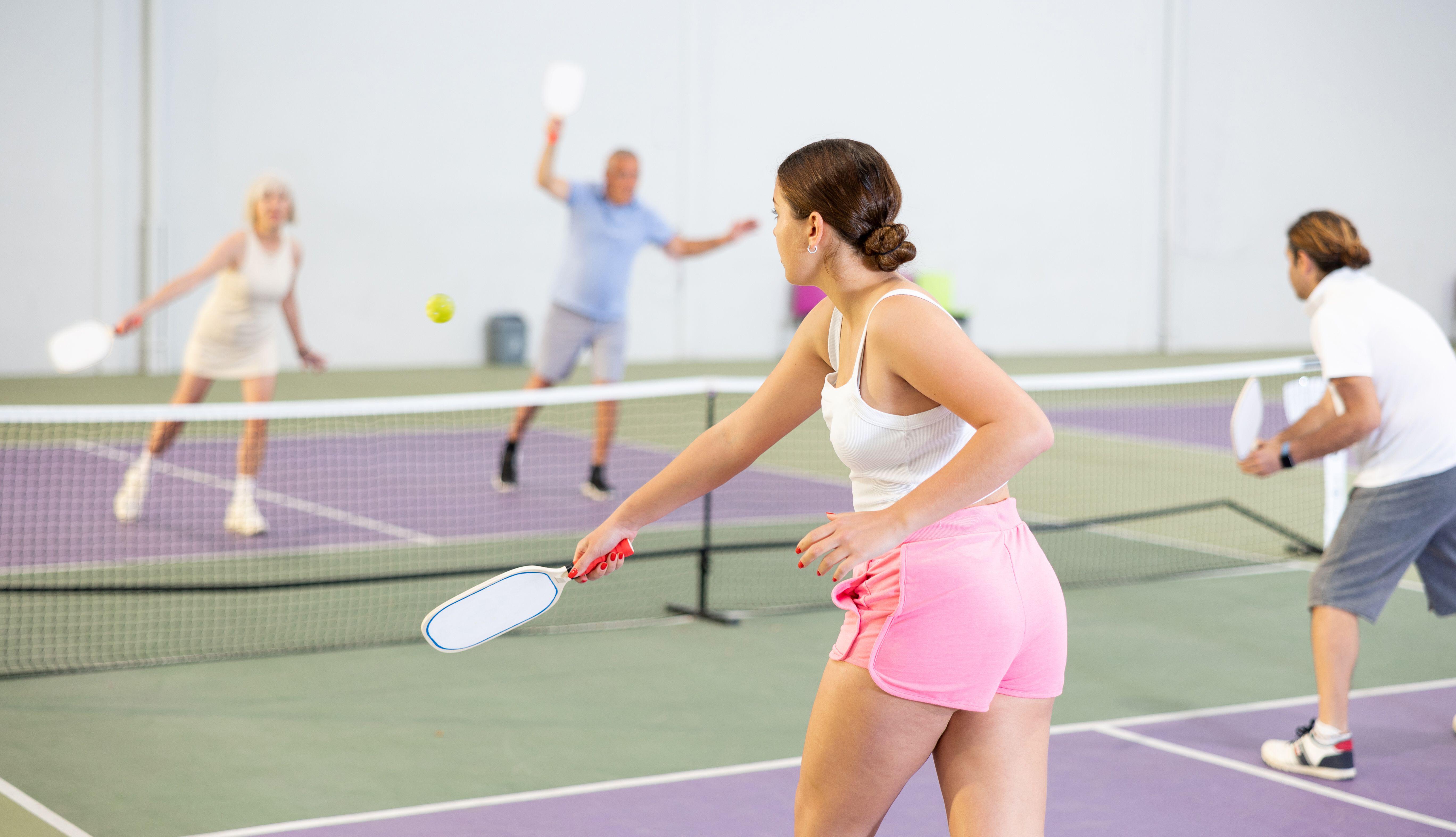
For those seeking a quicker entry into match play, pickleball offers a more immediate route. "Pickleball, at entry level, is much more accessible if you’d like to just jump on the court and play a match straight away," Minns states. While less ubiquitous than tennis courts, its gentler nature is a significant draw.
"Pickleball is much more gentle on your body because the court is a lot smaller," he explains, highlighting "a lot less movement" and a "really fun and friendly doubles-led culture."
The perforated balls are slower, providing "a lot more time to see the ball, to wait for it to bounce, and to hit it." The flat bat also simplifies play, removing the need to master spin. It’s also an economical choice, with many centres providing bats.
Padel
Padel distinguishes itself with its unique use of walls. "The walls keep the rallies alive because the ball is allowed to bounce off them, which means you have really long rallies," Minns explains.
He describes padel as more dynamic and fast-paced than pickleball, with balls akin to tennis balls and "a little bit faster around the court." The larger, heavier bats allow for more powerful shots. Predominantly a doubles game, padel has a stronger UK presence than pickleball, having been established for longer.
While racquets can often be hired, Minns admits, "Padel is a really addictive sport; I played it once and fell in love."
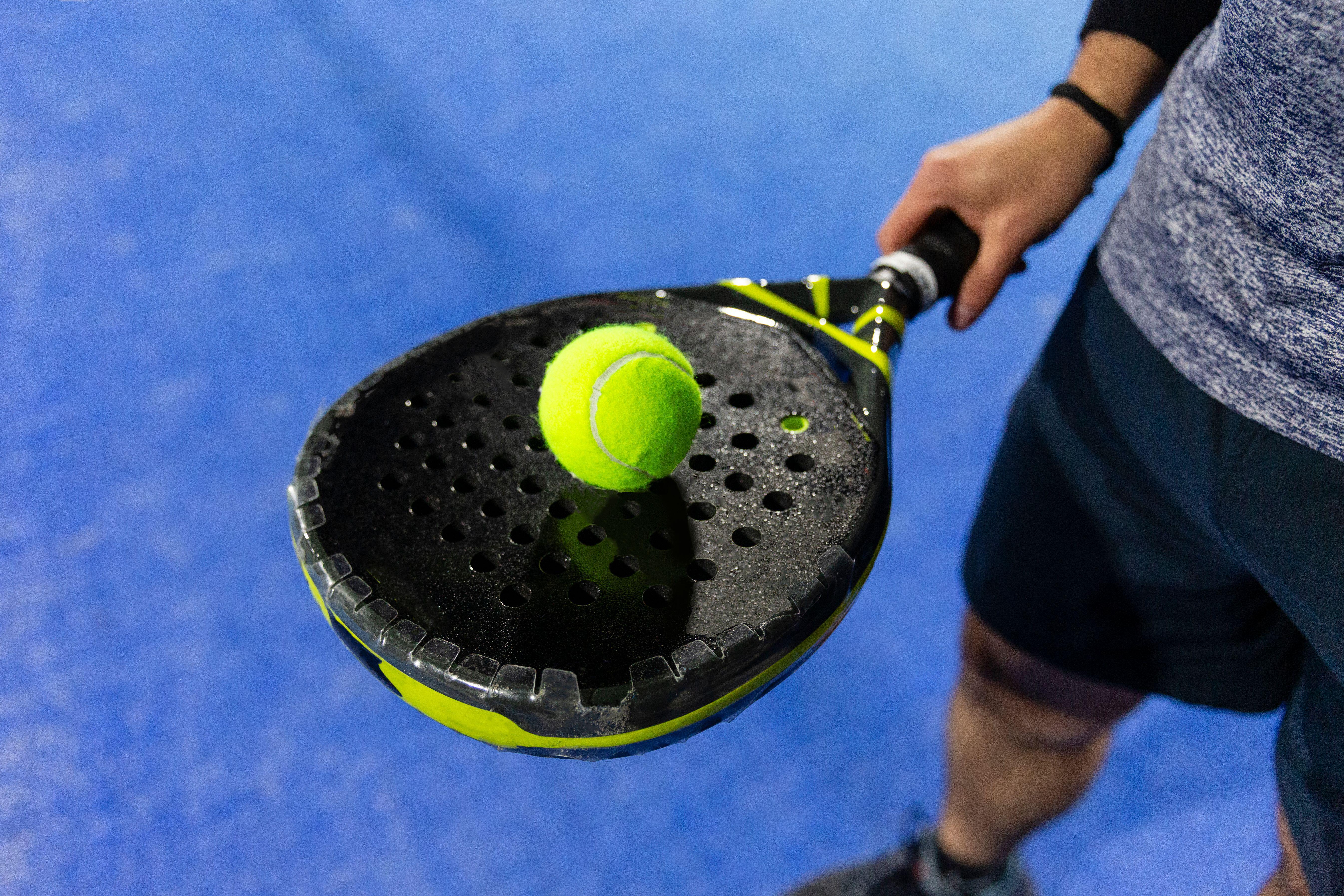
Whether drawn to the classic challenge of tennis, the gentle fun of pickleball, or the dynamic rallies of padel, the world of racquet sports offers diverse options for fitness, social connection, and continuous skill development.