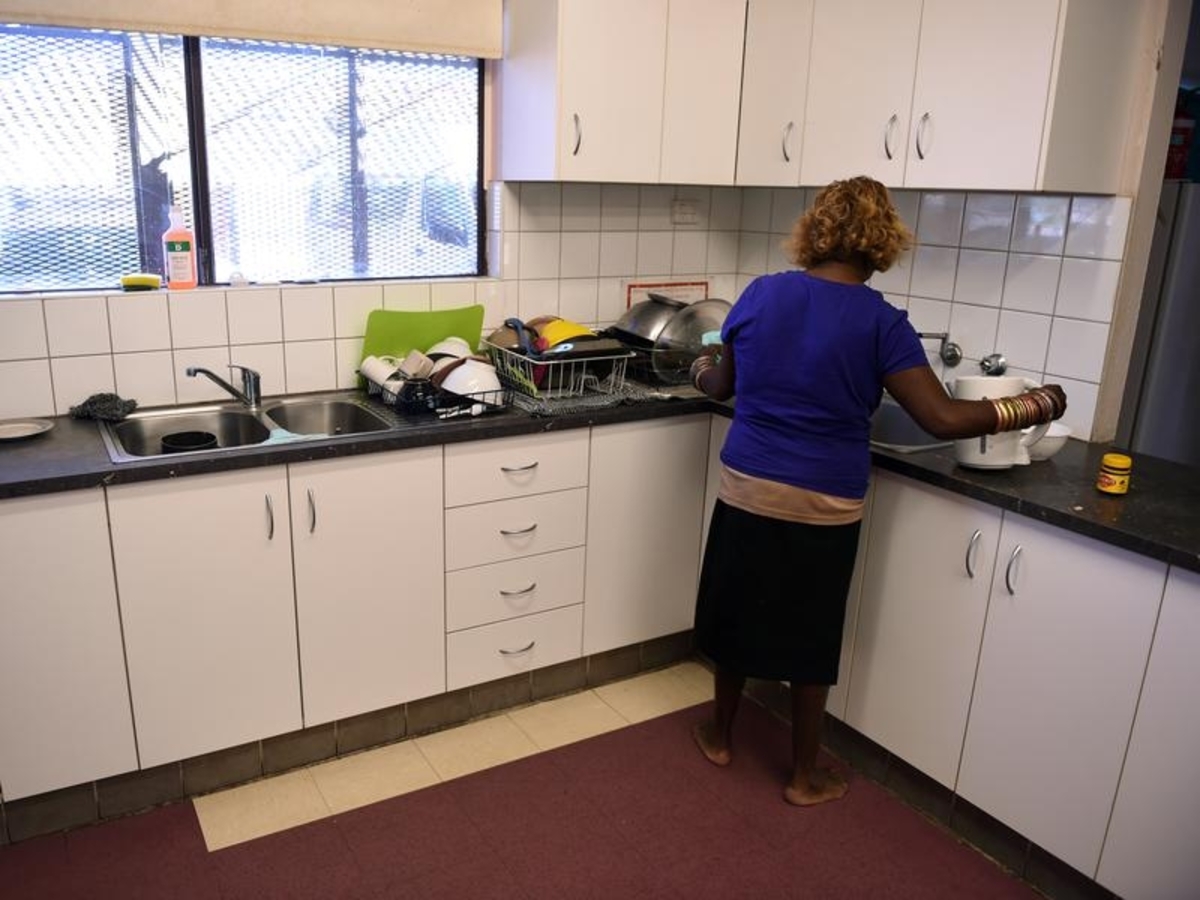
Inconsistent tenancy laws across Australia are making it difficult for women and children experiencing domestic violence to leave and find new housing.
A report commissioned by the federal government and prepared by the University of South Australia has found only NSW and Western Australia have procedures in place that allow domestic violence victims to break a tenancy at short notice without involving police or the court system.
The report identifies ongoing issues victims experience with current tenancy laws and recommends a national approach to ensure women and children in these situations are better protected.
Lead author Eileen Webb says while changes to tenancy laws allow victims to more easily break a lease without penalties, most states still require tenants to go through a court or tribunal.
"This can deter domestic violence victims from seeking relief because they are reluctant to engage with the judicial system and face the perpetrator in court proceedings," Professor Webb said.
"Most states release tenants from outstanding rental payments, repairs and returns of a security deposit but in some jurisdictions, the processes are complex and lengthy.
"More services should be made available online."
WA and NSW have introduced a procedure where a landlord can be served with a termination notice supported by a certificate or declaration that the tenant is experiencing domestic violence in the house.
The report also found the lack of housing stock and particularly safe and decent accommodation at short notice for women and children experiencing family violence remained a key challenge.
According to the Australian Institute of Health and Welfare 2.2 million Australians have experienced physical or sexual violence from a partner.
The impacts to health, jobs and housing cost the economy an estimated $26 billion each year.
The AIHW estimates that family domestic violence results in more than 100,000 women and children seeking homelessness services each year.
"Women in violent relationships are more likely to cycle in and out of homelessness, often living in a car or on the streets," Prof Webb said.
"It's a perilous journey finding safe, alternative accommodation and so many invariably return to the perpetrator.
"Those who try to leave can be even more at risk."