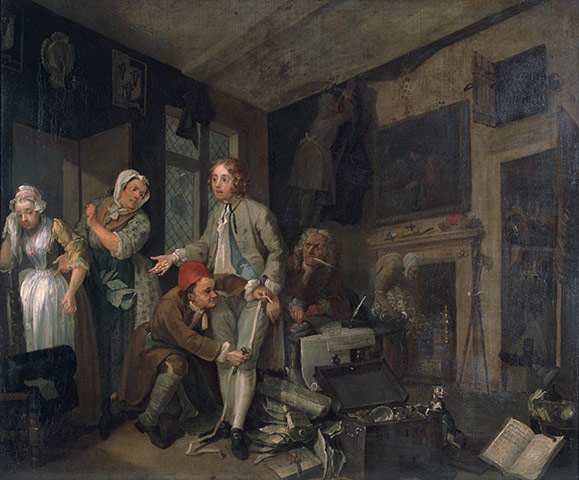
'The eight paintings in William Hogarth’s A Rake’s Progress series can rightly be described as one of the great masterpieces of British art. Created by Hogarth, the great 18th-century painter, engraver and satirist, they give us an acute glimpse into London life of the period, and the antics of its faded aristocracy and nouveau riche. They now hang in Sir John Soane’s Museum, one of my favourite small museums.' Photograph: Sir John Soane's Museum
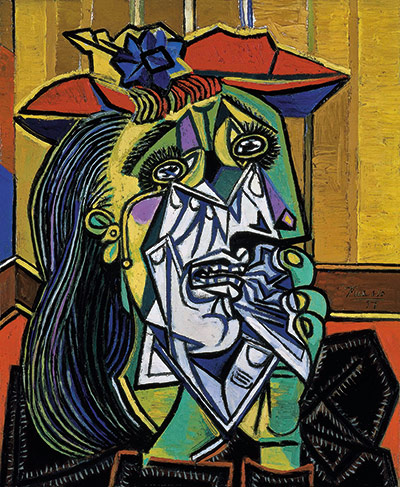
'One of the great atrocities of the Spanish civil war was the bombing of Guernica by the German air force. Picasso responded to the massacre by painting the vast mural Guernica, and for months afterwards made subsidiary paintings based on one of the figures in the mural: a weeping woman holding her dead child. Weeping Woman in Tate’s collection is the last and most elaborate of the series, an extraordinary depiction of female grief and a metaphor for a Spanish tragedy.' Photograph: /Succession Picasso / DACS 2011
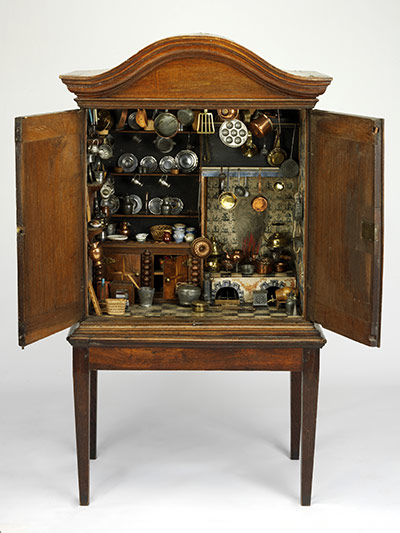
'At the V&A Museum of Childhood in east London there is a Dutch doll’s house from the 1600s. The craftsmanship that went into it is mindblowing. It’s also interesting because it shows how a house ran at that time, in that place. The idea behind it was to teach little girls how to become wives; it illustrates how much of our culture is indoctrinated into us through play and leisure.' Photograph: Pip Barnard/Victoria and Albert Museum, London
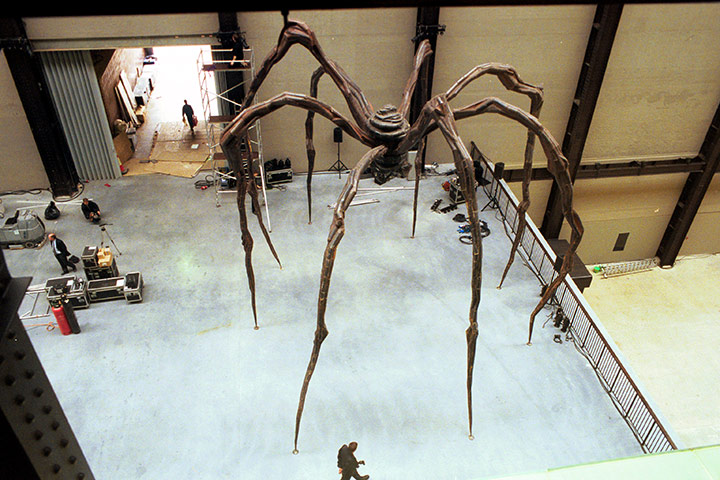
'The Turbine Hall commissions at Tate Modern are an extraordinary rollcall of some of the greatest practitioners of today. Louise Bourgeois’s spider, Maman and I Do, I Undo, I Redo, launched the whole programme in the most remarkable way.'
Photograph: Martin Godwin
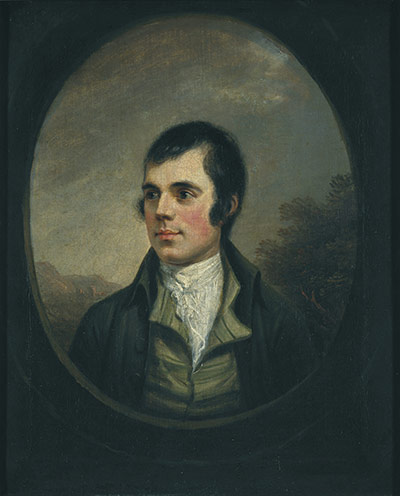
'This portrait of Robert Burns is probably the best-known portrait in our collection. Like many people, I saw it first on a shortbread tin, but when you come face to face with the original it’s astonishingly vivid, and you can feel that spirit of democracy and generosity Burns is famed for.' Photograph: Scottish National Portrait Gallery
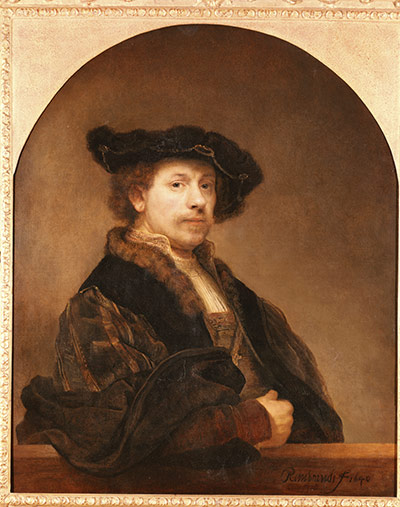
'Like all great self-portraits, this makes you question who you are and absolutely crosses time – that sense of self-examination. It’s just the most brilliant painting, and to be able to just walk in and look at it is a fabulous thing.' Photograph: Getty Images/SuperStock RM
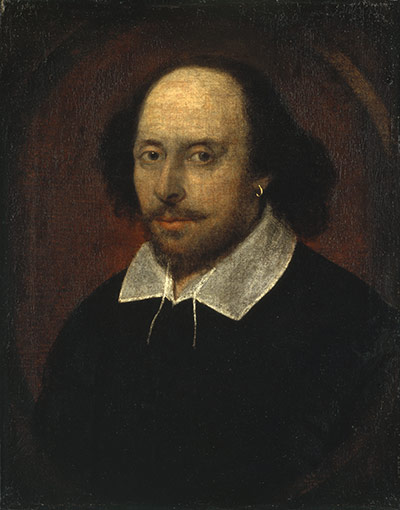
'One of the National Portrait Gallery's most enigmatic portraits is the famous Chandos portrait of Shakespeare. It’s wonderfully mysterious. Taylor is not an artist we know a great deal about, and there’s been plenty of speculation as to whether this was taken from life. I look at it at least two or three times a week.' Photograph: National Portrait Gallery London
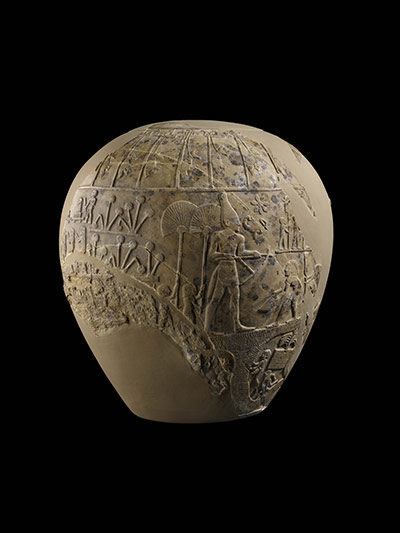
'I’m hugely moved by a remarkable mace head we have in our new Egyptian galleries that dates from 3,000 BC. It depicts an emperor wearing the crown of Upper Egypt and hunting. I’m enormously impressed by its sophistication as a piece of early sculpture: eat your heart out, Donatello.' Photograph: David Gowers/Ashmolean Museum, University of Oxford