Get all your news in one place.
100’s of premium titles.
One app.
Start reading
The Guardian - UK
The Guardian - UK
Environment
Shiona Tregaskis

Ten worst 'ecocides'

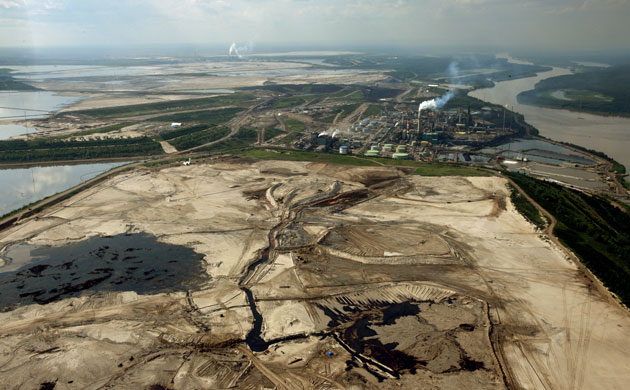
Top 10 Ecocide: Alberta Tar Sands
Alberta tar sands: Referred to as the most damaging project on the planet. According to Greenpeace, emissions from tar sands extraction could grow to between 127 and 140m tonnes by 2020, exceeding the current emissions of Austria, Portugal, Ireland and Denmark. If proposed expansion proceeds,it will result in the loss of vast tracts of boreal forest and peat bogs of a territory the size of England
Photograph: Orjan F. Ellingvag/Corbis
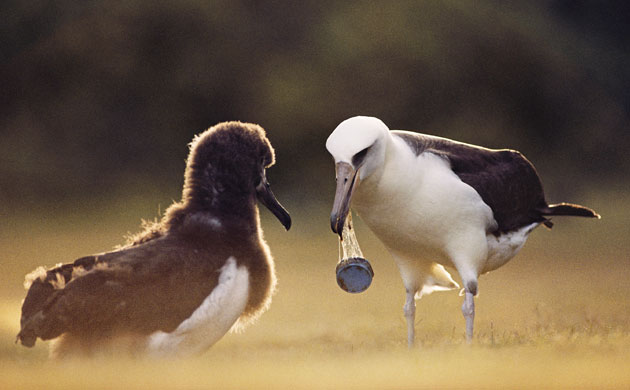
Top 10 Ecocides: Laysan Albatross Carrying Bottle Cap
The North Pacific gyre: A swirling island of 100m tonnes of plastic bits and bottle tops, spins clockwise from Hawaii to Japan. Also known as the Pacific trash vortex, it is estimated to be the size of Texas. This picture shows a laysan albatross (Diomedea immutabilis) giving a bottle cap to its chick
Photograph: Frans Lanting/Corbis
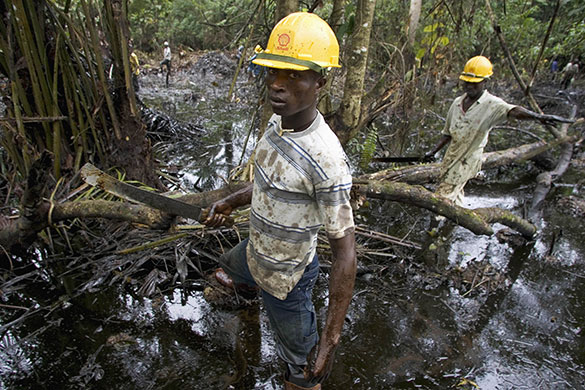
Top 10 Ecocide: Niger Delta oil production and pollution
The Niger delta: Fifty years of oil extraction in the Niger delta has scarred the Niger delta. Oil companies operated here for decades with very little environmental supervision and the delta, notoriously beset by conflict and poverty, has been steadily pushed towards ecological disaster. Villagers struggle to live off land and water poisoned by years of oil spills, and crops fail under the acid rain caused by gas flares
Photograph: Ed Kashi/Corbis
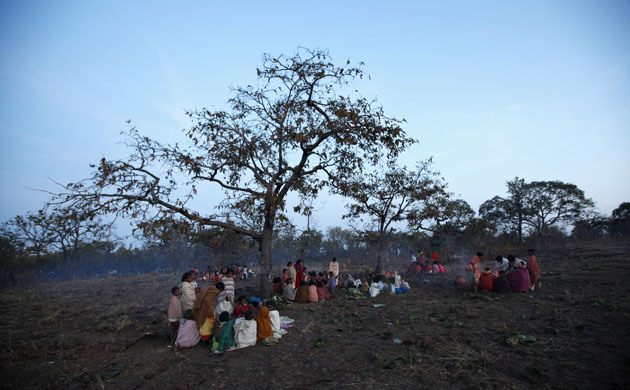
Top 10 Ecocide: Dongria Kondh : protest against Vedanta Resources to mine bauxite, India
The Dongria Kondh: Members of the Dongria Kondh tribe gather on top of the Niyamgiri mountain, which they worship as their living god, to protest against plans by Vedanta Resources to mine bauxite from that mountain. The mine will destroy the forests on which the Dongria Kondh depend and threaten the livelihoods of thousands of other Kondh tribal people living in the area. Vedanta denies allegations that the planned mine would violate the rights of thousands of people
Photograph: Reinhard Krause/Reuters
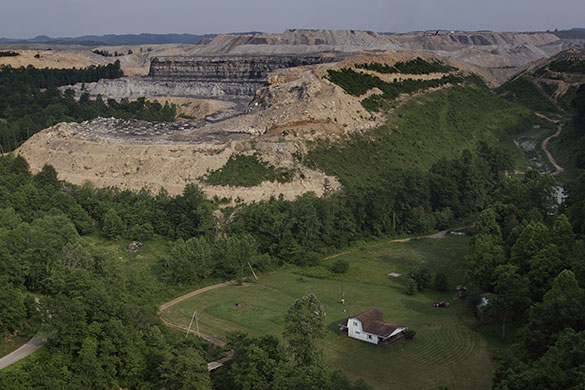
Top 10 Ecocide: Aerial of mountain top removal coal mining site West Virginia
Mountaintop removal: Aerial of mountaintop removal coal mining site in West Virginia. Mountaintop mining involves a highly destructive practice of blasting through hundreds of feet of mountaintop to get at thin but valuable seams of coal
Photograph: Melissa Farlow/NGC/Getty Images
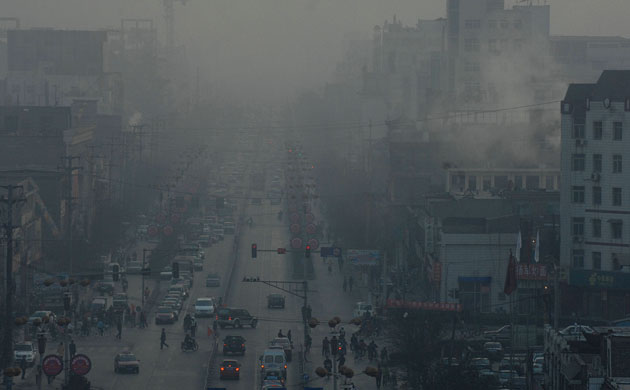
Top 10 Ecocide: Linfen in Shanxi province, China
Linfen, China: The most polluted city on earth. Located at the heart of a 12-mile industrial belt of iron foundries, smelting plants and cement factories, fed by the 50m tonnes of coal mined every year, unregulated because of rapid development
Photograph: Richard Jones/ Rex Features
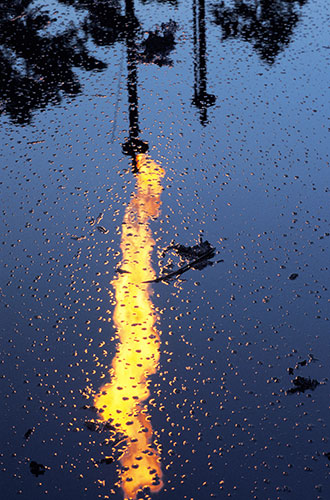
Top 10 Ecocide: toxic dumping by Chevron Texaco in Ecuador
Toxic dumping by Chevron Texaco in Ecuador: Chevron, formerly Texaco, is alleged to have dumped billions of gallons of crude oil and toxic waste waters into the Amazonian jungle over two decades. This oily pond is at the oil production site of Guanta, near the city of Lago Agrio. Ecuador's recent bill of rights for nature has changed the legal status of nature from being simply property to being a right-bearing entity. Campaigners hope this will stop similar ecological disasters from happening again
Photograph: Remi Benali/Corbis
Top 10 Ecocide: Deforestation of the Amazon
The Amazon: The razing of the Amazonian rainforest, a key stabiliser of the global climate system, by logging, mining, crop planting and beef production. Almost 60% of the region's forests could be wiped out or severely damaged by 2030
Photograph: Daniel Beltra/Greenpeace
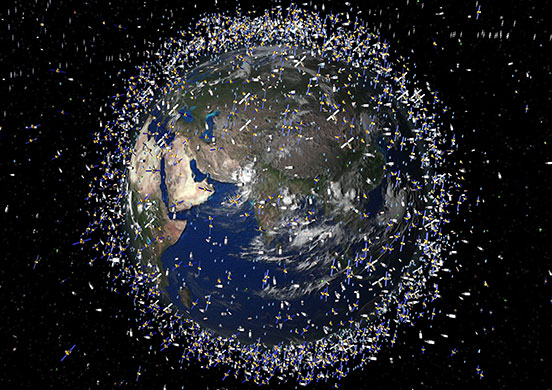
Top 10 Ecocide: Space Junk
Space junk: From spent rockets to defunct satellites, the millions of pieces of orbital debris have reached a critical level. A computer-generated image released by the European Space Agency shows an approximation of 12,000 fragments in orbit around the Earth
Photograph: ESA/AFP/Getty Images
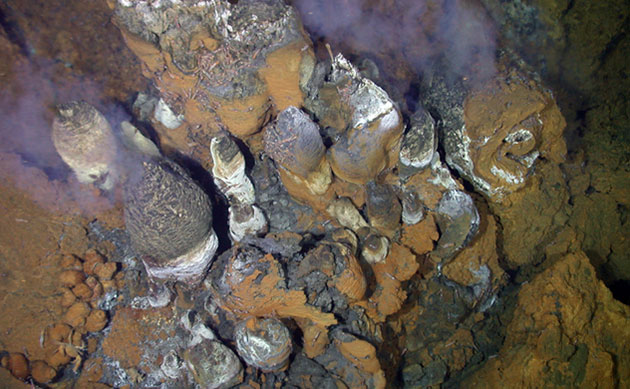
Top 10 Ecocide: Deep sea mining
Deep-sea mining: The emerging underwater mineral extraction industry is sounding alarm bells among marine biologists, environmental scientists and campaigners such as Polly Higgins, who predict that mining for gold, silver and copper on the seabed will be the next great ecological disaster. The fragile marine ecosystem of the sea floor is a frontier that we know very little about
Photograph: M. Tivey /WHOI Deep Submergence Lab

Sign up to read this article
Read news from 100’s of titles, curated specifically for you.
Already a member? Sign in here
Related Stories
Top stories on inkl right now
One subscription that gives you access to news from hundreds of sites
Already a member? Sign in here
Our Picks
Fourteen days free
Download the app
One app. One membership.
100+ trusted global sources.