Get all your news in one place.
100’s of premium titles.
One app.
Start reading
Reuters
Reuters
Environment
Yuddy Cahya Budiman

Ten rescued orangutans returned to the wild in Indonesia

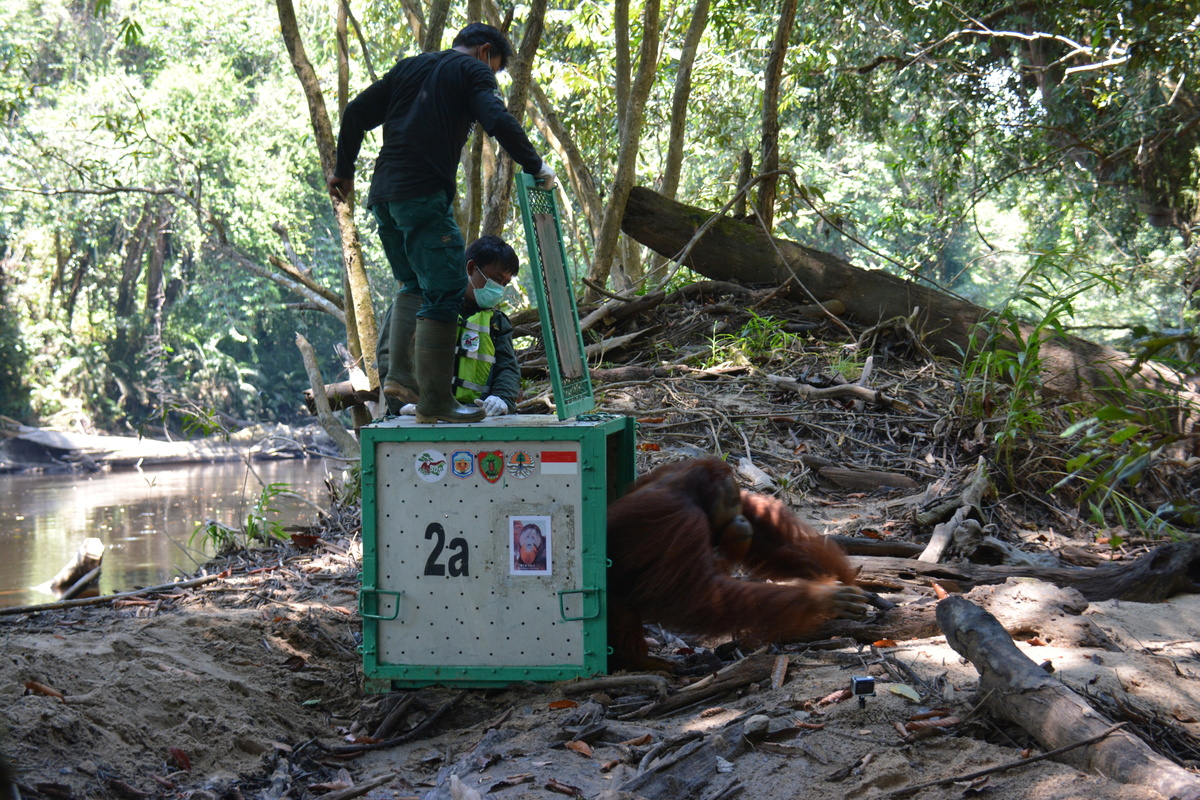
Strada, a 19-year-old orangutan, leaves the cage while being released at Bukit Batikap Protection Forest in Murung Raya regency, Central Kalimantan province, Indonesia, February 16, 2021 in this photo obtained by Reuters on February 22, 2021. Courtesy of Borneo Orangutan Survival Foundation (BOSF)/Handout via REUTERS

Ten orangutans have been released back into the wild in the Indonesian portion of Borneo island, with helicopters used to ferry the critically endangered great apes deep into the forest from rehabilitation centres.

The Bornean orangutans that had all been in captivity before their rescue included Nenuah, a 19-year-old female who was repatriated from Thailand, according to the Borneo Orangutan Survival Foundation (BOSF).
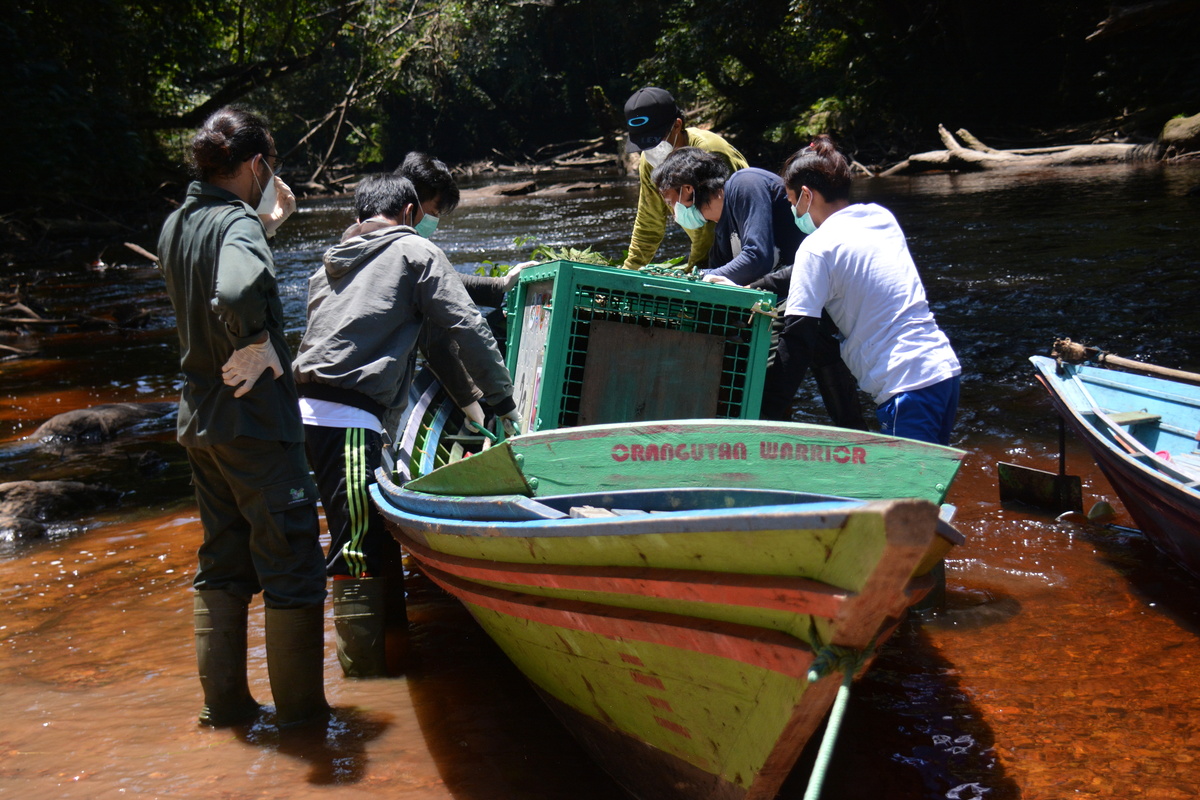
Technicians move the cages with orangutans from a wooden boat while releasing the animals at Bukit Batikap Protection Forest in Murung Raya regency, Central Kalimantan province, Indonesia, February 16, 2021 in this photo obtained by Reuters on February 22, 2021. Courtesy of Borneo Orangutan Survival Foundation (BOSF)/Handout via REUTERS

In total, five males, a mother with two babies, and two other females were released with assistance from Indonesian conservation agencies.

"Using a helicopter is the best way to transport orangutans during the pandemic," said Denny Kurniawan, BOSF programme manager, noting it would have taken three days of driving to reach one drop-off area, adding to the risk of COVID-19 transmission.

Orangutans and other apes are known to be susceptible to human respiratory illnesses, so veterinarians donned protective suits and masks during final medical checkups.
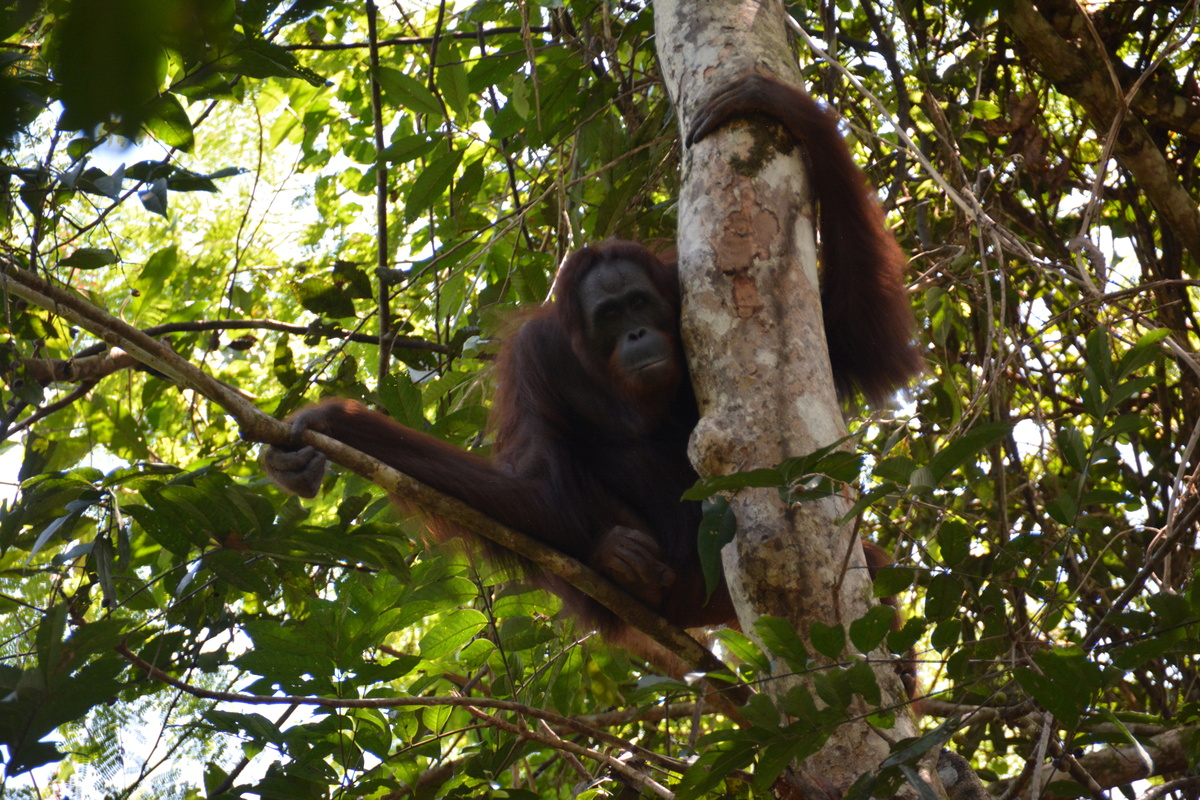
Nenuah, a 19-year-old orangutan, sits in a tree after being released at Bukit Batikap Protection Forest in Murung Raya regency, Central Kalimantan province, Indonesia, February 16, 2021 in this photo obtained by Reuters on February 22, 2021. Courtesy of Borneo Orangutan Survival Foundation (BOSF)/Handout via REUTERS

"Efforts to help curb the spread of the COVID-19 virus have hampered many conservation-related activities," said Handi Nasoka, acting head of Central Kalimantan's conservation agency.

Rehabilitation has been a slow process for other orangutans that arrived at one centre with Nenuah in 2006, the foundation said in a statement, adding that most of the apes have found it difficult to develop the skills needed to fend for themselves in the wild, due to lengthy periods spent in captivity.

There are only estimated to be around 100,000 Bornean orangutans left in the wild, according to the World Wildlife Fund, more than half the population being depleted over the past 60 years.
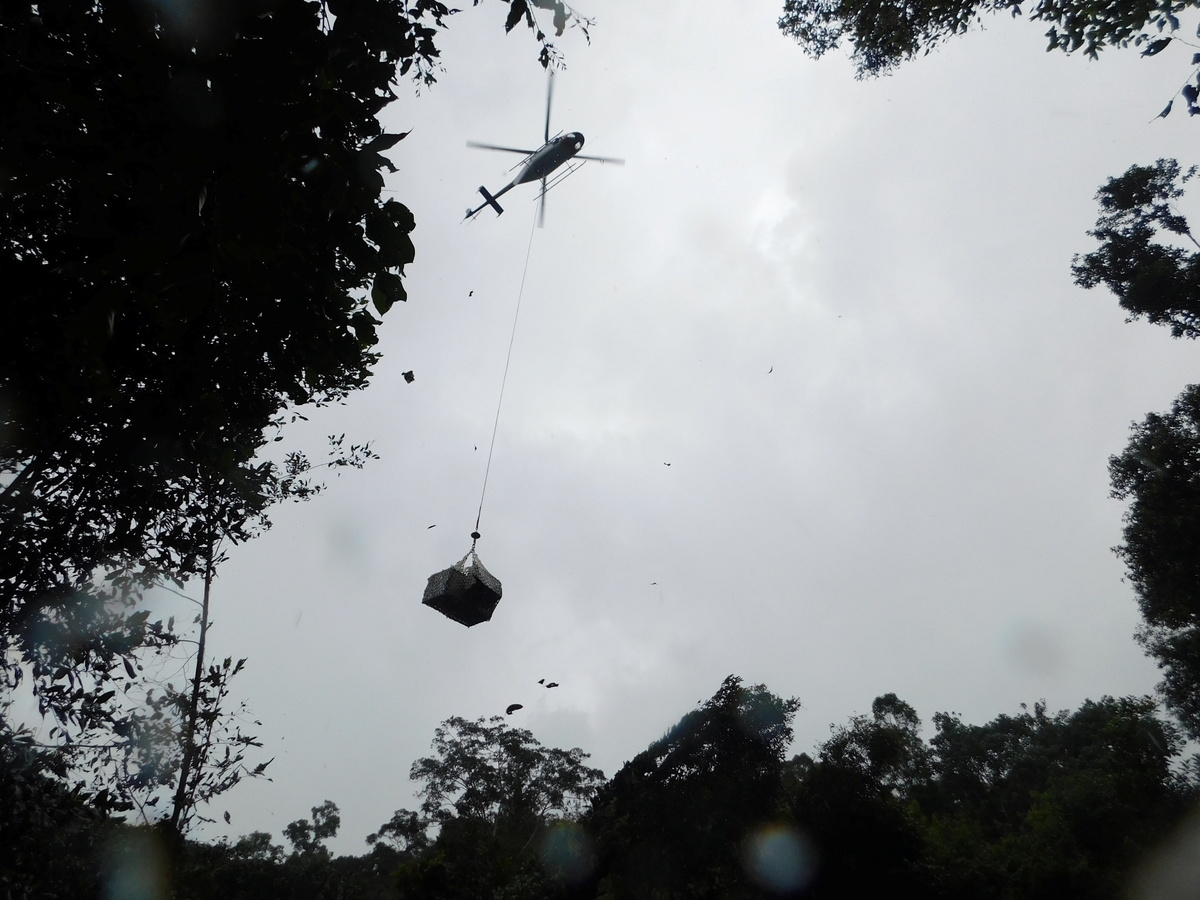
Orangutans are transported in cages by a helicopter to the release site, at Juq Kehje Sewen Island in East Kutai regency, East Kalimantan province, Indonesia, February 18, 2021 in this photo obtained by Reuters on February 22, 2021. Courtesy of Borneo Orangutan Survival Foundation (BOSF)/Handout via REUTERS

They have suffered from illegal poaching, as well as destruction of habitat due to large-scale logging and replacement of forests with cash crops such as palm oil.

(Writing by Ed Davies; Editing by Karishma Singh)
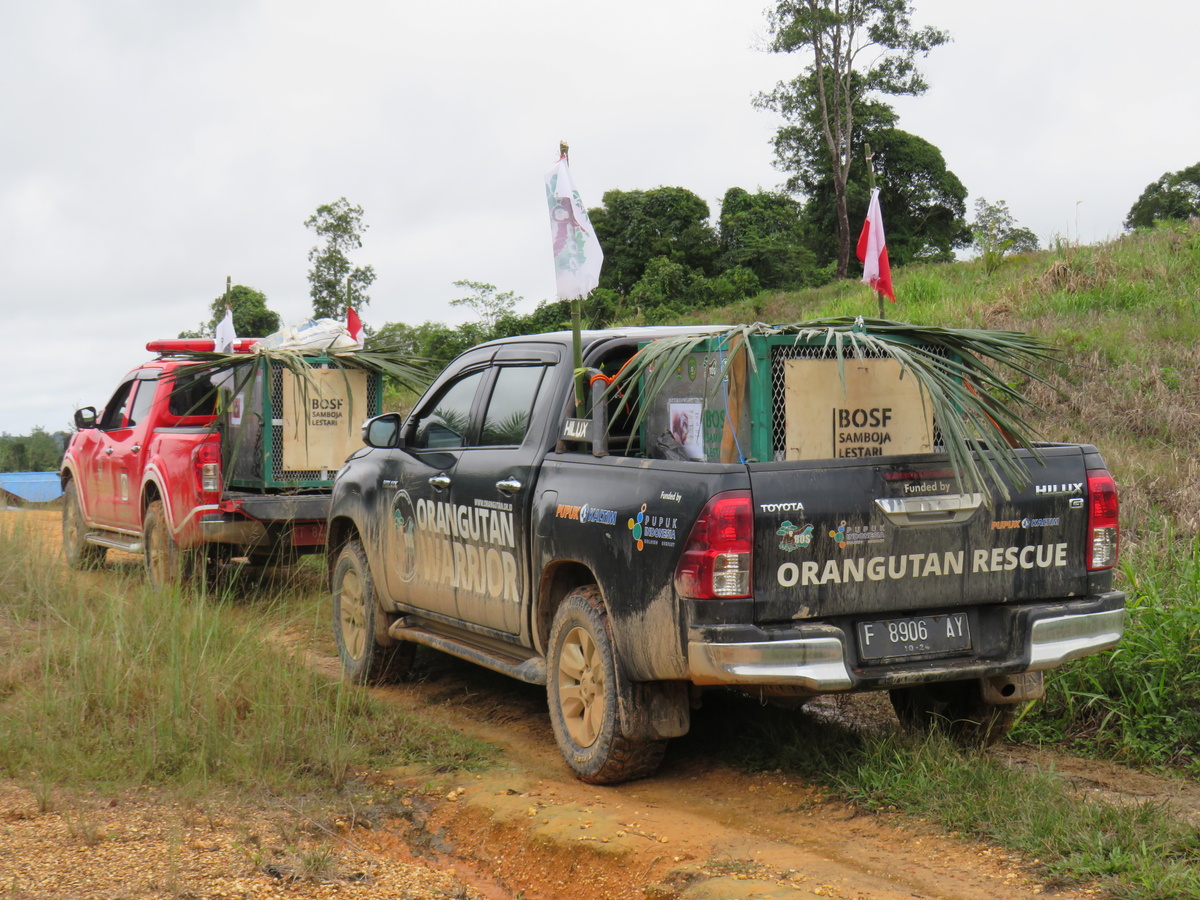
Cages with orangutans are transported on trucks to the release site, at the Juq Kehje Sewen island in East Kutai regency, East Kalimantan province, Indonesia, February 18, 2021 in this photo obtained by Reuters on February 22, 2021. Courtesy of Borneo Orangutan Survival Foundation (BOSF)/Handout via REUTERS
Sign up to read this article
Read news from 100’s of titles, curated specifically for you.
Already a member? Sign in here
Related Stories
Top stories on inkl right now
One subscription that gives you access to news from hundreds of sites
Already a member? Sign in here
Our Picks
Fourteen days free
Download the app
One app. One membership.
100+ trusted global sources.