HYDERABAD: The Covid-19 pandemic has resulted in an increase in bio-medical waste in the state, worrying environmental experts as the generation of biomedical waste per day has gone up by 5.5 tonnes everyday to 23,500 kg per day now from around 18,000 kg in 2019.
The Pollution Control Board (PCB) has also alerted the health department at state and district levels over the increasing biomedical waste with a caveat to ensure all measures are undertaken to esnure safety standards.
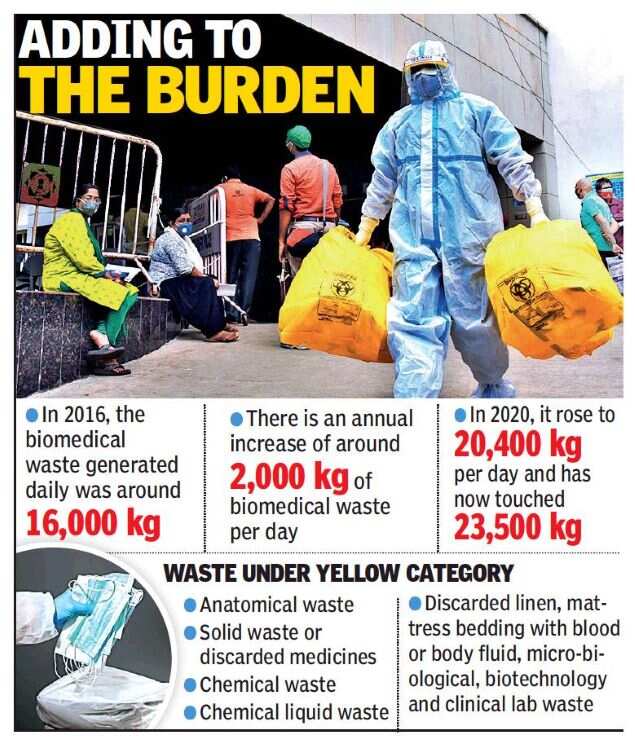
In 2016, the biomedical waste generated daily was around 16,000 kg. There is an annual increase of around 2,000 kg of biomedical waste per day. In 2020, it rose to 20,400 kg per day and has now touched 23,500 kg. This is a steep rise of another 1, 500 kg waste per day.
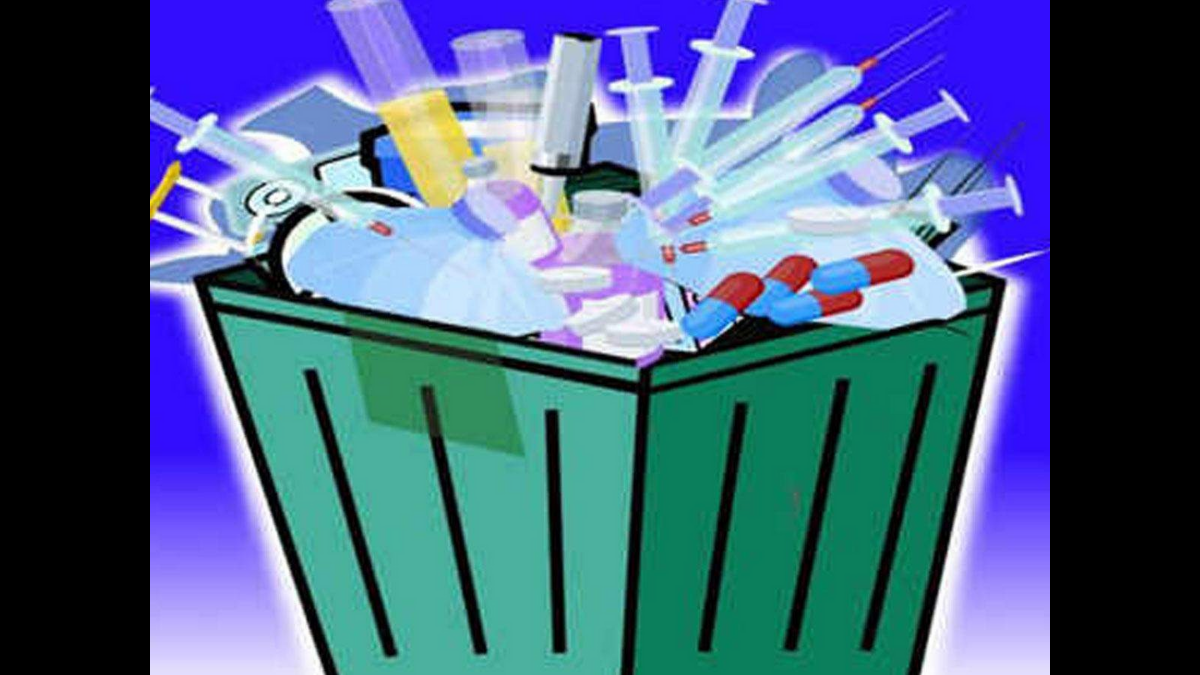
Officials say that the biomedical waste generation has increased for various reasons. “One of the main reasons could be that hospitals are more regularly using Covid-19 related equipment like PPE kits, masks, gloves as well as general equipment used in other procedures. They may be using single-use needles and plastic items due to Covid-19,” an official said.
Biomedical waste is of four types— red, yellow, white and blue. Most of the items used in Covid-19 treatment fall mainly under the red and white categories. Red category includes contaminated waste (recyclable), plastic and rubber and white category includes metallic sharps.
Except for the ‘yellow’ biomedical waste, rest of the categories can be recycled after due technical process involving elaborate treatment. The yellow category contains human anatomical waste, whereas the blue category includes glassware and metallic implants.
Environment and forest minister A Indrakaran Reddy said that a good disposal system for biomedical waste is in place with 11 private plants doing the job. “The biomedical waste is well taken care of, we are regulating the process,” he said. Staff from these plants go to the hospitals and collect the material for treatment in the required manner and the process is monitored by the PCB.