Two teenage boys have been sentenced to four years’ youth detention for raping and filming sex attacks on teenage girls after their punishments were ruled unduly lenient.
Judges ruled the non-custodial sentences handed down for the attacks in Fordingbridge, Hampshire - which sparked a public outcry - were not tough enough.
The boys, both now 15, were sentenced to four years in a young offenders institute and given indefinite restraining orders after the case was referred to the Court of Appeal by the Attorney General Lord Hermer.
In a statement the families of two girls who were raped said they are “deeply grateful” and “relieved” at the reviewed sentences.
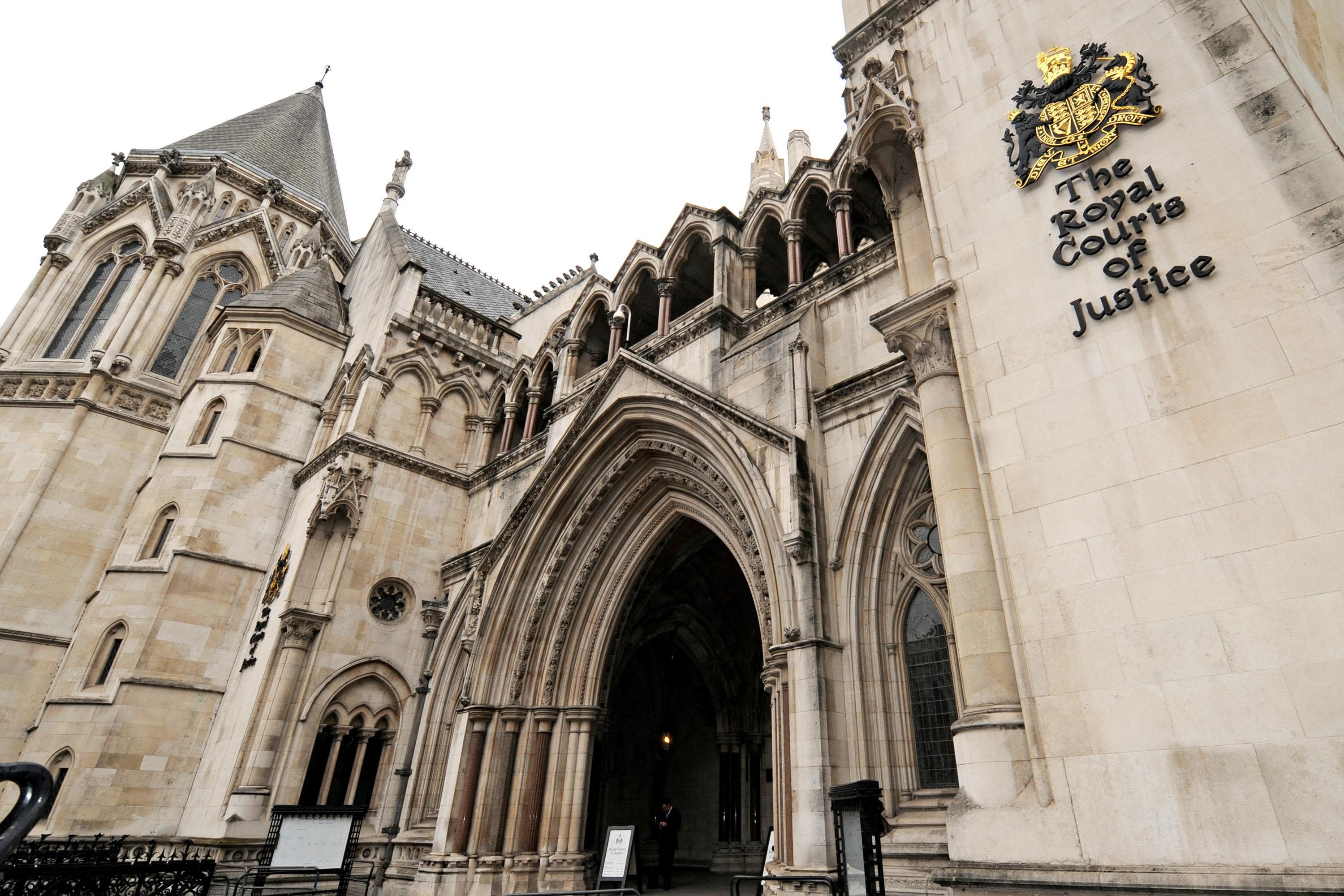
A panel of judges led by Lady Chief Justice Baroness Carr quashed the two boys’ previous sentences of a three-year youth rehabilitation order (YRO) with 180 days of intensive supervision for raping and filming the abuse.
Addressing the teenagers - known as X and Y for legal reasons - on Thursday, Baroness Carr said: “We have decided that we do need to change your sentences and both of you do need to go into detention.”
She added: “What you did was so bad that we have no other choice.”
The judges upheld the sentence for a third boy, aged 14, known as Z, who received an 18-month YRO after he encouraged the rape of the second victim. Addressing Z, Baroness Carr said: “We have decided that because you were very young and find some things really very difficult to understand, and because you were only involved on one occasion, we do not need to change your sentence.”
The boys attended the hearing via videolink from Southampton Crown Court to hear their new sentences handed down.
Baroness Carr said that while the sentencing judge, Judge Nicholas Rowland, faced a “difficult sentencing exercise”, a custodial sentence for X and Y was “unavoidable” because of the “the fact that they repeated their behaviour after the first incident”.
She added the panel found he had “failed to take sufficiently into account the ages and the vulnerabilities of the complainants and the psychological effect upon them” which she described as “severe”.
The parents of one of the victims said that while they were relieved by the new sentences, it would not undo the damage that was done to their daughter.
One mother told Sky News there was “a certain amount of relief”, but said that “as a mother, it could never be enough.”
“[She] is not doing well, but she will, I think. I think today will be a landmark change for her that she can now finally understand that standing up and saying something has got her somewhere.”
Asked what her daughter thought of the sentence, her mother said: “Relieved there was some change. I think the most relevant thing is the lifetime restraining order; that was the biggest change in her mind.”
Barrister Charlotte Proudman, who represented the family, told the broadcaster: “To suggest and to even state that the boys should not be criminalised unnecessarily for heinous acts of rape and videoing rape is so incredibly wrong.”
She said the changed sentences “send out a strong message to society that rape, even perpetrated by children, will not be tolerated.”
In the Court of Appeal’s 52-page full judgment, Baroness Carr said statements from the two girls “spoke of enduring distress and despair”, but Judge Rowland “did not explain why he found that this material did not prove severe psychological harm”.
She continued: “It appears that he may have placed substantial weight on his own impressions formed during the trial.
“He was entitled to take that into account, but great care is required before allowing that impression to lead to the rejection of evidence of the kind we have described.”
But she said the panel had declined to find either X or Y were a “dangerous offender” because their young ages meant there was a “real prospect of rehabilitation”.
Following the hearing, the families of the two girls known as C1 and C2 issued statements.
The first said they are “deeply grateful and relieved” by the Court of Appeal Judges’ decision to increase the sentence and are “thankful” their voices were heard.
“While nothing can undo our family’s anguish, this outcome brings a greater sense of justice and accountability.”
The second family said the original sentences were “devastating” and welcomed the decision to impose custodial sentences.
“While no sentence can undo the trauma she has endured, today’s decision gives us a greater sense that justice has been served and that those responsible have been held properly accountable,” they added.
“We are immensely proud of our daughter’s courage and strength throughout this long and difficult process. We hope this outcome reassures other victims and survivors that their voices matter and that the justice system can correct decisions that do not adequately reflect the seriousness of these crimes.”
At a hearing on Wednesday, Tom Little KC, for the Attorney General, argued that the “only appropriate sentence” for the three boys was detention.
He acknowledged that Judge Rowland oversaw a difficult sentencing exercise for the child offenders. But he argued his assessment of harm and culpability was "fundamentally flawed”.
Mr Little also accused the judge of adopting a “significantly outdated” approach. The barrister said that the judge correctly said that previous consensual sexual activity with victims was not mitigation, but appeared to wrongly find that the offenders had reduced culpability.
In his sentencing remarks, Judge Rowland noted that the second defendant, known as Y, had an IQ in the bottom 1 per cent, ADHD and could not cope with ordinary schooling. His mother had described him as being more like an eight-year-old boy.
Judge Rowland said he was “quite sure” that Y’s culpability “was reduced as result of his profound impairments”.
The third and youngest boy, Z, was also found by a psychologist to have "very low intellectual capacity", the sentencing judge remarked.
Clare Wade KC, for X, had argued a youth rehabilitation order provides the “most effective way of protecting women and girls in future by preventing future offending”.
Edward Henry KC, for child Y, said the teenager - who was 14 at the time of the attacks - had been made a “pariah” as a result of the media attention on the case and his family have been advised to move.
He told the court the public was “substantially misinformed” by an error included in the Crown Prosecution Service’s press release on the case, which wrongly claimed one of the attacks had taken place at knife point.
“Y behaved deplorably and disgracefully and he of course deserves to be punished,” he said. “But the public outcry and the opprobrium and the sheer force of hatred on social media and the like has gravely exacerbated his punishment since 22 May.”
Tracy Ayling KC, for child Z, who was 13 at the time of the offending, argued custody should be a “last resort”. She said he had been too scared to leave home after the inaccurate CPS press release was issued.
Responding to the increased sentences, Mr Hermer KC said: “Rape is a horrifying crime, and one that our justice system should and will punish severely. I welcome the Court of Appeal’s decision to increase the sentences of the two boys, resulting in their detention.
“No one should have to endure what the victims went through, and I commend their bravery in coming forward and campaigning for justice. This government will continue to do everything it can to tackle violence against women and girls.”
Justice minister, Jake Richards said: “I welcome today’s judgment from the Court of Appeal. These were appalling crimes, and I pay credit to the victims for their courage in coming forward.
“This demonstrates that the Unduly Lenient Sentence Scheme can work. That is what victims and the public rightly expect.”
Subscribe here to get the latest updates from The Independent