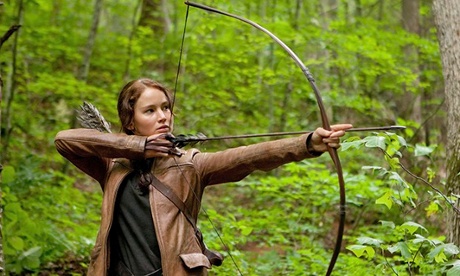
Sometimes I worry that we will lose our connection to the natural world. According to the UN, 54% of the world’s population lives in urban areas, and that’s expected to rise to 66% by 2050. So in the future it looks like most of us will live in small, built-up areas of the land surrounded by technology. So what about our wild side? Well, it’s certainly explored in many of the young adult dystopian novels I read which express the freedom that the wild can give us, despite the restrictions put in place by society.
Take The Hunger Games by Suzanne Collins. The forest is where Katniss can be herself, finding peace and balance and recharging herself. You could even say it reflects her soul.
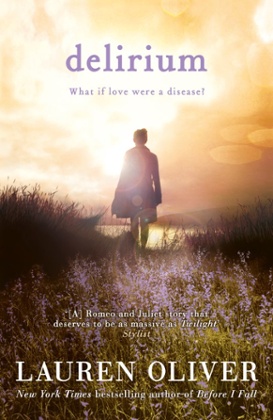
In some dystopias, such as Delirium by Lauren Oliver, the natural environment represents a potential future, a way forward for society while also bringing society back to its fundamental basics, and back to nature.
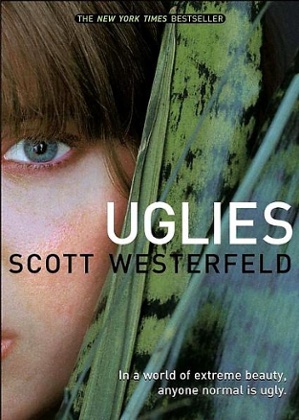
In Uglies by Scott Westerfeld, in which society is built on plastic surgery and fake model looks, the wild is a way of connecting to the past and the secrets it holds. As the story evolves and ventures out of an urban setting, we see how nature has reclaimed the land with train tracks uprooted by trees and covered by undergrowth. This atmosphere compares dramatically to the crazy, quick fix feel of the society, and offers a sense of calm in the fast-paced flow of the book.
In other dystopias, the countryside provides natural, renewable energy sources or food - check out Divergent, with Amity (the peaceful faction of the divided society) equipping civilisation with the nourishment needed to sustain the ebb and flow of the urbanised culture.
The Wild trilogy (not quite dystopia and aimed at 8-12s, but I like it so will include it anyway!) by Guardian children’s fiction prize winner Piers Torday, shows how nature can give us the key to finding ourselves if we reconnect to the natural world. The “Wildness” throughout the book teaches us the need to conserve what we have now in order to live to see the future. It also comments on how animals can offer us a sense of security and companionship amid a society which risks becoming ever more isolating and isolated as technology advances.
I want to do what I can to learn from these books. I think being close to the wild is an essential part of being human. I don’t want to have any part in destroying what continues to thrive around us. So let’s continue to enjoy what these books have to offer us in the form of an escape from today - and a vision of what could be in store for us if we don’t take action to change what the future holds.