Teen overdose deaths in the US involving fentanyl have more than tripled in the last three years, according to a new study. That’s even though overall teen drug use remains at historic lows.
There were 253 fentanyl-related overdose deaths in 2019, according to the study from UCLA and Harvard researchers, published on Tuesday in the Journal of the American Medical Association. That figured jumped to 884 in 2021.
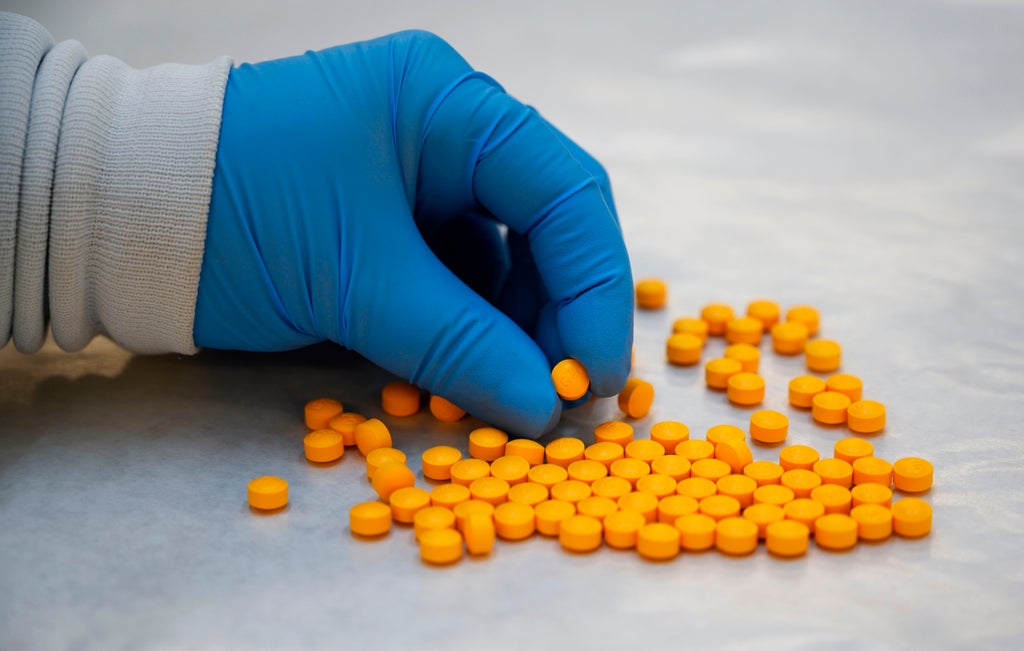
The increase in deaths is related to an increase of fentanyl, a synthetic opioid that’s cheap to produce and 50 times more potent than heroin, being passed off as other drugs on unsuspecting customers.
“Since 2015, fentanyls have been increasingly added to counterfeit pills resembling prescription opioids, benzodiazepines, and other drugs, which adolescents may not identify as dangerous and which may be playing a key role in these shifts,” the study’s authors write.
Last year, fentanyl played a role in more than three quarters of adolescent overdose deaths, and the impacts of these overdoses was felt disproportionately in the American Indian and Alaskan Native populations.
"This is not coming from more teens using drugs. It’s actually coming from drug use becoming more dangerous," study author Joseph Friedman, a researcher studying medicine and medical informatics at the University of California, Los Angeles, told CNN. "We need to update their understanding so that they know that pills are actually becoming the most dangerous thing.”
Advocates suggest solutions like better public education for teens around the risks of opioids, and harm reduction approaches like the distribution of drug test kits and emergency overdose prevention tools like Narcan, and avoiding excessively punitive drug punishments for youth that isolate them from their social safety net.
Long-term investments in better mental and public health infrastructure would also make a big difference, Scott Hadland, Chief of Adolescent Medicine at Massachusetts General Hospital, argued.
“Without a forward-looking strategy that is PROACTIVE (invest in kids’ mental health) rather than solely REACTIVE (focusing solely on overdoses, rather than their underlying causes), we will be living with a worsening addiction crisis for decades to come,” he wrote on Twitter on Tuesday.
He noted that both opioid addictions, and opioid interventions, can begin early, though opioid use is stigmatised and paediatricians could be better trained to discuss and test for teen drug abuse.
Wider investments in poverty reduction and increase teen opioid treatment—2 in 3 counties lack any—are also encouraged, Mr Hadland added.
“Teens and families need housing, income, food, education, employment. Without these things, addiction follows.”