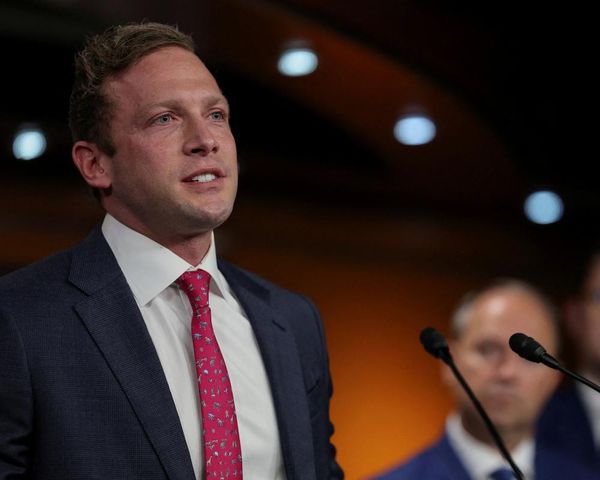
Republican Senator Ted Cruz has publicly acknowledged that there was no credible or current intelligence showing Iran was close to developing nuclear weapons at the time of the recent US‑Israel military campaign.
In an interview on CBS News's Face the Nation, Cruz said he 'had no indication' that Tehran was near a nuclear arsenal because previous strikes had severely damaged Iran's capabilities.
His remarks have intensified questions if Washington overstepped in launching the offensive prematurely or without solid justification.
Cruz's Comments on Intelligence and Nuclear Threat
During a Sunday interview with Face the Nation host Margaret Brennan, Cruz was asked directly about the current state of Iran's nuclear programme and the intelligence behind it.
He acknowledged that while Iran had pursued nuclear ambitions in the past, there was no contemporary evidence suggesting it was close to detonating a weapon.
Cruz said that US and Israeli strikes during last year's 12‑Day War had 'devastating' effects on Iranian nuclear facilities—including places like Fordow, deep inside a mountain which at the time were believed to house enrichment infrastructure.
Because of those attacks, he said, there was no reliable indication Iran was near nuclear weapons at the time of the latest offensive.
'I have no indication that they were anywhere close to getting nuclear weapons, because our bombing was devastating,' Cruz told Brennan, explaining that the strikes had set back Iran's programme significantly.
This assessment aligns with recent reports from international nuclear authorities that Iran's key nuclear sites remain damaged and largely unable to resume enrichment. Still, concerns over missile development persist.
Trump's Attack on Iran Faces Congressional Pushback
Cruz's admission comes as senator find justification for the military action against Iran.
US President Donald Trump and his allies have long cited the need to prevent Iran from acquiring nuclear weapons as a central reason for offensive operations. However, Cruz's comments suggest that while Iran may have had a nuclear programme in the past, current intelligence did not show an imminent capability.
In closed‑door briefings to Congress, Trump administration officials also conceded there was no indication Iran was preparing an imminent strike on US forces before the offensive.
One comment from the subreddit discussion said: 'Tel Aviv Ted has always known there was never any nuclear weapons threat.'
However, not a lot of people believe in Cruz's statement. In another comment, one user said 'Did you see Cruz's interview with Tucker Carlson? I hate them both but it proved that CRUZ DOESN'T KNOW JACK FUCK ABOUT IRAN.'
Regardless, these revelations have fed criticism from lawmakers on both sides of the aisle. Some Democrats have labelled the campaign a 'war of choice' that lacks clear congressional authorisation or a definitive threat assessment.
Others have warned that removing Iran's leadership and infrastructure without solid evidence of immediate danger risks long‑term instability and further conflict.
Peace Talks a 'Failure'
Cruz also criticised recent talks with Iran, saying they had been a complete failure. He claimed Iranian negotiators refused to stop enriching uranium or to curb support for militant groups like Hamas, Hezbollah, and the Houthis.
But more than anything, his comments show a clear split in Washington: some leaders want strong military action, while others argue for careful use of intelligence and diplomacy.
This disagreement has become more obvious as Americans remain divided, and the conflict has already caused casualties among US service members.
The International Atomic Energy Agency (IAEA) has also weighed in, reporting that radiation levels at Iran's nuclear sites do not show new weapons production, and that many damaged facilities are still not in use.