Technology in developing countries: creating opportunities and impact - in pictures
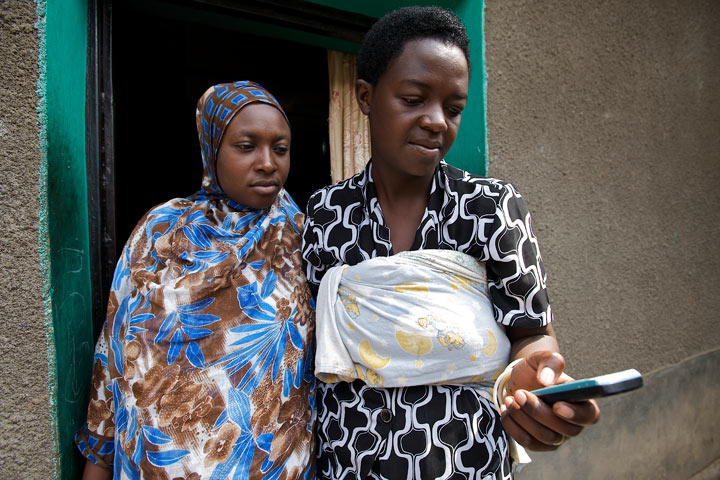
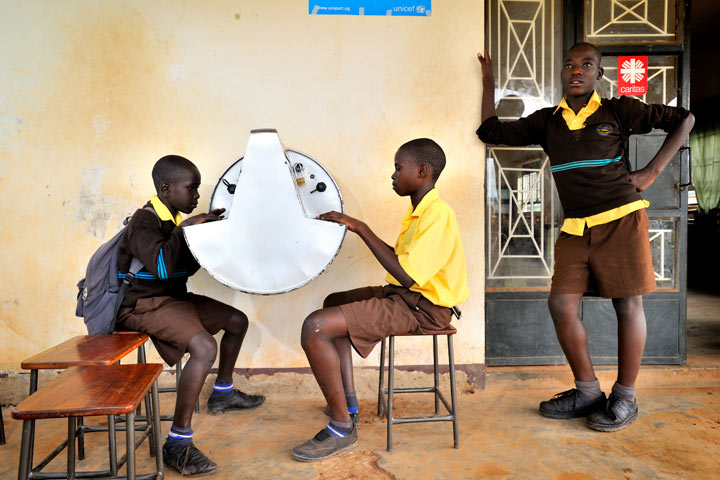
Children practice with their new digital cameras. They are some of the 20 participants in the UNICEF photography workshop at the Centre culturelle franco-nigerienne, (CCFN) in Niger’s capital Niamey. The workshop was facilitated by international photographer Giacomo Pirozzi in March, 2011. Children attended from the eight districts of the country. Photograph: UNICEF/PirozziA community health worker sends a Rapid SMS message for an ambulance from the house of Assuma Mukandoli who is giving birth for the first time, in the city of Musanze in northern Rwanda. Rapid SMS scheme is a joint initiative between UNICEF, UNFPA and WHO. Through this programme, the Rwandan government is giving out hundreds of mobile phones in an attempt to protect pregnant women and babies. Nearly 500 volunteer community health care workers in the rural district of Musanze have been given free phones so they can keep track of all the pregnant women in their villages. Photograph: UNICEF/NooraniYoung Ugandans gather around to use UNICEF’s unique innovation, the solar-powered Digital Drum, at Bosco Youth Centre in Gulu, Uganda. About 10% of Ugandans currently use the internet, and a majority of them live in rural settings with little to no access to information across areas of health, education, job training, and protection from violence and abuse. The poorest, most isolated and vulnerable children and youth are hit hardest from this lack of access when they do not benefit from crucial services and resources that could improve their health, safety and future. In response, UNICEF is developing these rugged computer kiosks that will serve as information access points aimed at youth and their communities. The computers will be pre-loaded with multimedia content on health, job training, education opportunities, and other services. The innovation is being developed and tested in Uganda by UNICEF’s Technology for Development unit. Photograph: UNICEF/Tylle
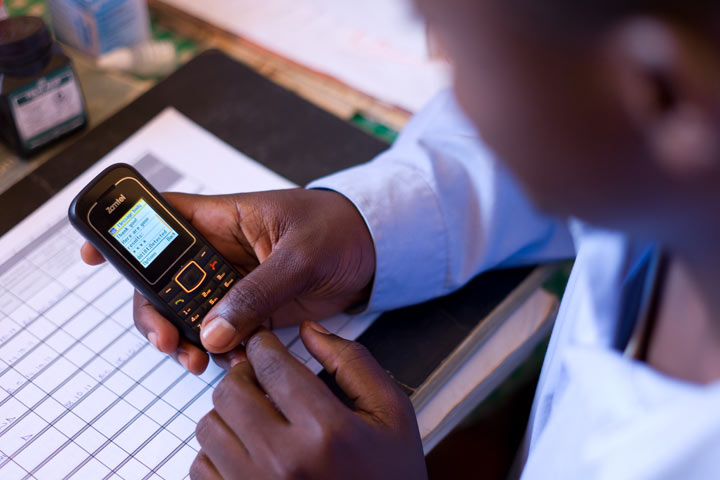
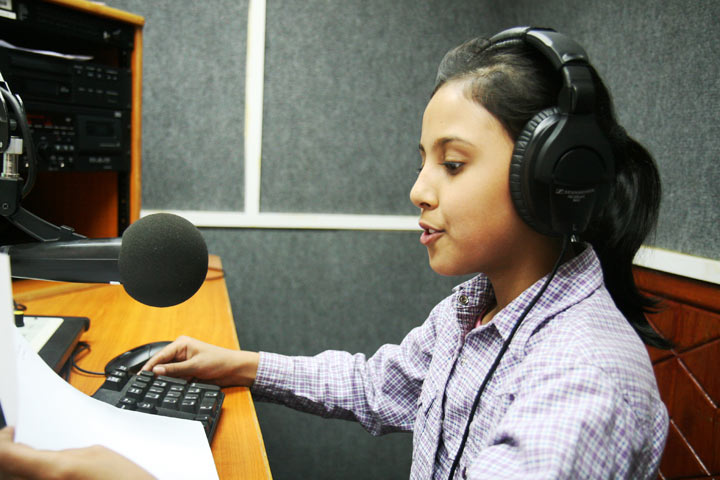
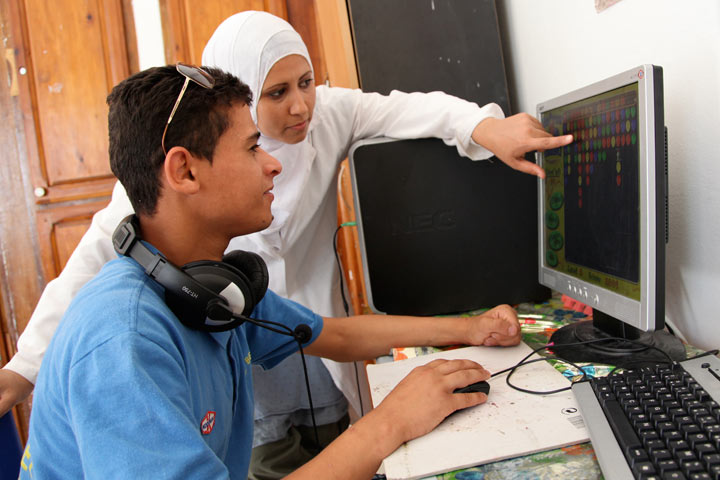
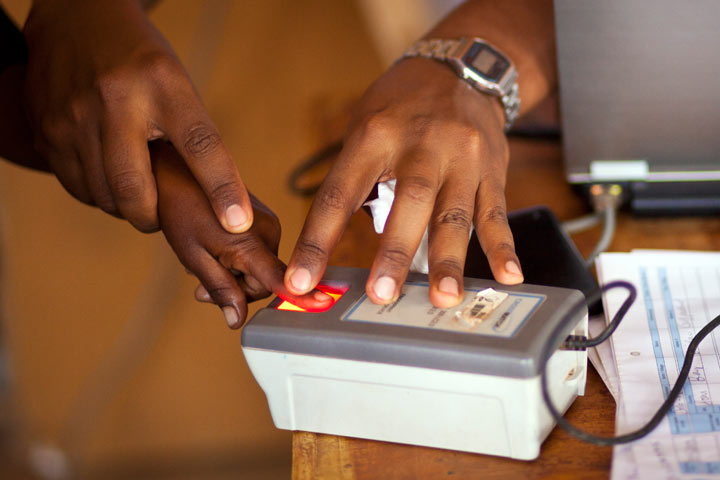
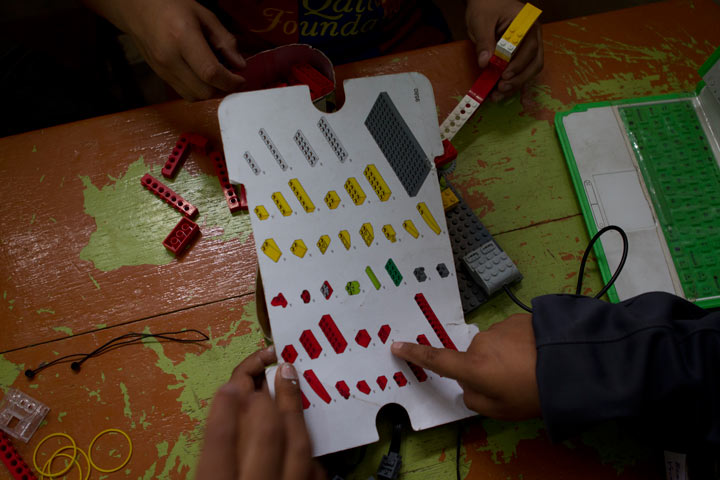
Zgambo Bede Majiwaka, health worker at the Nameebo Rural Health Centre accesses SMS technology to receive the results of a early infant diagnosis test in Zambia's Southern Province. The volunteers are trained to use SMS technology known as Remind MI (Remind Mother and Infant) in delivering results and reminders to clients of the rural health centre. Photograph: UNICEF/NesbittGhezal, 12, presents a weekly radio programme called Child's Home Radio Magazine funded by UNICEF in Afghanistan. This radio programme of 30 minutes in Pashto and Dari (Afghan national languages) on child rights, was started in 2011 to raise awareness on the rights of children, and communicate to families and communities that a child needs a supportive environment to develop at the best of his or her ability. Photograph: UNICEF/FroutanAdel, 17, uses a computer at Assanad, a centre for children with disabilities, in Tunisia. As an infant, Adel was abandoned by his mother. He then spent part of his early childhood in an orphanage before moving to Assanad, where many residents have been orphaned, abandoned or come from poor families. Adel has said he will study, find a job and work hard to become financially independent. Assanad, which means ‘support’ in Arabic, is run by the Institution of the Ministry of Social Affairs. UNICEF supports the training of the centre’s staff and social workers. Photograph: UNICEF/PirozziA Somali refugee boy, who recently arrived with his family, is digitally fingerprinted using a mobile scanner, during registration at a transit centre in the Dollo Ado area of Ethiopia’s Somali Region. UNICEF joined with the Ethiopian Administration for Refugees and Returnee Affairs (ARRA) and the United Nations High Commission for Refugees (UNHCR) – as well as with other UN, NGO and community partners – to help provide essential services in the areas of health, nutrition, education, water, sanitation and child protection. This includes support for feeding programmes, immunisations, safe water and hygiene practices, early childhood development, school supplies, family tracing, and support for unaccompanied children. Photograph: UNICEF/OseIn November 2012 in Peru, children use a computer and instructional guide to assemble blocks during a science, math and communication class at the UNICEF-supported Francisco Bolognesi School in Ventanilla District. The district includes a town built on sand dunes that is inhabited by poor families. Photograph: UNICEF/Dormino
Sign up to read this article
Read news from 100's of titles, curated specifically for you.