Get all your news in one place.
100’s of premium titles.
One app.
Start reading
Reuters
Reuters
Environment
Tangi Salaün

Tech firm Sigfox develops tiny tracker to help fight rhino poaching

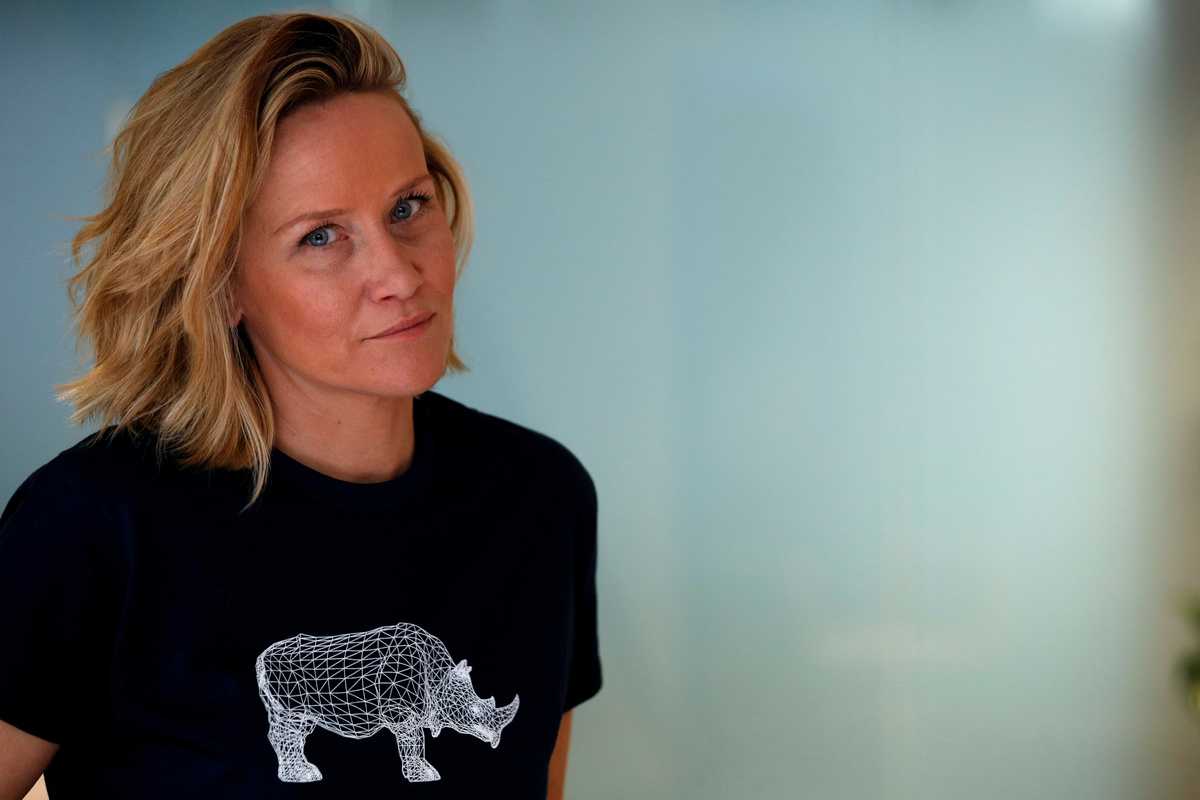
FILE PHOTO: Marion Moreau, Head of Sigfox Foundation, poses during an interview with Reuters at French tech company Sigfox offices in Paris, France, December 7, 2018. REUTERS/Philippe Wojazer

PARIS (Reuters) - French tech company Sigfox has developed a bite-size tracker that can be inserted into the horns of rhinos to help conservationists monitor and protect the endangered species.

With the dramatic decline of animal species in the past century mostly due to poaching and urban expansion, wildlife organizations have turned to technology to help safeguard species being pushed towards extinction.
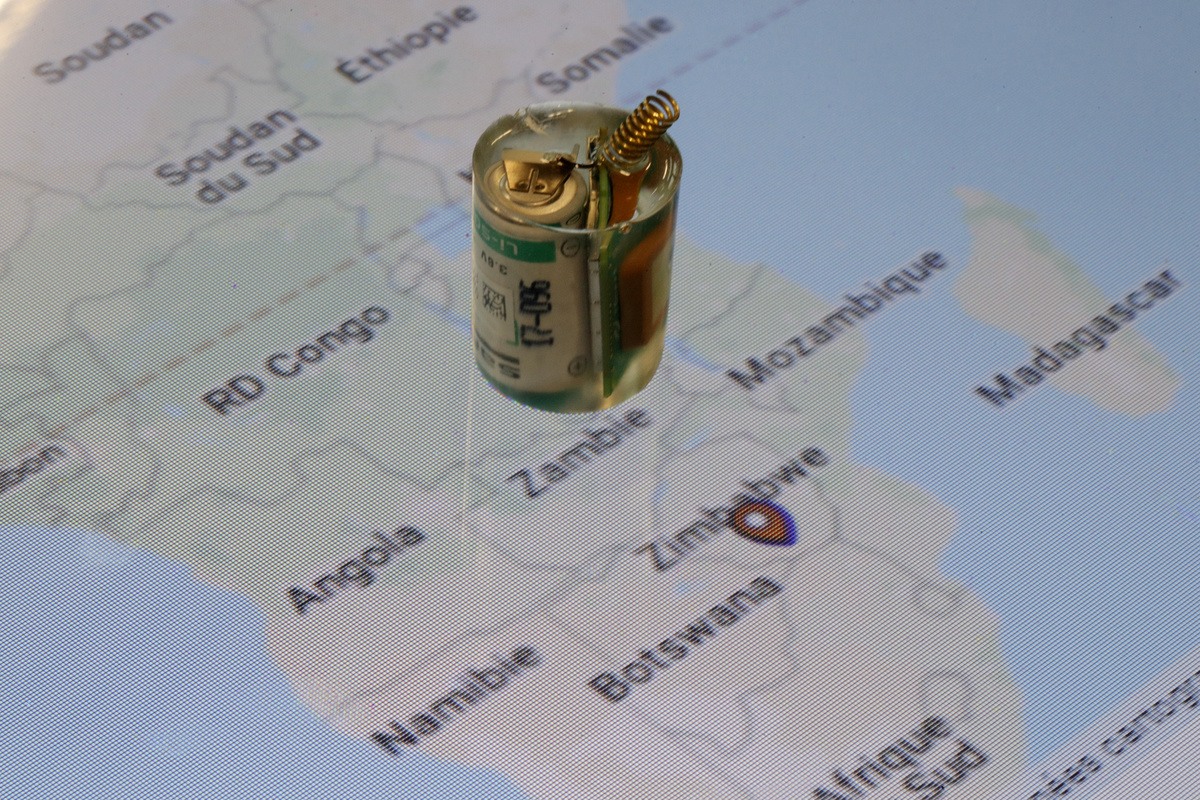
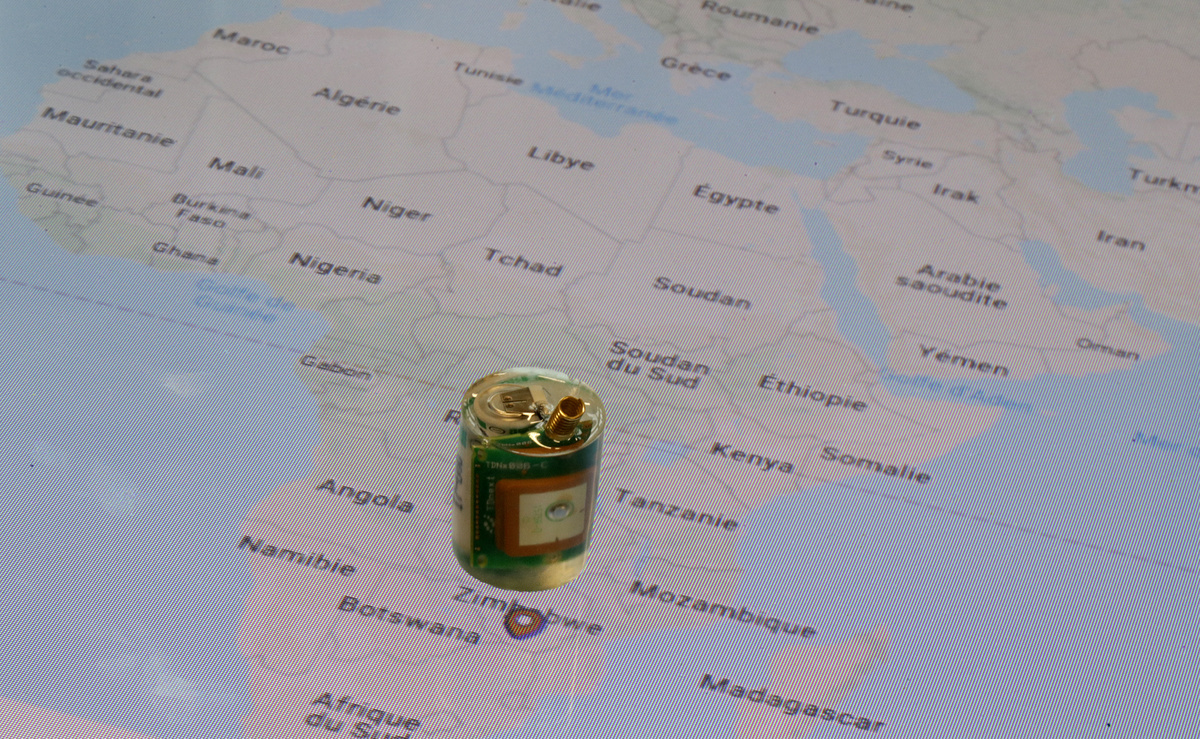
A prototype tracking device, developped for the project "Now Rhinos Speak", is seen on an interactive map used by rangers to monitor the rhinoceroses, at French tech company Sigfox offices in Paris, France, December 7, 2018. REUTERS/Philippe Wojazer

The global number of rhinos dwindled to about 20,000 a decade ago due to relentless poaching, though they have rebounded to about 29,000 thanks to conservation efforts.

Cameras, infrared and motion sensors, electronic bracelets and drones have been used over the years to protect endangered species, but have at times been limited by vast distances and limited resources in the countries concerned.

Sigfox, known for building networks that link objects to the internet, has developed sensors able to give the exact location of rhinos using the firm's network over a longer period of time.

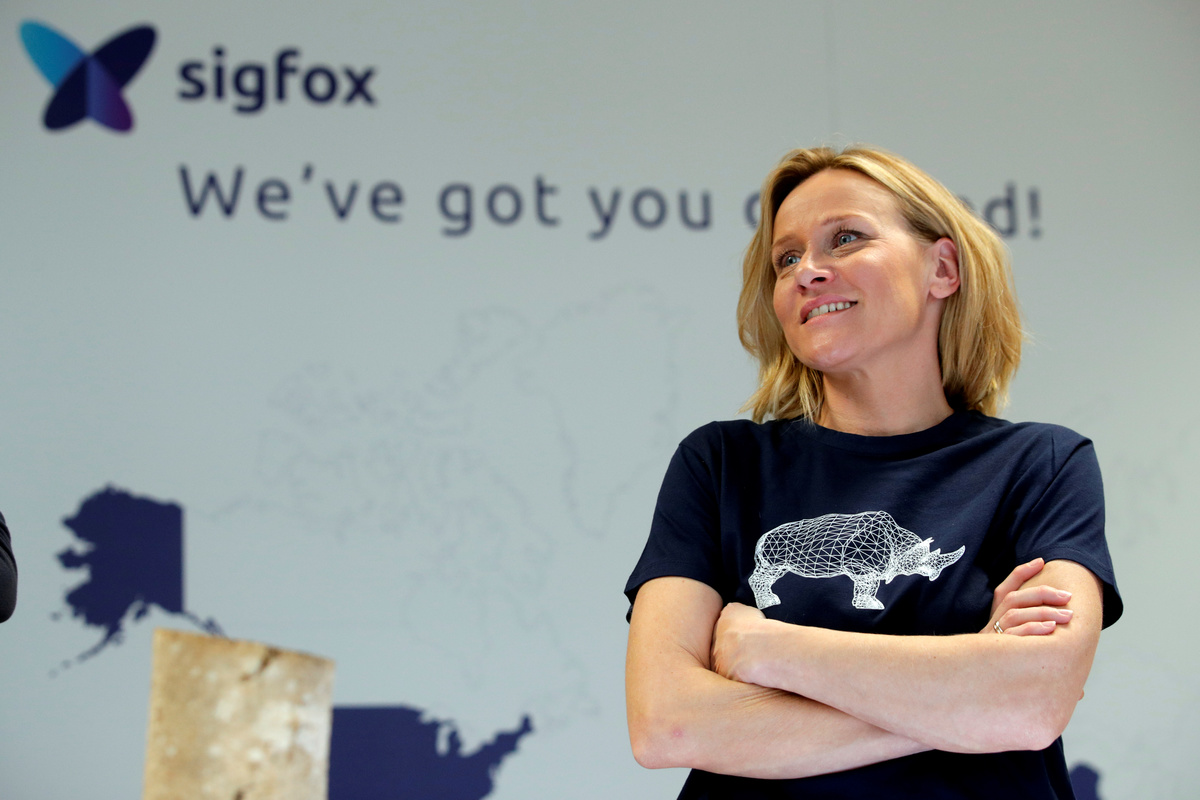
Marion Moreau, Head of Sigfox Foundation, poses during an interview with Reuters at French tech company Sigfox offices in Paris, France, December 7, 2018. REUTERS/Philippe Wojazer

"We now help rangers and conservation experts to observe from a distance, taking less risk, and especially to anticipate potential dangers that the animal could (face)," Marion Moreau, head of the non-profit Sigfox Foundation, told Reuters.

The sensors can alert park rangers when rhinos approach an area identified as particularly dangerous due to previous instances of poaching. Combined with other warning sensors, they can be used to get rescue teams to the location in real time.

"We started a project in Zimbabwe three years ago, inventing a prototype of a captor, inserted in the horn of about 30 rhinoceroses, which emits the exact position of the rhinoceros three times a day, over three years," said Moreau.
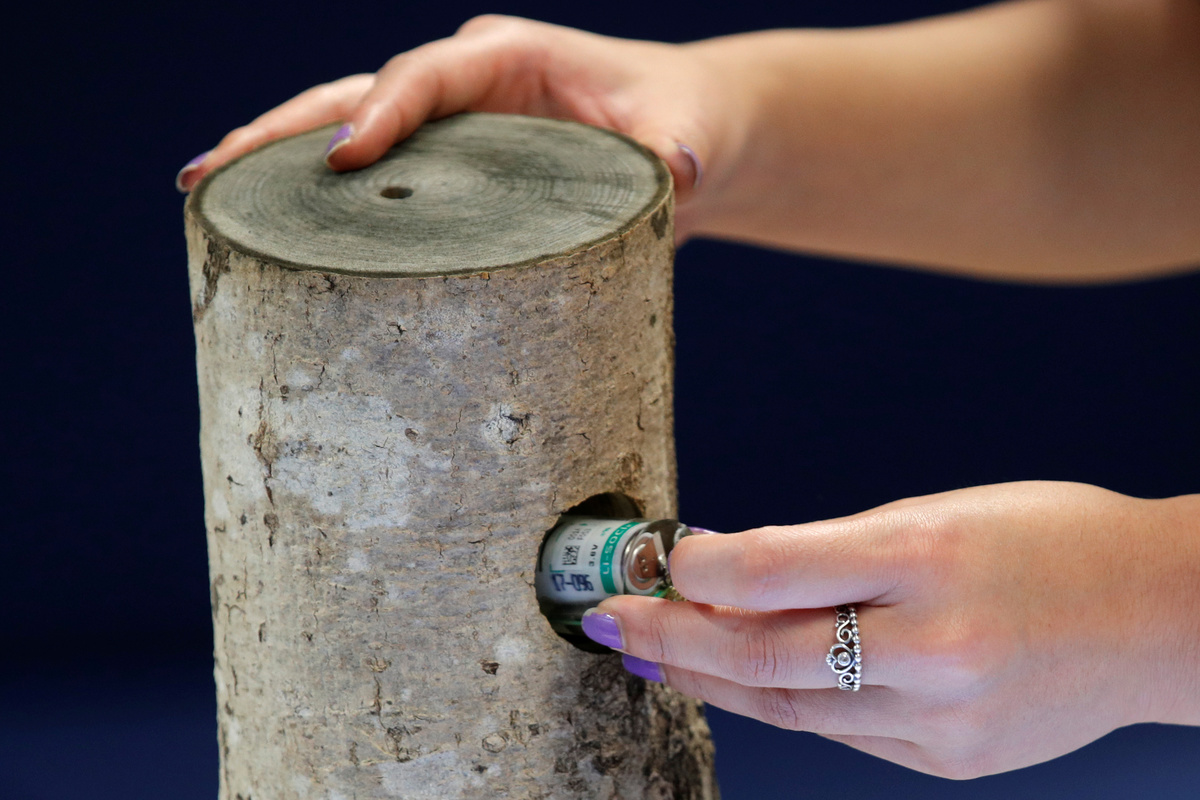
An engineer uses a piece of wood to show how the tracking device developped by the Sigfox Foundation is inserted in a rhino horn, at French tech company Sigfox offices in Paris, France, December 7, 2018. REUTERS/Philippe Wojazer

The Sigfox network uses a specific radio signal which offers more security guarantee than other tracking devices. The sensor only wakes up when it has to transmit data, which makes it immune to interception by poachers, she said.

Moreau said Sigfox intended the trackers to be long-lasting with an autonomous battery-life of around three years. The cost would also be capped at $30 per sensor.

Sigfox worked with conservationists and specialized groups including the International Rhino Foundation in developing the tiny sensor. It is also collaborating with the Jane Goodall Institute, a nonprofit organization that protects primate habitats, in the use of new technologies for conservation.
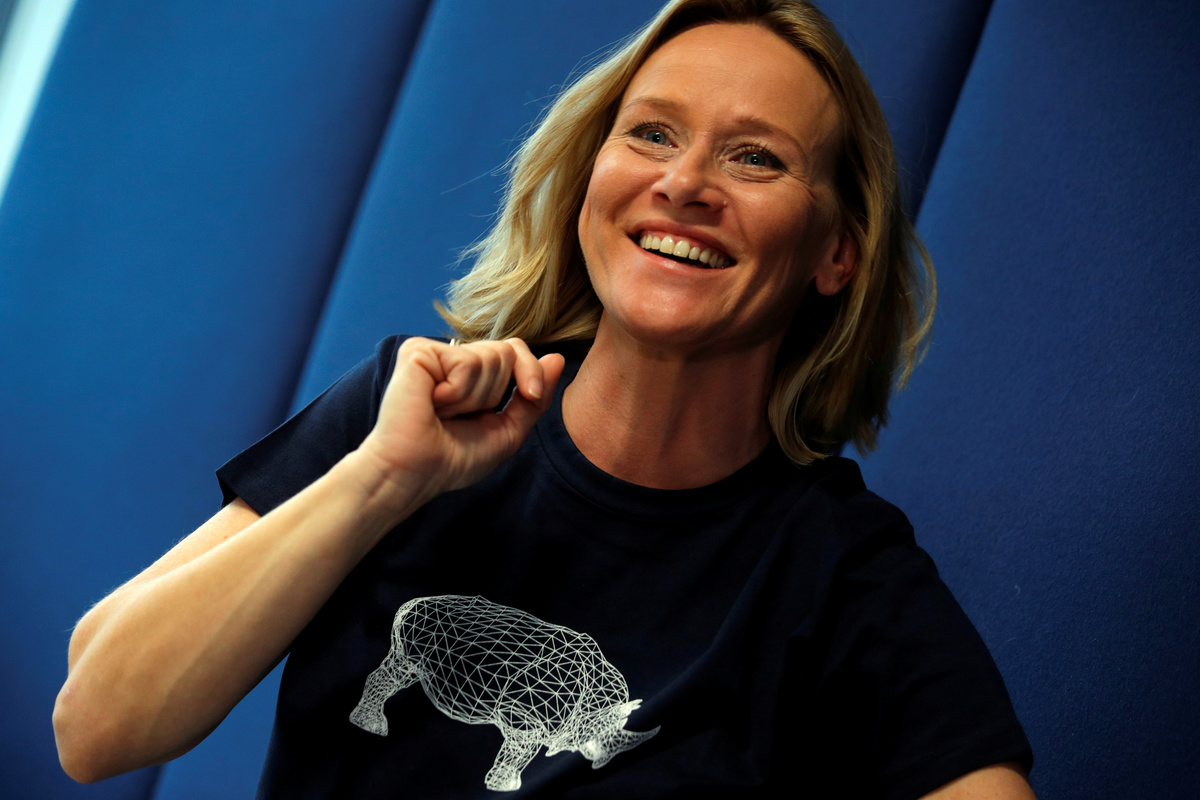
Marion Moreau, Head of Sigfox Foundation, poses during an interview with Reuters at French tech company Sigfox offices in Paris, France, December 7, 2018. REUTERS/Philippe Wojazer

(Writing by Bate Felix; Editing by Mark Heinrich)
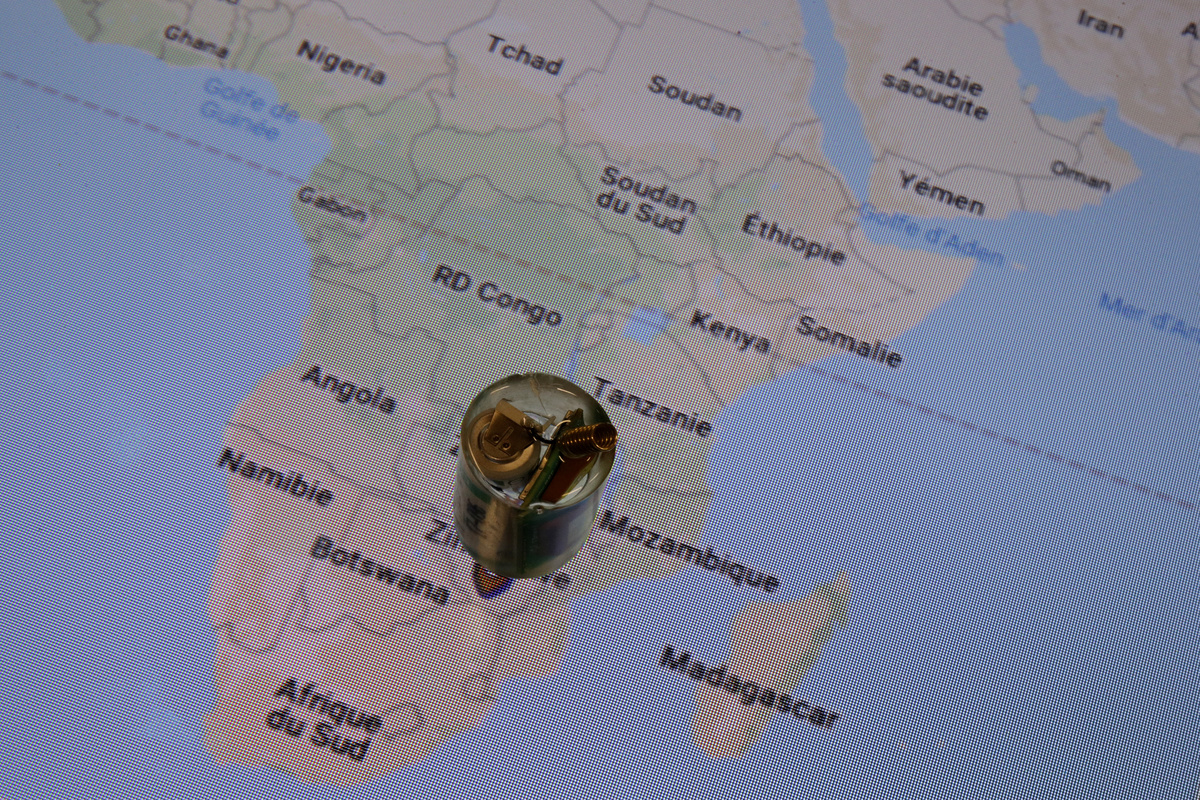
A prototyped tracking device, developped for the project "Now Rhinos Speak", is seen on an interactive map used by rangers to monitor the rhinoceroses, at French tech company Sigfox offices in Paris, France, December 7, 2018. REUTERS/Philippe Wojazer
Marion Moreau, Head of Sigfox Foundation, and engineer Pauline Pham look at an interactive map used by rangers to monitor the rhinoceroses equiped with their tracking device, at French tech company Sigfox offices in Paris, France, December 7, 2018. REUTERS/Philippe Wojazer
A prototyped tracking device, developped for the project "Now Rhinos Speak", is seen on an interactive map used by rangers to monitor the rhinoceroses, at French tech company Sigfox offices in Paris, France, December 7, 2018. REUTERS/Philippe Wojazer
Marion Moreau, Head of Sigfox Foundation, poses during an interview with Reuters at French tech company Sigfox offices in Paris, France, December 7, 2018. REUTERS/Philippe Wojazer
Marion Moreau, Head of Sigfox Foundation, and engineer Pauline Pham look at an interactive map used by rangers to monitor the rhinoceroses equiped with their tracking device, at French tech company Sigfox offices in Paris, France, December 7, 2018. REUTERS/Philippe Wojazer
Marion Moreau, Head of Sigfox Foundation, poses during an interview with Reuters at French tech company Sigfox offices in Paris, France, December 7, 2018. REUTERS/Philippe Wojazer
Sign up to read this article
Read news from 100’s of titles, curated specifically for you.
Already a member? Sign in here
Related Stories
Top stories on inkl right now
One subscription that gives you access to news from hundreds of sites
Already a member? Sign in here
Our Picks
Fourteen days free
Download the app
One app. One membership.
100+ trusted global sources.