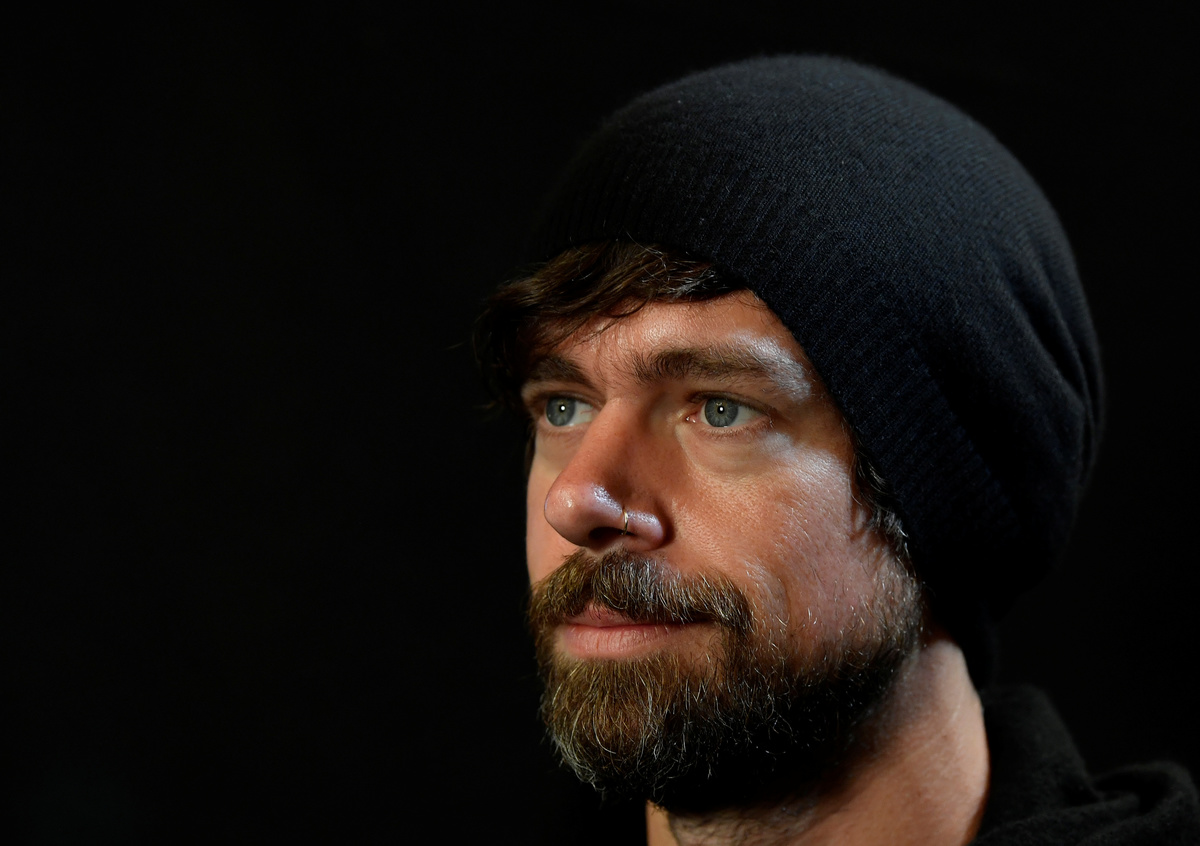
The chief executives of Twitter Inc <TWTR.N>, Facebook <FB.O> and Alphabet Inc <GOOGL.O> will tell U.S. lawmakers at a hearing on Wednesday that a federal law protecting internet companies is crucial to free expression on the internet, according to written testimonies from the companies seen by Reuters.
Section 230, a provision of the 1996 Communications Decency Act, shields technology companies from liability for user-generated content and allows them to remove lawful but objectionable posts. It has come under heavy criticism from Republican President Donald Trump and both Democratic and Republican lawmakers who have been concerned about Big Tech's content-moderation decisions.

Twitter Chief Executive Jack Dorsey will tell the Senate Commerce Committee on Wednesday that eroding the foundation of Section 230 "could collapse how we communicate on the Internet, leaving only a small number of giant and well-funded technology companies."
Dorsey urged "thoughtfulness and restraint when it comes to broad regulatory solutions to address content moderation issues and warned that "sweeping regulations can further entrench companies that have large market shares."
Facebook's Mark Zuckerberg said, "Section 230 made it possible for every major internet service to be built" but added he believes "Congress should update the law to make sure it’s working as intended. We support the ideas around transparency and industry collaboration that are being discussed in some of the current bipartisan proposals."
Zuckerberg also said without the law, tech companies could face liability for doing even basic moderation, such as removing hate speech and harassment.
Alphabet-owned Google's Sundar Pichai said the company approached its work without political bias and was able to offer the information it does because of existing legal frameworks such as Section 230.
"I would urge the committee to be very thoughtful about any changes to Section 230 and to be very aware of the consequences those changes might have on businesses and consumers," Pichai's written testimony says.
In addition to discussions on reforming the law, the hearing will bring up issues about consumer privacy and media consolidation.
Federal Communications Commission chairman Ajit Pai, who said this month he would pursue a rulemaking to clarify the meaning of Section 230, declined to say Tuesday when he might proceed.
"We are not talking about imposing regulations on social media companies," Pai said. "We are talking about interpreting an immunity provision."
Pai also said he did not feel pressure from the White House to act.
On Tuesday, Senator Maria Cantwell, the top Democrat on the Senate Commerce panel, released a report on how big tech platforms have decimated the local news industry, including newspapers and broadcasters.
(Reporting by David Shepardson and Nandita Bose; Editing by Bernadette Baum and Jonathan Oatis)


.png?w=600)