'What made you go into the 'sharing' business?' I'm asked daily. After 20 years in broadcasting, where despite the fact that TV programmes requires teamwork (you need to share to deliver), sharing isn't exactly endemic, I decided that the shortage of sharing in TV was merely a microcosm of the world at large. So I left my six-figure salary behind to do something about it. That was back in 2008 when consumerism had reached an all time high and the financial system lay in tatters.
In my opinion, a shortage of sharing is a large part of what's wrong with the world. But rather than preaching, I looked to my own life; if I could change, then others could too. I was, a hyper consumer and working in the charity sector meant giving up the lifestyle I'd led. Hyper-consumption combined with an increasing population is draining our finite resources. My lifestyle multiplied was not sustainable. So, I gave up my shopping habit and began to share, swap and borrow, buying only what I need and buying things secondhand - and so sharing the lifecycle of the product.
Lesson Number 1: Be authentic – walk the talk, live the lifestyle you espouse or how can you expect others to follow suit?
And so, 'Bonanza Benita' as my husband called me, transformed into 'Barter Benita' and The People Who Share came into the world; a campaign with a mission to build a sharing economy.
"How can you make money from sharing?" my dad asked. I needed to figure out how.
One day, walking my dog on Brighton seafront, after hours online trying to swap my unwanted stuff and organise a shared family holiday – it came to me. What if instead of having to search on a multitude of sites, there was one single destination for sharing where all sorts of businesses could be found in one easy to use place? Making sharing easy was key, people don't have time or much money so, compareandshare.com was born.
It would, however, only succeed if backed by a campaign to raise awareness. I took on a multitude of public speaking opportunities to promote the sharing economy. I was driven by purpose and people started to listen. I was happy but broke. And though there were voices around me questioning how I could turn this into a business, I was determined. With the sharing economy estimated to be worth £22.4bn in the UK, 1.3% of GDP and predicted to rise to 15% in the next five years, I knew I was onto something. Led by the 'why' I signed up to the Simon Sinek outlook that people don't by what you sell, they buy why you sell it.
Lesson Two: Let your purpose drive your business.
Sadly, inspiration alone doesn't pay the bills. In February this year I hit a low point when I was buying food with my nine-year-old daughter and my debit card was declined. Despite all the progress, the high profile speaking engagements, crowdshare and sharing economy events, networking, business development, fundraising (UnLtd, The Funding Network), I couldn't even pay the food bill.
I was five months into a bid for funding for Nesta's Innovation In Giving Fund. Competition was fierce and I was up against established organisations, some pre-funded with proof of concept. I was building a sustainable business, I needed seed funding, someone to take a punt on me, on the team I'd built, on The People Who Share and our huge vision.
With family finances reaching a critical point, the impact of a salary-less year was hitting home. The problem was, I was asking people to think about the future; to believe that my vision for a global social impact brand that would bring mass social, environmental and economic change, could be realised.
Passion, purpose and positivity, is what drives me. I had to show Nesta how we would deliver and that their £50,000 would make a difference. Led by the 'why' I worked tirelessly to demonstrate that we had a compelling business strategy and the people to deliver it.
Lesson 3: Know the small steps that will lead to big success.
In March, we achieved Nesta success, a turning point for The People Who Share, providing the money to build our prototype for the marketplace of sharing, the first to market aggregator of collaborative consumption, "compare and share".
Instinctively, I knew the product would only sell if we told people why we were selling it. In mid-May with just five weeks to June 20th, we decided to run National Sharing Day a mass engagement campaign to inspire people to share in their communities, homes, schools and offices.
Despite a zero budget, we brought on board 45 partner organisations (including Ogunte, Liftshare and LoveHomeSwap), trended number two in the world on Twitter, reached over 1.6 million people and had media coverage from BBC World Service TV to the Guardian.
Lesson 4: You are not alone, share the vision, partner with others.
The strategy of leading on the campaign paid off and in the first week, compareandshare.com received over 4,000 unique site visitors. The campaign and the business has traction; the movement is building faster than we can count the numbers, yet once again I'm struggling to pay the bills. To develop the site further, to achieve sustainability, we need seed funding. This time though, I know the money will come because the right game-changing funders will see the potential in this social business to change the world as we know it and provide a future for all of our children.
Lesson 5: Believe in yourself and believe in the future.
In the meantime though, Barter Benita will have to be very resourceful and find ways to put food on the table.
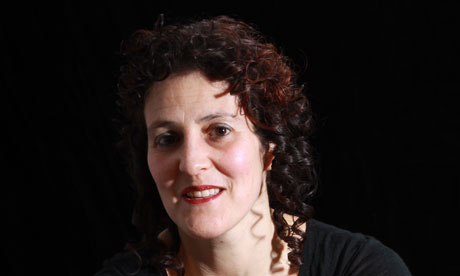
Benita Matofska is chief executive and chief sharer of The People Who Share, a global campaign and social enterprise dedicated to building a global marketplace of sharing. Benita recently emerged victorious in the Social Business Leader category at the Ogunte Women's Social Leadership Awards.
This content is brought to you by Guardian Professional. To join the social enterprise network, click here.