Analysis has found that an online attack was coordinated to suggest that Taylor Swift was promoting Nazi and right-wing ideas in her latest album, through bot-like accounts designed to peddle a so-called leftist critique of the singer.
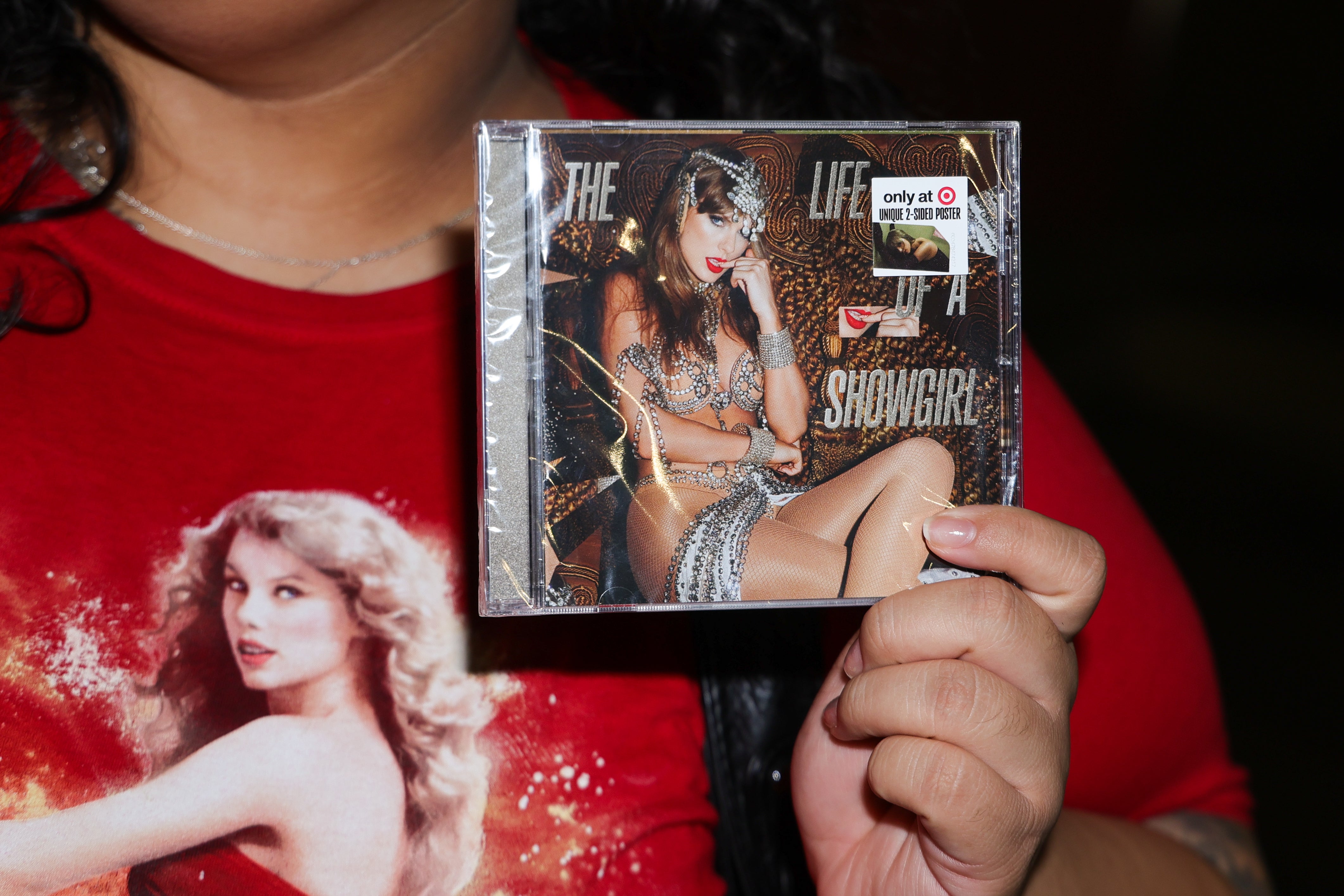
Research from the AI-driven behavioral intelligence platform Gudea found that between October 4 — when the 14-time Grammy-winner released The Life of the Showgirl — and October 18, a wave of accounts and posts accused Swift of weaving right-wing references into her music and imagery.
Swift’s use of the word “savage” in her song “Eldest Daughter” was interpreted as racist by these accounts, while symbols, such as a lightning-bolt necklace on sale as part of her merchandise, were compared to SS insignia.
Gudea examined more than 24,000 posts and 18,000 accounts across 14 social media platforms and concluded that 3.77 percent of accounts drove 28 percent of discussion of Swift in the period, namely the conspiracy theories about her supposed ties to the MAGA movement, or allegations that she was promoting trad-wife gender norms and white supremacy.
In a spike that happened between October 6 and 7, 35 percent of posts in the dataset came from bot-like accounts.
A second took place on October 13 and 14, after Swift released the lightning bolt necklace (commemorating the song “Opalite”). Approximately 73.9 percent of the total volume of conversation was found to have been driven by inauthentic accounts and conspiracist content.
The Independent has contacted Swift’s representatives for comment.
Gudea said they also found a significant user overlap “between accounts pushing the Swift ‘Nazi’ narrative and those active in a separate campaign attacking Blake Lively.” The Gossip Girl actor is involved in a sexual harassment lawsuit with her It Ends With Us co-star Justin Baldoni, whom she claimed orchestrated a smear campaign against her on social media.
The platform found that a “cross-event amplification network” disproportionately influences multiple celebrity controversies and “injects misinformation into otherwise organic conversations.”
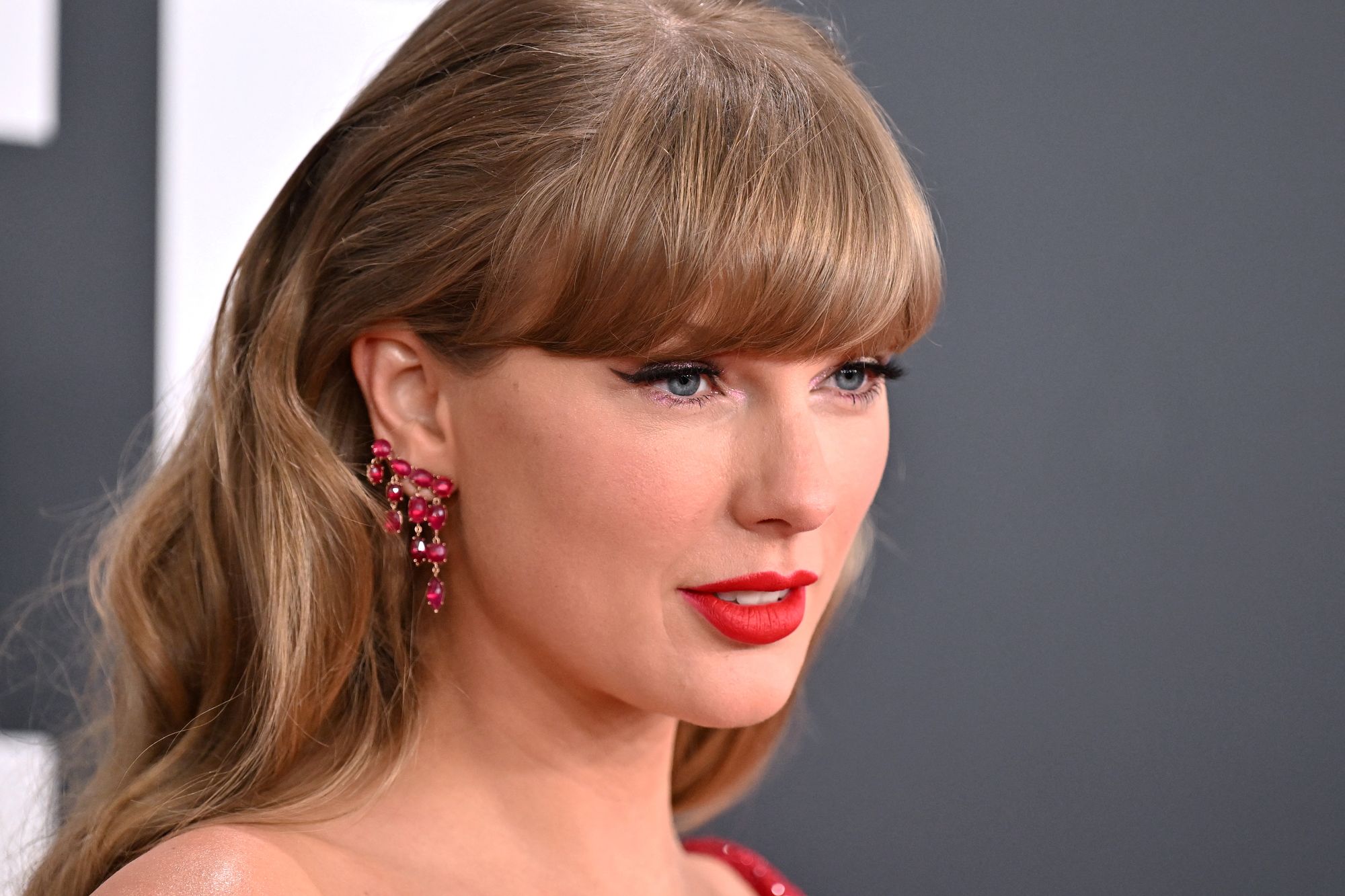
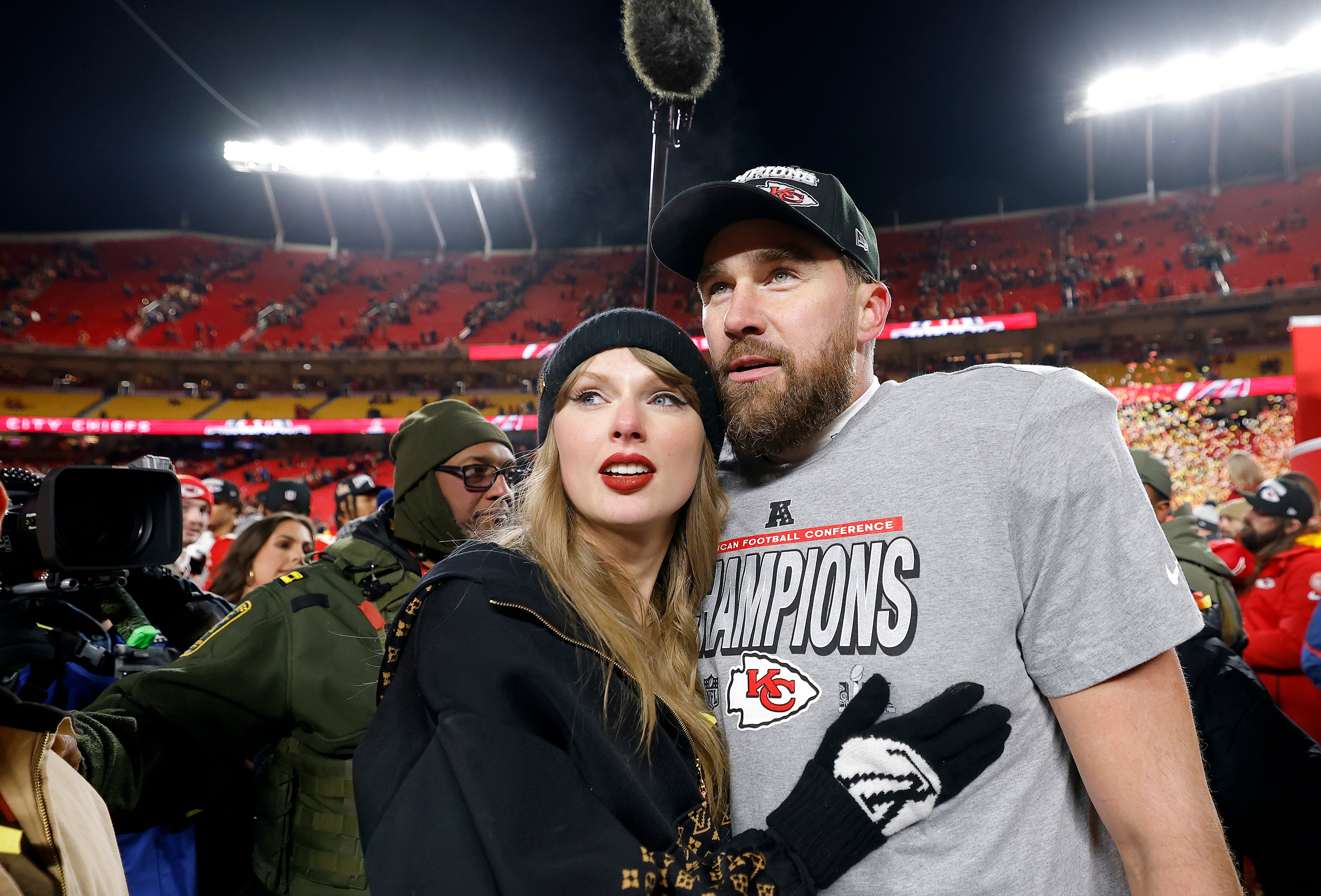
The coordinated attack only gained more attention when Swift’s fans would disagree with the allegations online, Keith Presley, GUDEA’s founder and CEO, told Rolling Stone.
“That’s part of the goal for these types of narratives, for whoever is pushing them,” he said. “Especially with these inflammatory ones – that’s going to get rewarded by the algorithm. You’ll see the influencers jump on first, because it’s going to get them clicks.”
“The false narrative that Swift was using Nazi symbolism did not remain confined to fringe conspiratorial spaces; it successfully pulled typical users into comparisons between Swift and Kanye West,” the researchers wrote. “This demonstrates how a strategically seeded falsehood can convert into widespread authentic discourse, reshaping public perception even when most users do not believe the originating claim.”
Presley said that 50 percent of the web is now made up of bots. “This is something that we’ve seen escalate on our corporate side — this type of espionage, or working to damage someone’s reputation.”
Georgia Paul, Gudea’s head of customer success, told the publication the research proves “that there might be other nefarious actors, not U.S.-based, who have reasons to see, ‘If I can move the fan base for Taylor Swift — an icon who is this political figure, in a way — does that mean I can do it in other places?’”
The Independent has contacted Swift’s representatives for comment.
Blake Lively and Justin Baldoni trial postponed as judge urges for settlement
Top touring artists of the new millennium revealed
Amanda Seyfried says she got more work from her Joni Mitchell cover than her Emmy
Sharon Osbourne reveals what she told Ozzy about remarrying after his death
Sir Roger Daltrey says knighthood is a dream for ‘a kid like me’
Sharon Osbourne says King Charles had sweet letter hand delivered after Ozzy’s death