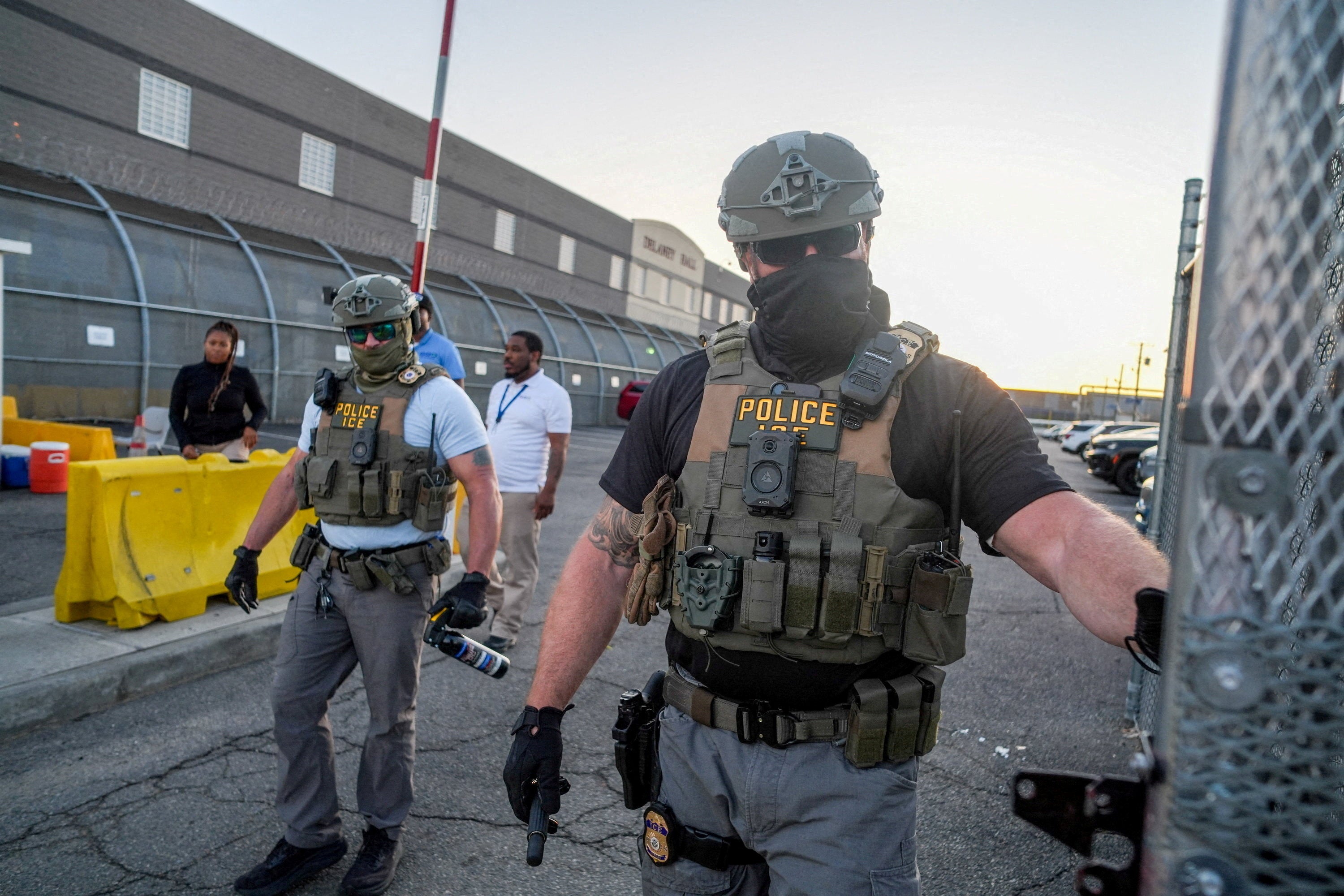
Immigration and Customs Enforcement is set to equip its officers with body cameras within the next two months, but agency policy grants leadership extensive control over which footage is made public, stipulating that releases must be in its "best interests."
The nationwide rollout, expected to finish by the end of September, follows years of delays and heightened scrutiny following recent fatal officer-involved shootings. Critics warn that the policy allows the ICE director broad discretion to selectively release footage that casts the agency favorably while keeping controversial encounters secret.
Under the policy issued in February 2025, officers must activate cameras during routine enforcement activities, including arrests, search warrants, and emergency responses.
Following serious incidents or shootings, a committee of top officials and attorneys will review footage and make a release recommendation, which can occur within 72 hours.
However, the ICE director retains authority to block or indefinitely delay releases citing "specific and compelling circumstances." Furthermore, the policy mandates redacting identifying features like faces, names, and badge numbers to protect officer privacy.
Federal spending records indicate ICE spent $30.9 million in July to purchase body-worn camera equipment from Axon under an existing contract.
The purchase came shortly after two fatal shootings by ICE officers in Maine and Houston, neither of which was recorded on body cameras. Congress had previously allocated $20 million for ICE body cameras in an April 30 spending bill.
At least one member of every arrest team will be required to wear a camera. Over half of field officers have received the equipment, with remaining deployments slated for completion by late September—slightly behind earlier estimates provided to lawmakers.
Supporters, including White House border czar Tom Homan, argue the devices provide transparency and frequently exonerate officers. Critics, including criminal justice researchers and former agency officials, contend the policy creates image-management tools that allow selective disclosures rather than true public accountability.
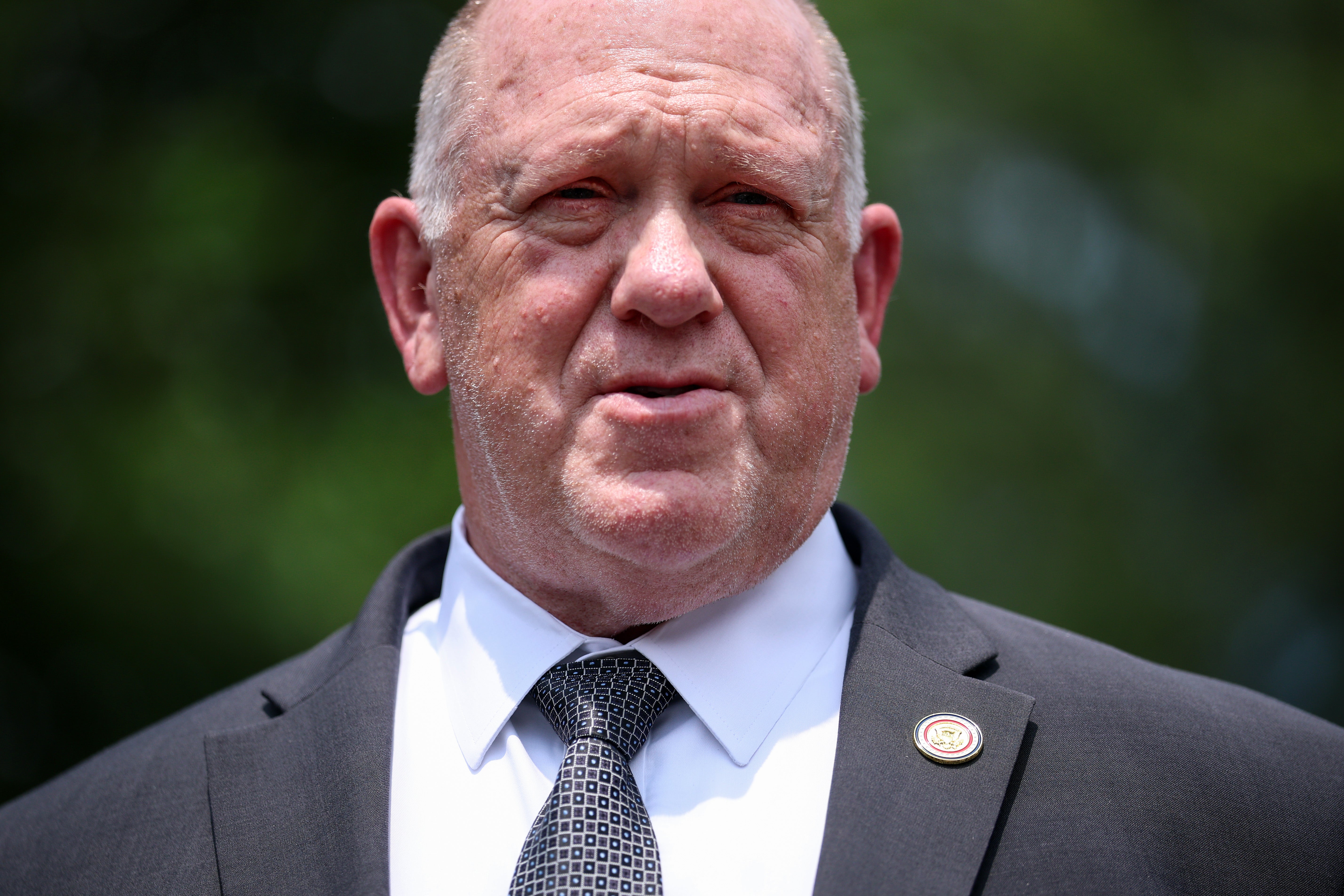
Homan argued on CBS News’ "Face the Nation" on July 19, "I think the American people need to see what that officer sees and hears. And if you look at the data, body cameras actually exonerate agents more than they, you know, provide evidence of wrongdoing."
However, Schneider anticipates that ICE will selectively release recordings that promote the agency’s mass deportation program, portraying officers as brave and immigrants as dangerous criminals. "Much of what law enforcement does is convince the public that we need them and feel safe and they do all this good stuff for us," he said.
"The more bad stuff the public sees, the more angry the public gets. And this causes problems for the police brand."
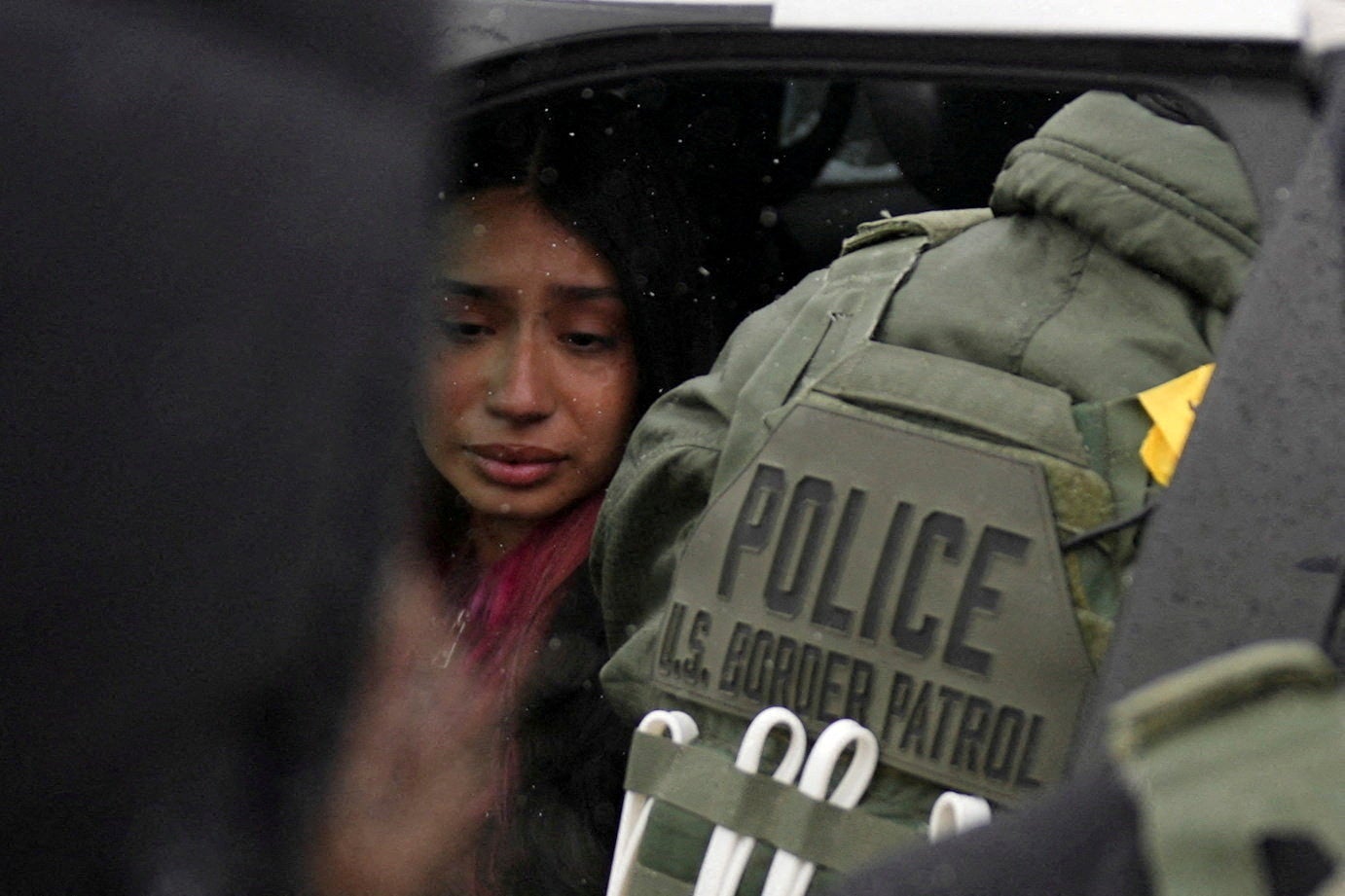
ICE began testing body cameras in 2021 during President Joe Biden’s administration and distributed 1,400 devices three years later, citing plans for expanded use as funding became available. After returning to office in 2025, Donald Trump rescinded a Biden order that mandated federal law enforcement agencies use body cameras.
ICE did not purchase body cameras even after receiving a historic $75 billion infusion in Donald Trump’s signature policy bill in 2025 and subsequently hiring thousands of new officers. The two July purchases from Axon were made through an existing government contract that began in 2023, records show.
"This is not hard to deploy, but they’ve slow-rolled it," said Jason Houser, who served as ICE chief of staff under Biden and helped implement the agency’s pilot program. Houser contended that the Donald Trump administration should have equipped officers with body cameras when it expanded mass arrests and traffic stops.
He described the current rollout, occurring only after several shootings and congressional pressure, as "clearly a political response" that will not enhance the safety of officers or the public.
"This doesn’t fix the problem of putting officers in a place where they’re not trained or equipped to carry out the style of operations that the administration is asking them to do," he added.