

The clock is ticking, the calendar is flipping, and tax season is creeping closer than you think. But before the champagne corks pop and the New Year kicks off, savvy taxpayers know there’s a final sprint to financial finesse that can save serious money.
This is not your average dull accounting lecture—this is a high-stakes, year-end tax finale where strategy meets opportunity. From clever deductions to timing income, every move you make now can be a game-changer. Today, we’re diving into six essential maneuvers that could protect your wallet before new rules shake everything up.
1. Max Out Retirement Contributions For Maximum Benefits
Contributing to retirement accounts isn’t just about securing your future—it’s an immediate tax shield. IRAs, 401(k)s, and other retirement vehicles allow you to potentially lower your taxable income before the year ends. If you haven’t maxed out your contributions, now is the perfect moment to catch up and claim those tax advantages. Even a few extra thousand dollars funneled into these accounts can significantly reduce your 2025 tax liability. Don’t wait until January; every dollar counted this year could make a real difference.
2. Harvest Tax Losses To Offset Gains
Investors, this one’s for you. Selling underperforming investments before year-end allows you to claim a tax loss, which can offset capital gains and even reduce ordinary income up to certain limits. Known as tax-loss harvesting, this tactic is a powerful way to lower your tax bill while keeping your portfolio aligned with long-term goals. Remember, you can carry over unused losses into future years, extending the benefit beyond 2025. Check your investment statements carefully, because strategic sales now could save you big in April.
3. Accelerate Or Delay Income Strategically
Timing is everything when it comes to taxable income. If you expect to be in a higher tax bracket next year, consider accelerating deductions and deferring income to reduce your current-year liability. Conversely, if your income might spike this year, delaying certain receipts until the next tax year can lower your immediate tax exposure. Even bonuses, freelance payments, or consulting fees can be shifted with careful planning. Consulting a tax professional ensures these maneuvers follow IRS rules without triggering unwanted penalties.
4. Review Charitable Contributions For Extra Deductions
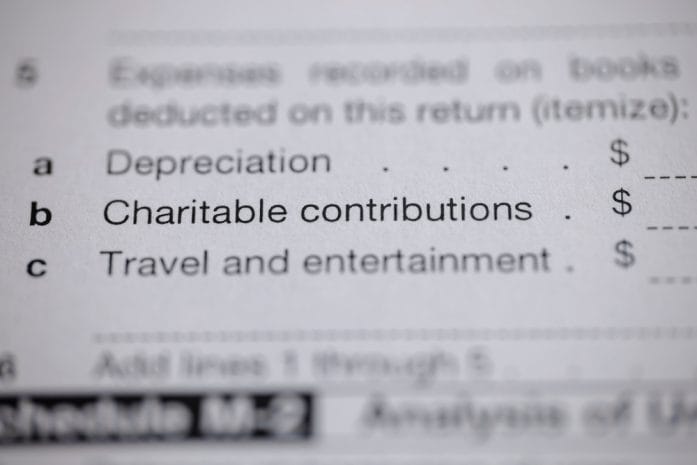
Charitable giving isn’t just about goodwill; it can also be a smart tax strategy. Cash donations, appreciated stocks, and even certain expenses can qualify as itemized deductions, reducing your taxable income. Be sure to document everything carefully with receipts and acknowledgment letters from the charities. Consider bunching contributions into a single year to surpass the standard deduction and maximize savings. Doing a year-end charitable review could turn your generosity into a strategic financial win.
5. Check Flexible Spending And Health Savings Accounts
Your FSA and HSA balances aren’t just numbers—they’re potential tax savers. Use up remaining FSA funds on eligible medical or dependent care expenses before they vanish, as many accounts have a “use-it-or-lose-it” policy. Contributions to HSAs can be made until the tax filing deadline, offering both immediate tax deductions and long-term growth potential. Investing in healthcare expenses now not only benefits your health but also reduces taxable income. Review deadlines and eligible expenses carefully to avoid missing out on these hidden benefits.
6. Reevaluate Estate And Gift Planning Moves
Estate planning isn’t just for the ultra-wealthy—it’s a tool anyone can leverage for tax efficiency. Gifts up to the annual exclusion amount may be tax-free, helping reduce your taxable estate while benefiting loved ones. Consider strategies like 529 plan contributions for education or gifting appreciated assets instead of cash to maximize tax advantages. Reviewing trusts, wills, and beneficiary designations ensures everything aligns with your current goals. Year-end is the perfect checkpoint to make sure your estate strategy is both effective and compliant.
Last-Minute Tax Moves Can Make A Big Difference
Year-end tax planning may feel overwhelming, but taking action now can pay dividends in both savings and peace of mind. These six moves—maxing retirement contributions, harvesting losses, timing income, boosting charitable deductions, checking FSAs/HSAs, and reviewing estate strategies—are all tools in your financial toolkit. Waiting until the new rules take effect could mean missed opportunities and higher tax bills.
Take a proactive approach, assess your finances carefully, and consult a professional if needed. Let us know your thoughts or any experiences you’ve had with year-end tax planning in the comments section below.
You May Also Like…
Income Threshold: 4 Hidden Taxes That Hit Once You Cross Certain Limits
9 Georgia Counties Where Property Taxes Are Set to Rise the Fastest
Can Your Taxes Be Cut In Half By You Simply Incorporating Your Name?
What Happens When Small Business Owners Skip Taxes
Regulation Spotlight: 8 New Advice Rules Clients Must Prepare For
The post Tax Finale: 6 Year-End Moves to Complete Before New Rules Arrive appeared first on The Free Financial Advisor.