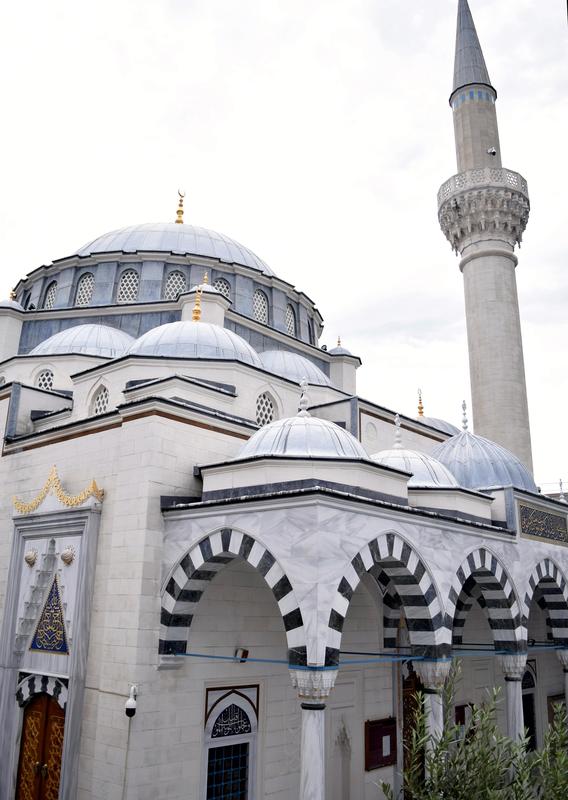
The history behind Japan's largest mosque, the Tokyo Camii, goes back to the Russian Revolution.
The Leninist regime that ran Russia after the early 20th century revolutions there suppressed religion and many people of faith escaped to countries all over the world, including Japan.
Of those who fled to Japan, Tatar Muslims built a mosque, or a camii, in a residential area in Tokyo's Shibuya Ward in 1938.
In 1986 the mosque had to be demolished because of severe structural damage, and in 2000 a new mosque, the Tokyo Camii designed by architect Hilmi Senalp, was built.
The mosque's beauty has attracted many Japanese among others who are interested in diverse cultures and the camii remains home to the descendants of the Tatar bloodline.
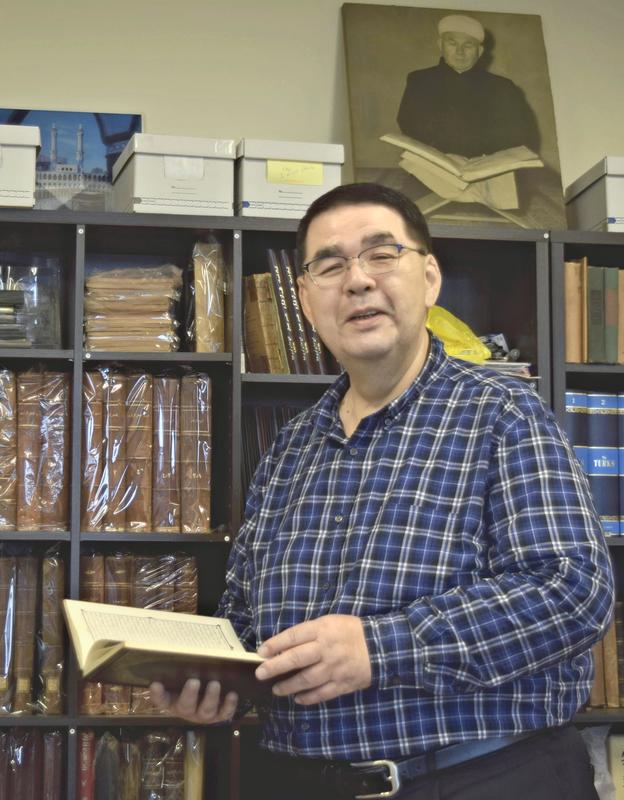
"The mosque was a place where Tatars who fled their homeland could connect and help each other," said Cemil Agafur, chairman of the Tokyo Turkish Association.
Agafur, now 64, has a Tatar father and a Japanese mother, and was raised in Turkey until he was 8 years old. He came to Japan after his father's death.
He was offered a classroom in a school located next to the mosque as his living place. After he graduated from junior high school, he started working at a trading company.
When he was a child, more than 100 people used to gather at the mosque for religious services, he said.
In recent times, around 20 people have been gathering at the mosque but they still reminisce over a meal there once every three months.
He has friends who have moved to Turkey and the United States. Whenever they reunite, they liven things up by singing enka Japanese blues and have a great time, he said.
Their bond is sustained by Agafur's homeland, Turkey. The Turkish government sent engineers, craftsmen and materials to Japan to rebuild the mosque, which has taken on an appearance similar to Istanbul's famous Blue Mosque.
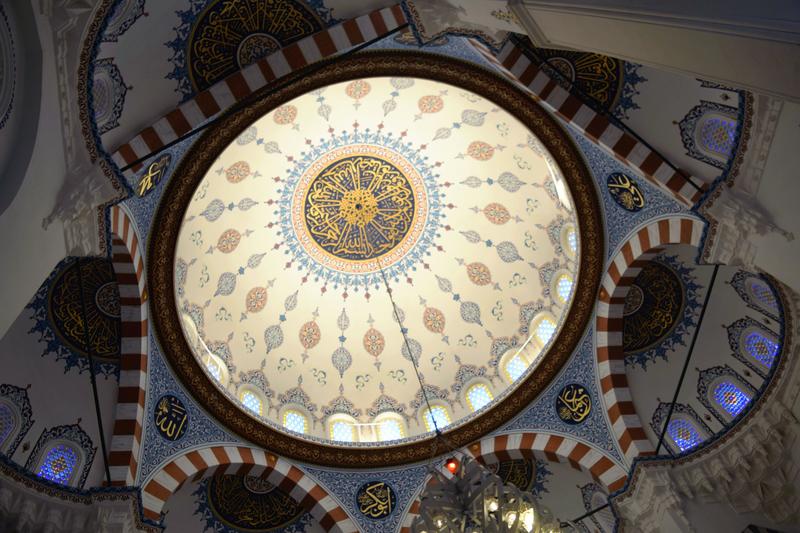
The place of worship on the second-floor of the mosque can accommodate about 630 people. It has six semicircular domes arranged around a larger dome on the ceiling.
Given that there are usually four or eight semicircular domes in a mosque, the six-domed Tokyo Camii is a rare structure in the world, he said.
"We can see the spirit of Turkish people here, who cherish their traditions but are willing to try new things," said Kyoko Nishida who works at the mosque.
Read more from The Japan News at https://japannews.yomiuri.co.jp/


.jpg?w=600)