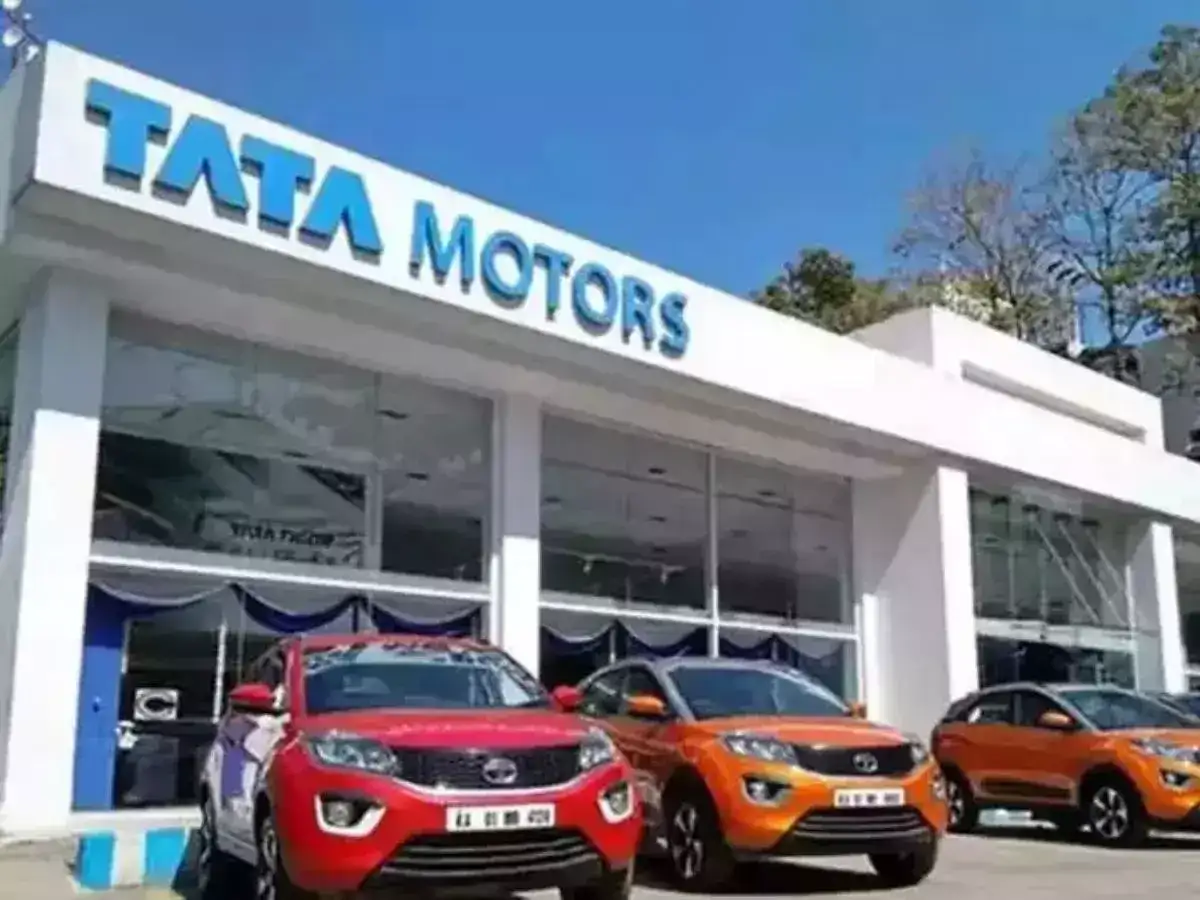
Tata Motors Passenger Vehicles (TMPV) is confident of delivering industry-leading growth in fiscal 2027 despite an uncertain global backdrop, betting on a strong pipeline of new products, a multi-powertrain strategy and continued collaboration with Jaguar Land Rover (JLR) to drive scale and efficiencies.
In his letter to shareholders in Tata Motors' 2025-26 annual report, Chairman N Chandrasekaran said the company was entering the new financial year from a position of strength even as geopolitical tensions, uneven economic recovery and supply chain shifts continue to reshape the global automotive landscape.
Also Read: Maruti, Tata lead hatchback revival as India's carmakers rediscover the mass market
"Looking ahead, we enter FY27 with confidence, supported by a robust pipeline of new launches and multi-powertrain offerings. Our focus will remain on delivering industry-leading growth, deepening our commitment to safety, sustainability, quality and customer delight, while becoming resilient and staying agile amid macroeconomic and geopolitical uncertainties," Chandrasekaran said.
He said TMPV and its British luxury arm JLR would continue to deepen collaboration across manufacturing, technology and talent development.
TMPV and JLR "will continue to collaborate on manufacturing, technology and people, enhancing scale efficiencies, accelerating learning and reinforcing capital discipline", he said.
The benefits of that approach are already becoming visible, Chandrasekaran noted, pointing to the commencement of operations at the group's Panapakkam facility in Tamil Nadu, which is designed to serve as a shared manufacturing base and deliver best-practice execution and scale advantages.
The company would also continue to focus on building "distinctive, trusted and aspirational brands" that forge deeper connections with customers, he added.
Also Read: Tata Motors flags 'challenging & volatile' outlook for Jaguar Land Rover
For JLR, which endured a difficult fiscal year due to what Chandrasekaran described as "a confluence of internal and external disruption", the focus will be on sharpening its luxury positioning while improving profitability.
"This is embodied in its House of Brands strategy, creating sharply differentiated luxury brands with clear identities, purpose and desirability," he said.
JLR will also seek to lower its breakeven threshold, which has come under pressure from tariffs, currency fluctuations and commodity inflation.
The company aims to bring breakeven levels "back to 3 lakh units in the next two years, whilst remaining focused on delivering exceptional launches of its New Range Rover Electric, Jaguar Type 01 and continuing to build its Modern Luxury franchise", Chandrasekaran said.
He noted that rapid advances in digital technologies and artificial intelligence were fundamentally altering the mobility industry.
"At the same time, the transition to clean energy, heightened expectations on safety, and the reconfiguration of global supply chains are redefining competitiveness. Geopolitical and uneven economic recovery are adding further complexity, making agility and resilience critical capabilities," he added.
Chandrasekaran said India's mobility transition was increasingly being shaped by rising aspirations, improving infrastructure and changing consumer preferences, creating room for multiple technologies to coexist.
"The sustained demand supports the ICE portfolio and the continued momentum in EVs reflects growing customer confidence in new technologies, underscoring the strength of a balanced, multi-powertrain strategy of your company (TMPV)," he said.
Tata Motors retained its leadership position in India's electric vehicle market during FY26, crossing cumulative sales of 250,000 EVs and "commanding a dominant two-thirds share of all EVs sold in India till date", Chandrasekaran said.
The company sold more than 92,000 electric vehicles during the year, representing growth of 43.4% over the previous fiscal.
With electrification at the heart of its long-term strategy, Chandrasekaran reiterated Tata Motors' commitment to sustainability.
"We are committed to being Net Zero by 2040. Your company will continue to invest in products, platforms and ecosystems for accessible and scalable zero emission mobility solutions, while continuing to improve conventional powertrains," he said.