Two Indian conglomerates are looking to spend nearly $1 billion to build domestic capabilities in electric-vehicle and battery technologies, people familiar with the matter said, reflecting a growing urgency on the part of the country’s biggest companies to reduce their reliance on Chinese technology.
Tata Group and JSW Group are separately funding research and development centers aimed at building in-house expertise in next-generation battery technologies and advanced EV systems, said the people who asked not to be identified because the details are private.
Also Read | State incentives power India’s EV market growth
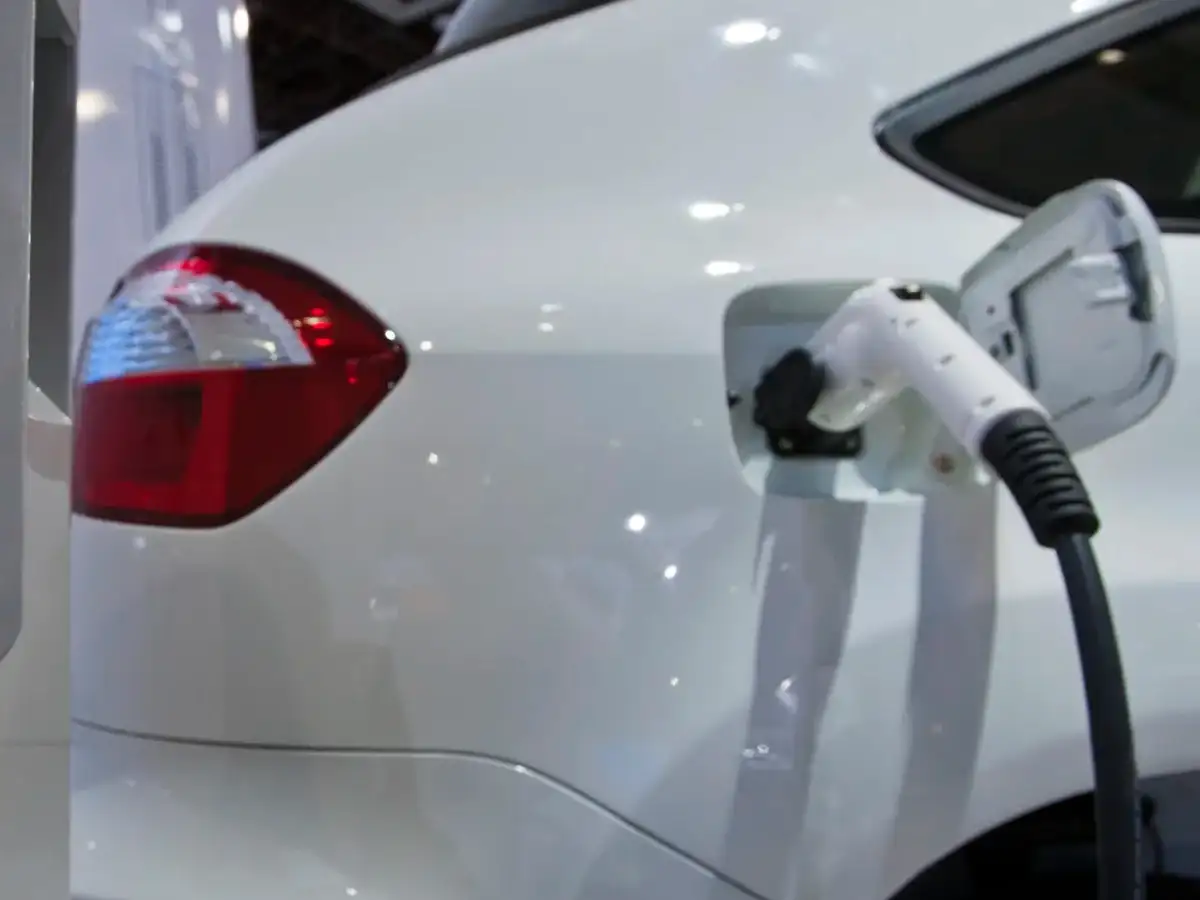
Batteries are the priciest and most technically demanding part of an EV, and the investments signal a more deliberate push by Indian companies to build local capability. China is growing increasingly guarded about sharing critical technology as the world’s No. 2 economy seeks to ring-fence its core expertise areas amid a tariff war with the US.
Tata’s battery unit, Agratas Ltd., is spending more than $400 million on a new R&D facility in Bengaluru focused on developing lithium iron phosphate, or LFP, and lithium manganese iron phosphate technologies to create products for which it currently depends from China, the people said. LFP cells are increasingly in demand for their use in battery energy storage systems.
The center is designed to help Tata develop and eventually manufacture those cells at home, and build intellectual property, the people added. Agratas currently has access to nickel manganese cobalt battery technology sourced from South Korea.
Also Read | CEA Nageswaran calls for capex push amid EV growth momentum
“Our global R&D programme is progressing well, supported by two state-of-the-art labs in Bengaluru and Oxford,” an Agratas spokesperson said in an emailed statement. The firm is utilizing advanced equipment and workforce “to drive our next generation of battery innovation,” the spokesperson added.
JSW Motors Ltd., the passenger-vehicle arm of billionaire Sajjan Jindal’s conglomerate, is pursuing a parallel track. The company plans to invest at least $500 million over the over the next five to six years in a research hub at Maharashtra, its Chief Executive Officer Ranjan Nayak said in response to a query from Bloomberg News.
The JSW center will focus on localizing vehicles developed with global partners, build proprietary software capabilities, and advance work on connected vehicles, Nayak said.
The goal is to adapt global automotive technology to Indian conditions — from road environments to price points — as JSW aims to deliver products that meet global quality benchmarks at Indian cost structures.
The moves are part of the auto industry’s reassessment of long-standing partnerships that once delivered speed and scale but now face growing constraints. Companies that built their EV programs around Chinese technology are confronting delays, higher compliance burdens and fewer guarantees of access to latest technology.
Beijing has become more selective about transferring advanced battery and EV technologies, and cross-border collaborations are increasingly slowed by regulatory scrutiny. Several Indian firms, including Reliance Industries Ltd., have encountered friction in joint ventures as technology transfer becomes harder to secure.