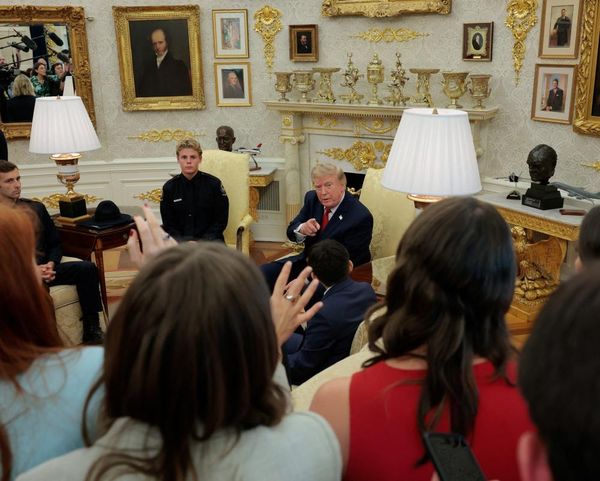
The Trump administration has begun paying out more than $166 billion in refunds after the Supreme Court ruled that his tariff program was illegal – but it is companies, not the public, that stand to gain.
To President Donald Trump’s fury, a 6-3 majority of the court’s justices found on February 20 that his use of the International Emergency Economic Powers Act 1977 to justify placing reciprocal levies on U.S. trading partners was invalid, forcing the government to pay back the duties it reaped under the policy.
However, the refund process that opened Monday does not take into account whether the businesses applying truly absorbed the cost of the tariffs themselves or suffered no hardship because they simply passed it on to their customers in the shape of higher prices on the shelves.
The latter scenario means the refunds serve only as a “windfall for businesses,” Heather Boushey, a member of the White House Council of Economic Advisers under Joe Biden, told The New York Times. “American families are certainly the losers.”
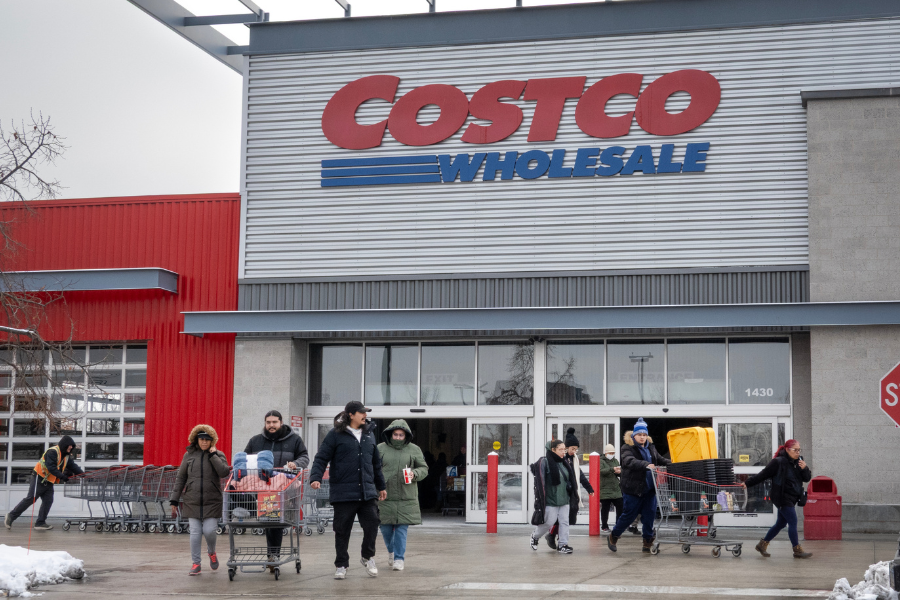
CostoCo is so far one of the few major public-facing retailers that has pledged to “return this value to our members through lower prices,” with others declining to make a definite commitment.
The prospect of companies riding out the tariffs by leaning on shoppers and then profiting from the government refunds, essentially a form of double-dipping, comes at a time when a majority of voters routinely tell pollsters that they remain concerned about the economy and feel Trump is not doing enough to address their cost of living concerns.
His stalled war with Iran, particularly the blockading of the Strait of Hormuz, has served to further increase the pressure on household budgets given that approximately one-fifth of the world’s oil passes through the channel, causing global gas prices to climb.
None of which bodes well for the president’s party, already looking ahead anxiously to November’s midterms, when vengeful voters could enable Democrats to flip the House of Representatives and Senate.
Trump has consistently said that it is foreign exporters, not the American public, that will bear the brunt of the tariffs program he introduced on April 2 last year, only to then suspend them when they spooked the markets before reintroducing them in modified form.
Initially, he was so confident of the policy’s success he even promised that $2,000 tariff rebate checks would be going out to households, although the idea gained little traction with his fellow Republicans and the president has not returned to it for some time.
Indeed, the Federal Reserve Bank of New York estimated in February that 90 percent of the burden had fallen domestically.
The Yale Budget Lab think-tank has since calculated that the cost of consumer goods could ultimately rise by 1.1 percent, which would mean an extra $1,500 per year in annual outgoings for families, many of whom are already struggling.
The task of actually paying out the refunds requested through the new web portal set up by Customs and Border Protection meanwhile promises to be monumental, with more than 330,000 businesses having paid tariffs on over 53 million entries between Trump’s “Liberation Day” unveiling and early March this year, according to customs officials.
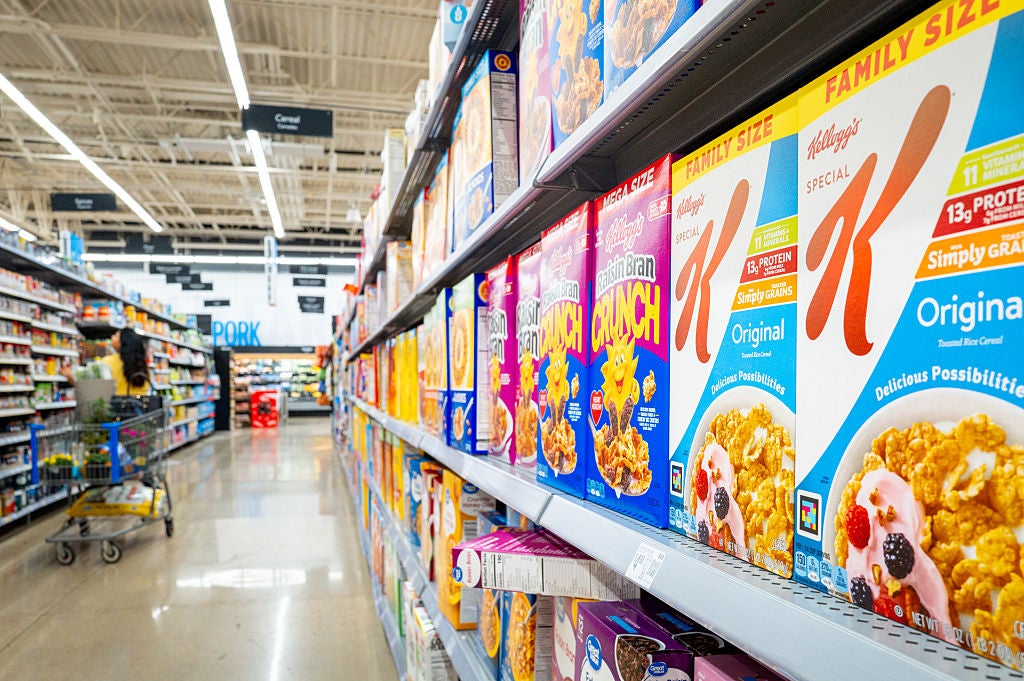
Citi Research analysis cited by the Times indicates that some of the individual payouts could be enormous, with Walmart in line to receive as much as $10 billion back from previously paid tariffs, Target $2 billion, Nike $1 billion, and Home Depot $500 million.
On Capitol Hill, Democratic Reps. Steven Horsford of Nevada and Suzan DelBene of Washington have written to the executives at some of those retailers imploring them to ensure the tariff refunds “reach those who ultimately bore those costs.”
“American families felt the impact of these tariffs in everyday life,” they wrote. “The question of how refunds are distributed is one of corporate accountability and economic fairness.”
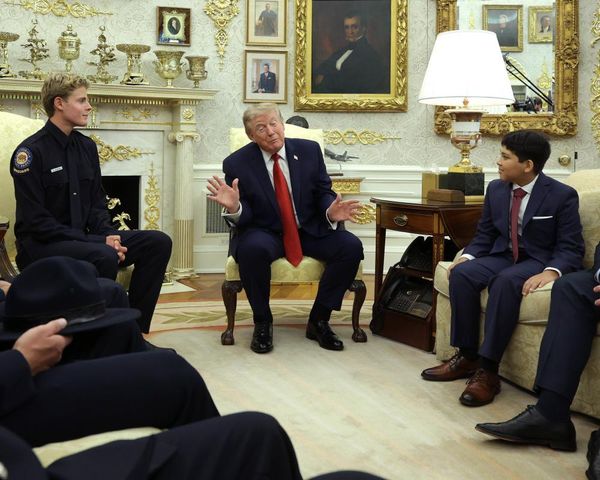
For his part, Trump has let it be known that he would prefer companies not to request their money back, telling CNBC’s Squawk Box it would be “brilliant if they don’t do that” and that he would “remember them” if they refrained.
Mike Pence says Trump should back off the Pope, ‘offensive’ Jesus pics
Lindsey Graham begs for money for midterms despite seat in solid red state
Kristi Noem continues to live in Coast Guard home despite being fired from DHS
Trump hires his ‘pool guy’ to redo historic Lincoln Memorial Reflecting Pool
Melania Trump puts her own mark on the White House with a new beehive
Congress members ‘worried’ as late-night fights become the norm: ‘Getting worse’