Artificial intelligence has quickly become a major spending priority. Worldwide AI spending is expected to reach $2.59 trillion in 2026, up 47% from the prior year. Much of that spending is coming from large cloud companies and technology vendors, but businesses across industries are also putting more money into the technology.
Retailers are part of that shift. In the past month, 42% of consumers used at least one AI tool while shopping. Another 17% used AI for product recommendations, and 10% interacted with AI shopping assistants.
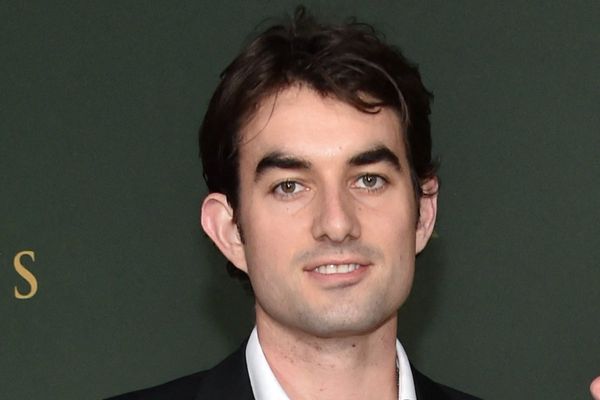
Target Corporation (TGT) is now making its own AI push more official. The retailer said Tuesday that it has appointed Chandhu Nair as its first chief artificial intelligence officer and senior vice president, effective Aug. 24.
Nair joins from Lowe’s Companies (LOW), where he was senior vice president of data, AI, and innovation. He will report to incoming Target Corporation CEO Michael Fiddelke.
Target is already working through a turnaround. Does putting a dedicated executive in charge of AI help the retailer run better, serve shoppers more effectively, and support its recovery? Let’s find out.
The Financial Foundation for AI
Target Corporation is a major U.S. retailer that sells groceries, household basics, apparel, beauty products, and other discretionary items through its stores and website. Its stores also handle a large share of online order fulfillment.
TGT stock has risen 44% over the past 52 weeks and 57% so far this year.
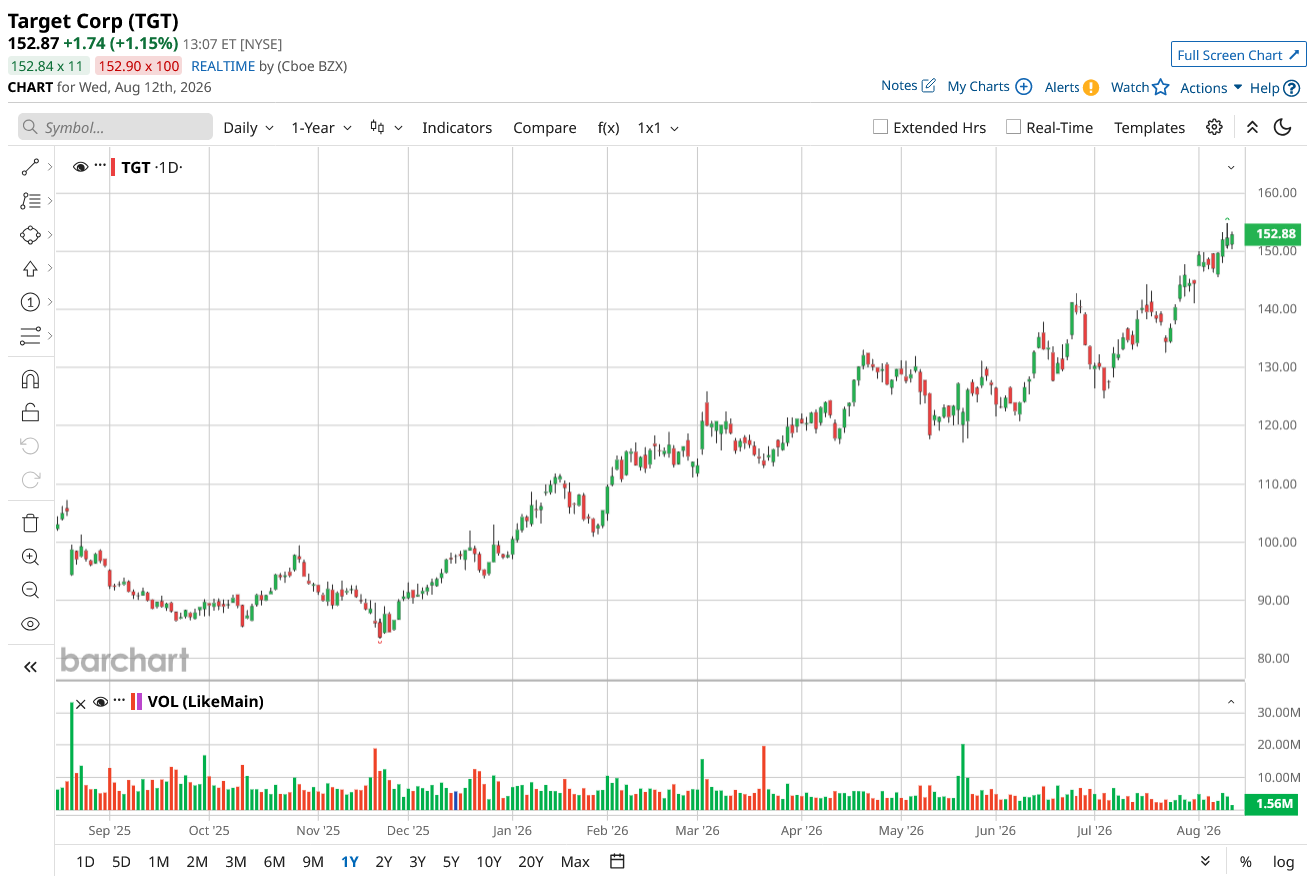
The stock trades at 18.27x forward earnings, above the consumer staples sector average of 15.36x, suggesting a premium.
The dividend remains another draw. Target pays an annual dividend of $4.56 per share, which gives TGT stock a 3% yield, well above the sector average of 1.89%. Its latest quarterly dividend was $1.16, and its forward payout ratio is 56.62%. The retailer has increased its dividend for 56 straight years and pays it every quarter.
First-quarter net sales climbed 6.7% to $25.4 billion, while comparable sales rose 5.6%. Store comparable sales grew 4.7%, digital sales increased 8.9%, and customer traffic was up 4.4%. All six main merchandise categories recorded higher sales.
Same-day delivery through Target Circle 360 grew more than 27%, while revenue outside merchandise, including Roundel ads, Circle 360 memberships, and Target Plus marketplace sales, jumped 24.6%.
Target Corporation earned $1.71 per share on both a GAAP and adjusted basis. Although that was 24% below the prior-year GAAP figure of $2.27, the earlier result included a one-time legal settlement gain. Adjusted EPS rose 32% to $1.30. Gross margin improved to 29.0% from 28.2%, helped by fewer markdowns and better supply-chain performance. Target now expects about 4% sales growth in 2026 and EPS near the high end of its $7.50 to $8.50 guidance range.
AI Adds to Target’s Growth Playbook
Target Corporation has appointed Chandhu Nair as its first chief AI officer, effective Aug. 24. The move gives the retailer one executive focused on expanding its use of AI across the business.
The retailer said Nair will help improve inventory management, make work easier for employees, and speed up decision-making. At the same time, Purvi Shah has moved into the newly expanded role of senior vice president of user experience. Both Nair and Shah report to Chief Information and Product Officer Prat Vemana.
The appointments come as Target increases spending on its broader growth plan. In March, the retailer outlined a $2 billion incremental investment, including more than $1 billion in added capital spending and another $1 billion in operating investments. The plan covers store remodels, payroll, technology upgrades, and AI.
Target is not starting from scratch. Its Trend Brain platform reviews fashion publications and social media activity to spot apparel trends. This helps Target bring new collections to market nearly twice as fast, which can reduce the risk of missing trends and cutting prices on unsold inventory. The retailer also uses AI in its Drive Up service to help employees pick and stage orders more efficiently.
Nair’s main task will be to make these efforts pay off. Better demand forecasts could help keep popular items in stock, reduce markdowns, and improve sales. It could also make online shopping easier and help shoppers find more items they want.
The Outlook for TGT Stock
Target is due to report second-quarter earnings on Aug. 19, before the market opens. Wall Street expects earnings of $2.24 per share for the July 2026 quarter, up 9.27% from $2.05 in the same quarter last year. For the fiscal year ending in January 2027, analysts expect Target to earn $8.37 per share, up 10.57% from $7.57 in the prior year.
Several analysts have become more positive on TGT stock. On Aug. 4, Greg Melich of Evercore kept an “In Line” rating on Target Corporation but raised his price target to $150. Gordon Haskett raised its target to $170 and kept its “Buy” rating.
Wolfe Research upgraded the stock to “Outperform.” Jefferies raised its target to $161, while Wells Fargo kept its “Overweight” rating and lifted its target to $165.
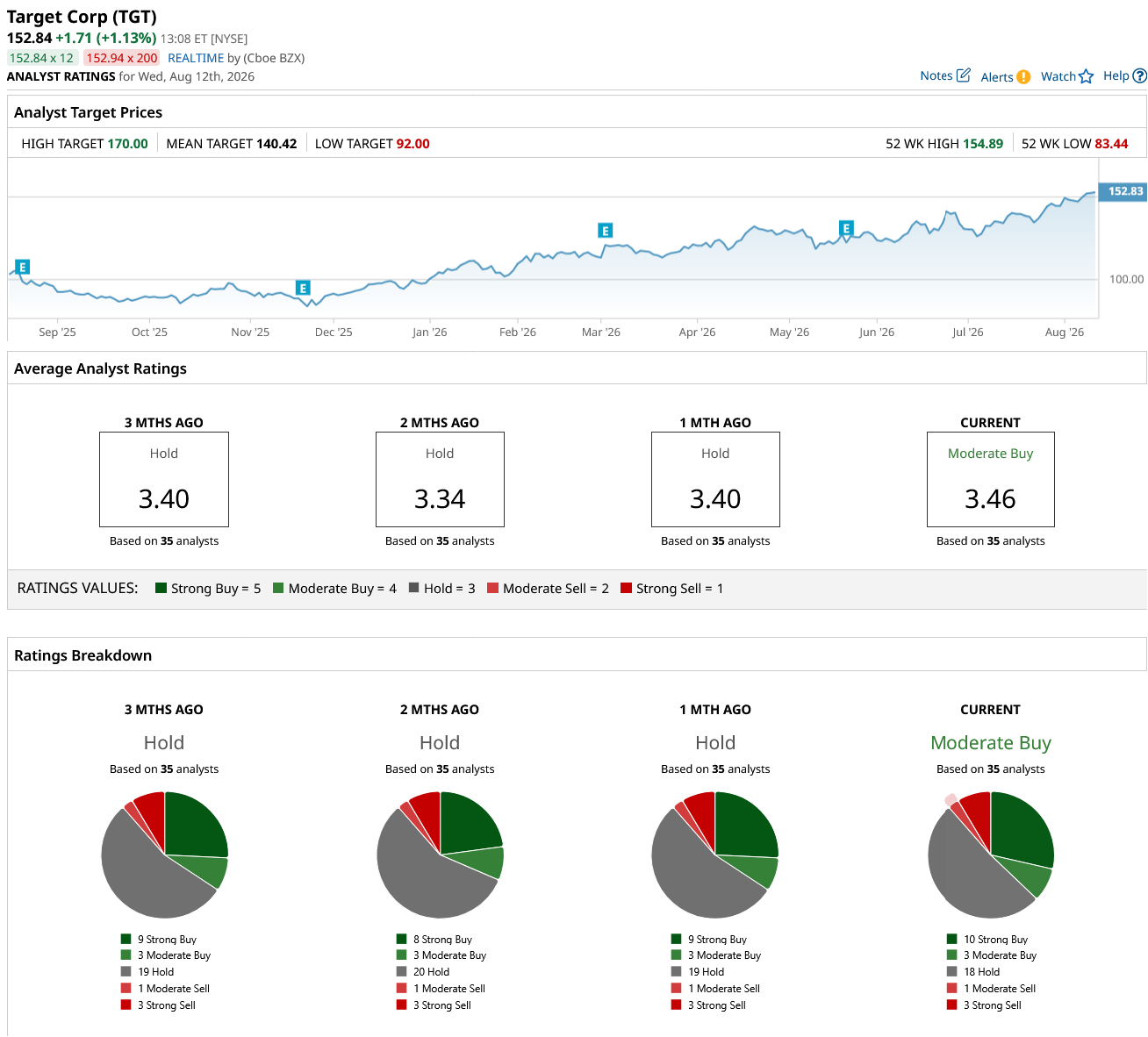
Overall, 35 analysts give TGT stock a consensus “Moderate Buy.” Still, their average price target of $140.42 is 8% below the current share price.
Conclusion
Target’s first chief AI officer appointment is more than a symbolic move. It gives the retailer a dedicated leader to turn its growing AI investments into better inventory planning, faster trend response, improved digital discovery, and a smoother customer experience. The company’s stronger sales growth, expanding margins, and momentum in same-day delivery and non-merchandise revenue provide a credible foundation for that work. Still, TGT stock’s sharp rally has raised the bar, with the average analyst target sitting below its current price. Near term, TGT shares may consolidate after their run, but sustained earnings execution and tangible AI-driven gains could support a higher long-term trajectory.