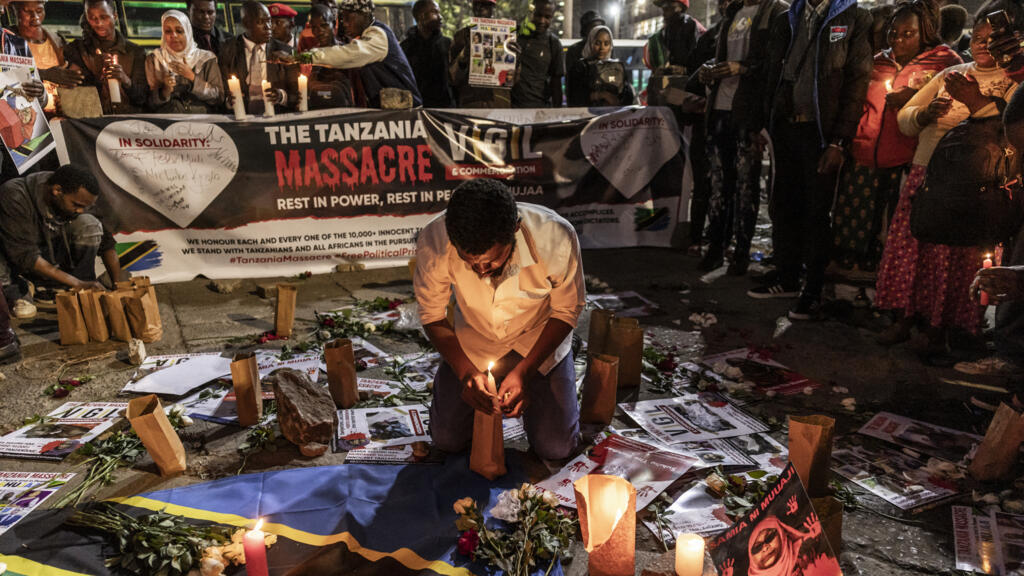
Evidence gathered by human rights NGO Amnesty International shows Tanzania’s post-election protests were met with overwhelming force, with the United Nations estimating at least 700 people were killed in the unrest – raising questions about the future of civic freedoms in the country.
The findings relate to demonstrations that swept parts of Tanzania following the presidential election on 29 October.
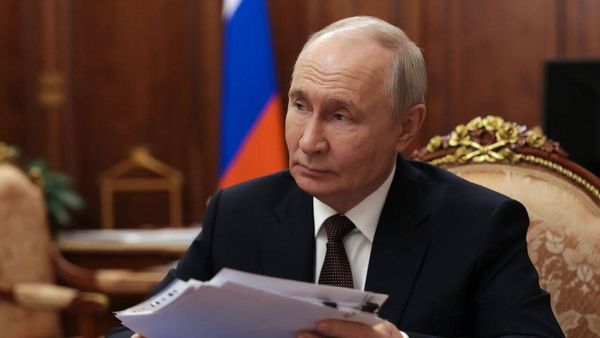
President Samia Suluhu Hassan won a second term with 98 percent of the vote, but opposition parties rejected the results, as her main challengers had been either imprisoned or barred from running, and widespread unrest broke out.
Tanzania president inaugurated as African observers point to 'intimidation'
According to the report published by Amnesty International on Friday, Tanzanian security forces carried out a brutal and systematic crackdown on post-election protests, using live ammunition against demonstrators.
Amnesty says hundreds of people are believed to have been killed or injured nationwide. United Nations experts estimate the death toll to be at least 700, while local civil society organisations put the figure at more than 1,000.
More than 2,000 people are also believed to have been arbitrarily detained, including dozens arrested since mid-November. The UN has also raised concerns about enforced disappearances.
Agnès Callamard, Amnesty's secretary-general, said the violence documented in the report was “shocking and unacceptable”, adding that it revealed “a shocking disregard for the right to life and freedom of peaceful assembly”.
Tanzania accused of hiding bodies of those killed in post-election protests
Mass casualties
According to the NGO, protesters were frequently shot in the head, chest or abdomen – injuries that suggest an intent to kill rather than disperse crowds.
Amnesty says this use of force was “unjustified and disproportionate”, particularly as many of those targeted posed no threat at all.
The report is based on 35 interviews with victims, witnesses and healthcare workers, alongside the analysis of dozens of photos and videos that Amnesty says have been independently authenticated.
These materials show security forces opening fire during peaceful demonstrations, firing tear gas into residential areas – in some cases directly into homes – and blocking wounded protesters from accessing medical care.
Hospitals in Dar es Salaam, Arusha and Mwanza were overwhelmed. Healthcare workers told Amnesty they had never seen so many gunshot wounds.
Morgues quickly ran out of space, with bodies reportedly stacked on top of one another or left outdoors. One video verified by Amnesty shows at least 70 bodies at Mwananyamala Hospital in Dar es Salaam alone.
“I had never seen anything like it,” one healthcare worker told the organisation. “Crows were eating the flesh off the corpses.”
Amnesty has also documented allegations of torture and ill treatment in detention, as well as cases in which families were unable to retrieve the bodies of loved ones. Some, the report says, were forced to bury clothing or photographs in their place.
UN 'alarmed' by reports of deadly election violence in Tanzania
International alarm
Faced with mounting international criticism, President Samia Suluhu Hassan announced on 14 November the creation of a commission of inquiry into the killings.
However, Tanzanian civil-society groups have dismissed the move as inadequate, citing concerns over the commission’s independence and powers.
Amnesty has called instead for “independent, impartial and effective investigations” that meet international standards. The authorities have not responded to the organisation’s requests for clarification.
The office of the UN High Commissioner for Human Rights has warned of an “intensified repression” since the election, noting that five weeks on, the government still has not disclosed how many people were killed or how they died.
Speaking in Geneva earlier this month, the spokesperson for UN Human Rights chief Volker Türk urged the Tanzanian authorities to lift a police ban on demonstrations and reminded security forces of their obligation to protect peaceful assembly rather than suppress it.
The UN has also criticised broader measures introduced since the election, including restrictions on fuel sales and increased digital surveillance, warning that these steps risk further inflaming an already volatile situation.
This article was adapted from the original version in French.