CHENNAI: Three stone inscriptions and two base sculptures belonging to the 10th Century have been found in waterbodies in and around Thesur village in Tiruvannamalai district. The inscriptions emphasize on water management and the base sculpture depicts the ancient water discharging system.
The stone slabs and sculptures belong to different periods of the 10th Century. “The stone inscriptions highlight the importance of the water irrigation system. It also emphasises the importance of creating water bodies and maintaining them properly,” said secretary of Tiruvannamalai district centre for historical research S Balamurugan. These inscriptions were discovered during renovation of the waterbodies.
The base sculpture and the inscription found in Periya Eri (big tank) in Desur were unique. Its pictorial depiction found in the base sculpture vividly describes the ancient irrigation system. The stone slab has seven lines in early Tamil letters and it was incomplete.
The sluice gate and the rectangle shaped water tank and the sluice that used to regulate the water were carved out to distinguish its features. “We never found such pictorial descriptions in this region on the irrigation system,” he added.
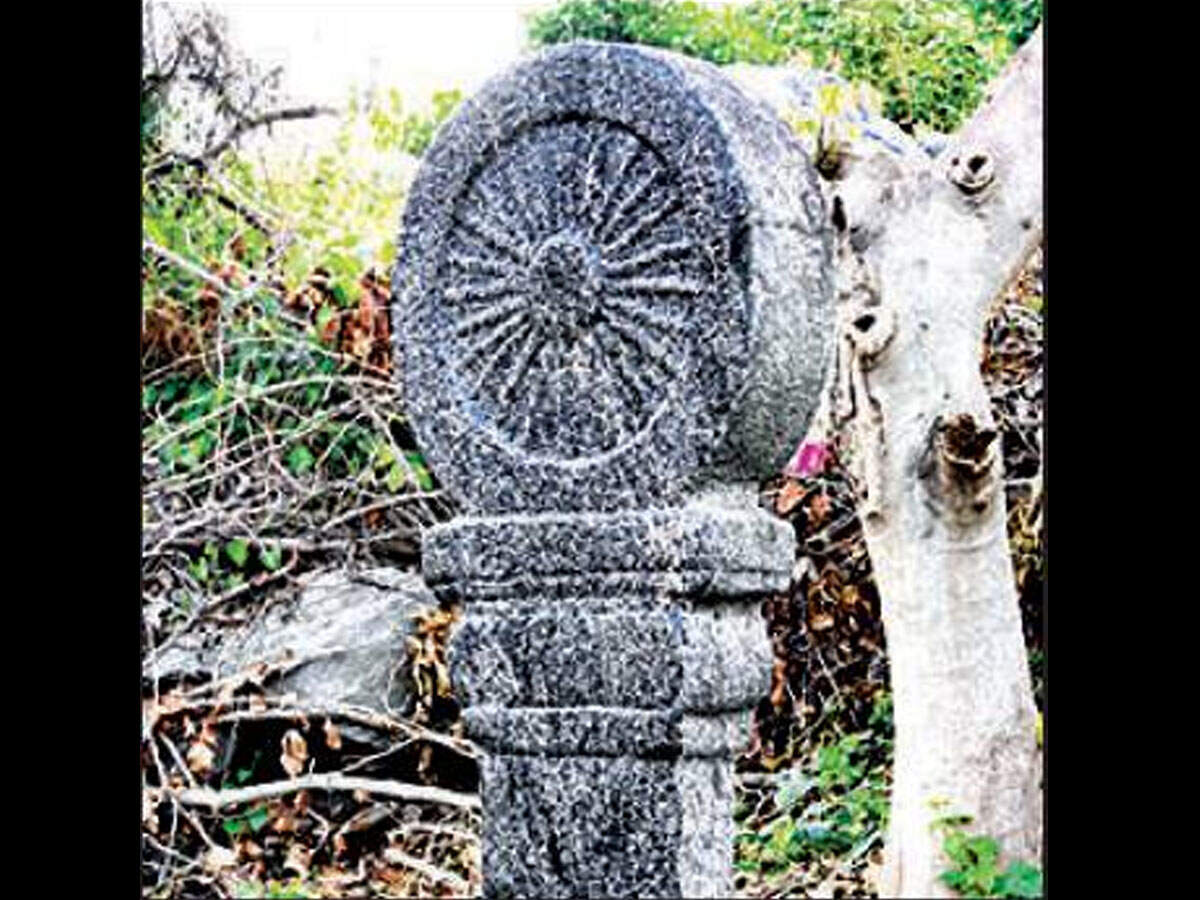
They belonged to 22 year of King Kannara Devan’s reign. The second base sculpture found in the vicinity had a sculpture like Ashok Chakra with 24 spokes. However, it was uncertain that it belonged to the same period.
The team found a stone inscription in the middle of Gangnam Pundi village. The villagers have been worshipping it. It talks about a person Kalamukthi, who constructed the sluice in the water tank, and it was a rare find as it has a pictorial depiction of the water regulatory system.