
KABUL — The Taliban government of Afghanistan directed the women of Afghanistan to work from home, admitting the fact that they are not safe in the present regime of the Taliban government.
“Women should not go to work for their own safety,” said Zabiullah Mujahid, the spokesperson of the Taliban.
He also undermined the efforts of the Taliban to convince the international observers that they would be more tolerant towards women compared to the last time they were in power back in the 1990s.
Mujahid said the measure was necessary because the Taliban “keep changing and are not trained.”
When last in power between 1996 and 2001, the militant group banned women from the workplace, stopped them from leaving home unaccompanied, and forced them to cover their entire bodies.
The direction came after the World Bank halted funding in Afghanistan, citing concerns about the safety of women, and within hours of the United Nations calling for a “transparent and prompt investigation” into reports of human rights abuses since the Taliban takeover, dealing another blow to an economy that relies heavily on foreign aid.
Meanwhile, the Taliban promised its new era will be more moderate, but Taliban leaders have refused to guarantee women’s rights will not be stripped back, and many have already faced violence.
The Taliban said that the U.S. must stick to next week’s deadline to pull out and said they were “not allowing the evacuation of Afghans anymore.” However, a source familiar with the situation said that the apparent ban had not yet had a discernible effect on arrivals at Kabul airport.
“Dear Compatriots, We would like to inform you that they should refrain from smuggling and transferring dollars and antiquities from Afghanistan by air and land,” said Mujahid in a tweet.
“Upon receipt of the above, it will be confiscated immediately, and the transferors will be dealt with legally.”
Some priority local Afghans would get help in the coming hours, the source said. Though some applicants for the Special Immigrant Visa program— an avenue for Afghans who worked for U.S. forces and agencies to get out of the country— would have to wait.
“Yesterday, 42 U.S. military aircraft, of which were 37 C-17s and five C-130s, departed with approximately 11,200 personnel,” said Major General Hank Taylor, Deputy Director of the Joint Staff For Regional Cooperation.
“Combined with our 48 coalition and allied partners with those departures, an additional 7,800 personnel left Kabul.”
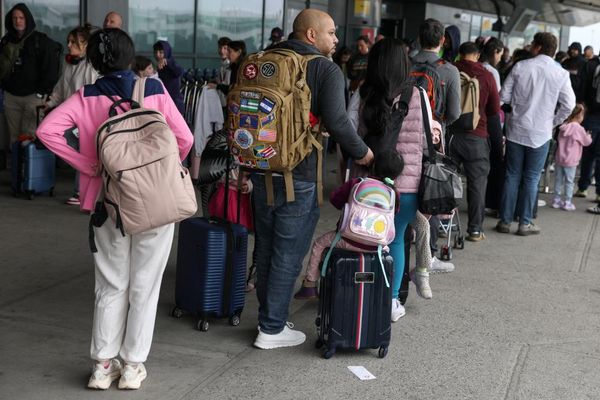
A frantic Western evacuation operation at Kabul’s airport has provided the only faint opportunity for many Afghans to escape the country in recent days, and crowds outside the facility have swelled since the militants seized power.
(With inputs from ANI)
Edited by Saptak Datta and Ritaban Misra