The size of a leafroller moth is small. It's a mere 1-1.5cm from the tip of the left to the right wing. It may be overlooked by many, but not by Nantasak Pinkaew. The 45-year-old moth taxonomist has found two new tortricid moth genera -- Sirindhornia and Kasetsartra -- and 27 species in the past 18 years. At present he is a lecturer at the Department of Entomology of Kasetsart University and the only expert in leafroller moths in Thailand.
Why are you interested in leafroller moths?
It started in 2001 when I wanted to pursue a doctoral degree. I wanted to be a taxonomist. My adviser recommended me to Prof Richard Brown of Mississippi State University. He is an entomologist and an expert in leafroller moths. At that time I had no idea about the moths, so I asked Dr Angoon Lewvanich -- a renowned entomologist who is an expert in small moths and used to work at the Department of Agriculture of Ministry of Agriculture and Co-operatives -- if studying the leafroller moths was difficult. Her answer was yes. I knew that if something was difficult, not many people would be doing it. So I decided to study the moths because if I kept on walking on this path, I would have a chance to do something or even discover something.
Why is this type of moth important?
The leafroller moth is named for the characteristic leafrolling habit of the larvae. When it becomes a leafroller moth, it typically has drably coloured wings. The night insect is considered as a tree fruit pest. Although the bug has not yet created any large damage to local farmers -- unlike in the Western countries, where the bugs damage fruit trees like apple or pear -- it is important to be able to identify species of the moth and to know how it lives and find a solution if there is damage.
Where did you find the first new genus?
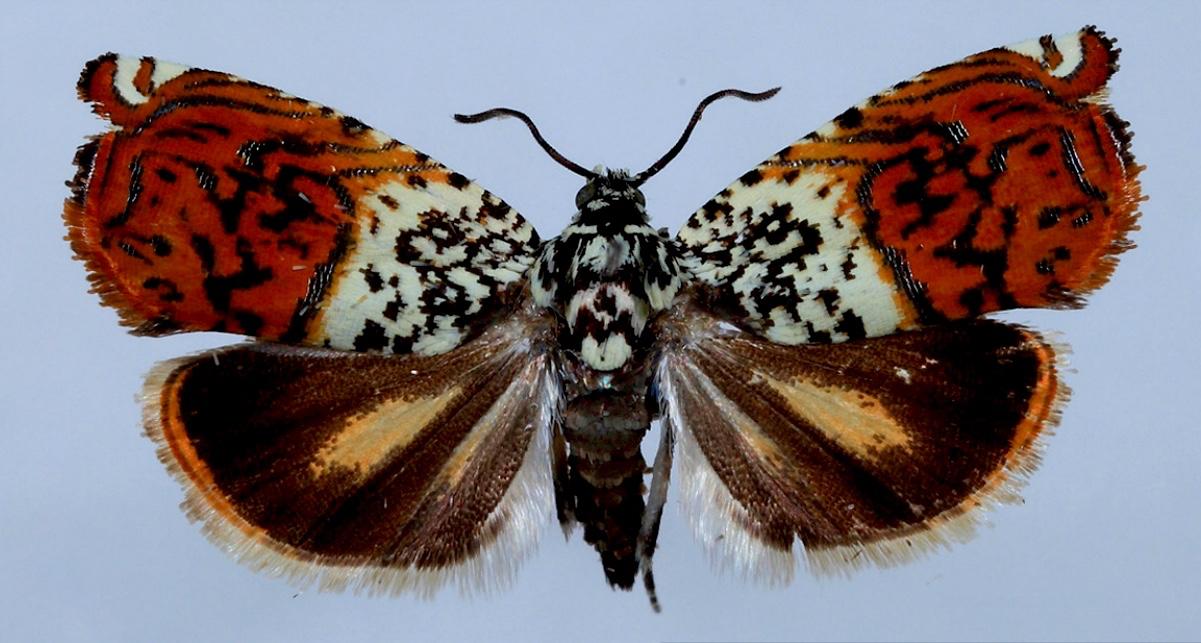
Sirindhornia is the first new genus I found in 2012 in the 70 rai site of the Ang-ed community forest area in Chanthaburi's Khlung district. It is the reforestation area where locals have grown rubber trees without cutting them down for 50 years. I was part of a research team studying the biological diversity of the site. The project was operated by the Chaipattana Foundation, whose executive chairperson is HRH Princess Maha Chakri Sirindhorn. When I found the moth, I knew that it was a new species because I had never seen it before. The weird thing was that I visited the site every month for a whole year, but I never found the moth again. When it was confirmed that the moth was not only a new species but also a new genus, I wanted to name it after the Princess to honour her support. The princess named the new genus Sirindhornia.
I also found four new species under the Sirindhornia genus in forests of Khao Nan National Park in Nakhon Si Thammarat, in Trat Agroforestry Research and Training Station and in Ang-ed community reforestation site. As a taxonomist who discovered new species, I gave names to the new species -- Sirindhornia pulchella, Sirindhornia chaipattana, Sirindhornia curvicosta and Sirindhornia bifida.
You have recently published an article about another new genus in Zootaxa Journal. Can you tell me more about it?
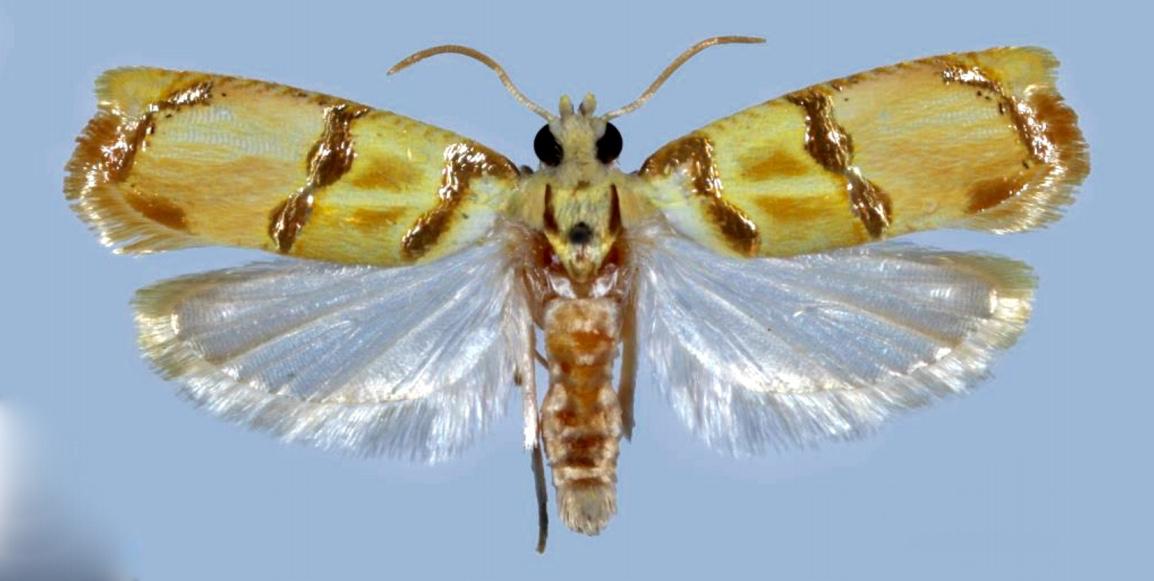
I was very excited when I saw the new moth. I had never seen this moth, which has pale yellow wings with golden tabs. My team and I found it in the lowland dry dipterocarp forest in Khao Yai National Park. I visited the place every month for a year -- from November 2009 until October 2010 -- and I found the moth every time in the area, but I can't find it in other parts of Khao Yai. I collected 149 specimens and it was confirmed that the moth is a new genus.
I named it Kasetsartra to honour Kasetsart University, where I graduated and where I work. I also named the species as Kasetsartra fasciaura due to its unique wing patterns.
How do you prove a specimen you find is a new discovery?
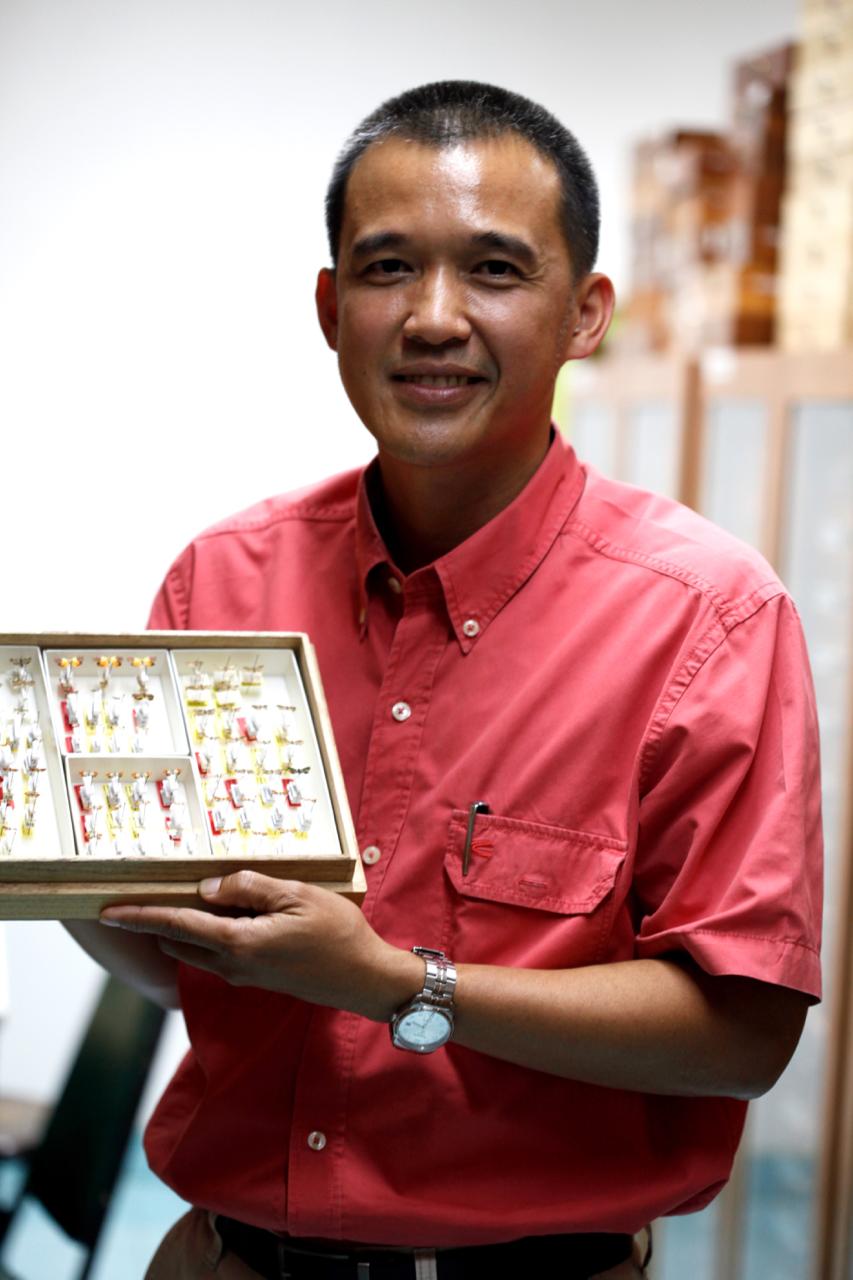
First is the experience. If you work in the field for more than a decade, you will be able to identify if a leafroller moth you see has high potential to be a new discovery. As a scientist, I have to have proof. I send pictures -- showing the whole body with wingspan and other lab pictures of morphological features like head, wings and genitals -- to entomologists at the British Museum, the Smithsonian, the Australian Museum and other experts I know. They will help check if the moth is new. If it is, I'll publish an article about the new discovery. The process took time, like with the Kasetsartra fasciaura I found in 2010, and the article was just published in December last year.
How many new leafroller species have you found during the past 18 years?
So far I've found 27 new species, including the four species of the Sirindhornia genus and the Kasetsartra fasciaura.
What's the workday like for a leafroller-moth taxonomist?
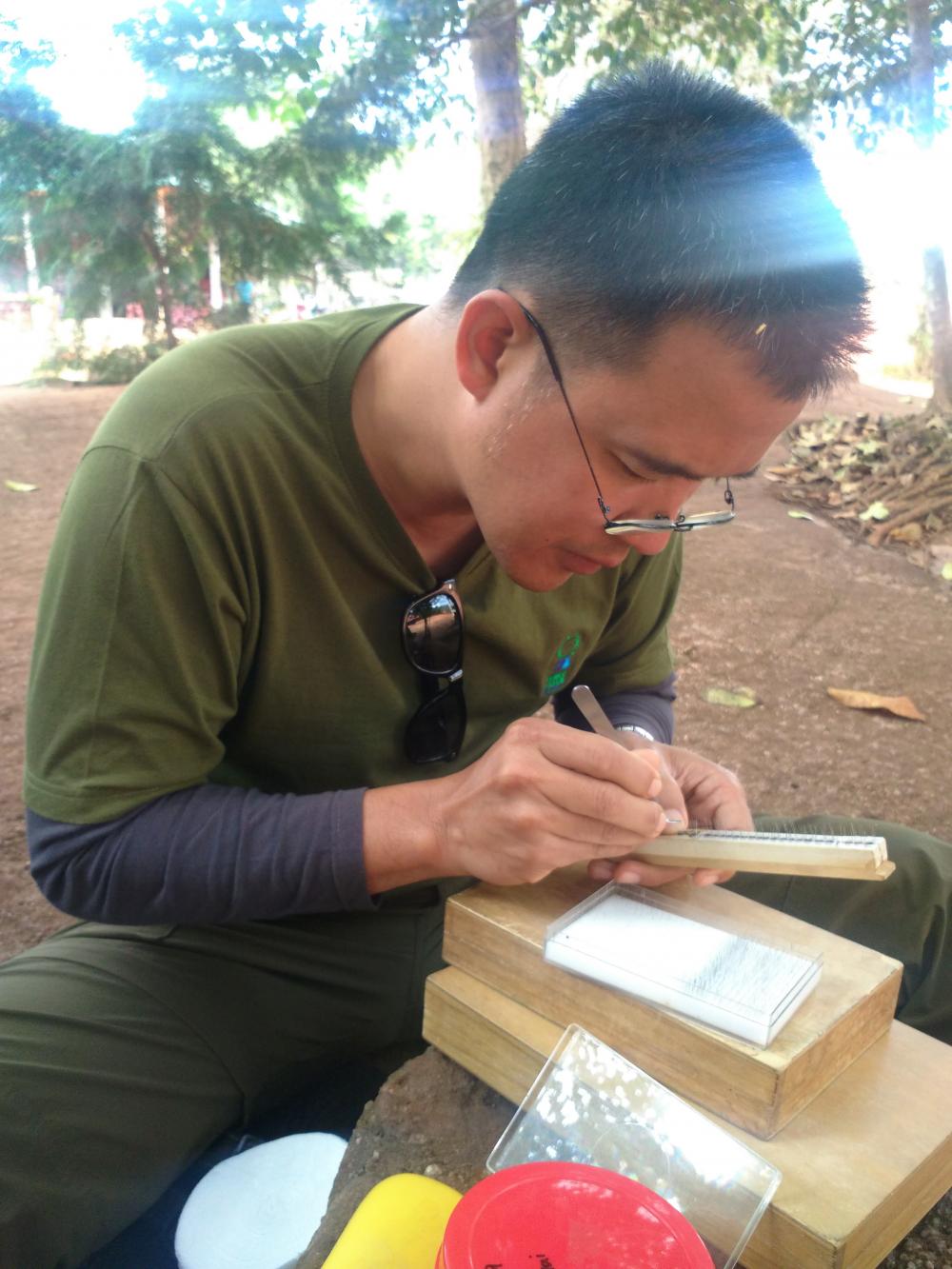
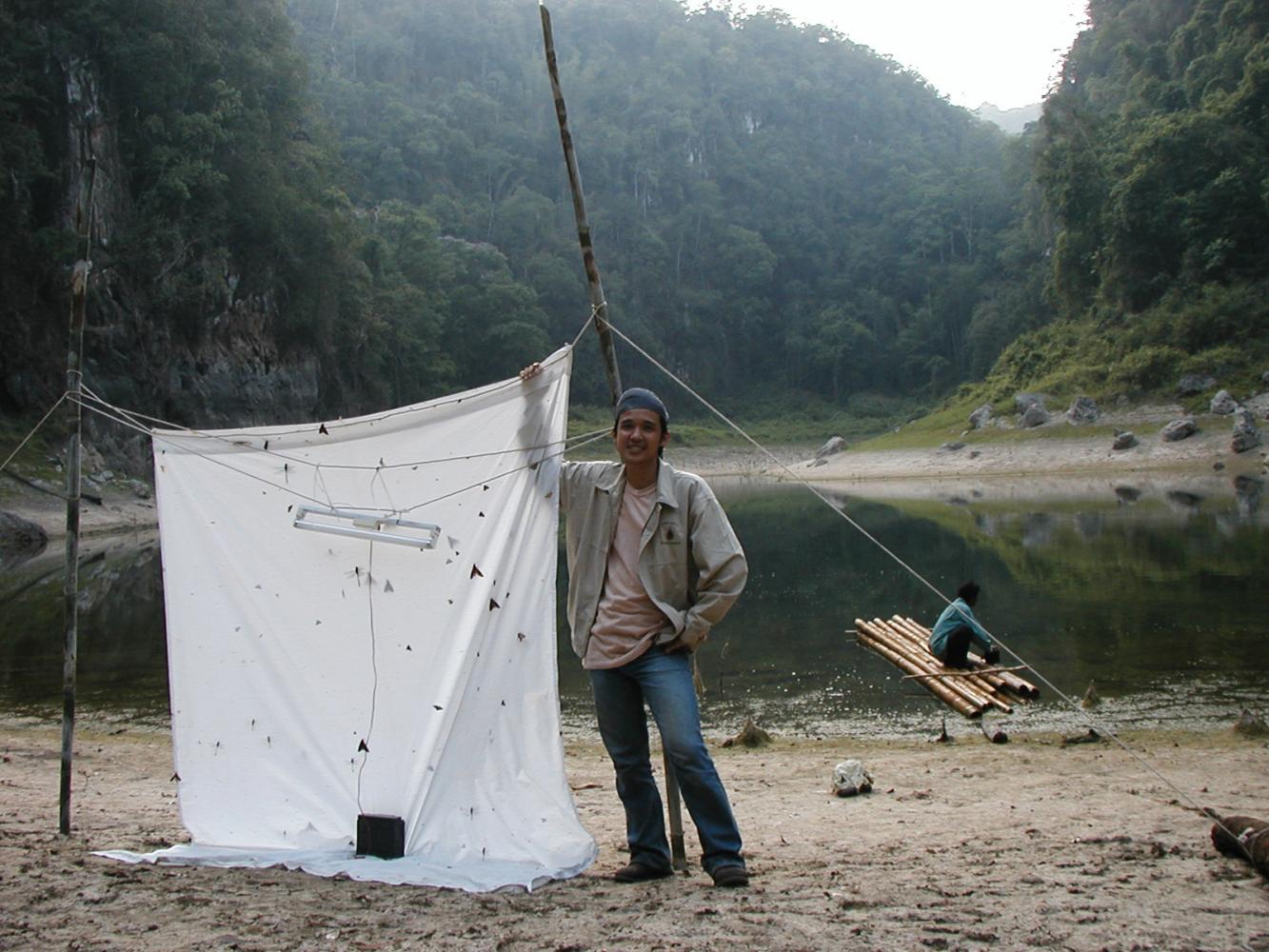
The work starts at night-time. I choose new-Moon nights. I go with my team sometimes. I also bring my students with me so they can have first-hand experience. When we find a site to camp on, we set up a moth trap, which consists of a sheet of white cloth (2m by 2m) and a mercury vapour lamp. Night insects will be attracted to the light and will land and form on the sheet set behind the light. We collect leafroller moths or other insects we want to study. We collect samples every three hours, from dusk till dawn. When we remove the sheet, other bugs will automatically fly away.
Later our team will bring the samples to work on in a laboratory to find more details about their structure, record information and take pictures.
How many leafroller moths have you collected and what do you do with new species?
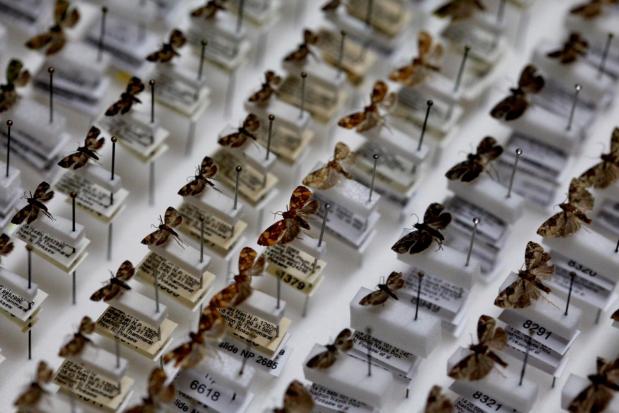
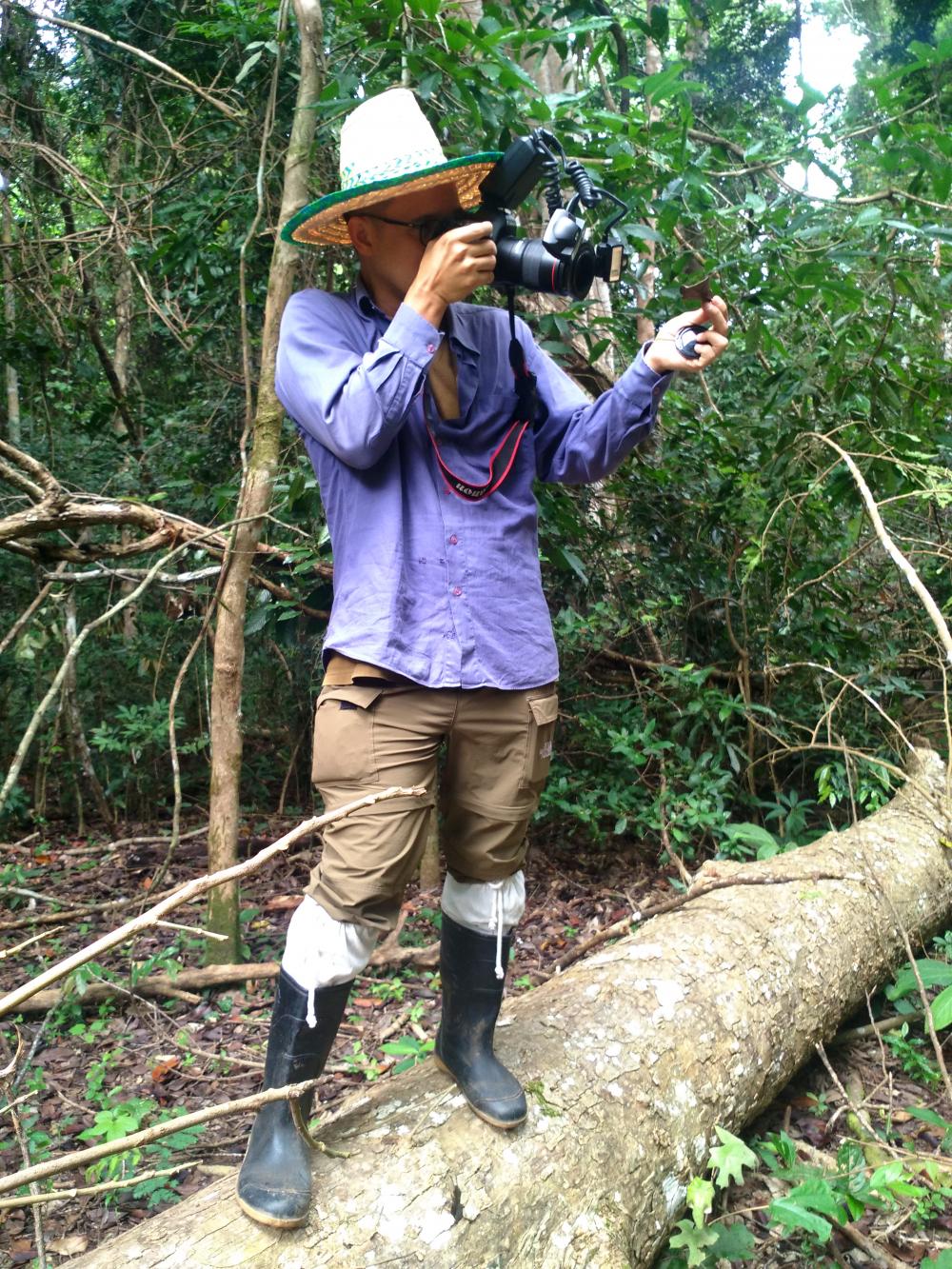
So far I have collected more than 12,000 specimens. For the species, I will send some specimens to leading museums. It is because each new species is regarded as a heritage of the world. I must not keep it to myself.
Normally, I submit one specimen to the British Museum, which has more than 34 million insects and arachnids, and the Smithsonian in Washington, DC, which has over 35 million specimens in the insect collection. I try to distribute them to other worldwide museums, as many as possible. In Thailand, we submit them to the National Science Museum.
Those specimens will be references to other entomologists, to check if their discovery is a new species or not. Other than that, I keep them in our museum in the Department of Entomology and some of them are used in my classes.
How do you see the future of taxonomists in Thailand?
It is hard to find a new generation that will be interested in taxonomy. It might be because being a taxonomist requires hard work, while the scope of work is limited to being either a researcher at a museum or a lecturer. But the nation needs more taxonomists in every field because we are in the field of building knowledge. I am very glad to learn that HRH Princess Maha Chakri Sirindhorn is interested in taxonomy and has initiated projects to open a chance to build new taxonomists, like a genetic-conservation project in the area of Sirindhorn Dam in Ubon Ratchathani, and other coming projects in Khao Yai and Kaeng Krachan national parks.
What are your plans for the future?
I plan to publish a book about my knowledge of the leafroller moths I have found in Thailand during the past 18 years. I will keep updating the database by exploring more mountainous areas in the North, the Northeast and the South. I now have a team whom I assign to study the pupae of the moths. I'm sure my team and I will have a chance to discover new leafroller moth species in Thailand in the future.