For Nam Sing Thapa, a retired Gurkha soldier living in Hong Kong, the lotus-shaped Hindu Temple in Fanling carries many stressful yet unforgettable memories of his days serving in the British army half a century ago.
The 75-year-old said that in the 1960s, he and his platoon mates would assemble at the building in Queen’s Hill Camp every morning for prayers and religious lessons.
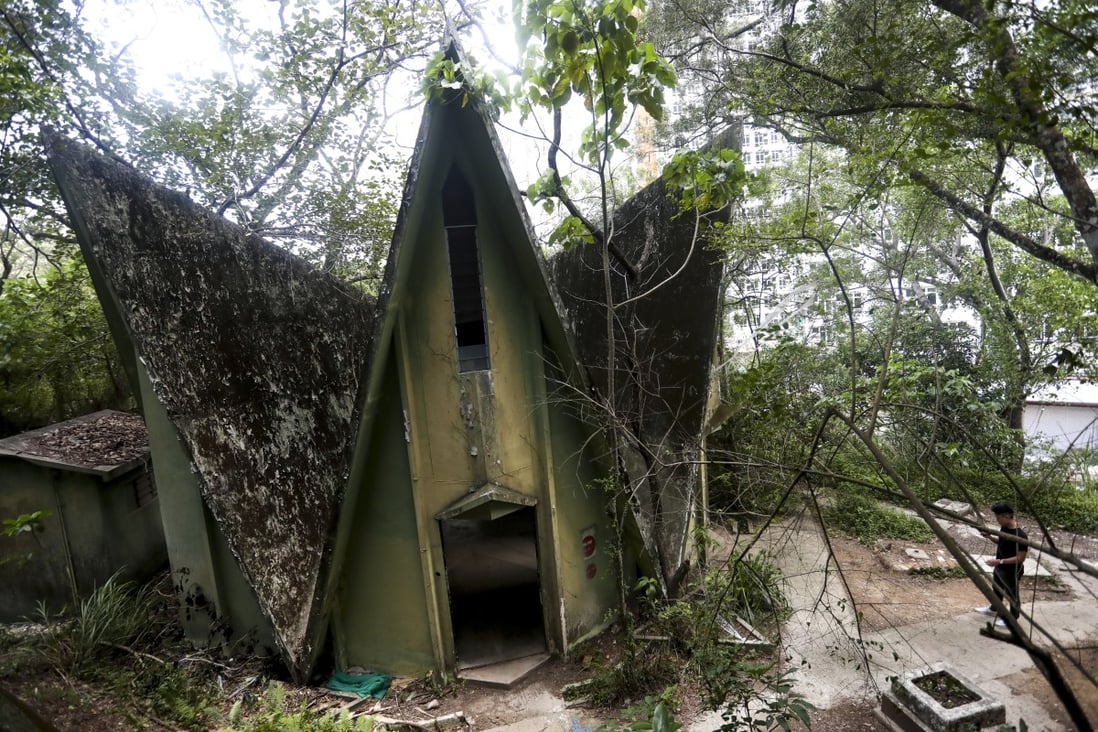
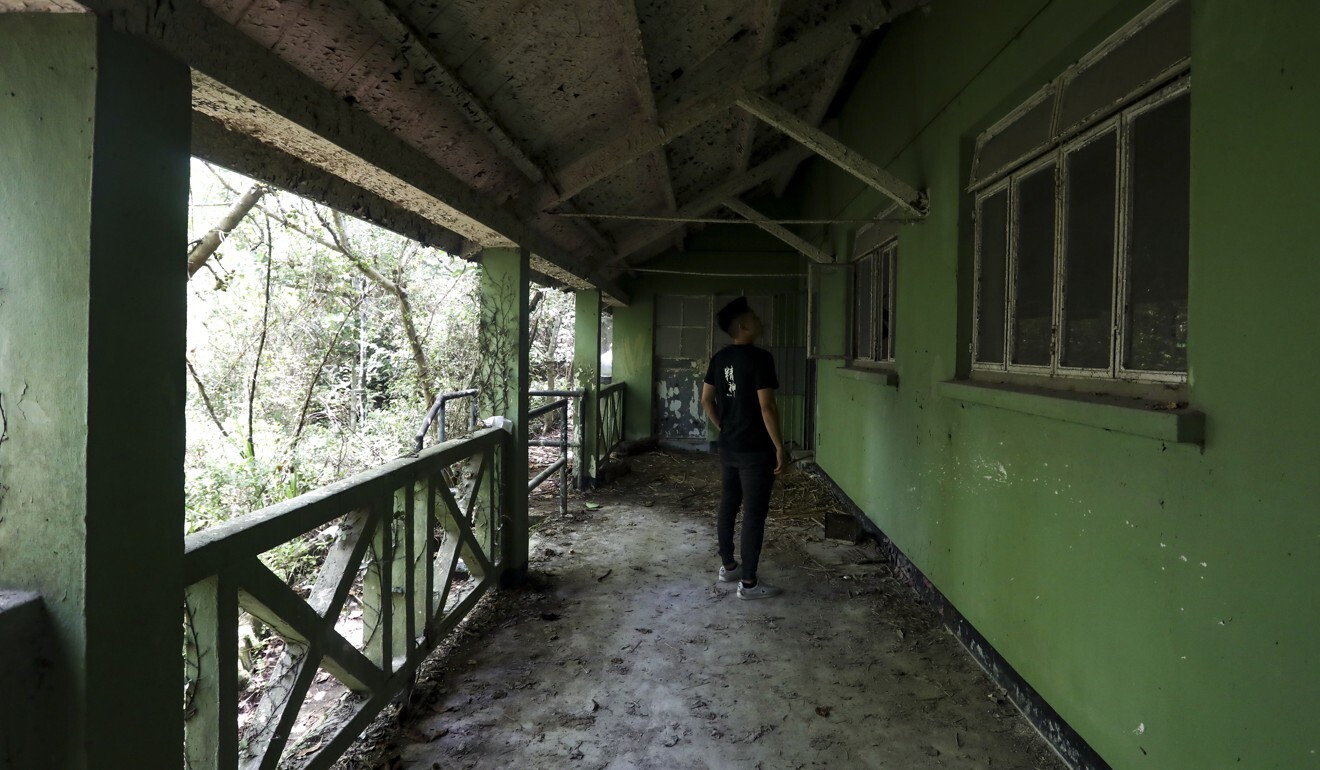
The house of worship, one of two remaining Gurkha temples in Hong Kong, is under the jurisdiction of the Lands Department but has fallen into disrepair and there are calls to repair it and maintain the surroundings.
Recalling his daily visits to the temple, he said although he was Buddhist, he and other non-Hindu Gurkhas had to practise Hinduism in Hong Kong as required at the time by Nepal, where they had come from.
“We had to come out at 7am for prayers,” said Thapa, who was about 18 when he arrived from Nepal in 1962. “It was very strict and had to be done, otherwise the [superiors] would keep us until midnight. They were always shouting at us nastily.”

But there were other memorable occasions, especially during Dashain, the 10-day annual Nepalese festival celebrating the victory of good over evil.
On the ninth day, Gurkha soldiers would conduct animal sacrifices at the temple with a live buffalo and chicken. They chopped off the heads to signify the killing of demons.
“If you chop off the buffalo’s head in one go, that means you’ll have a good future. If you have to take two chops, then your future won’t be good,” said Thapa, who is married with six children, some of whom live in Nepal.
The temple’s history is intertwined with the Gurkha presence in Hong Kong. Famed for their resilience and bravery, the Nepalese soldiers arrived as part of the British army in 1948 and their main role was to patrol the city’s ports to deter illegal immigrants.
This is not the Gurkha history book you’ve been looking for
They also provided humanitarian relief during natural disasters, and maintained social stability, including helping the police suppress riots in 1967.
According to the Antiquities and Monuments Office, the temple was built in the 1960s and fell into disuse in 1996, a year before the British returned Hong Kong to China.
With the end of colonial rule, Hong Kong’s Gurkha brigade was disbanded. Some soldiers, like Nam Sing, stayed on in the city to raise their families, and their descendants make up most of the city’s Nepalese community which numbered more than 25,000 in 2016.
While the disused building offers a unique photo-taking backdrop for hikers, accessibility is limited with a lack of proper pavements and a metal fence sealing off the premises. Its roof and exterior are overrun by creeping vines and trees, while cement and paint are chipping off.
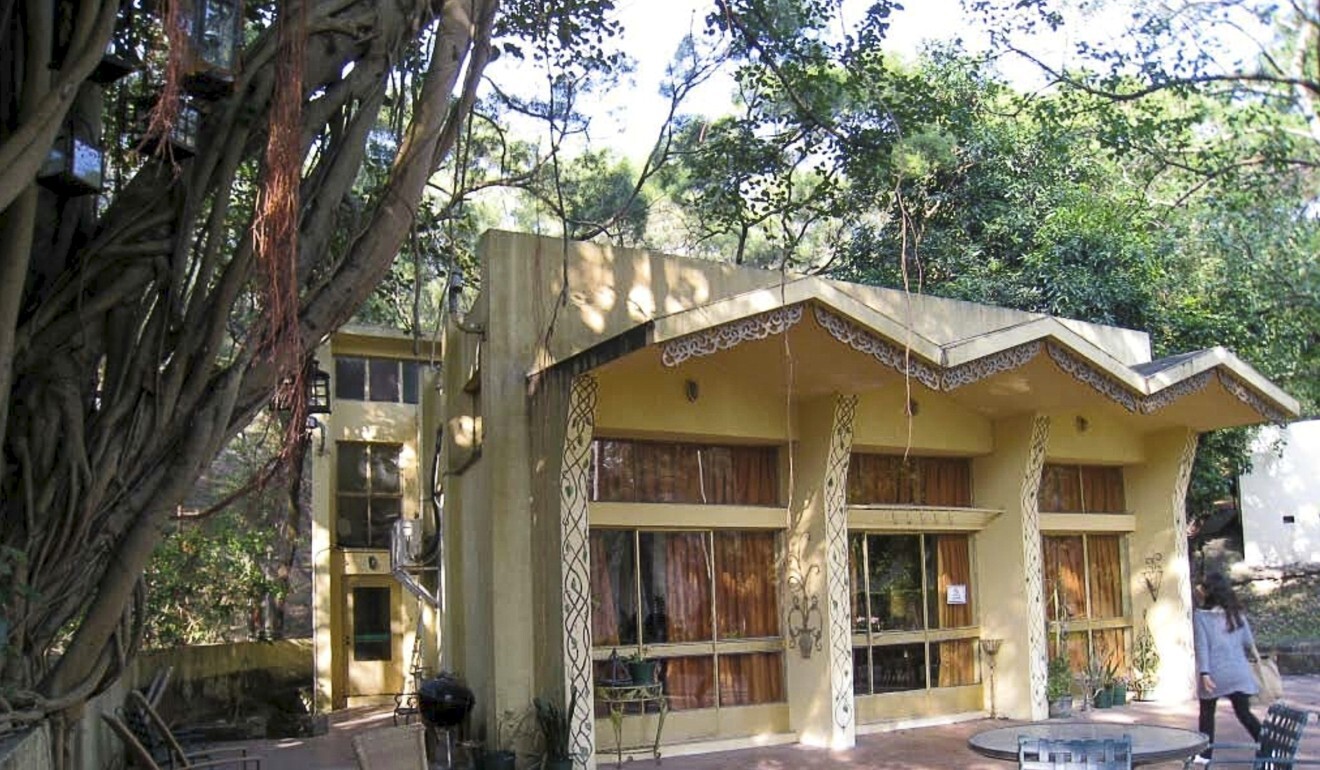
The temple is just a few metres from the construction site of public housing flats coming up in the area.
Jasper Law Ting-tak, chairman of North District Council, is concerned that as more than 30,000 new residents move in later this year, the temple may be exposed to vandalism.
He hoped the government could repair the temple and improve access to it.
The antiquities office has described the temple as a “very rare and unique structure” in Hong Kong. It has been accorded grade-three heritage status, which means the office considers it to be “of some merit” and that “preservation in some form would be desirable, and alternative means should be considered if preservation is not practicable”.
Its hexagonal shape is meant to resemble a lotus, which represents beauty and holiness in Hinduism.
Hong Kong panel backs grade one status for three reservoirs
Lee Ho-yin, director of the architectural conservation programme at the University of Hong Kong, believes the site could be the world’s first modernist Hindu temple in the shape of a lotus. Delhi’s Lotus Temple, built in 1986, is on a much grander scale, he added.
The only other Gurkha temple in Hong Kong is at the former Perowne Barracks in Tuen Mun, and is a single-storey building resembling a mushroom. The premises are now used by a non-profit organisation.
The Development Bureau told the Post that if the public could provide “solid information” to show its heritage significance of a site that was already graded, the antiquities office would assess the information and send it to an expert panel to review if necessary. A one-month public consultation will be conducted before a new grading is confirmed.
Amod Rai, founder of the Gurkha Cemeteries Trust, an organisation that educates people about the Gurkhas, said the temple presented an opportunity to better tell the stories of the city’s ethnic minorities.
He said the government’s attitude appeared to be that “the Gurkhas are just part of colonial history”, but there was more than that.
His organisation has been working with academics, such as conservation architect Curry Tse Ching-kan, to research and connect the Gurkha experience to part of Hong Kong’s history.
Tse found it interesting that the Nepalese government struck a deal with the British to provide Hindu temples for Hong Kong-based Gurkhas, but non-Hindus who practised Buddhism or other indigenous religions also went there.
In presenting the temple’s history, he said there was “something more than Hinduism”.
Tse added that five other barracks in Hong Kong, each with a Gurkha temple, had been demolished.
Rai said the Nepalese in Hong Kong today practised a variety of religions, including Buddhism and indigenous religions, and the Queen’s Hill Camp temple could help to present a more authentic account of the community’s experience.
“We want the Gurkha temple to be where Nepalese and non-Nepalese can come to understand the Gurkhas, their religion and culture better,” he said.