You have performed a great service, by summarising “the full story” (How immigration came to haunt Labour, 24 March). It is a masterly account. It differentiates clearly between the asylum and the managed migration systems, a distinction that is not fully appreciated by the public, or even by the press. And it gives, for the first time that I recall, a balanced account of the 2004 EU enlargement, when the UK, Ireland and Sweden were alone in opening their borders, without constraints, to eastern European jobseekers.
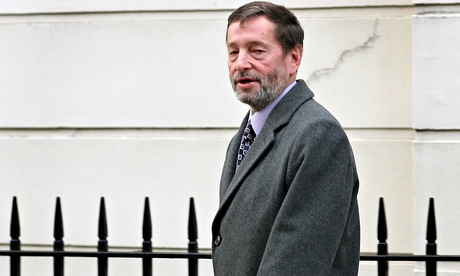
But your account fails to explore the political drama of those events, as I remember them. Some eight weeks before the 2004 changes were due to come into effect, nearly all the existing EU member states were committed to unconstrained open borders. Within that short space of time, everything changed: France, Germany and Italy “took fright” and opted for transitional constraints. Only the UK maintained its principled position, with the support of Ireland and Sweden. Among the major states, David Blunkett stood alone. This astounding international U-turn was completed within three or four weeks. Is my memory correct? If so, it puts a rather different gloss upon these dramatic events, and upon any “blame” to be placed on Labour for what occurred.
Roger Warren Evans
Barrister and immigration adviser (retired), Swansea
• Missing from your analysis of Labour’s handling of immigration is any comparison with the approach of other governments to the accession of 10 new states to the EU in 2004. In Germany, Austria, France and Italy months of public debate led to the imposition of seven-year transitional controls – the maximum possible – largely because of pressure from the trade unions and leftwing parties. The Blair government’s avoidance of public debate, and its decision to allow immediate, unrestricted opening of the borders, was greeted with astonishment in the accession states – and elsewhere.
Dr John Doherty
Vienna, Austria
• With a world population growing at a billion every 12 years, and with sea levels rising and liable to destroy deltas like that in Bangladesh, world problems of migration are going to get much, much worse.
Roger Plenty
Stroud, Gloucestershire