Get all your news in one place.
100's of premium titles.
One app.
Start reading
The Japan News/Yomiuri
Lifestyle
Steve Mauro / Japan News Staff Writer

Take a trip back to glory days of trolley transit on Tokyo's historic Toden Arakawa Line

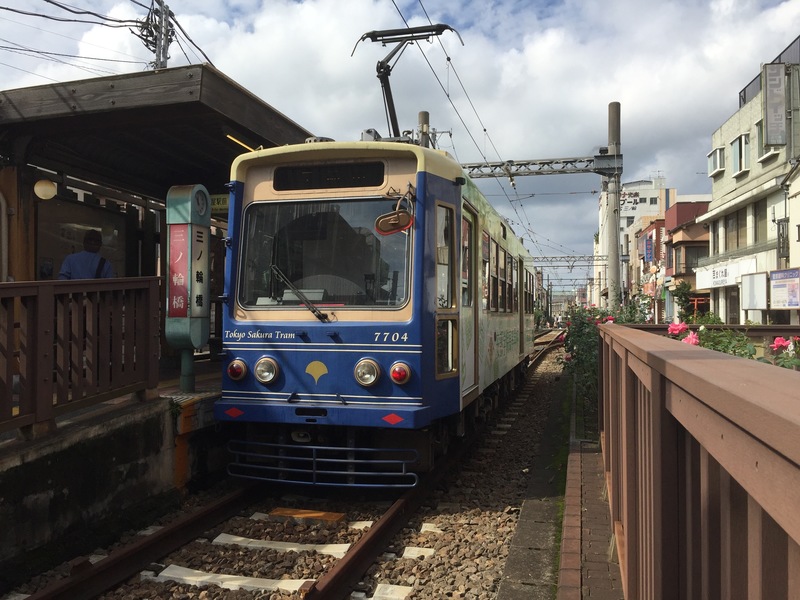
Minowabashi, the eastern terminal of the Toden Arakawa Line, is re-created to look like a station from the good ole days of trolley transit. It has vintage station signs and a small information center with a diorama and books on the line's history. (Credit: The Yomiuri Shimbun)

If history is your cup of tea, there's nothing closer to a time machine than the Toden Arakawa Line. The 12-kilometer line passes through 30 stations in Tokyo's northern suburbs, and is the last remnant of the once-extensive streetcar system operated by the Tokyo metropolitan government. Riding the line is an experience in itself, offering small joys not found on more efficient underground subways -- like brightly painted streetcars bedecked in posters created by local high school students, or the chance to take in seasonal treats like rows of roses or cherry trees.

Besides the streetcars themselves, there are also a number of traditional shopping streets and historical sites near the stations along the line. Near Minowabashi Station, the eastern terminal, is Joyful Minowa, a 400-meter covered shopping street that offers an undiluted taste of traditional downtown charm with its many cafes, restaurants and food stands.

Heading westward from Minowabashi toward Oji-Ekimae Station, you may notice that the track doesn't run directly on the road -- a clue as to why the line survived when the trolley system was dismantled in the 1960s and 1970s. The Arakawa Line was originally a private line on a dedicated railway track, so it inconvenienced cars and buses less than the other trolley lines when the age of the automobile arrived. Still, in it's peak year of 1943, 1.93 million people used Toden trolley lines each day on average, according to the Tokyo Metropolitan Bureau of Transportation.
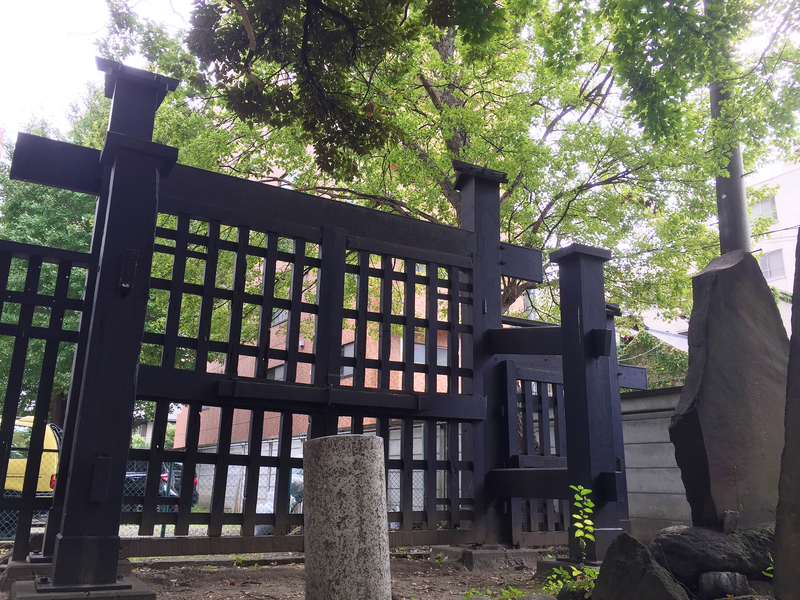
Minowabashi: Relics of war History buffs should be sure to visit Entsuji temple north of the station to see its "black gate," a precious relic from Japan's turbulent Bakumatsu period. The gate once stood at the Tokugawa funeral temple of Kaneiji and still bears scars from the Battle of Ueno, at which forces loyal to the Tokugawa shogun were defeated by samurai seeking to restore imperial rule. Tokugawa loyalists who died in the battle are also buried here. (Credit: The Yomiuri Shimbun)

Oji-Ekimae Station is nestled beneath the slopes of Asukayama Park, a famous cherry-viewing spot founded by the eighth Tokugawa shogun, Yoshimune. One reason the trolley was originally put through to Oji was to take revelers to Asukayama during cherry blossom season.

After maneuvering a curved slope beside the park -- one of the few sections that actually runs on the street -- you'll start heading south toward the other terminus at Waseda Station. One must-see spot along this stretch is Zoshigaya Kishimojin temple near Kishibojinmae Station. It contains a massive 700-year-old ginkgo tree surrounded by stately red tori gates, and a dagashiya candy shop called Kami-Kawaguchiya that has reportedly been selling sweets for nearly 240 years.

Riding the trolley today is probably a more relaxing experience than it was in its heyday. The writer Junichiro Tanizaki (1886-1965) described rush hour on the streetcars just after the war as "murderous." Today, however, people looking to indulge a sense of nostalgia can enjoy the trip without that level of congestion, before returning to a subway line and speeding back to the 21st century.
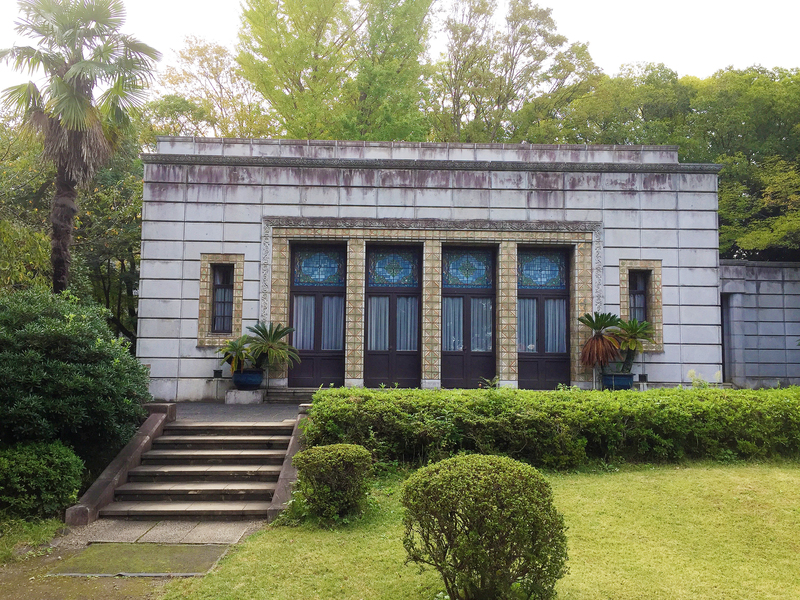
Oji-Ekimae: Intimate look at Shibusawa Eiichi Shibusawa, the "father of Japanese capitalism" and future occupant of the 10,000 yen note, passed his later years at a Western-style residence that was adjacent to Asukayama Park. A museum dedicated to the industrialist now stands at the site, while nearby are two buildings that were part of Shibusawa's homestead -- a beautiful art deco library built in 1925 (seen here) and a tea room where he hosted business leaders and dignitaries. Both buildings and the museum are closed for renewal until March 2020. (Credit: The Yomiuri Shimbun)
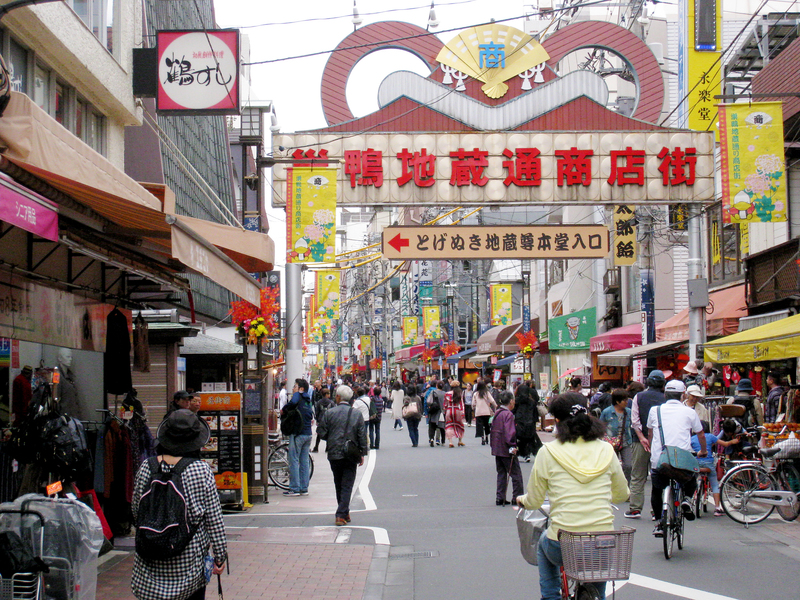
Koshinzuka: Where grandmas go for fun Just south of the station is the entrance to Sugamo Jizodori shopping street -- affectionately known as "Grandma's Harajuku" -- a lively route with more than 200 stores and restaurants that attracts elderly shoppers. (When I went, many shops had tables and chairs out front so customers could take a load off.) Be sure to stop by Koganji temple, a popular holy spot known for its statue of Togenuki Jizo ("the thorn-removing bodhisattva") and curative water. Stalls also line Jizodori street during fairs on the 4th, 14th and 24th of each month. (Credit: The Yomiuri Shimbun)
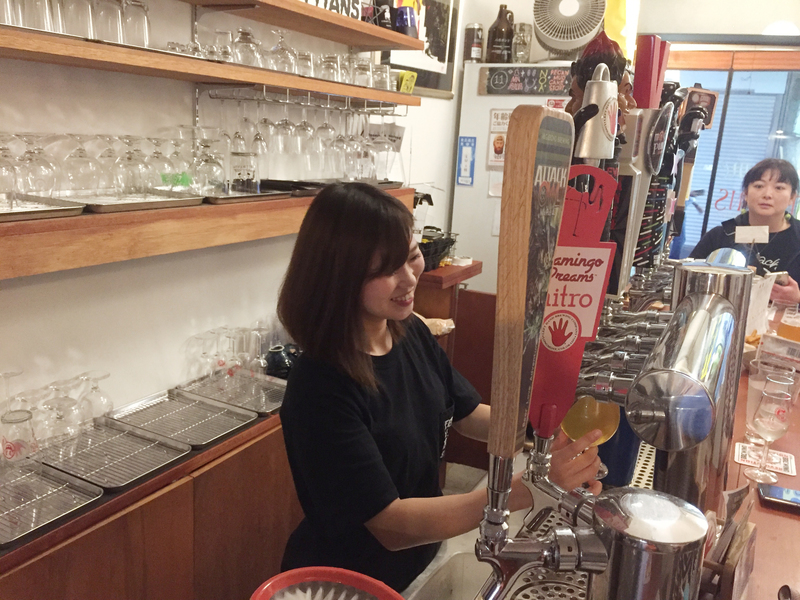
Otsuka-Ekimae: Quench your thirst right beside the tracks Just a hop, skip and a jump from the trolley tracks in Otsuka is Titans Craft Beer Taproom, a cozy three-floor pub that was founded by two American craft beer importers. It has a wide range of bottled brews and beers on tap, and also hosts regular open-mic comedy nights. It makes for a great pit stop after a day of exploring along the line. (Credit: The Yomiuri Shimbun)

Read more from The Japan News at https://japannews.yomiuri.co.jp/

Sign up to read this article
Read news from 100's of titles, curated specifically for you.
Already a member? Sign in here
Related Stories
Top stories on inkl right now
One subscription that gives you access to news from hundreds of sites
Already a member? Sign in here
Our Picks
Fourteen days free
Download the app
One app. One membership.
100+ trusted global sources.