TAIPEI/GENEVA -- The administration of Taiwan President Tsai Ing-wen is working hard to attend the World Health Organization's general assembly, scheduled to begin May 18, as an observer, with their campaign to win support from the international community gearing up.
They are working to use international cooperation regarding thenew coronavirus to counter China's strategy to keep Taiwan out of the international community.
The U.S. State Department's Bureau of International Organization Affairs posted, "The world needs Taiwan in this fight" against COVID-19, on its official Twitter account on May 1. The U.S. Mission to the United Nations and other groups responded, and posts with the hashtag #TweetforTaiwan exploded on social media.
A spokesperson for the Taiwanese Foreign Ministry immediately thanked the United States on May 2 for its support and called for further support from the international community.
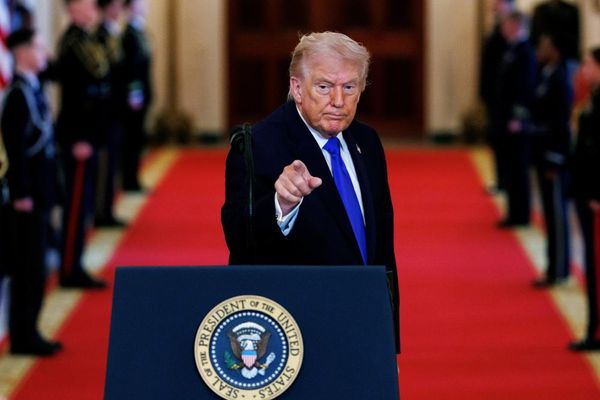
U.S. President Donald Trump's administration's support for Taiwan is a means of shifting the blame for the spread of the virus to China and the WHO ahead of the U.S. presidential election. Keeping this in mind, the Tsai administration is expanding its cooperation with the United States.
The Chinese government of President Xi Jinping has stepped up diplomatic pressure on the Tsai administration, which does not accept the "One China" principle. Thus, for the third consecutive year, Taiwan has been barred from participating in the World Health Assembly, the WHO's general meeting.
Since the Tsai administration took office in 2016, seven countries broke off diplomatic relations with Taiwan, with countries maintaining diplomatic relations dropping to 15. Taiwan was also excluded from the International Civil Aviation Organization (ICAO).
At the WHO general assembly held in May 2019, nonmembers such as Vatican and the Palestinian National Authority were permitted to participate as observers. This year's assembly will be held online. If Taiwan is not able to participate, it will lose the opportunity to share the latest information it has on the new coronavirus and to exchange its views with other countries, regions and international organizations.
"We regret that a certain authoritarian government continues to value political consideration over global health security and insist on excluding Taiwan from the WHO," the Taiwan Mission in Geneva said on May 2.
Since China has been calling for international cooperation to deal with the spread of infections of the new virus, Taiwan's government apparently thought it could easily win the support of the international community. Japan has expressed its support for Taiwan's participation.
The Xi administration has maintained a strategy of driving Taiwan into international isolation that could eventually lead to the unification of China and Taiwan. If support for Taiwan's participation in the WHO spreads in the international community, however, this strategy could be derailed.
A spokesperson for the Chinese delegation to Geneva said Taiwan's participation in international organizations must be handled in accordance to its "One China" principle, reiterating China's opposition to Taiwan participating.
China is also working to expand its influence on the WHO. The Xi administration has announced a 30 million dollars (3.2 billion yen) donation to the organization to help combat the new virus. The decision was made in response to a U.S. announcement that it would suspend its financial contribution to the organization.
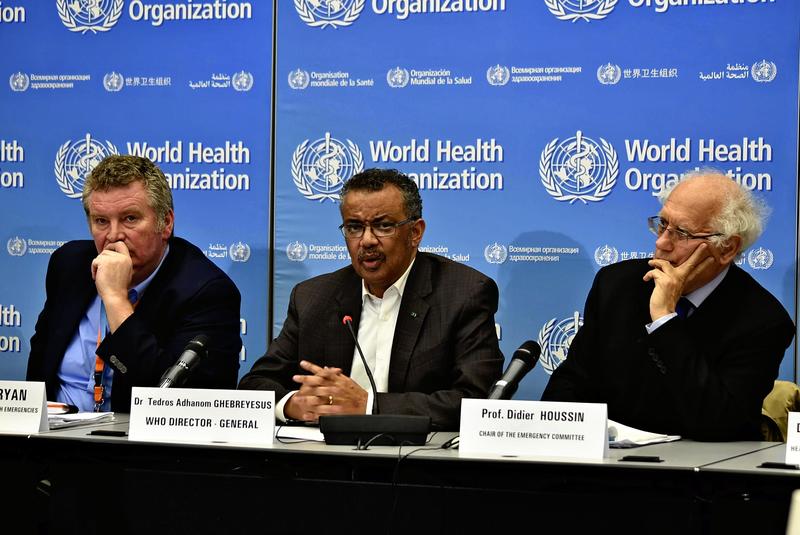
WHO Director General Tedros Adhanom Ghebreyesus, who has been accused of being "China-centric" by the United States and others, toughened his stance against Taiwan. In early April, the director general said he had been subject of personal threats and racist comments for three months, pointing to Taiwan as being behind such moves. With regard to an email message sent from the Taiwanese authorities to the WHO, Tedros claimed the message did not warn about the risks of the virus' human-to-human infections. This claim runs counter to what Taiwan is stating.
The WHO allowed Taiwanese experts to participate in a study meeting in February. However, the WHO has not responded as of Sunday to a letter sent to the U.N. health agency by Taiwan's Health and Welfare Ministry, asking it to allow Taiwan to attend the general assembly, according to Taiwan's Central New Agency.
Read more from The Japan News at https://japannews.yomiuri.co.jp/