Taiwan plant hunters race to collect rare species before they're gone
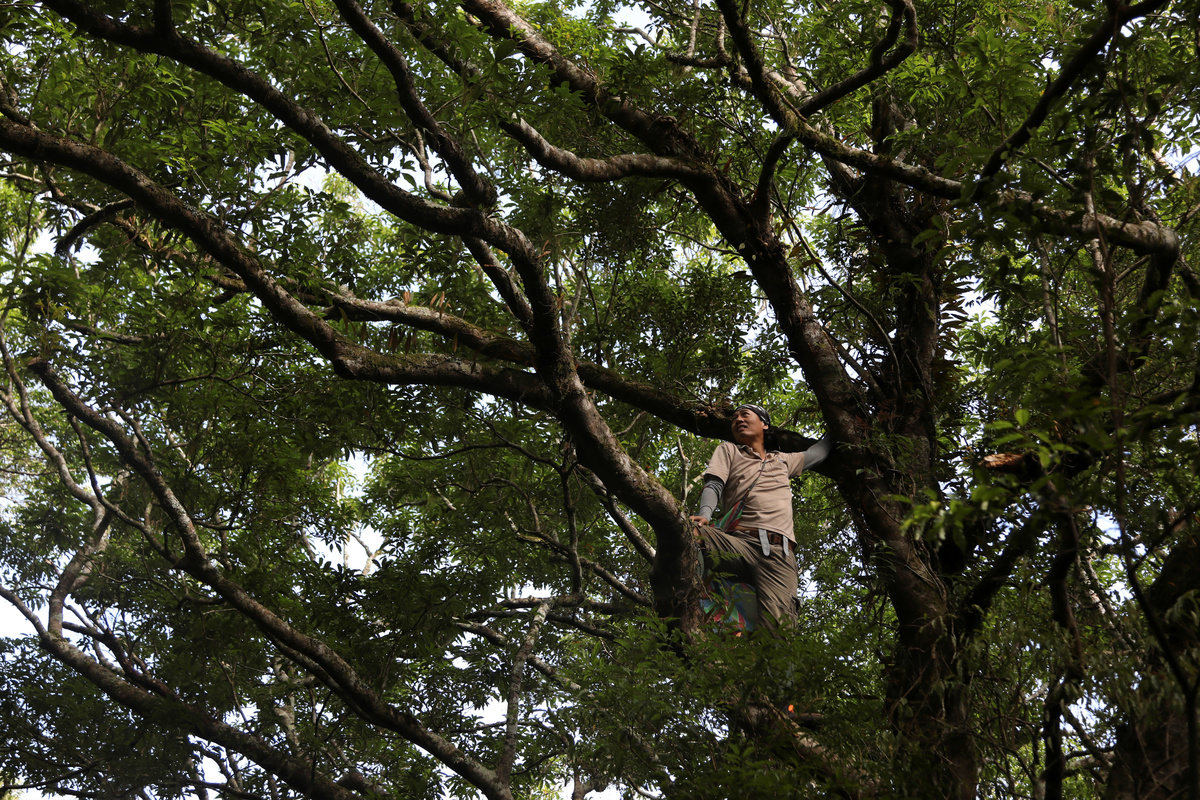
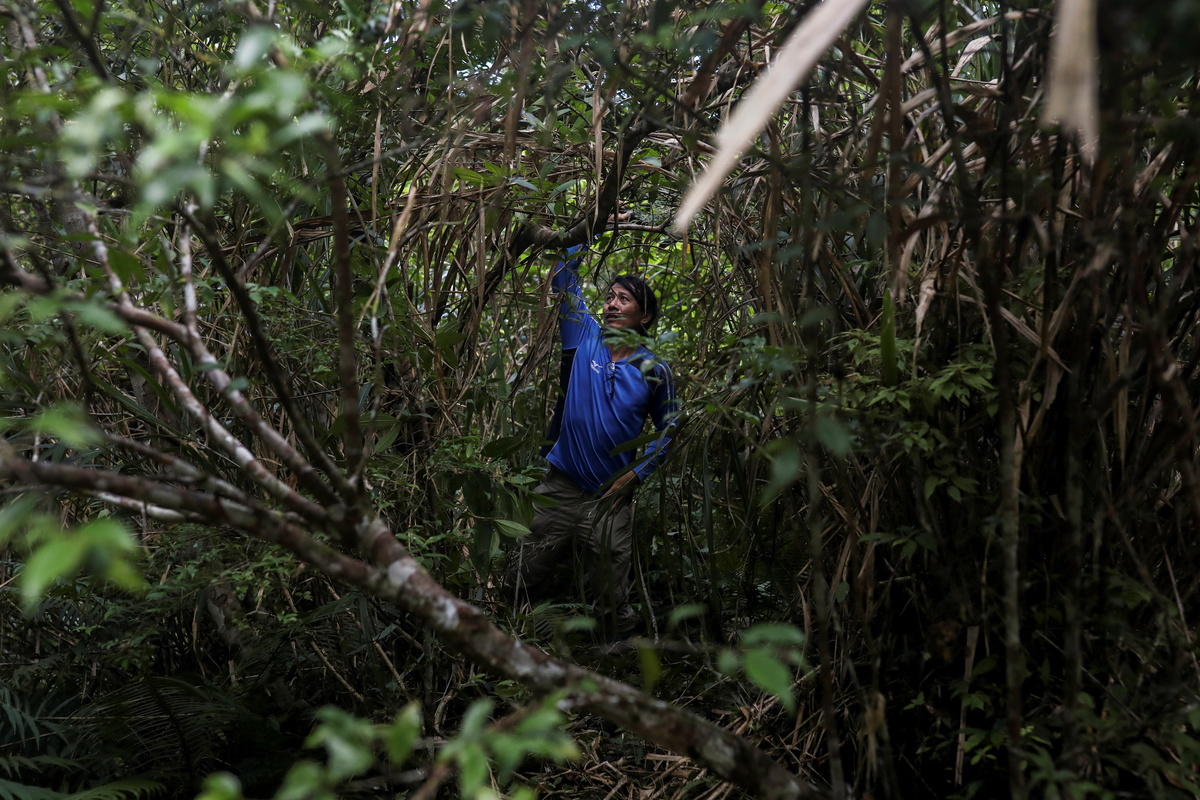
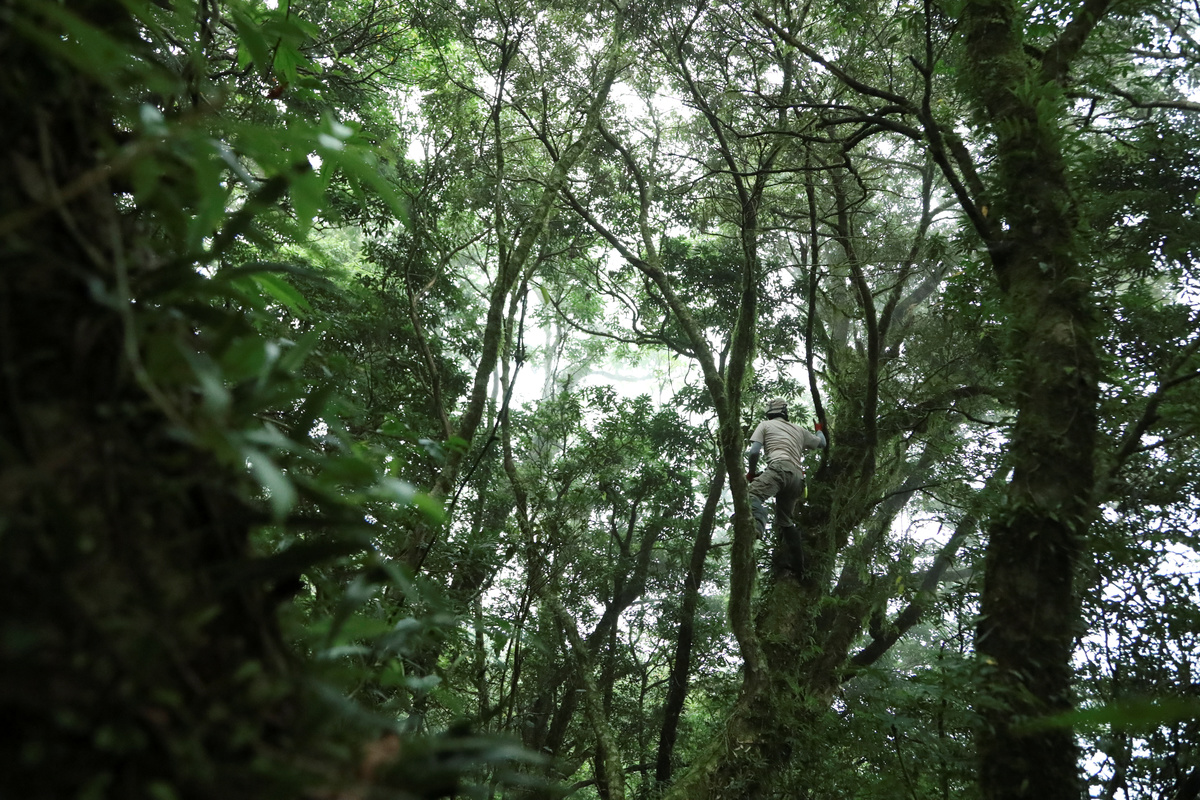
Hung Hsin-chieh, a research assistant who works for Dr. Cecilia Koo Botanic Conservation Center, climbs a tree as he looks for endangered plants to collect in Jin Shui forest, Pingtung, Taiwan, September 11, 2020. "Not everyone can get to the places I go to. I can stay a long time out in the wild, in the mountains or forests. I go in scattered directions. I am very good at climbing trees. Not everyone can climb trees," Hung said. REUTERS/Ann Wang
In the forests and on remote offshore islands of Taiwan, a group of conservationists are racing to collect as many rare plant species as they can before they are lost to climate change and human encroachment.
Overseen by the Dr. Cecilia Koo Botanic Conservation Centre, the plant hunters are scouring sub-tropical Taiwan for as many rare plant samples as they can find, from the rugged eastern coast around Taitung to Dongyin, in the Matsu archipelago.
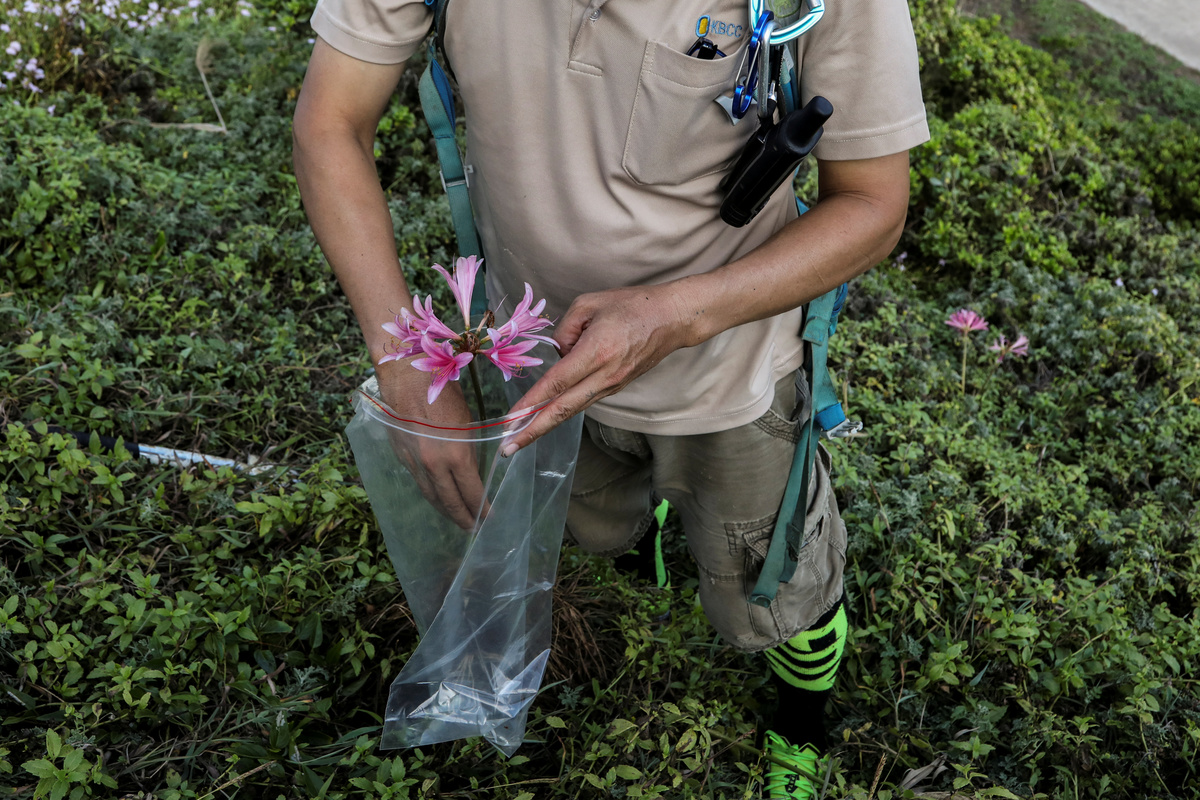
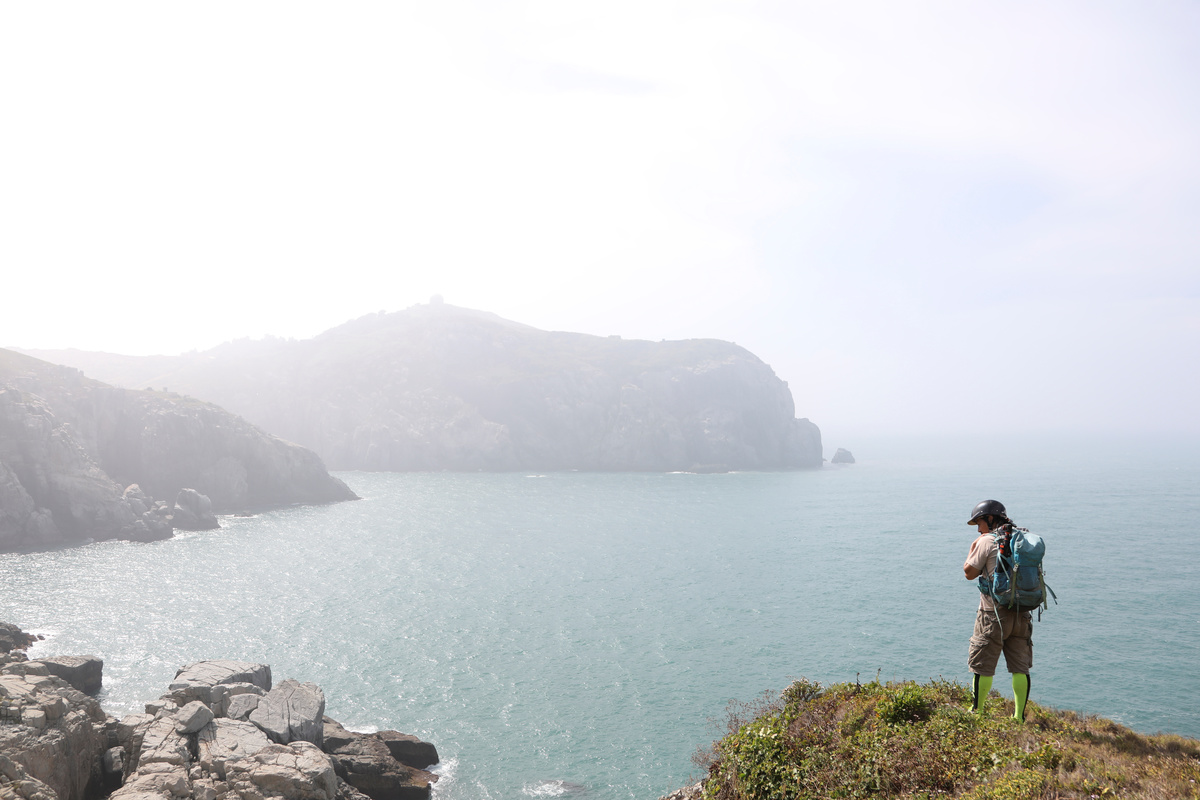
Hung Hsin-Chieh, a research assistant at Dr. Cecilia Koo Botanic Conservation Center, collects Lycoris sprengeri, a type of flower, in Dongyin, Matsu, Taiwan, August 17, 2020. REUTERS/Ann Wang
"I started collecting plants when I was still at school. I didn't used to think it was that important. But since I began working at the conservation centre, I have realised that many (living) things that used to be there, are there no longer," said Hung Hsin-chieh, a research assistant at the conservation centre.
"So for many things, if you don't conserve them properly then perhaps in the future you'll no longer be able to find them."
Industrialised Taiwan is best known for its mass production of technological goods.
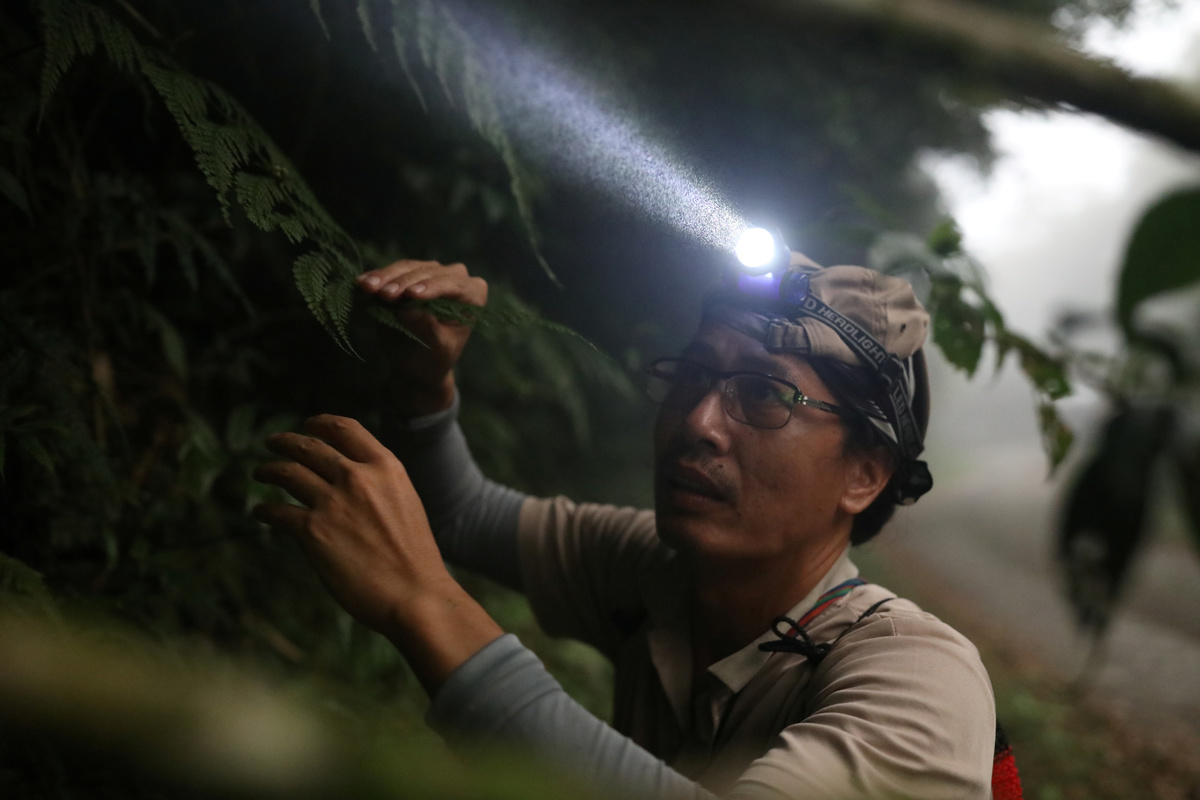
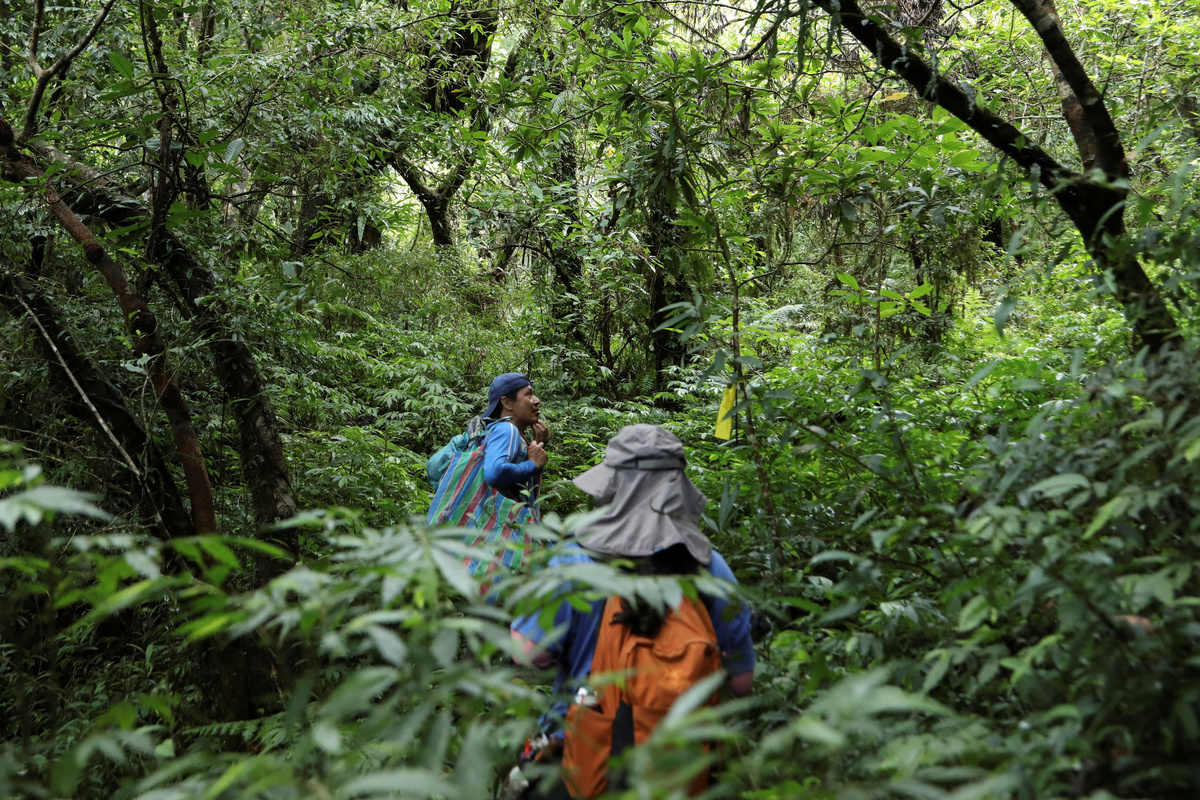
Hung Hsin-chieh, who works as a research assistant at Dr. Cecilia Koo Botanic Conservation Center, looks for plants to collect in Jin Shui forest, in Pingtung, Taiwan, September 10, 2020. REUTERS/Ann Wang
While it has a heavily populated, sometimes polluted, western coastal plain, about 70% of the island is covered in dense, mountainous forest, which is home to deer, wild boar and a threatened population of Formosan black bears.
(Graphic: Searching for Taiwan's disappearing plant species - https://graphics.reuters.com/CLIMATE-CHANGE/TAIWAN-PLANTS/gjnpwjwwkvw/chart.png)
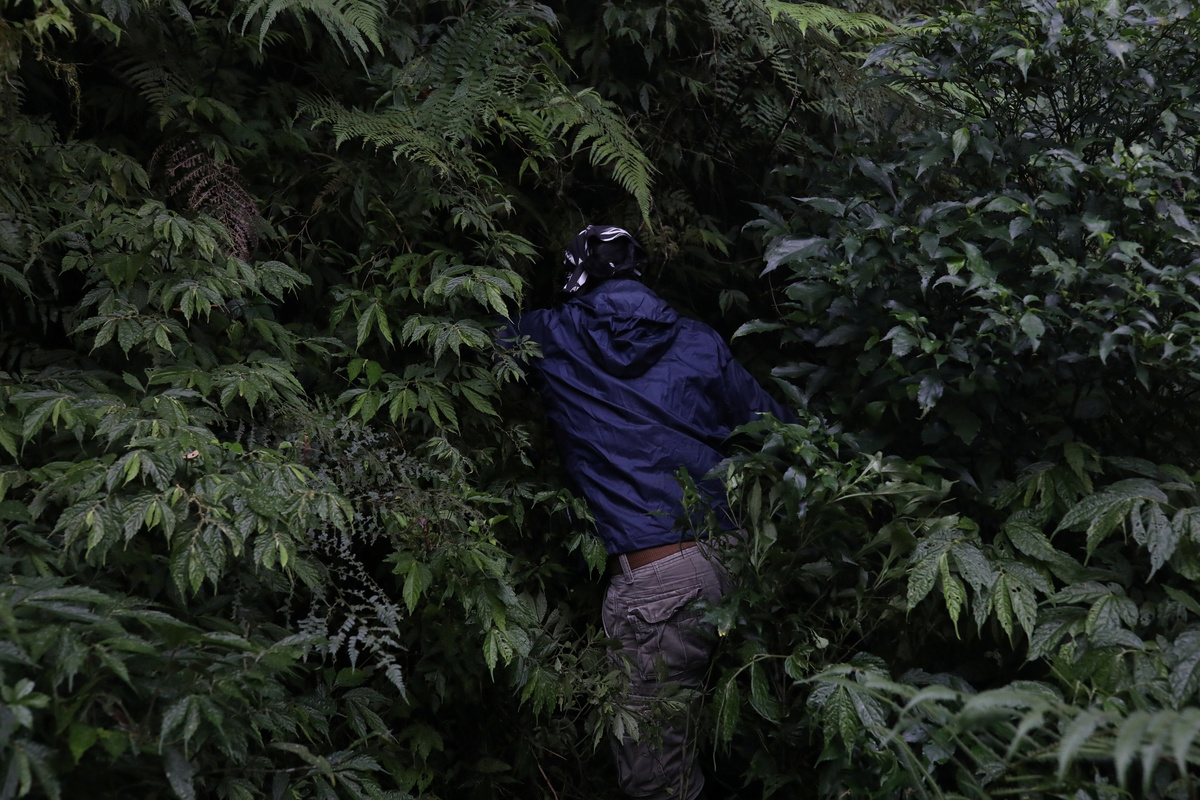
Hung Hsin-chieh, who works as a research assistant at Dr. Cecilia Koo Botanic Conservation Center, walks through bushes as he searches for somewhere to camp in Jin Shui forest, in Pingtung, Taiwan, September 10, 2020. "I started collecting plants when I was still at school. I didn't used to think it was that important. But since I began working at the conservation centre, I have realised that many (living) things that used to be there, are there no longer," said Hsin-chieh. "So for many things, if you don't conserve them properly then perhaps in the future you'll no longer be able to find them." REUTERS/Ann Wang
Taiwan's government has made environmental protection and a shift to renewable energy a key priority, but the island still ranks poorly when it comes to tackling climate change.
Last year's Climate Change Performance Index ranked Taiwan third to last in the world, its worst rating ever, though Taiwan's government disputed the data.
The plant hunters face considerable obstacles, from steep cliff-faces to heavy rains.
Hung Hsin-Chieh, a research assistant at Dr. Cecilia Koo Botanic Conservation Center, looks for for a type of flower called Lycoris Sprengeri, in Dongyin, Matsu, Taiwan, August 17, 2020. REUTERS/Ann Wang
"Not everyone can get to the places I go to. I can stay a long time out in the wild, in the mountains or forests. I go in scattered directions. I am very good at climbing trees - not everyone can climb trees," Hung said.
Cheng Ken-yu, the moss and bryophyta collection manager at the centre, said some of the plants they collect may have properties people can use.
"Then we'll have these species that we can use. Or perhaps one day when a certain habitat needs this specific species, we can provide it."
Hung Hsin-Chieh, a research assistant at Dr. Cecilia Koo Botanic Conservation Center, uses a knife to cut his way through thick bushes as he searches for plants to collect from Qi Lin forest in Taitung, Taiwan, July 29, 2020. REUTERS/Ann Wang
The goal is to ensure Taiwan's biodiversity is protected and that rare species that may have died out in their original habitat can one day be re-introduced.
"We hope that these species have a chance to return to their original habitat. Or one day, when we wish to create a (new) habitat, these species are able to live there happily," said Cheng.
(Reporting by Ann Wang; Writing by Ben Blanchard and Martin Quin Pollard; Editing by Sam Holmes)
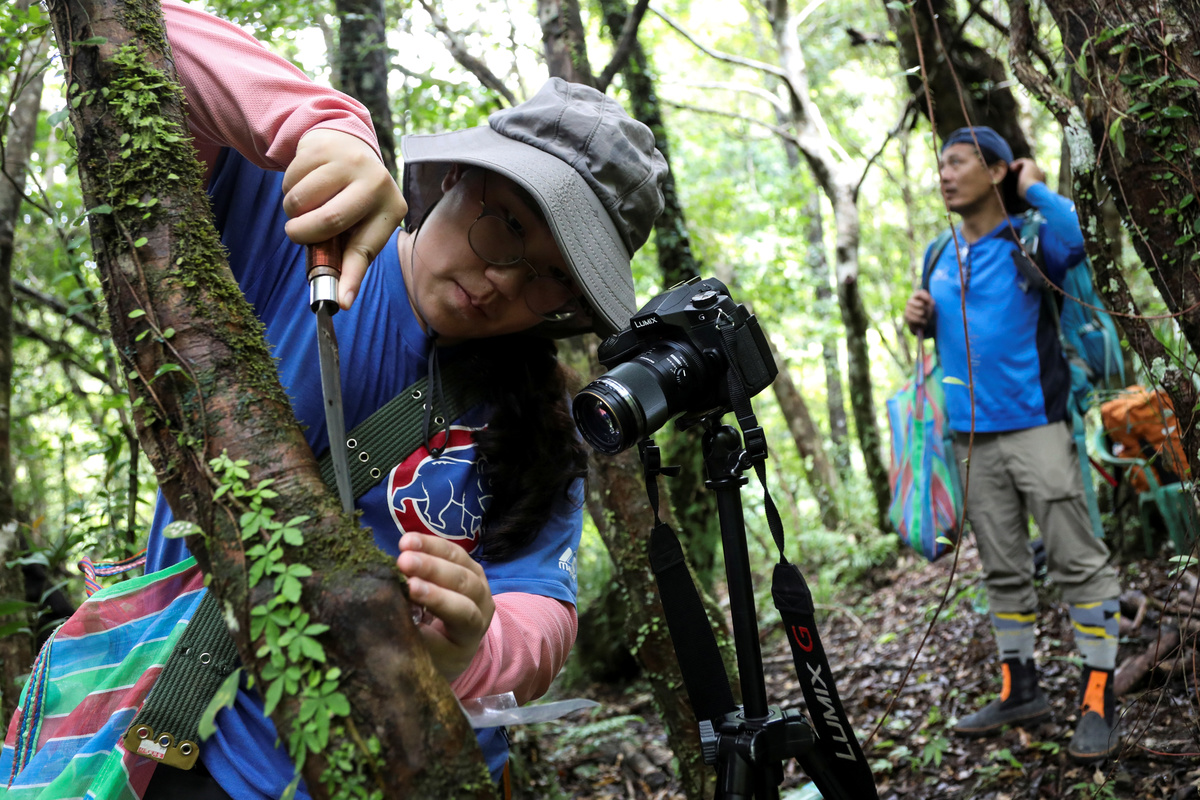
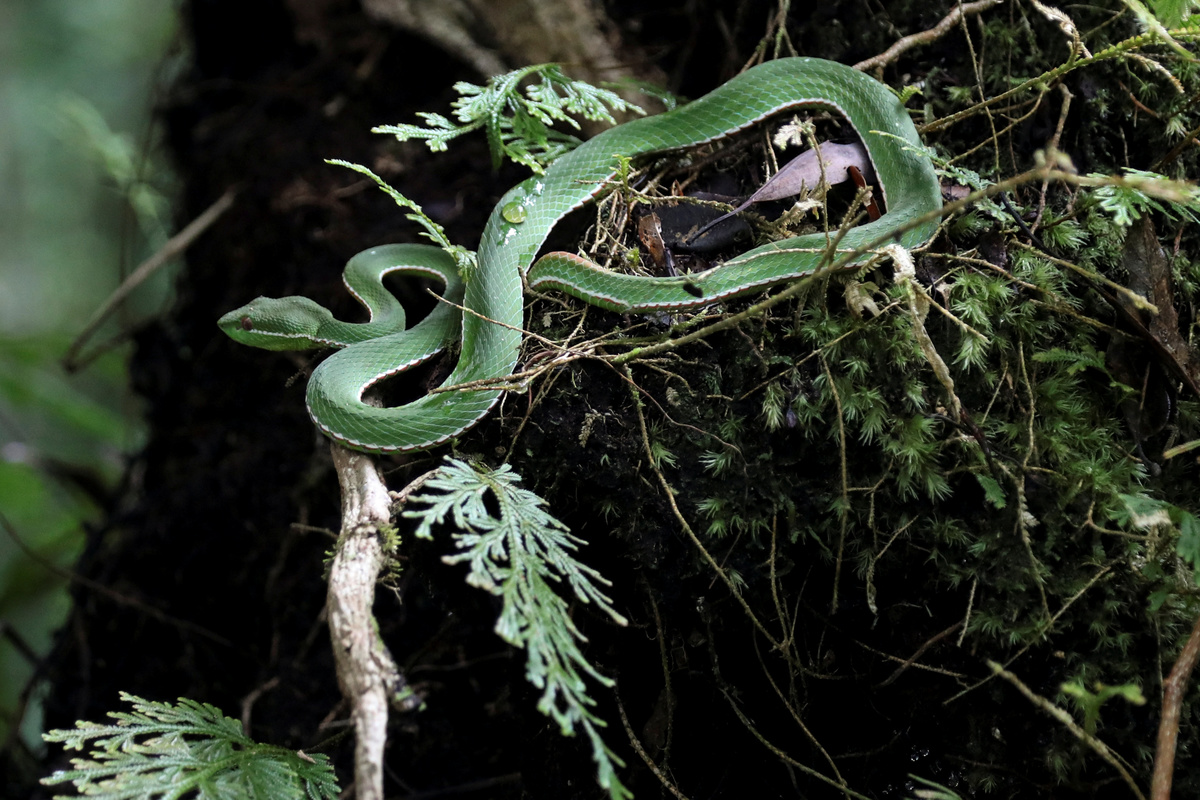
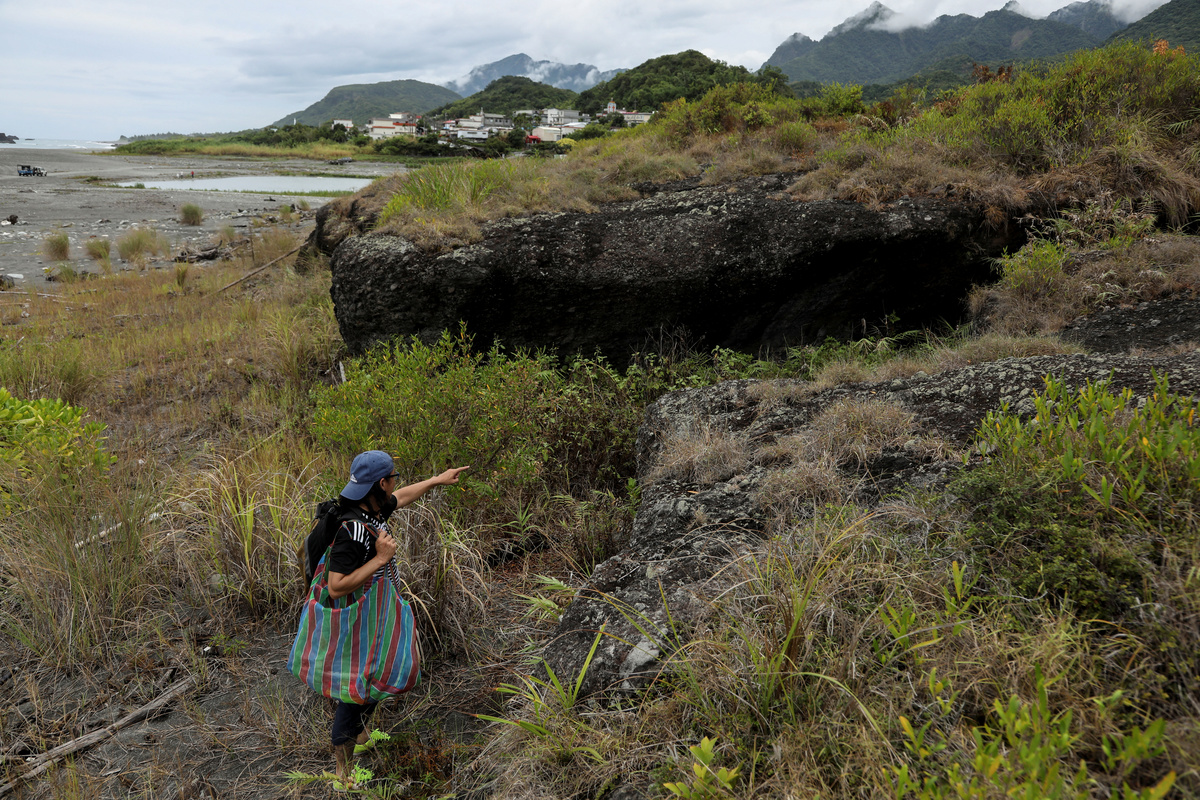
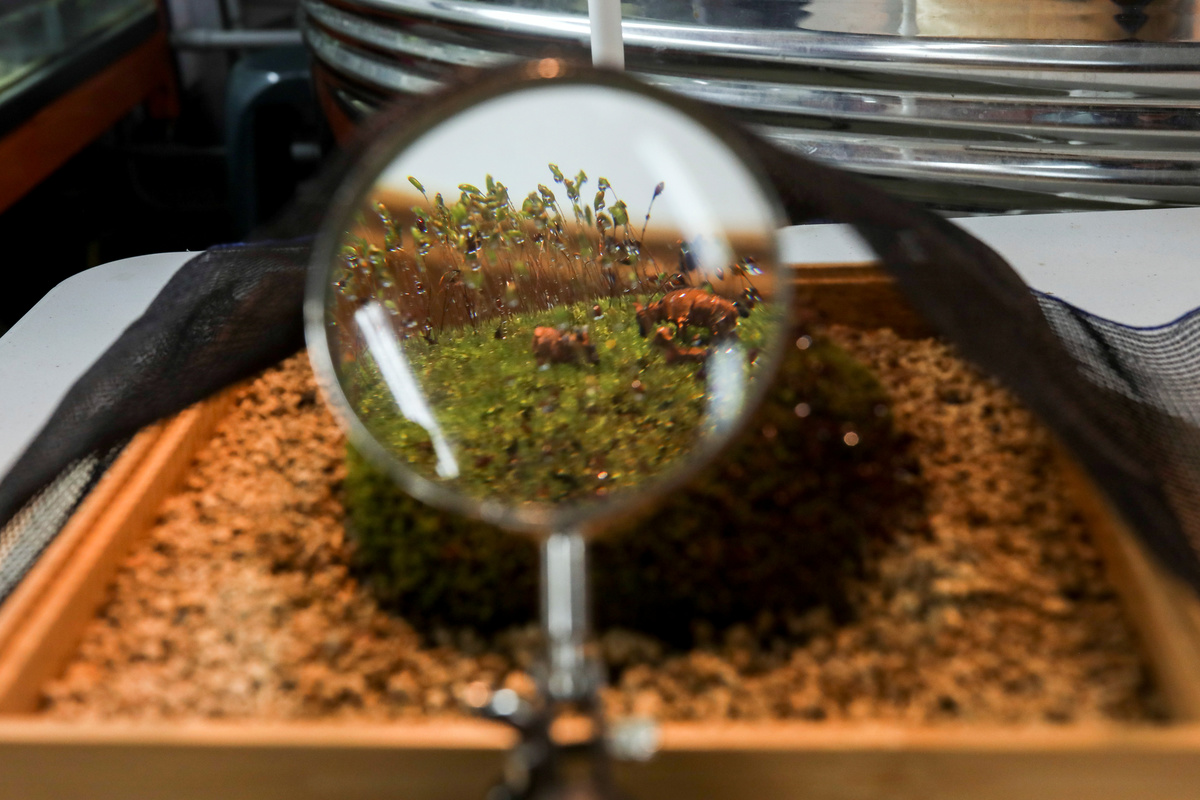
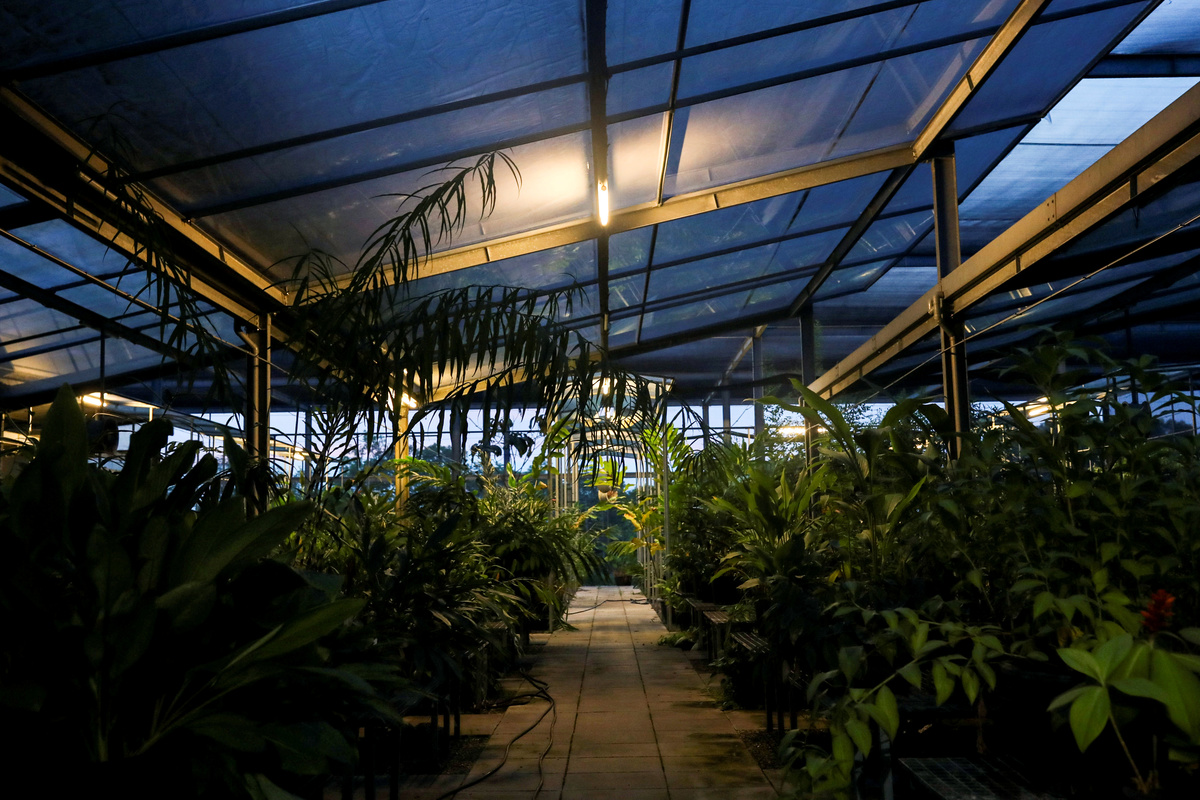
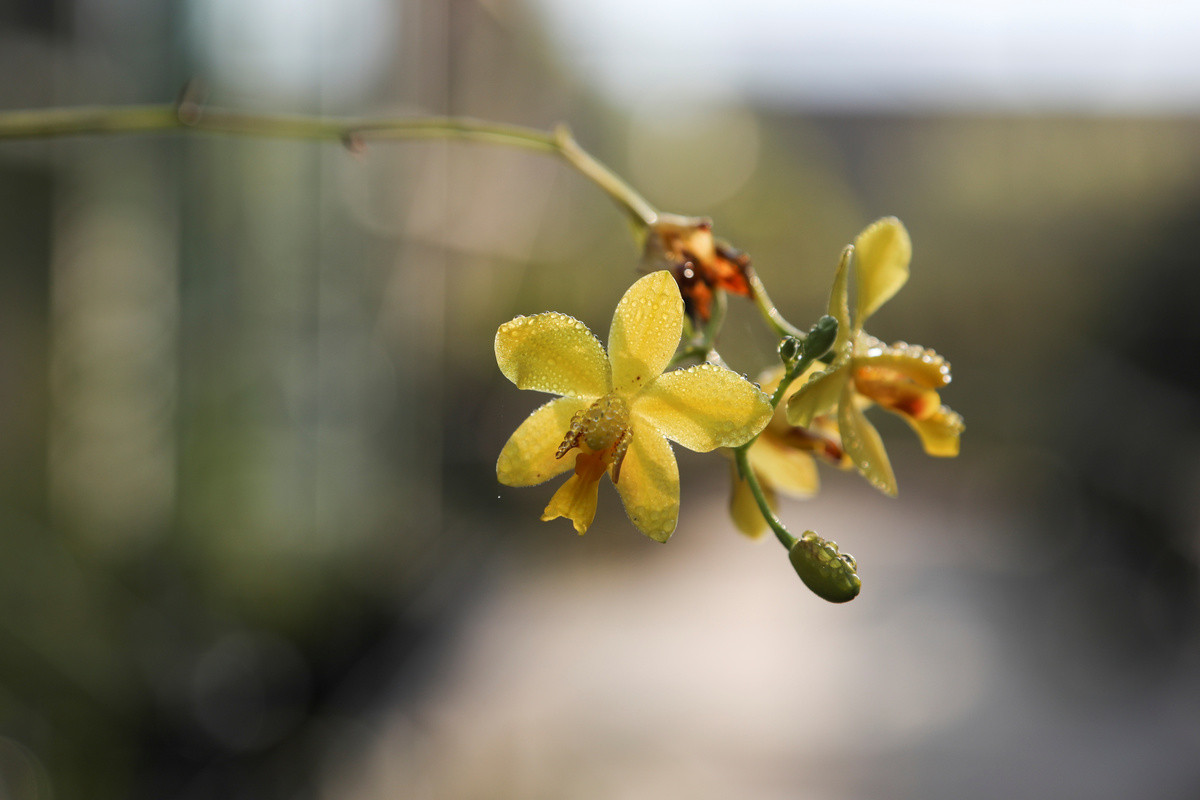
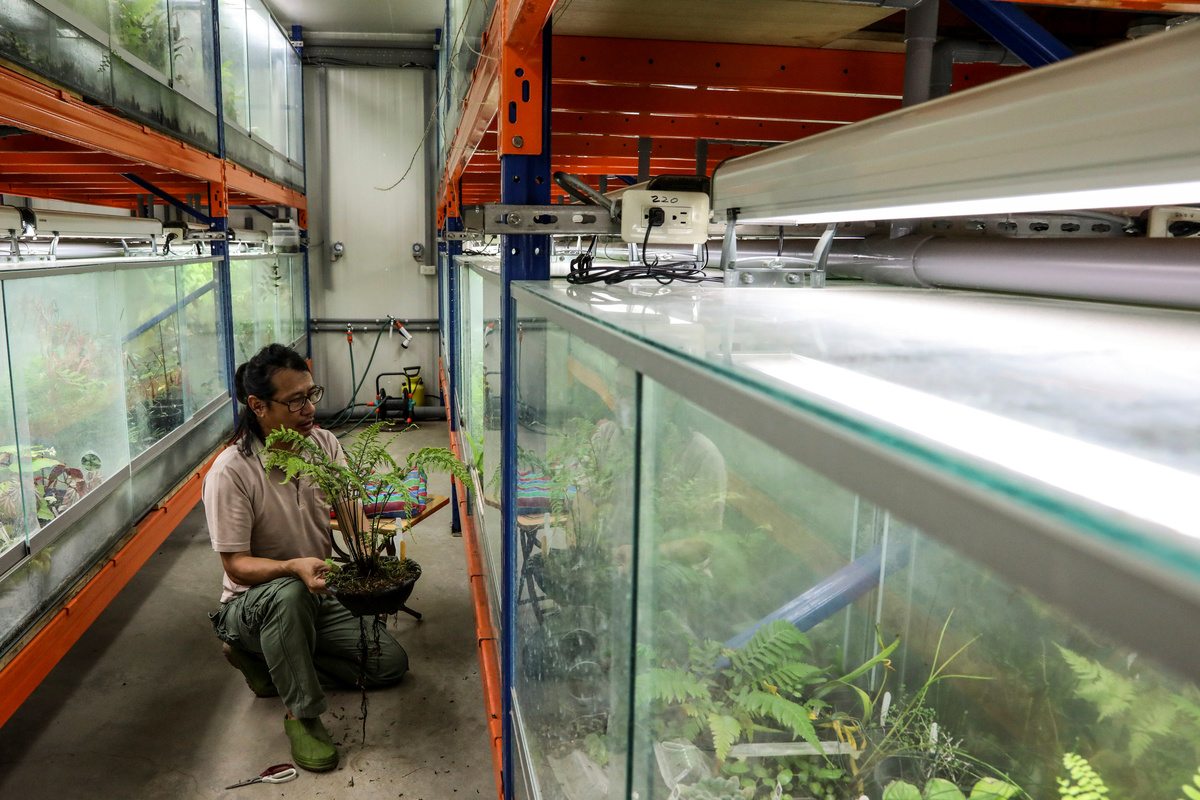
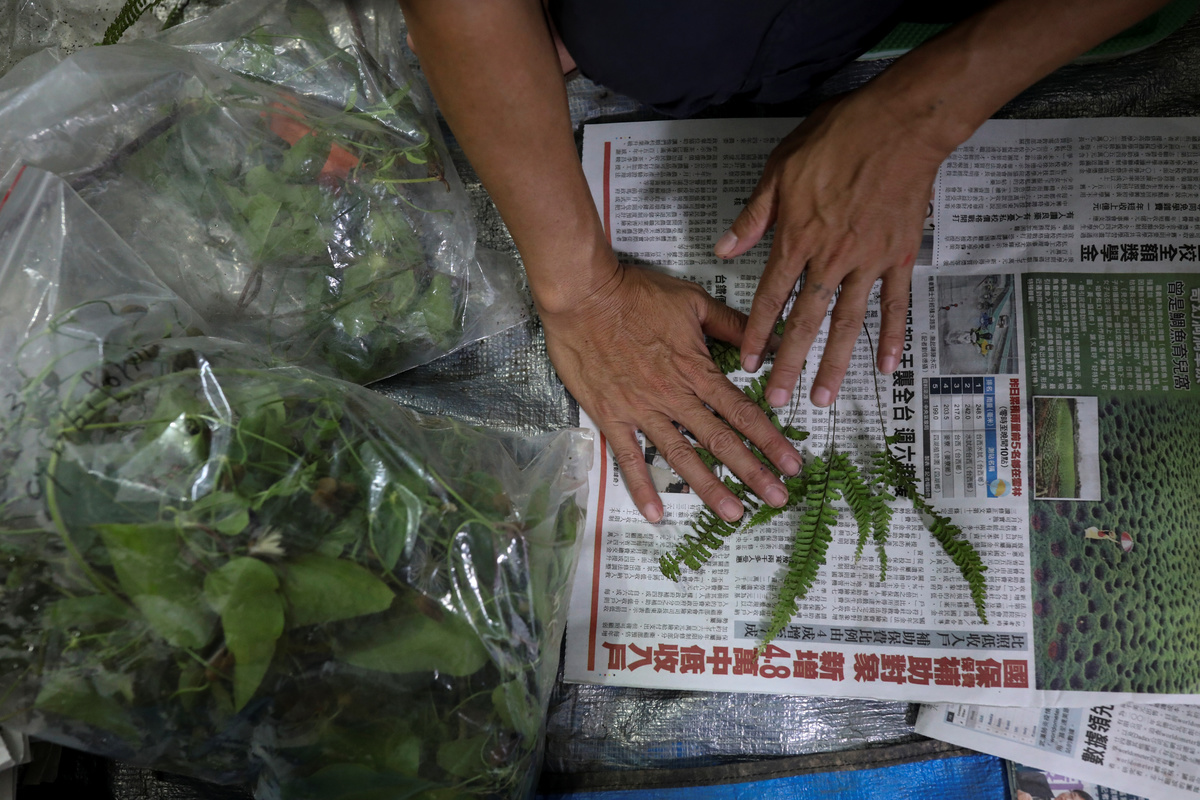
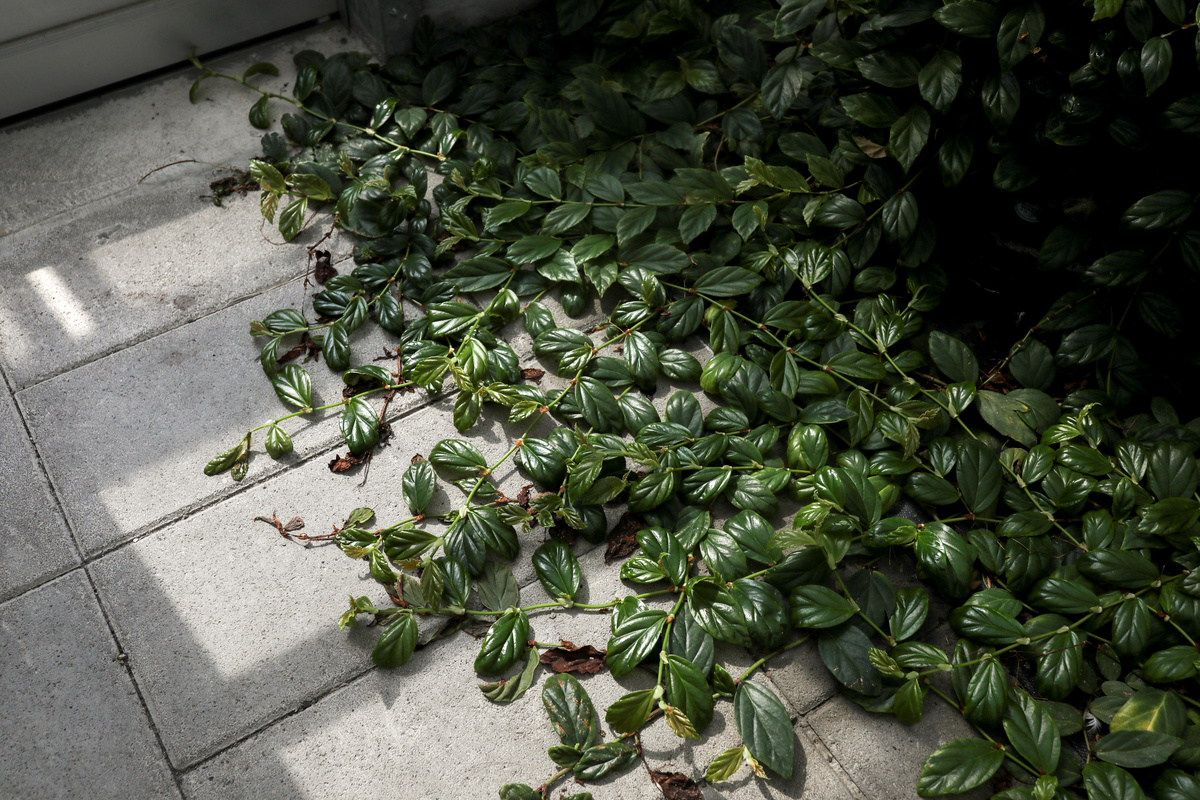
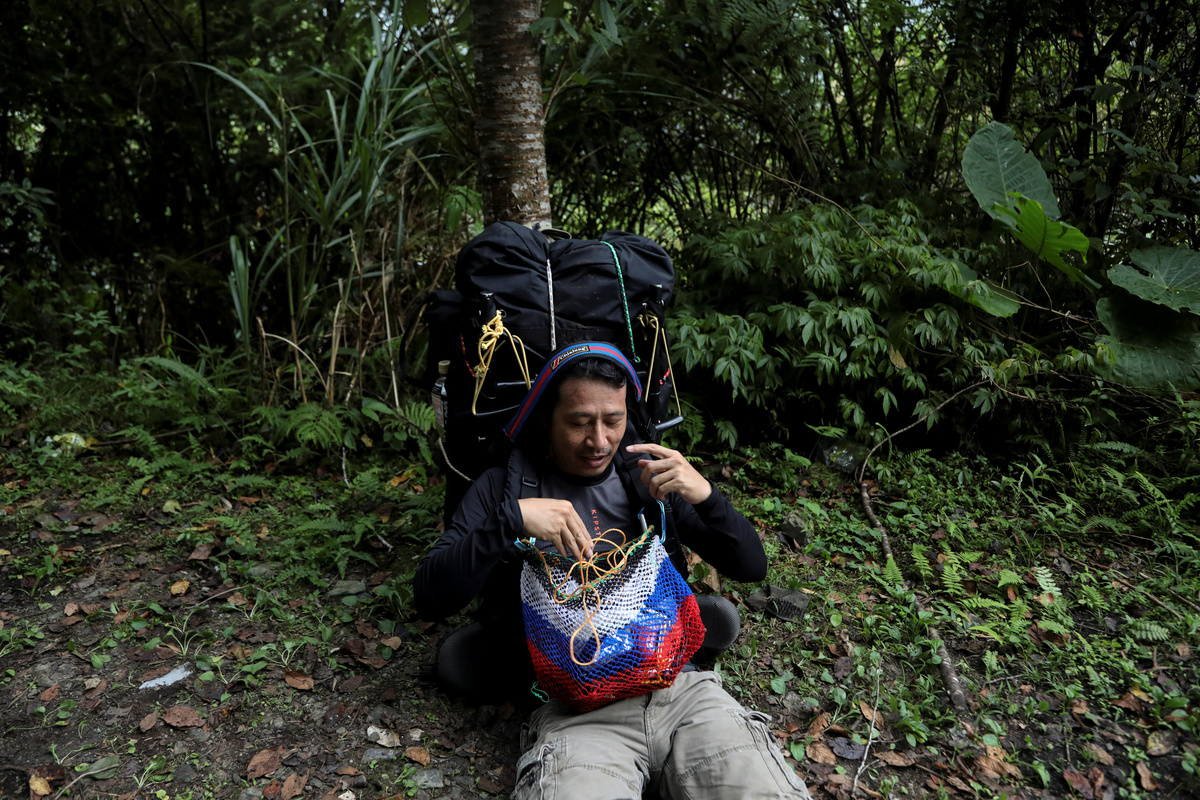
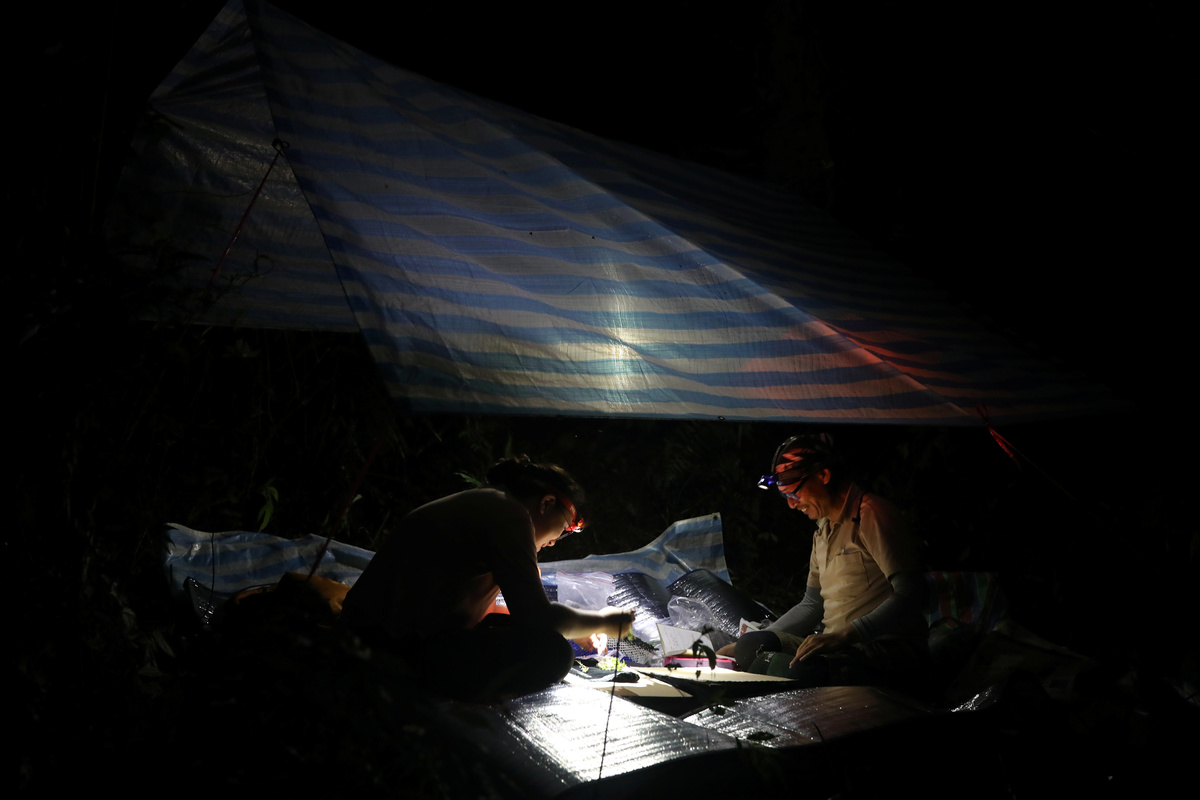
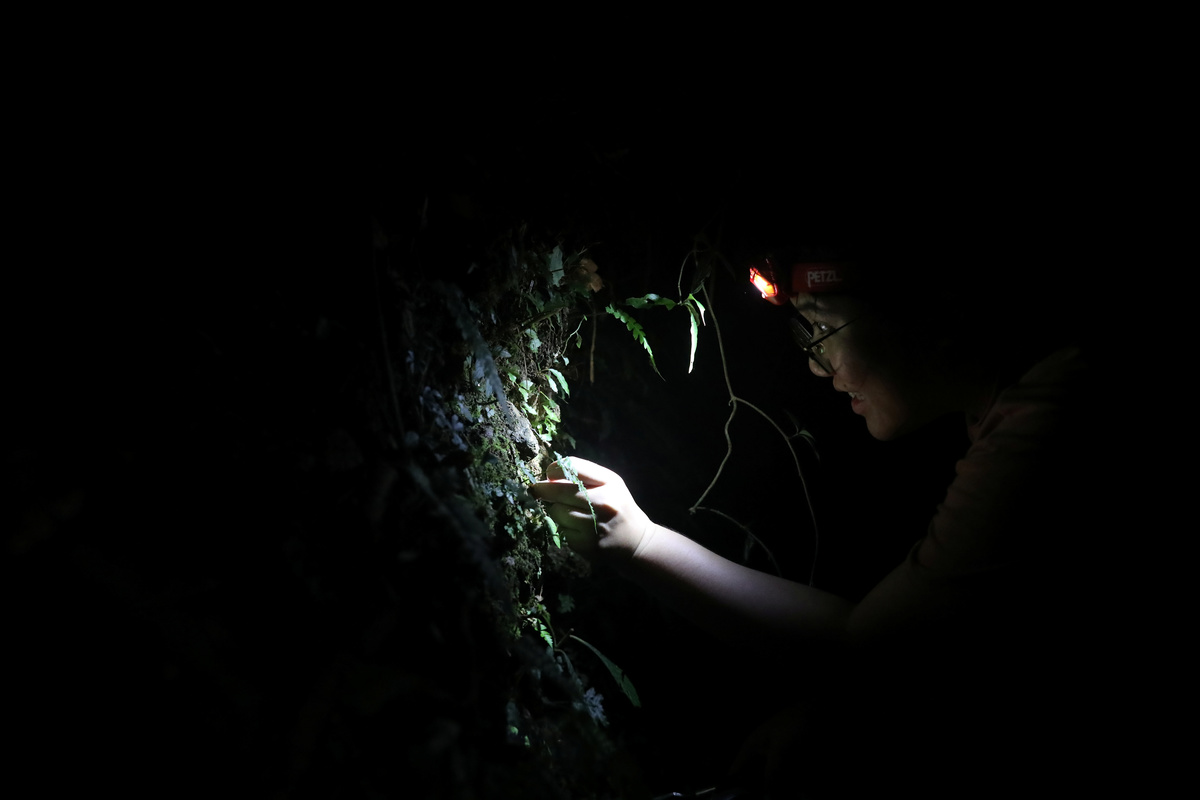
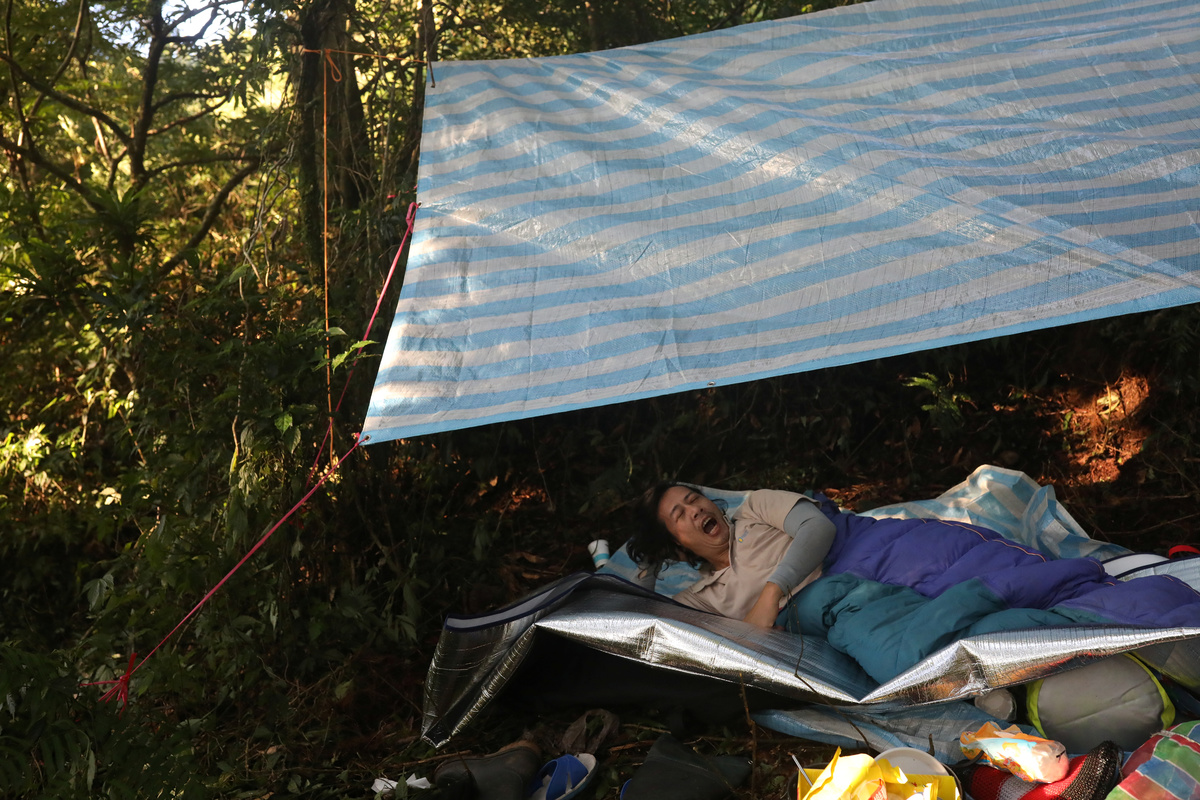
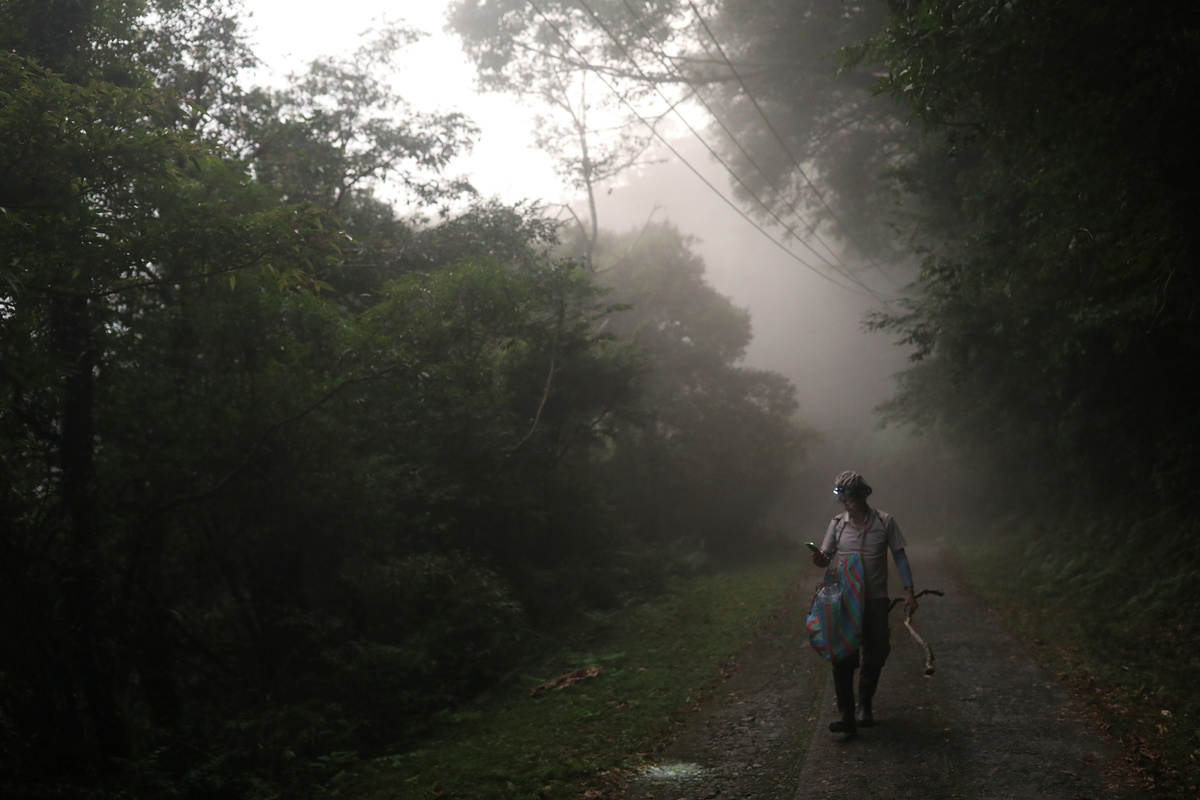
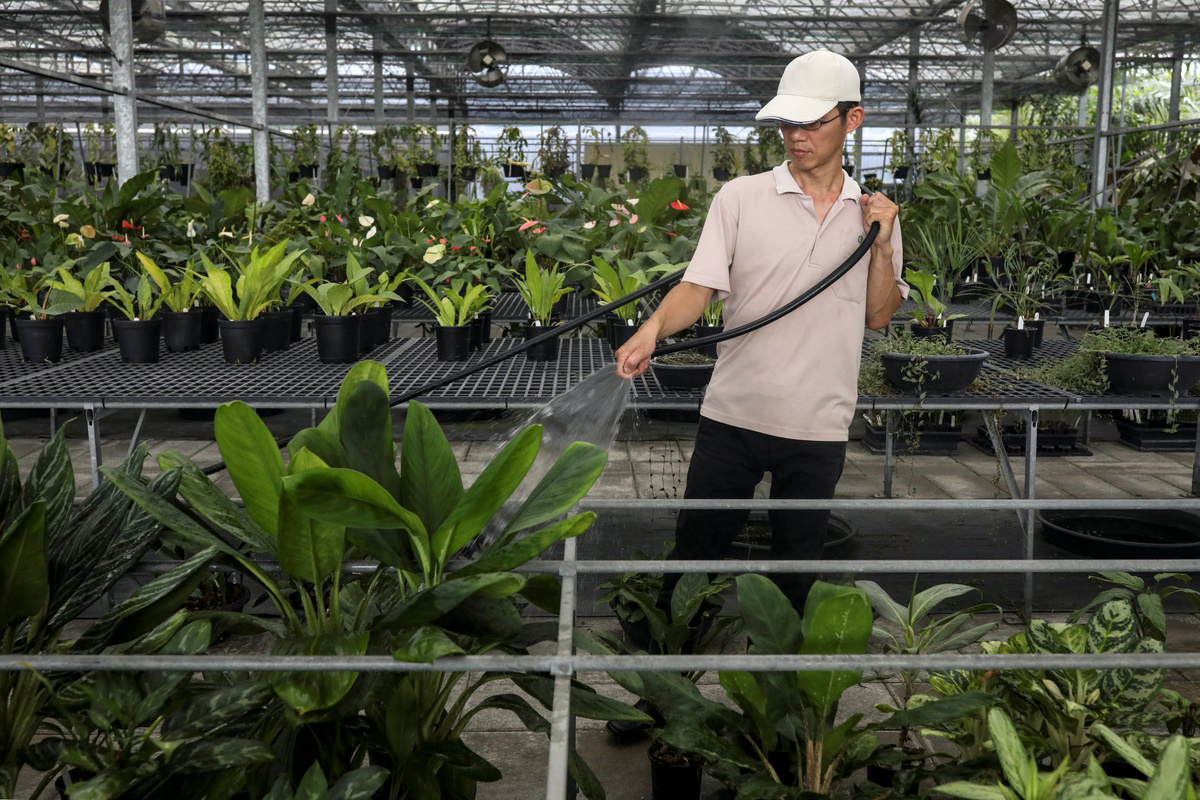
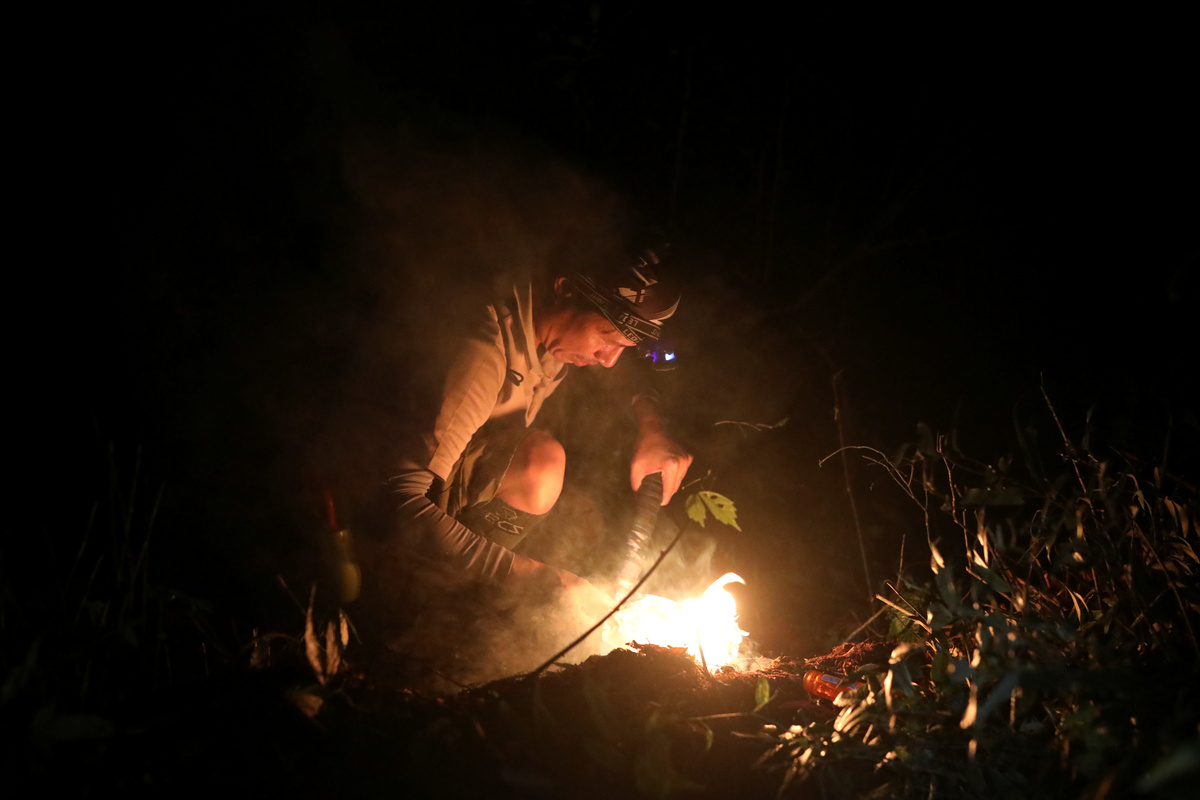
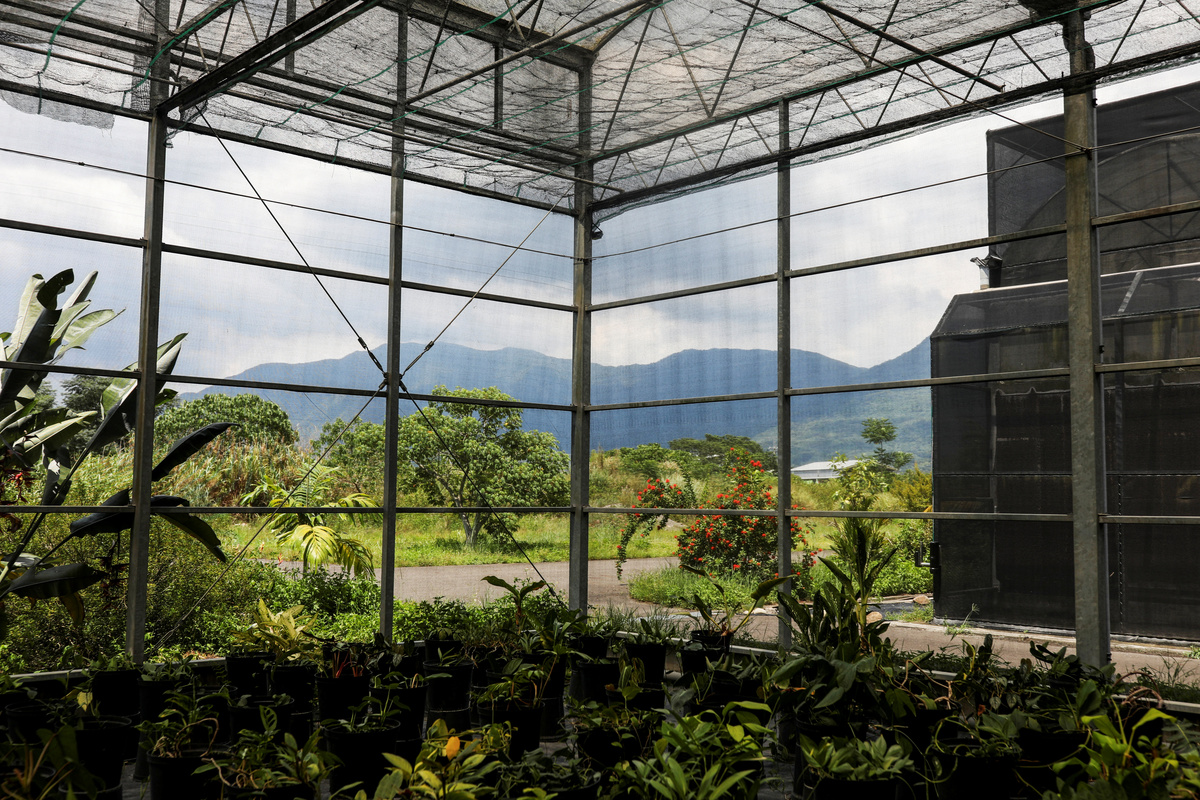
Cheng Ken Yu, the moss and bryophyta collection manager at Dr. Cecilia Koo Botanic Conservation Center, collects moss from a tree with her colleague Hung Hsin-chieh, a research assistant, in Qi Lin forest, Taitung, Taiwan, July 29, 2020. REUTERS/Ann WangA Bamboo Viper, a type of snake, lies on a tree in Qi Lin forest, in Taitung, Taiwan, July 29, 2020. REUTERS/Ann Wang Hung Hsin-Chieh, a research assistant who works at Dr. Cecilia Koo Botanic Conservation Center, searches for a plant in Shi Qiu Island, Taitung, Taiwan, July 31, 2020. REUTERS/Ann WangBryum, a type of bryophyta, is pictured inside a nursery at Dr. Cecilia Koo Botanic Conservation Center in Pingtung, Taiwan, July 24, 2020. REUTERS/Ann WangPlants stand inside a greenhouse at Dr. Cecilia Koo Botanic Conservation Center in Pingtung, Taiwan, July 23, 2020. REUTERS/Ann WangAn orchard stands inside a greenhouse at Dr. Cecilia Koo Botanic Conservation Center in Pingtung, Taiwan, July 24, 2020. REUTERS/Ann WangHung Hsin-Chieh, a research assistant at Dr. Cecilia Koo Botanic Conservation Center, takes care of a fern that he collected from a forest, in a nursery at Dr. Cecilia Koo Botanic Conservation Center in Pingtung, Taiwan, July 24, 2020. REUTERS/Ann WangHung Hsin-Chieh, a research assistant at Dr. Cecilia Koo Botanic Conservation Center, observes plants that he collected from Qi Lin forest, in his hotel room in Taitung, Taiwan, July 30, 2020. REUTERS/Ann WangOvergrown plants sit inside a greenhouse at Dr. Cecilia Koo Botanic Conservation Center in Pingtung, Taiwan, July 23, 2020. REUTERS/Ann WangHung Hsin-Chieh, a research assistant at Dr. Cecilia Koo Botanic Conservation Center, prepares to carry his tools and camping equipment during a two expedition in Hapen forest, Taipei, Taiwan, August 2, 2020. REUTERS/Ann WangDr. Cecilia Koo Botanic Conservation Center employees Hung Hsin-chieh, a research assistant, and Cheng Ken Yu, the moss and bryophyta collection manager, make a log of the plants they collected from Jin Shui forest earlier that day, at their campsite in Pingtung, Taiwan, September 10, 2020. "We hope that these species have a chance to return to their original habitat. Or one day, when we wish to create a (new) habitat, these species are able to live there happily," said Ken Yu. REUTERS/Ann WangCheng Ken Yu, the moss and bryophyta collection manager at Dr. Cecilia Koo Botanic Conservation Center, observes moss on a rock in Jin Shui forest, in Pingtung, Taiwan, September 10, 2020. Yu said some of the plants they collect may have properties people can use, "Then we'll have these species that we can use. Or perhaps one day when a certain habitat needs this specific species, we can provide it." REUTERS/Ann Wang Hung Hsin-chieh, a research assistant who works for Dr. Cecilia Koo Botanic Conservation Center, wakes up after spending the night camping in Jin Shui forest in Pingtung, Taiwan, September 11, 2020. REUTERS/Ann WangHung Hsin-Chieh, who works as a research assistant at Dr. Cecilia Koo Botanic Conservation Center, looks at his phone as he walks back to his campsite where he is staying in Jin Shui forest, Pingtung, Taiwan, September 10, 2020. REUTERS/Ann WangSheng Sian Dai, a senior collection manager at Dr. Cecilia Koo Botanic Conservation Center, waters plants in a nursery where he works, in Pingtung, Taiwan, July 23, 2020. REUTERS/Ann WangHung Hsin-chieh, a research assistant at Dr. Cecilia Koo Botanic Conservation Center, prepares to cook dinner over a campfire in Jin Shui forest where they are camping, in Pingtung, Taiwan, September 10, 2020. REUTERS/Ann WangHung Hsin-chieh, a research assistant at Dr. Cecilia Koo Botanic Conservation Center, climbs a tree to collect branches for a campfire in Jin Shui forest, in Pingtung, Taiwan, September 10, 2020. REUTERS/Ann WangPlants sit inside a greenhouse at Dr. Cecilia Koo Botanic Conservation Center in Pingtung, Taiwan, July 23, 2020. REUTERS/Ann WangHung Hsin-Chieh, a research assistant at Dr. Cecilia Koo Botanic Conservation Center, and his colleagues, share a meal in the canteen of a boat as they travel back to Keelung after collecting Lycoris sprengeri in Dongyin, Matsu, Taiwan, August 18, 2020. REUTERS/Ann WangDr. Cecilia Koo Botanic Conservation Center employees Hung Hsin-chieh, a research assistant and Cheng Ken Yu, the moss and bryophyta collection manager, walk through Qi Lin forest in Taitung, Taiwan, July 29, 2020. REUTERS/Ann Wang
Sign up to read this article
Read news from 100's of titles, curated specifically for you.