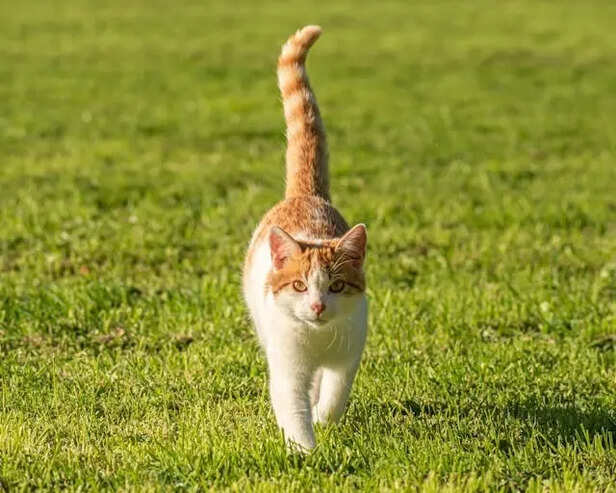
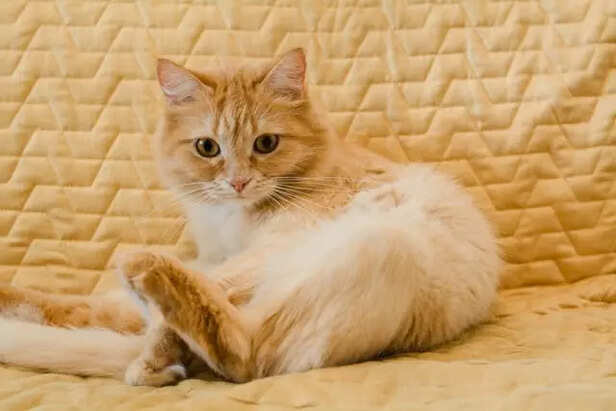
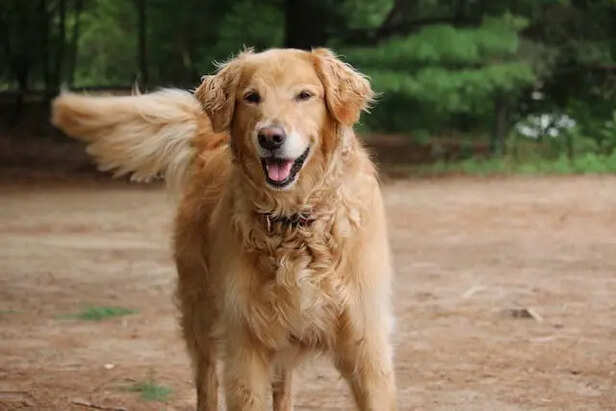
A wagging tail is often seen as a sign of happiness, but that is not always true. Pets use their tails as a form of communication, and each movement can carry a different meaning.
This means a tail wag should always be understood along with body language and the situation around them.
When Tail Wags Mean Happiness
<p>When Tail Wags Mean Happiness</p>
Yes, many tail wags do show joy and excitement.
Common happy signs include:
Relaxed body posture
Soft eyes
Friendly approach
Loose and natural wagging motion
This often happens when your pet sees you, gets ready for playtime, or expects something enjoyable.
When Tail Wags Mean Nervousness
<p>When Tail Wags Mean Nervousness</p>
Some pets wag their tails when they feel unsure or anxious.
Signs to notice:
Stiff body
Slow or tense wagging
Ears pulled back
Avoiding eye contact
In these moments, your pet may need reassurance rather than excitement.
<p>Tail Wags Can Also Mean Alertness</p>
Pets sometimes wag their tails when they notice something unusual.
This can happen when:
A stranger enters the space
They hear a new sound
They sense movement outside
The wag in this case often shows focus and alertness, not happiness.
Fast Wagging vs Slow Wagging
<p>Fast Wagging vs Slow Wagging</p>
The speed and style of the wag matter.
Fast, loose wagging often shows excitement
Slow wagging may show uncertainty
High, stiff wagging can signal tension
Low wagging may show nervousness or submission
Small details can reveal a lot.
Look Beyond the Tail
<p>Look Beyond the Tail</p>
Never judge emotion by the tail alone. Always notice the full body language.
Watch for:
Ear position
Eye expression
Body posture
Voice or sounds
These signs help you understand the real emotion.
How You Should Respond
<p>How You Should Respond</p>
If the wag looks relaxed and friendly, engage positively. If the wag seems tense or nervous, give your pet space and stay calm.
Understanding the difference helps prevent stress and keeps interactions safe.
Learning Your Pet’s Signals
<p>Learning Your Pet’s Signals</p>
Every pet has its own style of communication. The more you observe them, the easier it becomes to know what each tail movement means.
A wagging tail does not always mean happiness. It can express excitement, fear, alertness, or uncertainty depending on the moment. By learning to read the full picture, you become more connected to your pet and better able to meet their needs. Sometimes the tail says more than words ever could.