It will soon be winter in Rio Grande do Norte, Brazil, and we are in for heavy rains. Water will start to accumulate in puddles, ponds and containers. Mosquitos will find more standing water, their favourite place to breed. The Zika epidemic is going to get worse before getting better.
Following an appeal by the health ministry, I’ve spent the last two months alongside other Red Cross volunteers going door to door with pamphlets to raise awareness about Zika. We talk to people about how to prevent the conditions that allow mosquitoes to thrive and how to avoid getting bitten.
There is fear among the people I meet on their doorsteps. The women are especially concerned; they are scared because the number of cases of people with the Zika virus has risen so fast.
In fact, the problem is much bigger and the reality much worse than what is being reported by the media. In some hospitals in the worst affected areas of Brazil, such as Pernambuco, about 80% of the patients are there because of the Zika virus. I was on my way back from the hospital earlier and I met a woman with a baby who had been born with microcephaly. That was unheard of before.
Why has the virus spread so fast? It’s down to a combination of factors, including a lack of action by the authorities and not enough awareness of the causes or knowledge about how to prevent it. Also, some people are still not reporting standing water spots in their area on the special telephone line that has been set up by state health authorities. If a report is made, the army has the right to enter any home, eliminate the mosquitoes, and get rid of the standing water. But this can’t happen unless people report the problem.
On “D-days” – designated days to tackle mosquito-borne diseases – hundreds of Red Cross volunteers go out on awareness-raising missions in vulnerable communities. The D-day was originally planned to tackle dengue and has now been extended to cover Zika. We meet in the target area in the morning with a map and pamphlets and go to every single house in the districts that are most vulnerable. The Red Cross also counsels families who have a child with microcephaly.
There is one case that has really affected me. One young woman I met who gave birth to a baby with microcephaly was completely shocked because there had been no sign of any problem on the ultrasounds during the pregnancy. The foetus had looked completely normal and then the baby was born with microcephaly. The mother was devastated and soon after the father left her. You hear of quite a few cases of the fathers abandoning the family when a child is born with microcephaly. It is so hard on these mothers.
The biggest challenge is getting people to report seeing water accumulating somewhere that is not their home. On our rounds, we find there is a particular problem with houses that have been left empty – because they are either up for sale or rent – where people throw their rubbish which piles up outside. Water can accumulate here without anyone noticing.
People also misunderstand the risks: for example, some think that if the water looks clean, it won’t become a breeding ground. The problem is not inadequate sanitation but the accumulation of rubbish thrown by the people, and then when it rains this creates problems. We are educating people and encouraging everyone to report this. Hopefully the message is getting through. Sometimes, however, when people do report it, no one comes to do anything about it. My hope is that soon they will find a vaccine.
I am really worried about what kind of future these children will have. They won’t be able to have their own families, or get a job. They will be totally dependent on their mothers. I can imagine that in the future there could be a scenario where families in one community who have children with microcephaly find ways to help each other – after all, they are the only ones who will know what is involved.
As told to Jo Griffin.
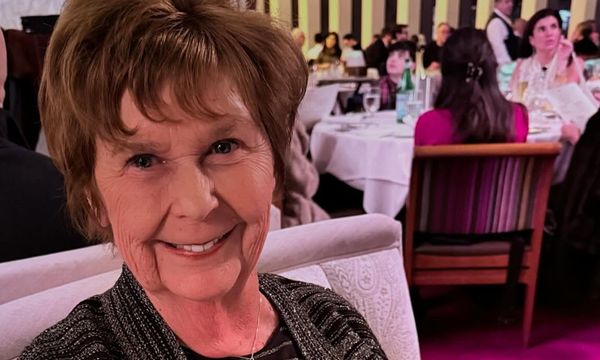
Rozana Ribeiro is a nurse working with the Red Cross in Brazil.
Join our community of development professionals and humanitarians. Follow@GuardianGDP on Twitter.