The global labour market over the past three years has experienced the effects of Covid disruption, with abrupt changes in people's lifestyles and work environments. An increasing number of employees have opted for hybrid work, compelling companies to make major changes with a focus on their people's mental well-being and goodwill.
Providing an optimal quality of life, training and reskilling, as well as offering sustainability via work-life balance have become crucial, according to the global staffing and human resources company ManpowerGroup.
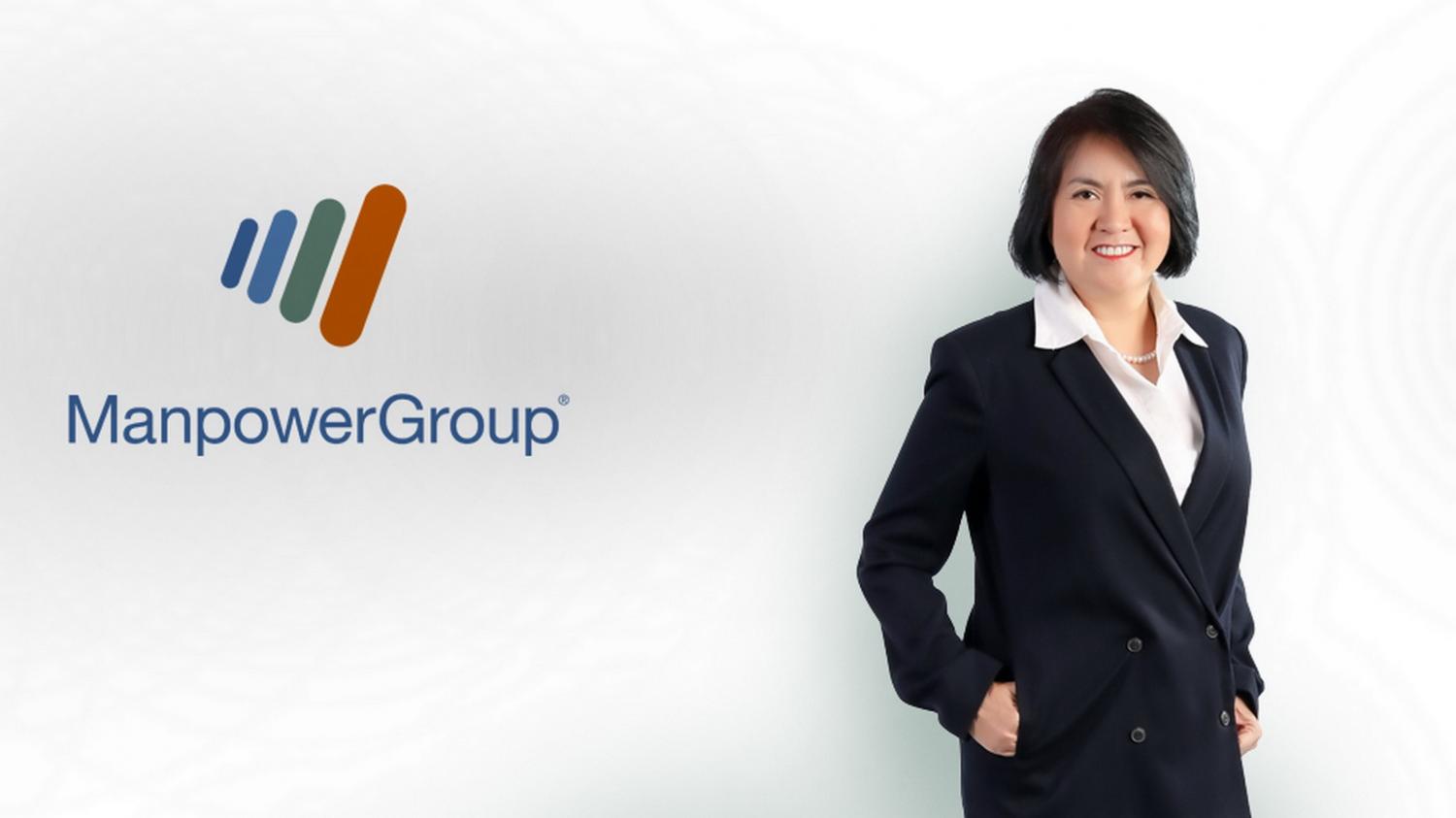
Equally crucial is understanding the three generations -- Gen X, Gen Y and Gen Z -- across the workforce who bring novel ways of thinking and values, but also expect stability and flexibility, said Lilly Ngamtrakulpanit, country manager for ManpowerGroup Thailand.
"Based on ManpowerGroup's recent survey of the labour market, results indicated employee turnover rates have shot up significantly, while skilled labour in IT and technology is in higher demand than before," she said.
"With the rise in demand for hybrid work, employers and organisations need to rethink and reimagine their normal business practices and rules, providing work-life balance and flexibility for their employees' work lives. Employers also need to provide skills or re-skilling -- analytical skills in particular -- to successfully cope in today's digital era."
GENERATIONS IN HARMONY
Ms Lilly said the focus for organisations should be to understand and ensure the three generations of employees can work together in harmony, with the best talents retained and provided with optimal work-life balance and flexibility.
Generation X (born from 1965-80) primarily represents senior staff who have worked hard and experienced significant events, such as the 1997 and 2008 financial crises. This group also witnessed their parents' dedication to work, she said.
Gen X tend to place importance on work-life balance. However, they are still loyal, driven and efficient, as well as open to new ideas and work well in a team setting.
Generation Y or Millennials (born from 1981-95) predominantly occupy middle management. This generation values clarity and authenticity, while being unafraid to state honest opinions, said Ms Lilly.
They don't hesitate to ask for their rights as employees. They are team players who are prepared to face any challenges upfront. She said employers and organisations need to keep this generation alert with innovations to prevent them from finding work monotonous, opting for employment elsewhere.
Generation Z (born from 1996 to 2010) is of the digital age, and they are often creative multi-taskers and savvy about technologies. They are results-oriented and good at quickly filtering relevant information. For those with a creative attitude, they expect the freedom to do things their way and keep an eye out for innovation, said Ms Lilly.
To retain Gen Z talent who may prefer to work hours other than the traditional 9-to-5 workday, employers need to understand their nature and provide healthy challenges and entertainment in the work environment, she said.
In the post-Covid era, ManpowerGroup stresses "work from home" should no longer be limited to home, but extended to "work from anywhere", including a cafe, the beach or on an island. As long as the work is done properly within the assigned time frame, it should not be a problem, said Ms Lilly.
For employees, this means ensuring internet access during work hours and efficient output in accordance with one's responsibilities.
OPTIMUM COMBINATION
Both employers and employees should strive for a combination of in-office and remote work that best suits both sides' needs, said the staffing group.
"There are days for on-site meetings for brainstorming and setting goals as a team, and also days when we have time to clear pending assignments that we may not otherwise be able to find the time to concentrate on," she said.
"Employees can produce new, creative work or reflect on self-improvement without disruption in an office full of employees. There is also a benefit of not wasting time in traffic, allowing employees to spend more quality time with family. Employees can often produce efficient work off-site that matches or exceeds work produced on-site.
"Employees having an enhanced state of mental well-being is definitely beneficial for work input."
The latest hybrid working options that many organisations including ManpowerGroup Thailand are offering have received positive feedback from employers in general, in line with the staffing group's culture and tradition of focusing on results.
"ManpowerGroup Thailand recently introduced a new four-day 'Work from Anywhere' policy for our staff," said Ms Lilly. "I believe we are the first country in the regional ManpowerGroup to introduce such a policy, as we believe providing benefits and flexibility to employees is crucial. If we look after our employees, they will be happy, which should in turn raise efficiency.
"Working from anywhere is equivalent to an employee benefit and offers them a chance for work-life balance, as well as better employee relationships and a degree of flexibility."