Tackling life-threatening child malnutrition in Chad
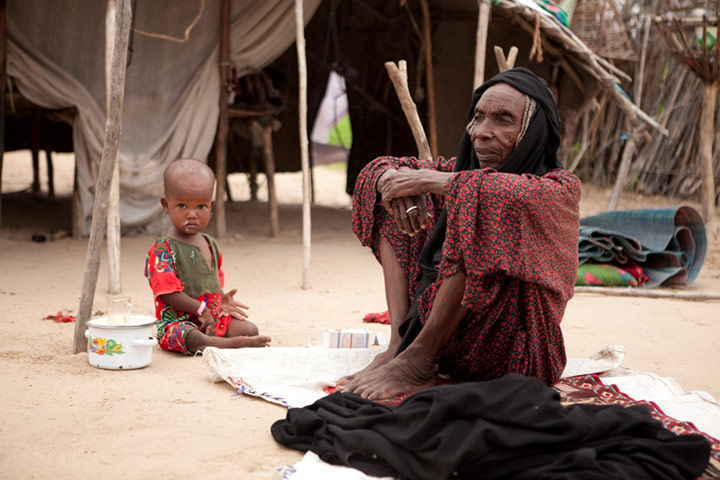
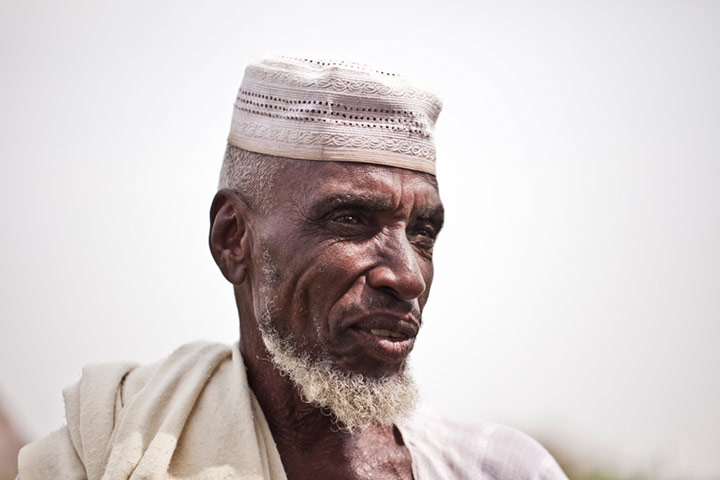
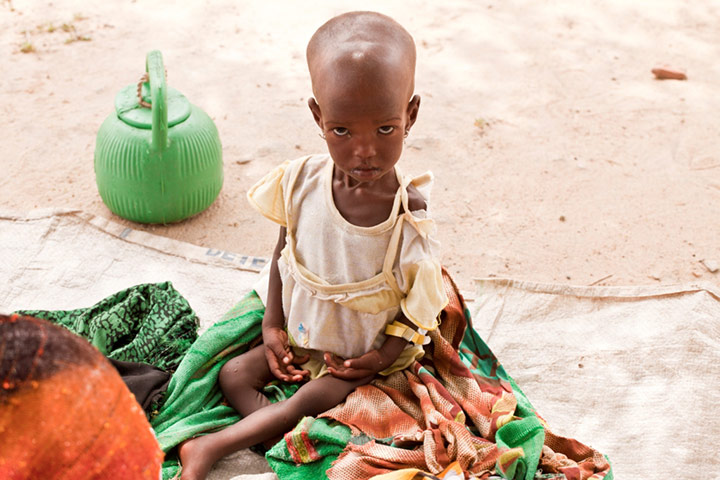
Two-year-old Achtor is severely malnourished. She and her grandmother, from drought-stricken western Chad, live in poverty and struggle to get enough food. But Achtor is one of the lucky ones. Her acute malnutrition has been caught and is being treated before it develops into life-threatening severe acute malnutritionPhotograph: S.Hauenstein Swan/Action Against HungerAchtor’s 75-year-old grandmother, Fatima, looks after the little girl since her mother left. “Achtor is a child that catches illnesses quickly. She is crying as she’s hungry and wants to eat,” she says. Before Achtor was diagnosed and put on treatment, two handfuls of maize had to last both of them two daysPhotograph: S.Hauenstein Swan/Action Against HungerAchtor’s great-uncle, Suliman, Fatima’s brother, says that last year was not good. There was no pasture and six out of 10 of his camels died. And only one of the survivors is a female, which means that restocking will take a long time, so there is no spare moneyPhotograph: S.Hauenstein Swan/Action Against Hunger
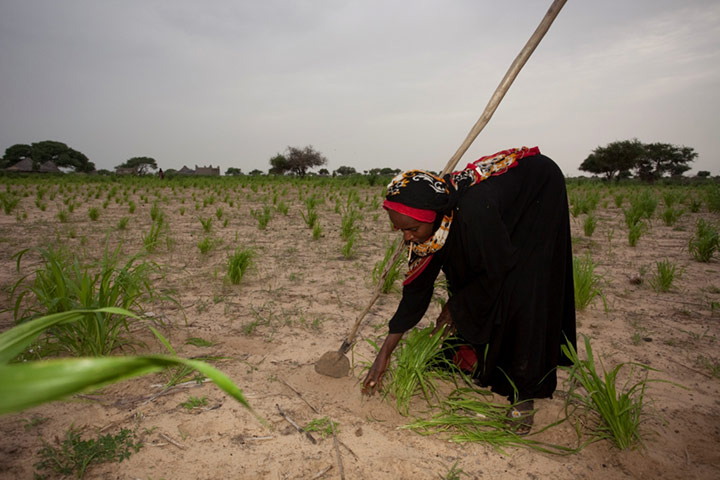
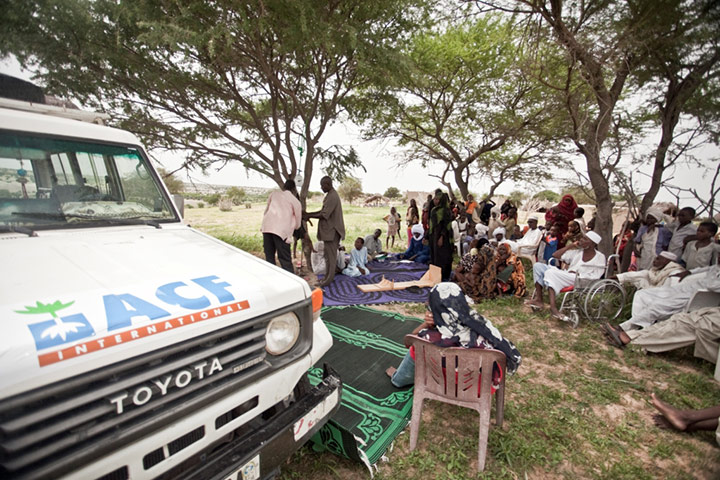
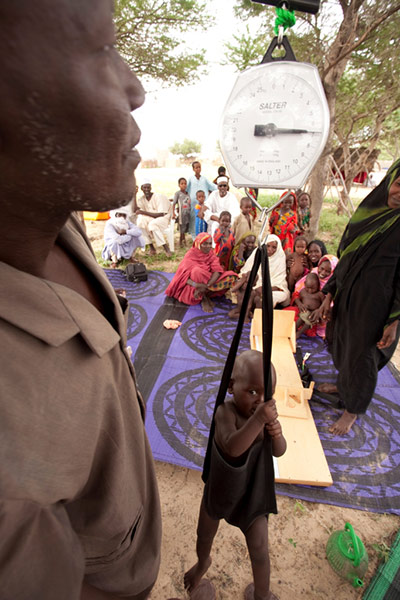
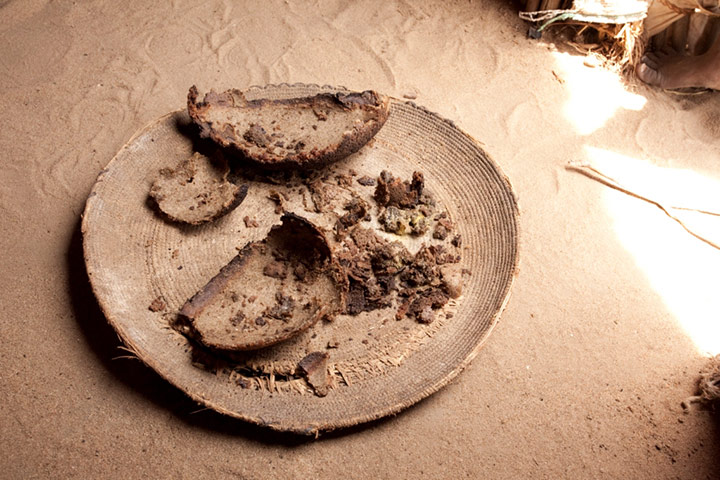
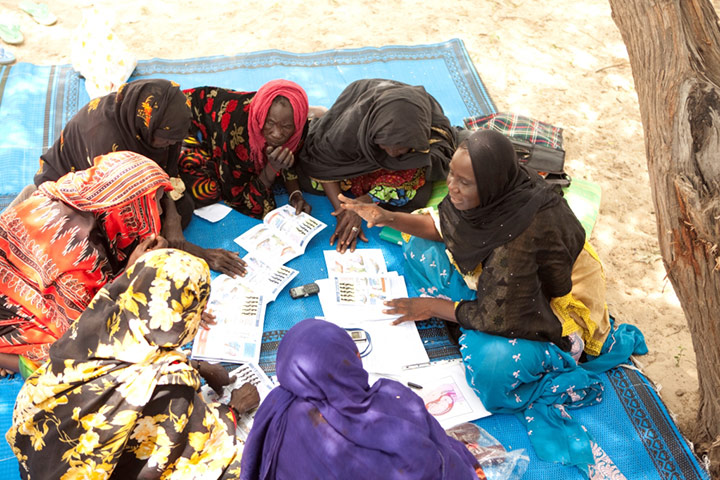
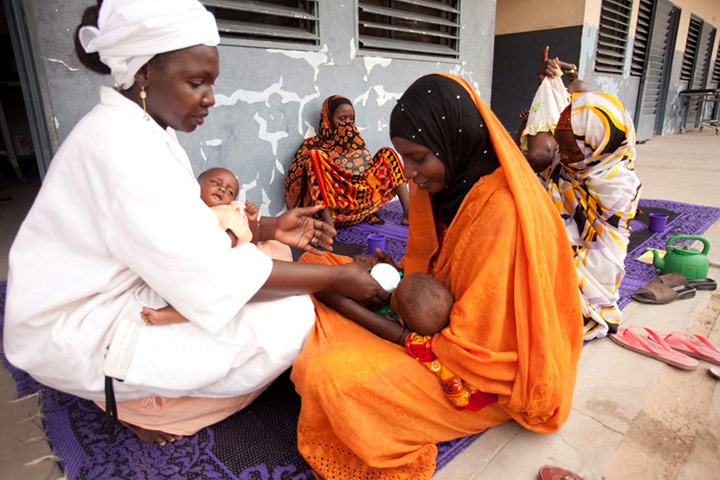
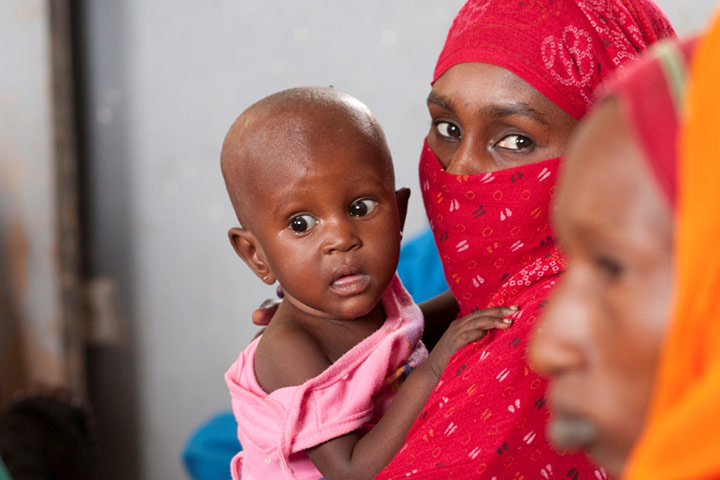
Suliman’s small millet field will probably produce just two to three bags, which will only last them for three or four months. “The rains have stopped after a good start in June and now it is too dry for growing. Many shoots remain too small to give yields.” Photograph: S.Hauenstein Swan/Action Against HungerTo alleviate the chronic food insecurity and acute malnutrition, charities like Action Against Hunger (ACF) run mobile clinics, where they assess and identify the nutritional status of children like Achtor and treat them. It’s part of the West Africa Humanitarian Response Fund, which is funded by the Department for International Development (DfID)Photograph: S.Hauenstein Swan/Action Against HungerAt this mobile clinic, children are weighed and measured and given the "appetite test". Those who have acute malnutrition, but still have an appetite are given ready-to-use therapeutic foods. Those who have lost their appetite and have life-threatening severe acute malnutrition and additional medical issues are sent to a regional hospital for intensive carePhotograph: S.Hauenstein Swan/Action Against HungerWhilst western Chad frequently experiences high acute malnutrition rates during the “hunger gap” season (a period of routine scarcity between harvests) the last two years have been particularly harsh. Some people are resorting to diluting leftovers of burnt millet porridge given to them by neighbours to feed their familiesPhotograph: S.Hauenstein Swan/Action Against HungerThe Emergency Aid Programme is directly treating 8,000 severely malnourished children as well as implementing nutrition and health awareness-raising activities to some 214,000 household members across 580 villages in the region in partnership with the Chad Ministry of HealthPhotograph: S.Hauenstein Swan/Action Against HungerThis clinic in Mossouro town is where cases of severe acute malnutrition are handledPhotograph: S.Hauenstein Swan/Action Against HungerSevere acute malnutrition can be fatal if left untreated. This little girl has been taken to the clinic in Mossouro where she is receiving specially formulated micro-nutrient-enriched food and other medical supportPhotograph: S.Hauenstein Swan/Action Against HungerThe food crisis continues for more than 2.1 million men, women and children across Chad. DfID provides support to organisations such as AAH, Unicef and the World Food Programme to helpPhotograph: S.Hauenstein Swan/Action Against Hunger
Sign up to read this article
Read news from 100’s of titles, curated specifically for you.






.jpg?w=600)