For more than two decades, South Korea has stood at the epicenter of competitive gaming, a nation where esports is treated with the prestige and infrastructure of traditional sports.
From sold-out stadiums to superstar athletes, Korea’s esports influence radiates across the global scene. But according to Kim “KkOma” Jeong-gyun, one of the most decorated coaches in the history of League of Legends and esports as a whole, this dominance didn’t happen by coincidence.
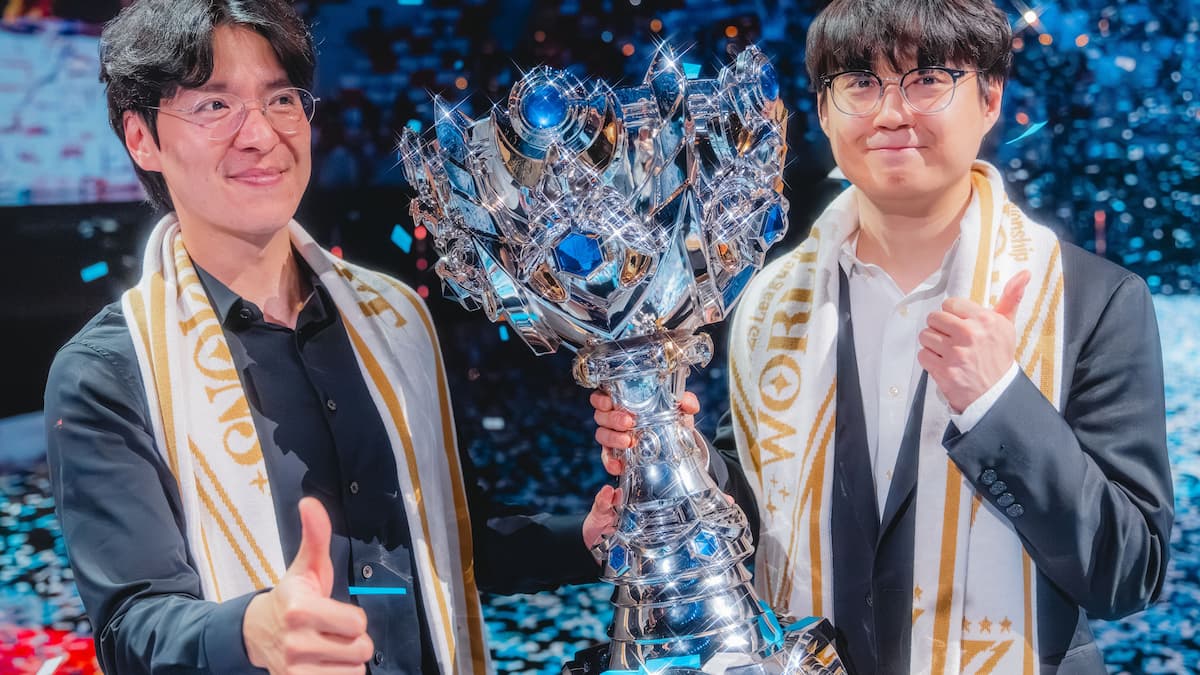
“It’s mainly probably because esports started from Korea, and overall, we’re the pioneers. If you think about esports in Korea, Korea has been so strong in esports for such a long time, most likely because it all started here,” KkOma told Dot Esports in an exclusive interview during the League’s World Championship 2025 in China.
He’s not exaggerating. Before there were franchised leagues, multimillion-dollar prize pools, or worldwide streaming platforms, Korea treated esports as a legitimate competitive pursuit. The early 2000s StarCraft era gave birth to professional teams, televised matches, and fostered a fan culture that many regions wouldn’t adopt until years later.
“You know, there are other game categories of esports, and I feel like in esports overall, there are game categories where our seniors made the scene. So that really helped with the development of esports in Korea.”
Those seniors, the first generation of pro gamers, organizers, coaches, and industry leaders, built systems that made long-term dominance possible. They pushed for coaching structures, rigorous scrim schedules, sports-like discipline, and advanced training environments long before they became industry standards.
From StarCraft to global stardom
South Korea’s rise to global esports fame was also built on a handful of genre-defining games that took root in the country’s gaming culture and blossomed into worldwide phenomena. StarCraft, League of Legends, and later Overwatch, PUBG, and Tekken became the pillars of Korea’s competitive legacy, titles in which Korean players not only excelled but fundamentally reshaped how the games were played at the highest level.
StarCraft, in particular, sits at the foundation of this story. During the late 1990s, the explosive popularity of StarCraft: Brood War in PC bangs on national television, essentially turning South Korea into the birthplace of modern esports. The boom even helped spark the creation of the first World Cyber Games, hosted in Seoul in 2000. Years later, StarCraft II continued that legacy through stars like Maru, whose aggressive, clinical play, and record-setting GSL titles made him one of the most accomplished RTS competitors in the world.
Ryujehong and Fl0w3R in Overwatch, Loki and Esther in PUBG, and Knee, JDCR, and LowHigh in Tekken all show how Korea produces top talent across many genres. Their international success highlights the depth and consistency of Korea’s competitive culture. Not to mention Faker in League, who is a six-time world champion and has been redefining the rules of longevity in esports.
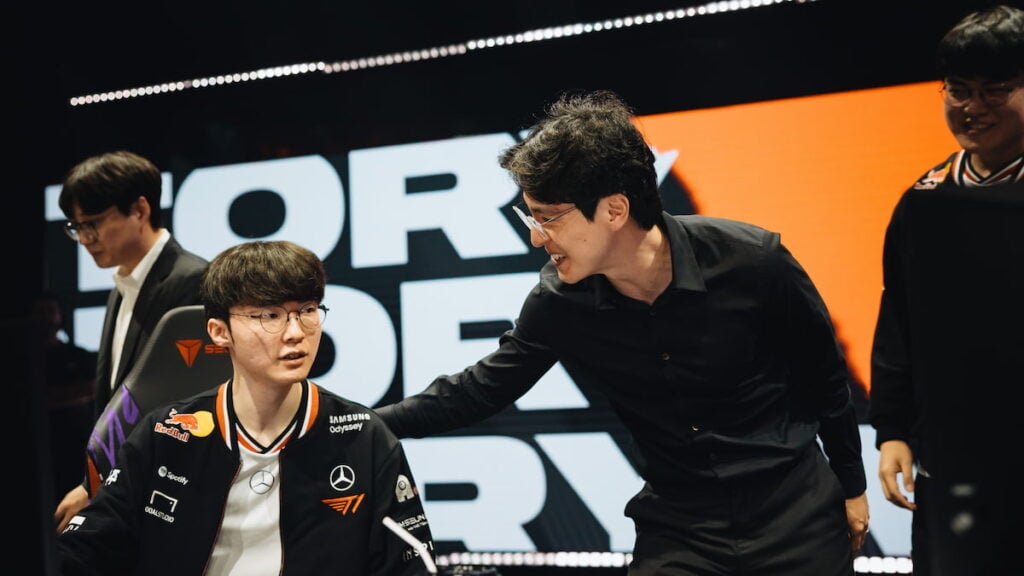
Seoul’s government-recognized esports academies give aspiring pros structured training, teaching fundamentals, strategy, and game theory while connecting standout players to pro organizations. This system, far more organized than in many Western regions, creates a reliable pathway to the professional scene.
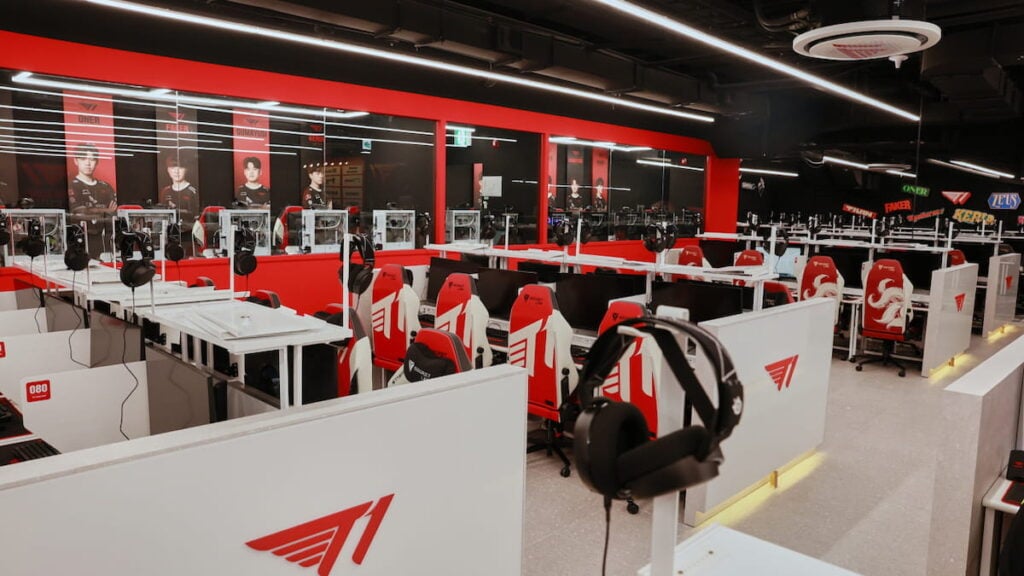
Just as important is Korea’s PC bang culture. With over 25,000 high-performance and relatively affordable gaming cafés and major venues like the LoL Park and Busan Esports Arena, competitive gaming is a normal part of public life. This combination of accessible infrastructure, constant competition, and strong institutional support ensures South Korea continues to produce world-class esports talent year after year.
Why Korea still leads the world
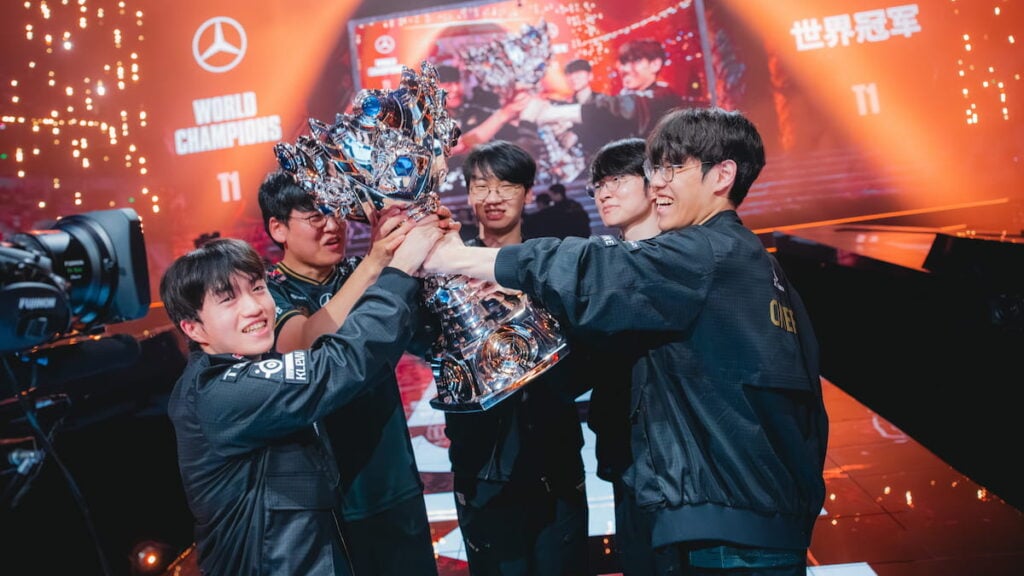
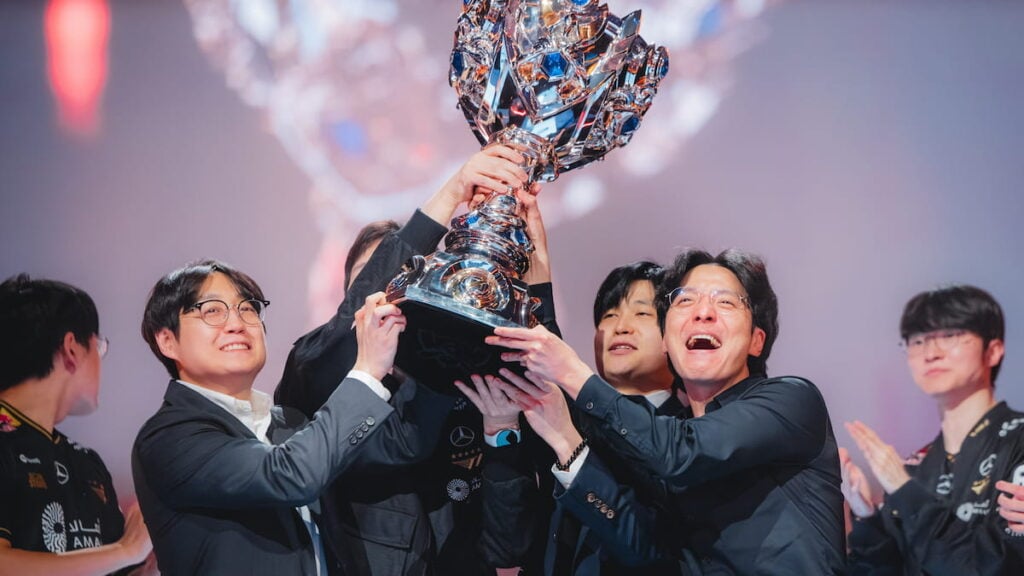
T1 itself is a living example of that legacy. As one of the world’s most iconic organizations, its success is inseparable from the broader Korean esports ecosystem, where it has secured six world championships in League esports. KkOma, who led T1 to multiple Worlds victories, is both a product and a steward of that culture.
Korea’s esports model with centralized infrastructure, strong team houses, a deep talent pipeline, and a culture that respects competitive gaming continues to attract attention from esports organizations worldwide. Even as esports has globalized, with rising powerhouses in China, Europe, and North America, Korea has remained a benchmark. Moreover, Korean League players continue to move into the LEC, LPL, LCS, and other regions, reinforcing Korea as the top talent pool. These imports often arrive as standout rookies and quickly elevate the level of play wherever they go.
The LCK has long maintained one of the highest competitive ceilings in the world, and has consistently proven it on the international stage. Korea holds 10 world championship titles and seven runner-up finishes, a record unmatched by any other region. And it isn’t only dynasty teams like T1 leading the charge. Dark-horse runs from squads such as DRX and KT Rolster have shown that depth across the league is just as threatening, with multiple teams capable of beating the world’s best on any given day.
Building esports from the ground up

KkOma’s words serve as a reminder that Korea’s dominance isn’t purely about mechanical skill or meta expertise. It’s about the foundation built by those who came before: the innovators who treated esports seriously before the world caught up, and the lawmakers who recognized esports as a legitimate industry. Their early commitment helped transform gaming from a niche pastime into a nationally supported discipline.
By legitimizing esports at the government level through education programs, infrastructure investment, visas, and professional certifications, these policymakers ensured that talent could flourish in a structured and stable environment. This blend of cultural passion, pioneering players, and institutional support laid the groundwork for South Korea to become not just a participant in global esports, but its most influential architect.
As esports continues to evolve, Korea’s early investment in its pioneers may remain its greatest competitive advantage. And as long as leaders and coaches like KkOma continue to uphold that legacy, the nation’s role at the forefront of the esports world seems secure.