Get all your news in one place.
100’s of premium titles.
One app.
Start reading
The Guardian - UK
The Guardian - UK
World
Giles Duley

Syrian refugees by Giles Duley

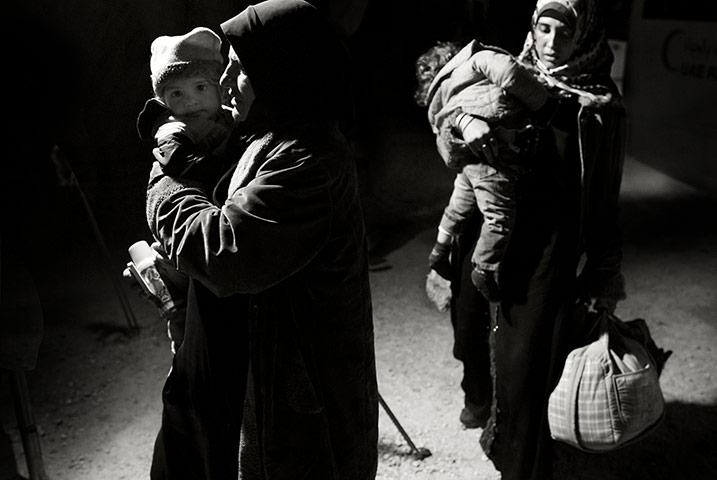
Giles Duley: Syrian refugees reach Jordan
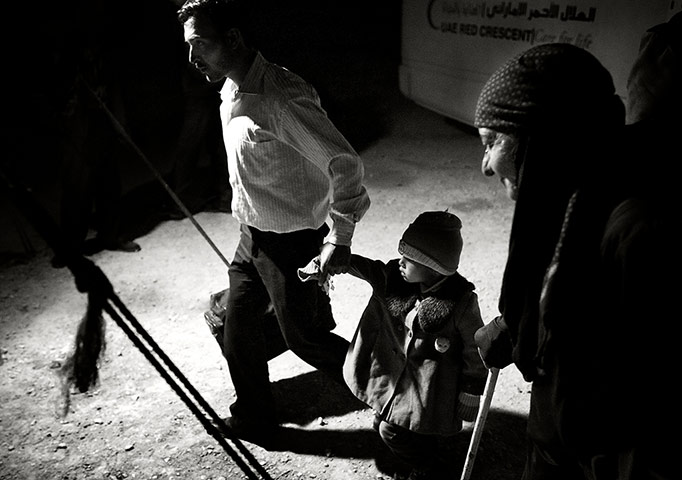
Having walked for many miles, often trekking cross-country for days to escape the fighting, the Syrian refugees arrive at the Jordanian border and are taken by bus to the Zaatari camp, where they are registered by the UNHCR. On average, nearly 2,000 arrive every night Photograph: Giles Duley
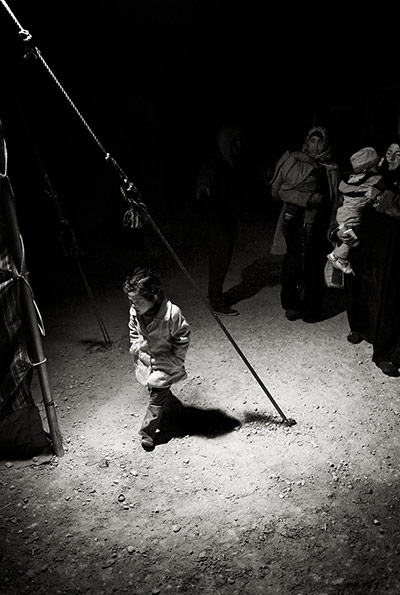
Giles Duley: Syrian refugees arrive at a camp
It's 2am, and refugees arrive at the Zaatari camp with what few possessions they could carry from their homes Photograph: Giles Duley
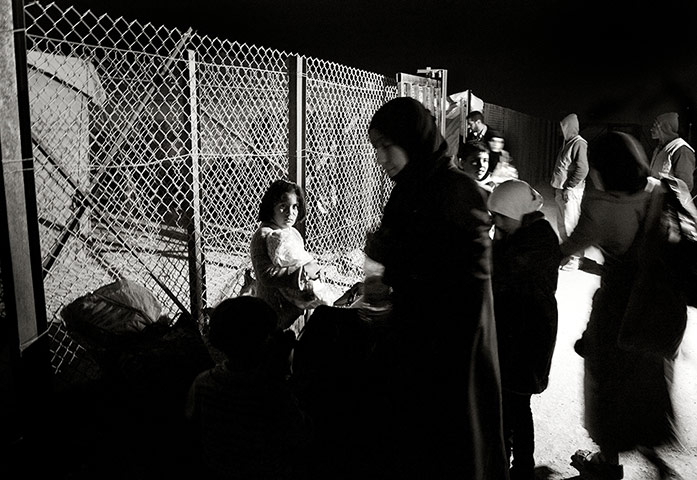
Giles Duley: Syrian refugees wait for processing at a camp
At the Zaatari camp, refugees wait to be processed. New arrivals are registered; medically screened; provided with a meal; given a tent, bedding and a gas stove; and then finally allocated a space within the camp. Handicap International immediately assesses the needs of those arriving with disabilities Photograph: Giles Duley
Giles Duley: Syrian family at a refugee camp
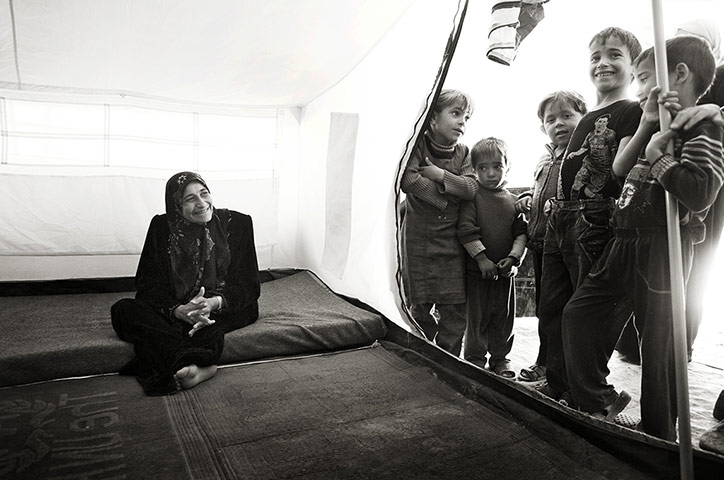
The camp provides refuge from the war, but it is not without its own problems. There are reports of rape, a thriving black market, exploitation and recently there have been riots over conditions. Many feel unsafe to leave their tents at night. While the many NGOs involved try their best to feed, shelter and provide medical care for the refugees, the sheer numbers and limited funding make the task almost impossible Photograph: Giles Duley
Giles Duley: Sawsan, 40, in the camp
Sawsan, aged 40, recently arrived at the camp. At home, a few months before, she had gone outside to get her children, when a protest started in her street. Firing started and she was shot in the leg. After several months of treatment, her leg was amputated. When she returned home, the fighting had become more intense in her neighbourhood, and she was finally forced to flee when her home was damaged. She is now living in a tent; is an above-knee amputee, a widow, and with 10 children to support Photograph: Giles Duley
Giles Duley: Syrian refugees Basil, 19 and his brother, Faraj, 22
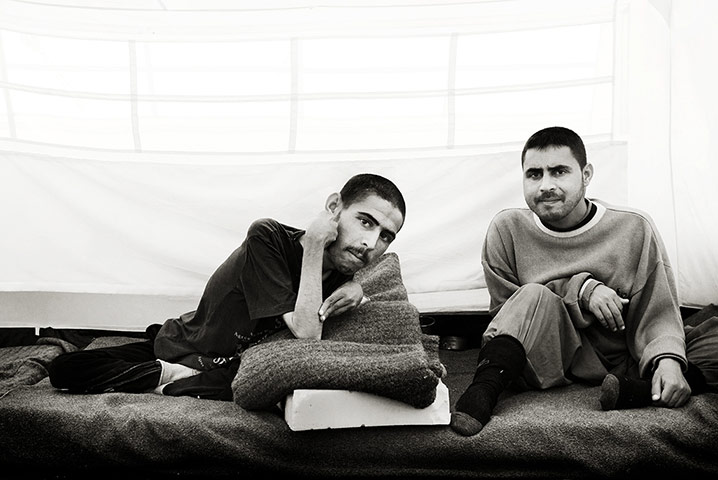
As well as those with recently acquired injuries, there are many with congenital and chronic disabilities who are forced to flee the fighting. Often they are left in desperate situations, as the collapse of the Syrian healthcare system has left them without the long-term support they require.
Basil, 19 and his brother, Faraj, 22, both have severe spinal muscular atrophy. Their widowed mother, Suward, grew fearful for their safety as fighting intensified, and their house was hit by shell fire. As neither of her sons could walk, her neighbours, and strangers she met on the journey, helped her carry them across the border
Photograph: Giles Duley
Giles Duley: Hamdah, 70, a refugee
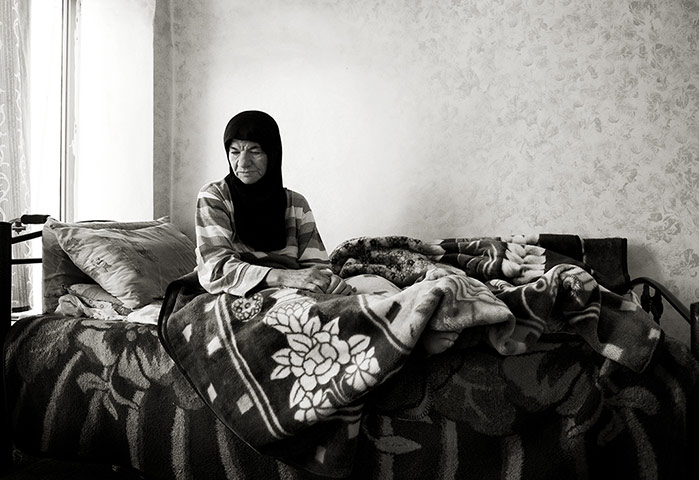
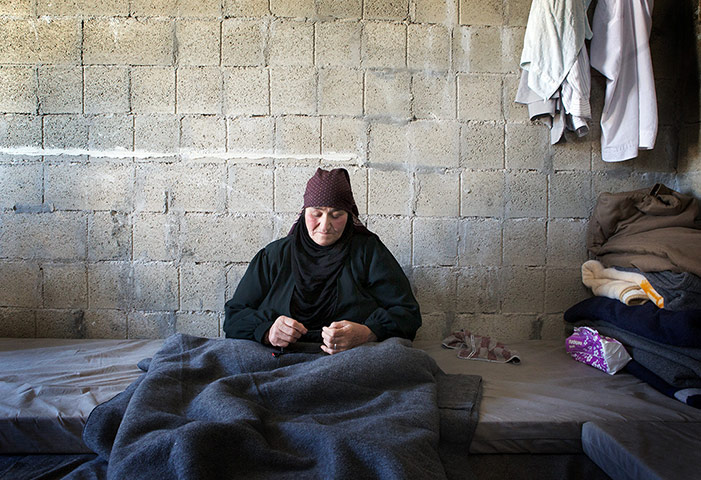
Hamdah, 70, was hiding in a cellar when the Syrian army came to search the house. They dragged the family out from where they were hiding, and she was pushed over, shattering her hip. Two of her sons are still being held and she fears of their fate.
Scared to seek treatment in Syria, she fled to Jordan and is now living in the Zaatari camp. Though her hip has been repaired, she is still unable to walk, and finds it almost impossible to get around the camp by wheelchair
Photograph: Giles Duley
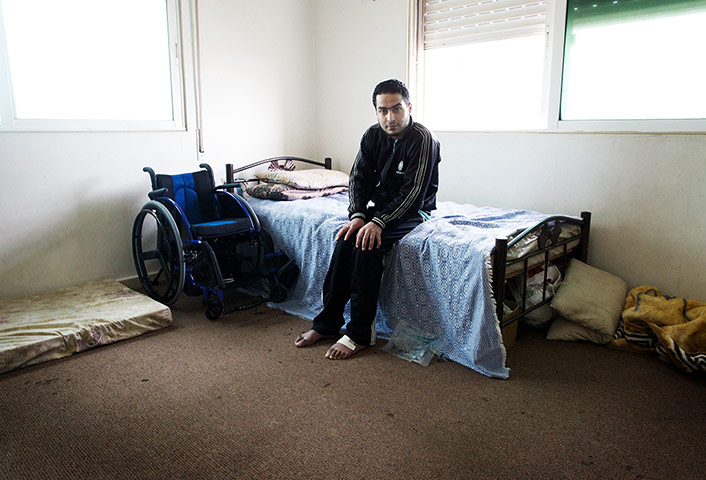
Giles Duley: Shaher, 22, a refugee, who is paralysed
Paralysed by a bullet, while fighting in Damascus, Shaher, 22, is now confined to a wheelchair. He lives on the 4th floor of an apartment block in Jordan that has no lift, and is cared for by his family. Despite being told he will never walk again, he’s determined to prove the doctor’s wrong and dreams of returning to Syria Photograph: Giles Duley
Giles Duley: Bashar, a Syrian refugee who was injured by a tank shell
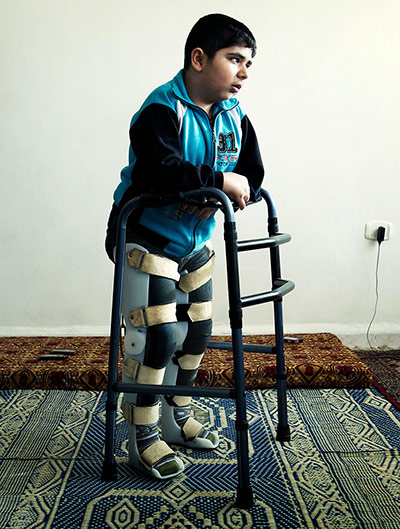
Bashar was 12 when a tank shell landed near his house. The shrapnel shattered his leg. Delayed treatment meant that his recovery has been painful and slow – and made worse by the fact that he already suffered from juvenile arthritis. Bashar is now getting the appropriate physiotherapy from Handicap International, and longs for the day when he can return to Syria and to school. He lives with his family on the 5th floor of an apartment in Jordan and is therefore unable to go outside Photograph: Giles Duley
Giles Duley: A Syrian refugee farmer on his crutches
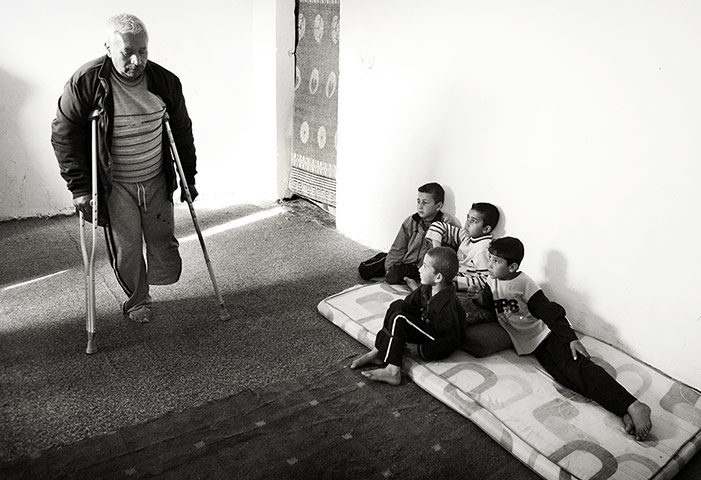
Watched by his neighbours’ children, a farmer exercises in the home he now rents in Jordan. One night, a few months before, the lights suddenly went out at his farm in Syria. An hour later, rockets hit and destroyed the building. His daughter was killed and he lost his leg. “I lost a child and a leg, at least I still have one of each,” he says Photograph: Giles Duley
Giles Duley: Amina, 63, a widow and Syrian refugee
Amina, 63, and a widow, fled the fighting in Deraa in southern Syria. However soon after reaching Jordan, she fell over in the night and broke her hip. With no family to support her, she relies on the visits from Handicap International physiotherapist Photograph: Giles Duley
Giles Duley: Asim, from Ibrid, was a long-distance runner
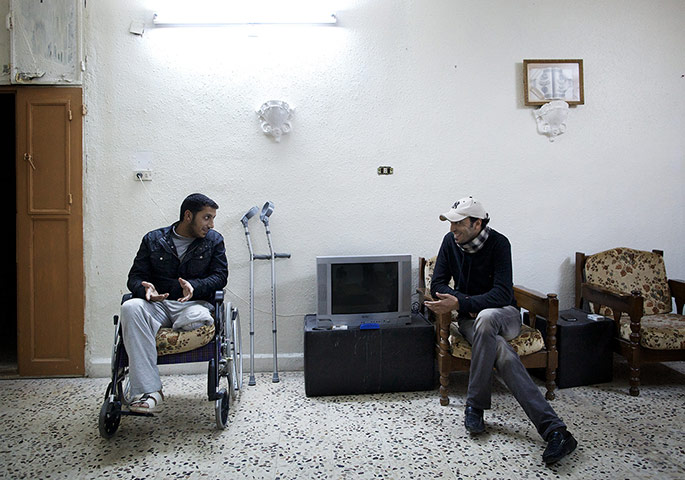
Asim, from Ibrid, was a long-distance runner before the war started. After his home was attacked, he deserted the Syrian army and took up arms with the rebels. As the fastest man in his unit, he was often sent ahead to scout – something he was proud to do. He was hit by shrapnel from a tank shell that severed his leg.
Just a few months later, he now argues with his cousin, about whether he should be allowed to go back to fight once he has a prosthetic leg. His family is trying to persuade him to stay, but he’s determined to continue fighting
Photograph: Giles Duley
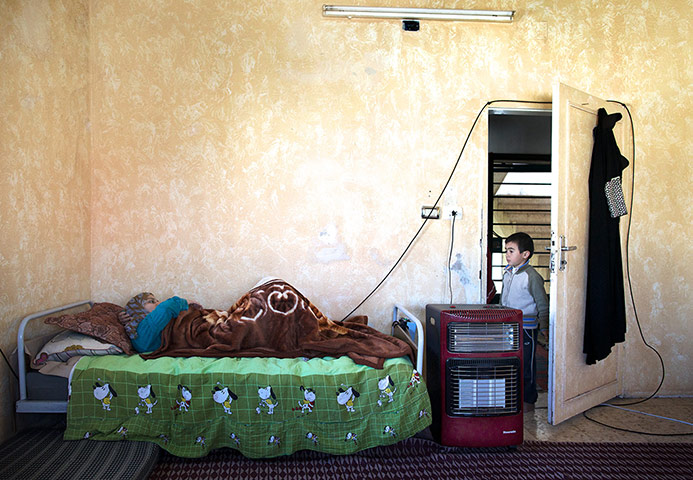
Giles Duley: Syrian refugee, Lubna, 24
Lubna, 24, was a university student studying English, at Damascus University when the war started. Last year, she was travelling in a bus that was attacked by the Syrian army. Many on the bus were killed, and Lubna was left gravely injured and bleeding from a bullet wound in her back. When others tried to reach the bus, they were shot and killed by a sniper. It was three hours before help finally reached Lubna, and she was taken to a government hospital. She was told she would be unable to walk again.
Hearing that the Syrian army were killing some of the patients, her family got her across the border to a hospital in Jordan. Her husband, a policeman, threatened to divorce her if she did not return to Syria within two days – despite her being in hospital, and the threat to her life if she returned.
Now divorced, she lives with her father, sister and five-year-old brother in a rented flat in Jordan
Photograph: Giles Duley
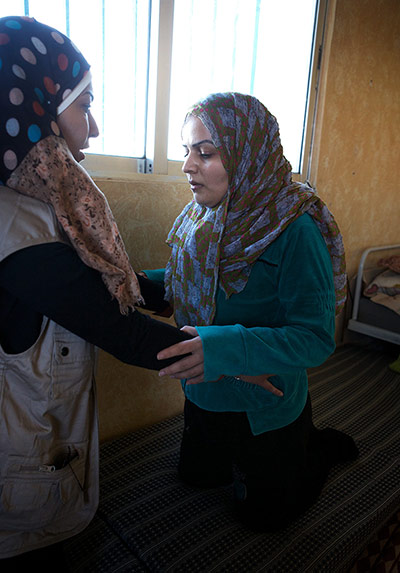
Giles Duley: A physiotherapist from Handicap International
Maha, a physiotherapist from Handicap International, helps Lubna with her exercises. It’s unlikely she will walk again unaided. She waits for the day when peace returns to Syria so that she can return to her studies Photograph: Giles Duley
Giles Duley: Syrian refugee, Isra
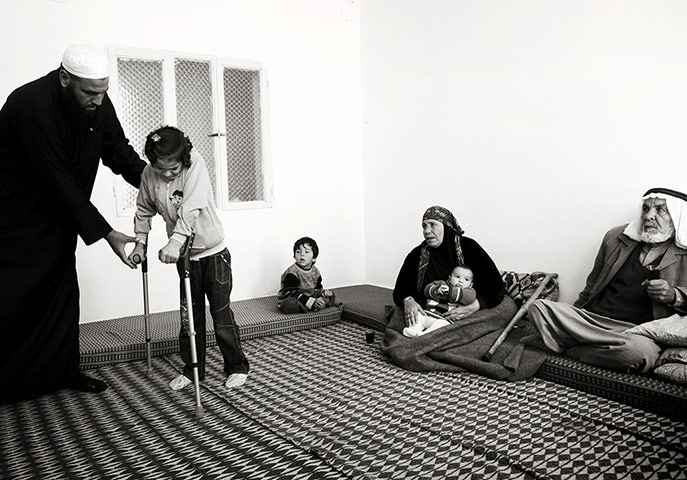
Isra was sitting under a tree near her home, drinking tea, when a sniper shot her, fracturing her spine. She is nine years old and, despite the best efforts of Handicap International’s physiotherapists, is unlikely to walk unaided again.
Each day, supported by her aunt and uncle, she pushes herself in rehabilitation to the point of tears. In a separate attack, her aunt was hit in the stomach by shrapnel during a rocket attack that killed her neighbours. In Syria, it seems, there is no one unaffected by the war
Photograph: Giles Duley
Sign up to read this article
Read news from 100’s of titles, curated specifically for you.
Already a member? Sign in here
Related Stories
Top stories on inkl right now
Our Picks
Fourteen days free
Download the app
One app. One membership.
100+ trusted global sources.