
Syrian Prime Minister Hussein Arnous said his government was recently obliged to increase the price of diesel and bread, noting that the cabinet also had plans to raise salaries of civilian workers by 100 percent instead of 50 percent, however, the situation did not allow it.
Arnous’ statements came two days before President Bashar Assad is sworn in for a fourth term in office and amid reports over a possible government change in the coming days.
Last week, Assad issued a decree raising salaries of civil servants and military members by 50 percent amid a government decision to increase the prices of diesel and bread.
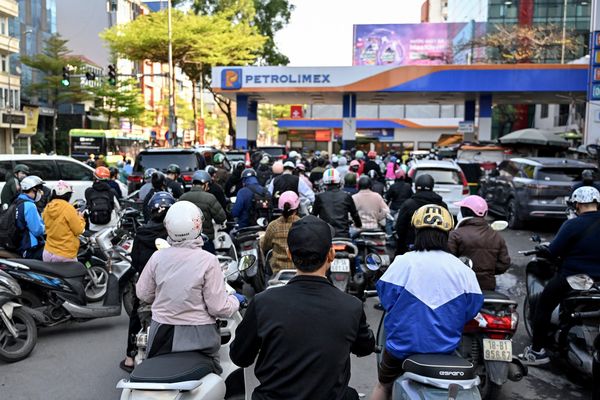
In an interview with the national television Al-Suriya, the PM said the decision to raise the price of diesel and bread was difficult, adding that the cost of the two products is still higher than their selling prices.
“A package of bread costs the state 1,200 Syrian pounds and a liter of diesel costs 1,967 Syrian pounds,” Arnous explained, stressing that the package of bread continues to be subsidized by 1,000 pounds and the liter of fuel by about 1,500 Syrian pounds.
He said the government does not aim to entirely lift the subsidy but will restructure it to reach the segments that deserve it.
Also, the Syrian PM accused the US forces of steeling his country’s wealth, adding that due to the control of criminal gangs and the US occupation of oil fields, the state is only capable to produce in the areas under its control about 18 thousand barrels per day.
He admitted that Syrians did not welcome the recent decision to raise the salaries of public workers.
“The decision was lengthily studied during the past six months and the government team wanted to lift salaries by 100 percent. However, when we started making calculations, the situation changed,” Arnous said.
The PM said the recent increase in the price of diesel has achieved a monthly income of 64 billion Syrian pounds while the salary increase costs the state 84 billion Syrian pounds.
He stressed that the US and the West are waging an "economic war" on the country, adding that the so-called “Caesar Act” is neither the first of Western and US sanctions nor the last.