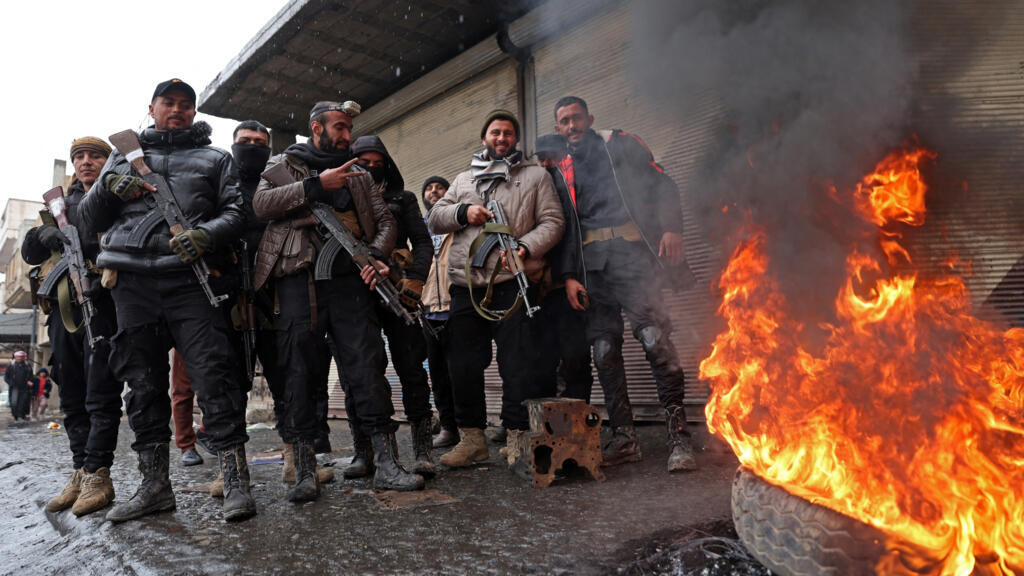
The Syrian Army has made sweeping gains against Kurdish-led forces in northeast Syria, dealing a major blow to Syrian Kurdish autonomy and handing victories to both Damascus and neighbouring Turkey. With Washington abandoning its backing of the militia alliance, the Syrian Democratic Forces now face disbandment or renewed fighting.
Within days, Syrian government troops swept aside the SDF and took control of vast areas of territory. The offensive followed the collapse of talks on integrating the SDF into the Syrian Army.
Washington’s shift proved decisive.
“The game changer was the American permission, the American green light to [Syrian President] Ahmed al-Sharaa. That opened the door to Damascus launching the offensive,” said Syria expert Fabrice Balanche, of Lyon University.
The SDF had been a key US ally in the fight against Islamic State and relied on American support to deter an attack by Damascus. But with Islamic State now weakened and Sharaa joining Washington’s alliance against the group, the Kurds lost their leverage.
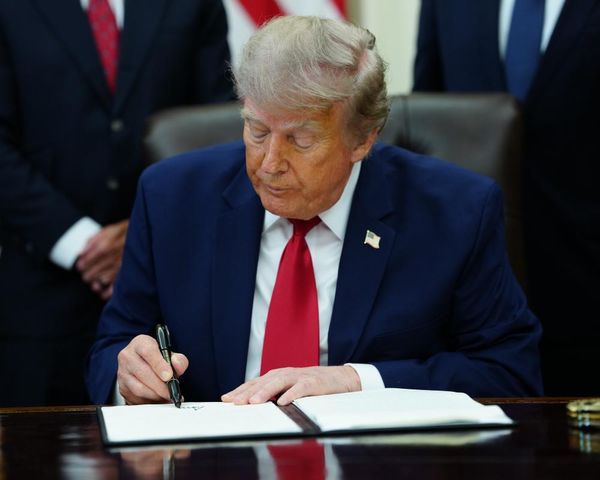
“Trump viewed the relationship as temporary, not a true alliance,” said Balanche, a municipal councillor with France's rightwing Republicans party.
French journalist arrested in Turkey while covering pro-Kurdish protest released
US withdrawal and rapid collapse
As Washington ended its support, many Arab tribes quit the Kurdish-led coalition. They aligned with Damascus, allowing government forces to advance quickly in Arab-majority areas.
Several prisons holding Islamic State members fell to government control, with reports that hundreds escaped. Fears of wider instability pushed Washington to broker a ceasefire between the SDF and the Syrian government.
Under the deal, SDF forces are to disband and merge into Syrian government units, a move backed by Ankara.
Turkey has strongly supported the Damascus offensive. It accuses Kurdish elements within the SDF of links to the PKK, which has fought a decades-long insurgency against the Turkish state.
“Turkey is certainly behind all these operations,” said international relations professor Huseyin Bagci of Ankara’s Middle East Technical University. “The Turkish defence minister, General Chief of Staff, has recently been in Syria. So there is probably a common action.”
Turkey blocks calls for regime change in Iran as protests escalate
Kurdish tensions inside Turkey
The assault has triggered protests by members of Turkey’s large Kurdish minority in support of Syrian Kurds. It has also coincided with talks between the pro-Kurdish Dem Party, the Turkish government and the outlawed PKK aimed at ending the conflict.
The PKK declared a ceasefire and pledged to disband last year, but talks stalled months ago. Ankara has blamed the deadlock on the SDF’s refusal to join the PKK’s disarmament commitment.
The fighting in Syria could deepen Kurdish disillusionment with the peace process, political analyst Sezin Oney, of the Politikyol news portal, warned.
“They pictured this peace process as a big win for the PKK that finally all these rights, all the political rights, cultural rights, everything would be recognized, and a new era would begin," Oney said.
"It's not that, and it won't be that there is nobody in Turkey on the side of the government who was envisioning such a change or anything of the sort."
The Dem Party had few options left. “The only thing Dem can do is rally the Kurdish public in Turkey, and it is just going to be disbursed,” Oney added.
Syrian army offensive in Aleppo draws support from Turkey
Risk of wider bloodshed
Turkish police have broken up many pro-SDF protests using water cannon and gas, carrying out hundreds of arrests.
French journalist Raphael Boukandoura was detained and later released, in a move rights groups said was meant to intimidate foreign media.
Without US intervention, Damascus would push further into Kurdish-held areas, Balanche warned. “Sharaa will seize everything."
The risk of large-scale violence, he added, was growing in a region marked by tribal rivalries and years of war.
“Northeastern Syria is a very tribal area. The tribal leaders who are mobilizing their groups, their fighters, and they’re attacking," Balanche said.
“Because of 10 years of civil war, you have a lot of vengeance that was under the table, and now everything is exploding. So it could be very bloody.”