Syria's refugees: birth and life in Zaatari camp – in pictures
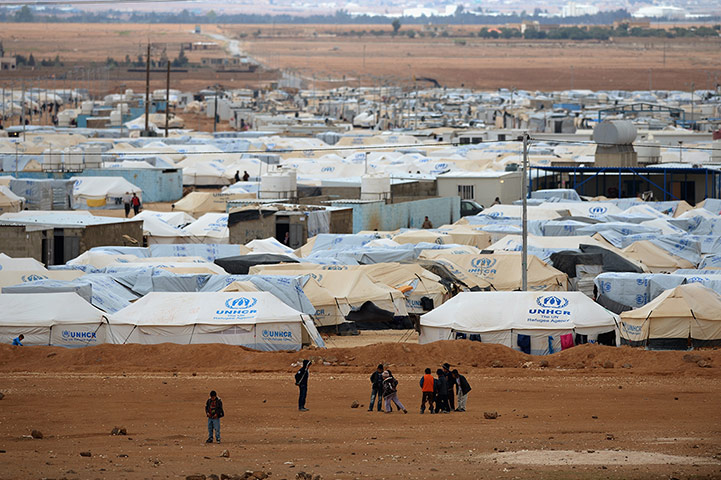
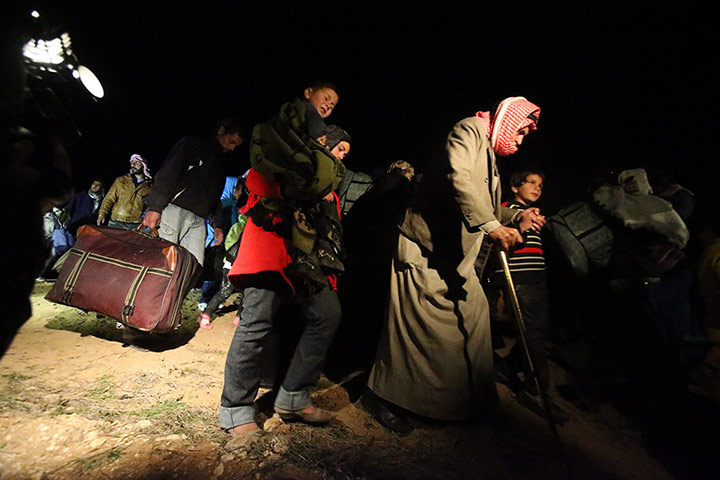
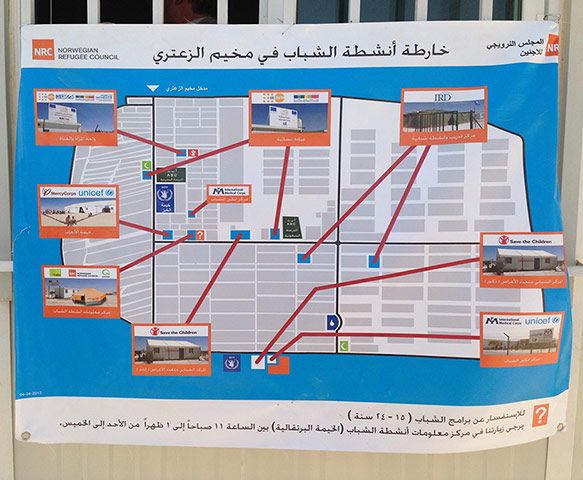
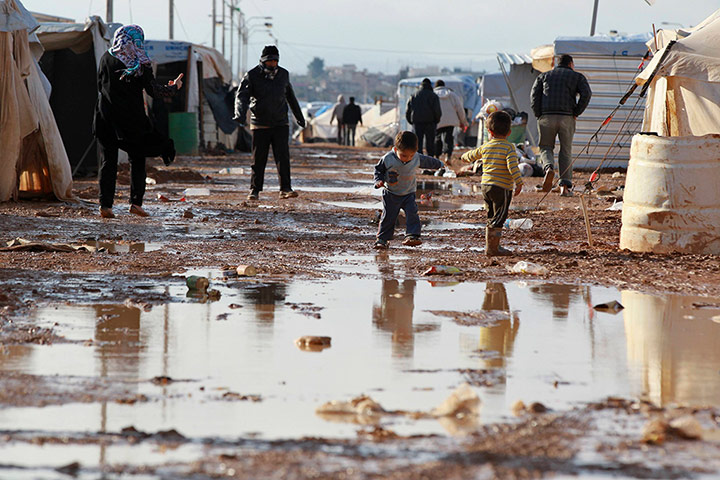
Syrian refugees go about their daily business in the Zaatari refugee camp in Mafraq, Jordan, January 2013. Record numbers of refugees are fleeing the violence in Syria to cross the border to northern Jordan, overwhelming the camp. The Jordanian government and NGOs are appealing for help with the influx of refugeesPhotograph: Jeff J Mitchell/Getty ImagesAround 3,000 Syrians cross the Jordanian border every day. Many have walked for days with little more than the clothes on their back. The majority of Zaatari’s residents are women and children, with men often staying behind to look after homes and businesses Photograph: Getty ImagesA map shows the UN service points in Zaatari including schools, clinics and food distribution centres. The UN high commissioner for refugees is the lead agency in the camp, working closely with the Jordanian government. Thousands of refugees are entering Jordan every day, and Zaatari is now Jordan’s fifth largest city. To date, all of Syria’s neighbours have kept their borders open to refugees fleeing the conflictPhotograph: Maeve Shearlaw
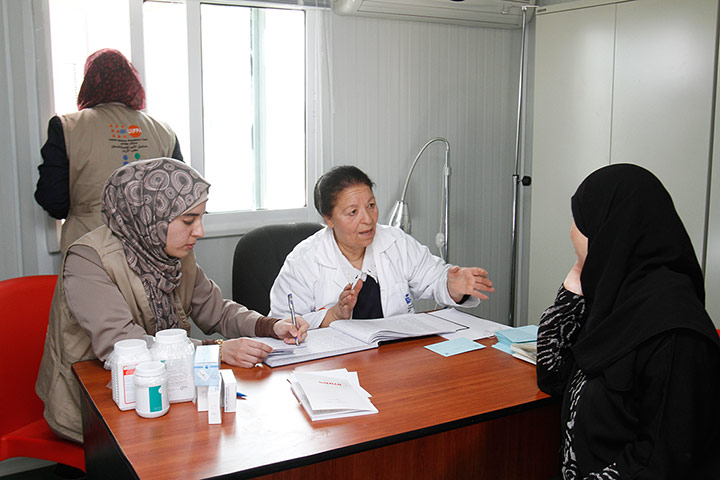
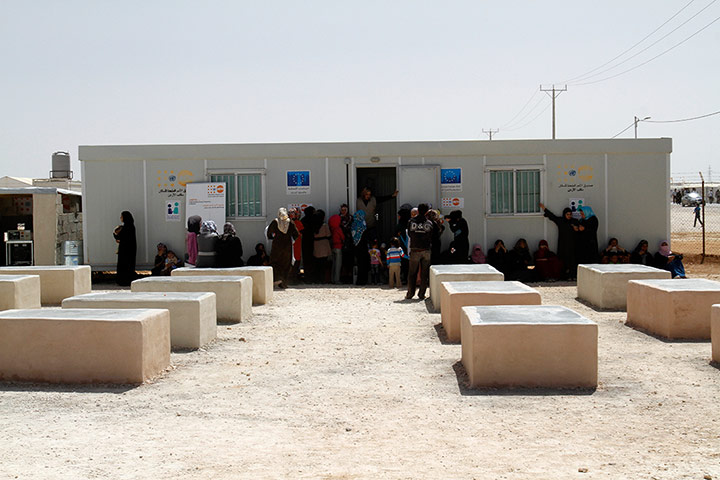
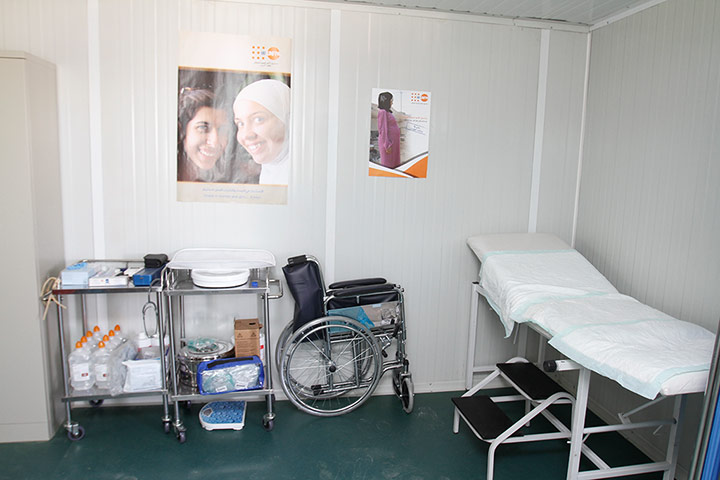
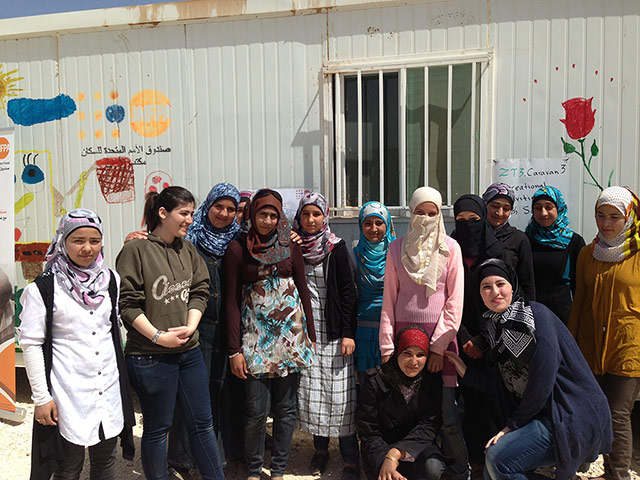
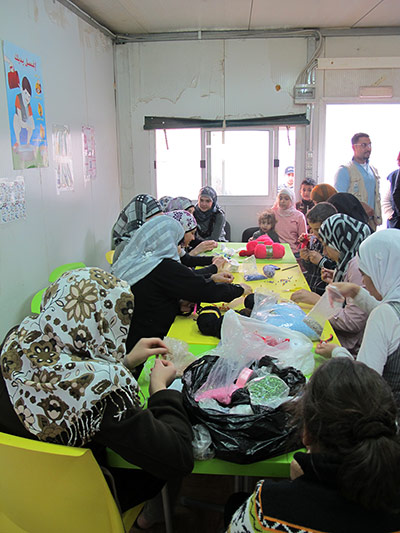
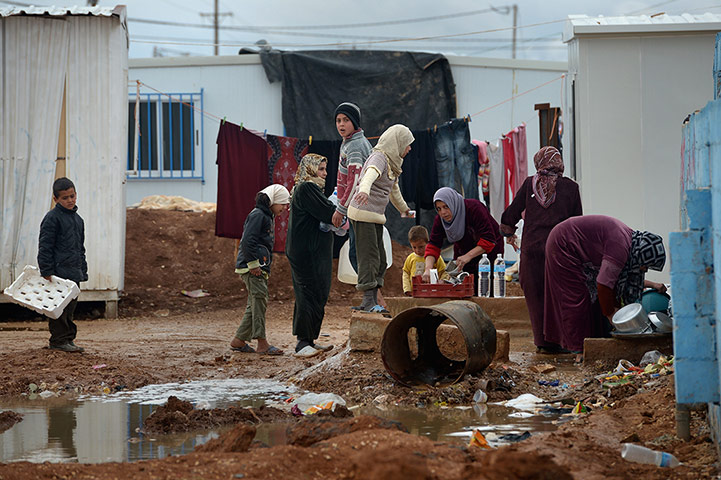
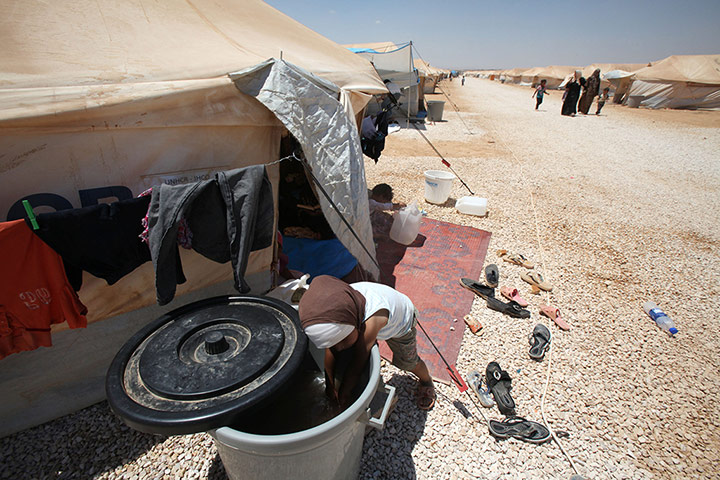
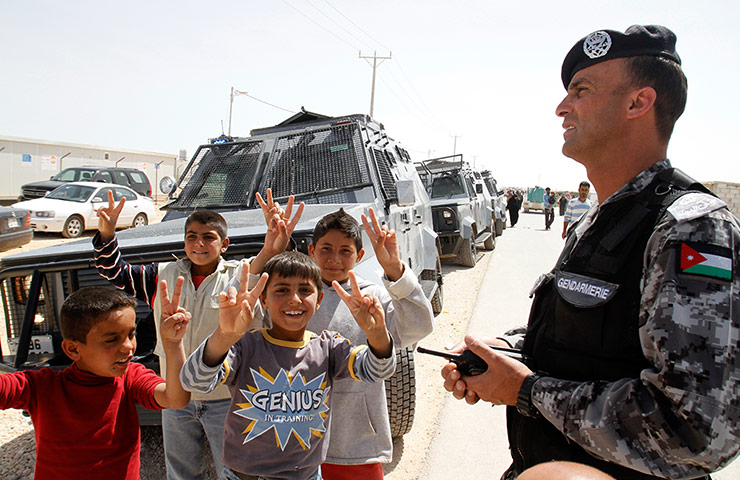
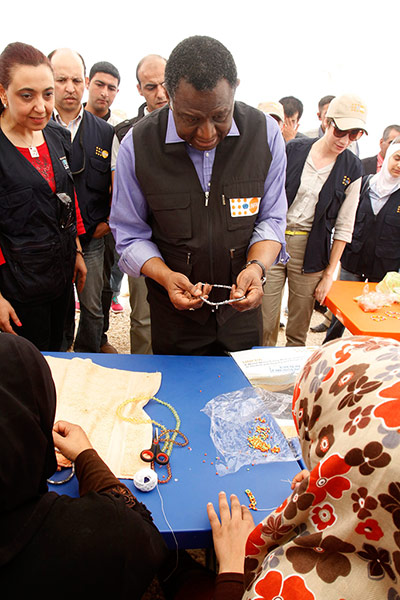
Munria Shabal (centre) is a midwife working in Zaatari. She 'retired' 15 years ago, but gets up at 5am and takes two buses to Zaatari five days a week. She trains other midwives in a five-step programme to address the needs of refugee womenPhotograph: UNFPAWomen wait for check-ups outside an antenatal clinic in Zaatari. A shelter to protect women from the heat was planned, but the contractor pulled outPhotograph: UNFPAA delivery ward in Zaatari. There are 13-15 births in the camp every day; so far, all but one have been attended. In this clinic there is one doctor and two midwives on shift 24 hours a day. Three to four births in Zaatari require cesarean sections, which are carried out in the Moroccan field hospital, also in the camp. When complications arise women are referred to a Jordanian hospital off sitePhotograph: UNFPASyrian refugees volunteer as youth advocates. Peer-to-peer training empowers refugees to educate other young people on topics of concern, including marriage and early pregnancy. Many volunteer for the programme as it helps them feel part of a community and they are keen to share their knowledge with other young people in the campPhotograph: Maeve ShearlawUNFPA runs three women’s spaces or 'oases' offering counselling and activities to support women over issues affecting them in the camps including gender-based violence, a growing characteristic of conflict. There have been 350 self-reported cases so far this year, but the true figure is believed to be much higherPhotograph: UNFPAWinter has been tough for the residents of Zaatari with snow, rain and bitterly cold nights. The majority of refugees live in tents, some of which fell over due to the weight of snow, while others were flooded after heavy rain. Some refugees are housed in 'caravans' – prefab buildings that have flooring, providing better protection from the elementsPhotograph: Muhammad Hamed/ReutersSyrian children gather round women washing in the Zaatari campPhotograph: Jeff J Mitchell/Getty ImagesRising summer temperatures will bring a new challenge for refugees as water could become scarce. Jordan is one of the most water-stressed countries and there are fears that the lack of water could lead to dehydration and poor sanitation Photograph: Getty ImagesInitially built to accommodate 60,000 refugees, Zaatari is stretched to capacity. Despite a heavy police presence, security is fragile. There have been riots around food distribution centers and UN agencies are increasingly worried about safety of refugees and NGO staffPhotograph: UNFPADr Babatunde Osotimehin, executive director of the UN Population Fund (UNFPA), visits Zaatari to highlight the urgent needs faced by pregnant women and young people caught up in the crisis. He joined other UN agencies in appealing to governments and donors for additional resources to support the humanitarian response Photograph: UNFPA
Sign up to read this article
Read news from 100’s of titles, curated specifically for you.