The fate of Syrian peace talks hang in the balance as rival powers war over the participants and opposition figures are locked in talks about whether or not to turn up.
The United Nations announced this week that a bid to bring an end to the five-year conflict would begin in Geneva on Friday but Turkey has threatened to stage a boycott if Kurdish military forces were invited at Russia’s behest. Britain, meanwhile, accused Moscow of “hypocrisy” and warned that it was jeopardising the fragile negotiations by helping the Syrian army to gain ground.
The talks are the first major push to halt the Syrian conflict, which has claimed the lives of at least 260,000 people, since the failure of the last round of talks in early 2014. The UN has warned that progress will be slow. While the Syrian government, having gained momentum with the help of Russian air power, has said that it will attend the talks, the official opposition delegation has been wary.
Increasingly disillusioned by what it sees as US concessions to the Syrian President Bashar al-Assad and his backers, it has declared that it cannot take part unless the Syrian government proves its commitment to peace by halting the bombing of rebel-held areas.
Speaking as the group met in Saudi Arabia to thrash out its position, the opposition official Assad al-Zoubi said that he was pessimistic. Without goodwill steps including the release of detainees, “there will be no negotiations”, he said.
It has emerged that a group of opposition figures seen as close to Moscow had been asked to attend – a move that will do little to dispel accusations that the United States has kowtowed to the demands of Syria and Russia.
The picture has been further complicated by the messy web of competing interests in the Syrian conflict which has pitched the US, Saudi Arabia and Turkey against President Assad and his allies Russia and Iran.
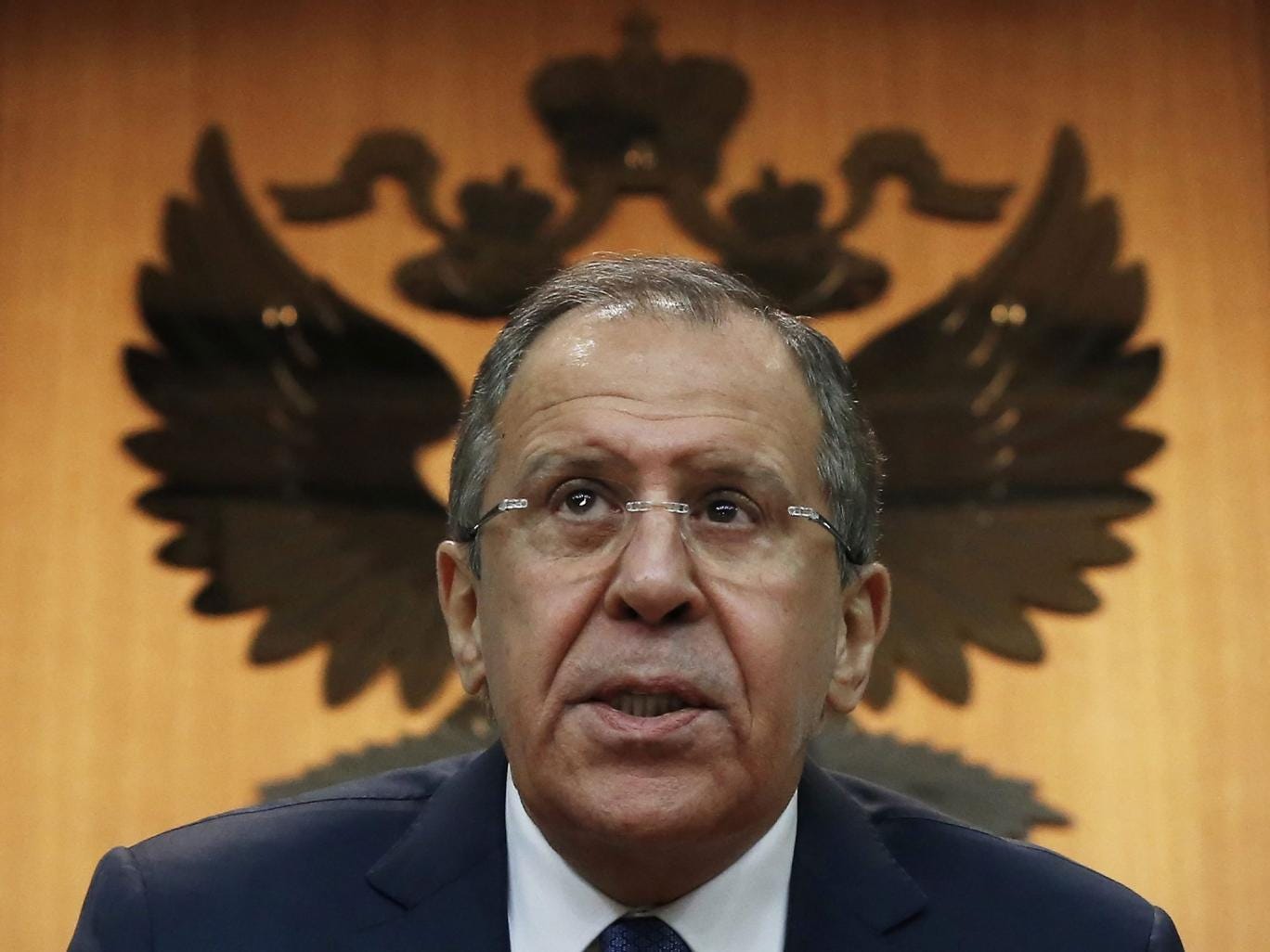
A major argument has erupted over the role of Kurdish forces. The Russian Foreign Minister Sergei Lavrov said that excluding Syrian Kurds from the negotiating process would be “unfair” and “counterproductive”, warning that Turkey was likely to use “blackmail” to keep the Kurds out of a political settlement.
Turkey, locked in a diplomatic row with Moscow since November after shooting down a Russian fighter jet, is deeply anxious that Kurdish ambitions in Syria could bolster the aspirations of Turkey’s own Kurdish population.
The Turkish Prime Minister, Ahmet Davutoglu, said in a CNN interview that Ankara supported the inclusion of Syrian Kurds in the peace process but not the YPG, a Western-backed rebel force that is linked to the outlawed Kurdistan Workers’ Party, which has waged an armed struggle against the Turkish state for more than 30 years.
His Foreign Minister, Mevlut Cavusoglu, said Turkey would boycott the talks if the PYD were invited. But it appeared that Turkey had been placated as Salih Muslim, the group’s leader, told Reuters that he had not received an invitation.
The manoeuvring comes amid a series of gains by the Syrian army with the help of Russian air strikes that began at the end of September.
Gareth Bayley, the UK’s special representative to Syria, issued a rebuke to the Kremlin after the fall of Sheikh Miskeen, a strategic town near the border with Jordan. He warned: “By continuing to support the regime in its bombardment of the moderate opposition, Russia risks damaging the already-fragile process of intra-Syrian negotiations.”
‘Last fighter’ vow: Jihadists warned
The international coalition against Isis has reportedly dropped flyers warning jihadists that it will not stop bombing “until the last fighter is killed”.
The Syrian Observatory for Human Rights, a monitoring group, said that two types of leaflet were dropped in north-east Syria by aircraft from the US-led air campaign against the group.
One, intended for civilians, pointed out the difference in living conditions for Isis fighters and ordinary citizens. It said: “Isis enjoys plenty of meals while you wait in line for water and food.”
A second, aimed at undermining the morale of Isis forces, said Isis terrain was “shrinking” and many of its leaders had been killed. “We will not stop the bombing and we will not stop the war until the last fighter dies,” it said.
Laura Pitel