Calcium deficiency, also known as hypocalcemia, is crucial for various bodily functions, including strengthening bones, maintaining healthy teeth and gums, and ensuring the proper functioning of the heart and muscles.
Calcium is not produced internally; its sources must be external. Adequate dietary intake is essential. The majority of calcium (98%) is stored in the bones, and this storage is released during activity and exercises. Calcium-rich sources include cheese, milk, yogurt, nuts, calcium-fortified cereals, figs, spinach, broccoli, etc. The daily recommended calcium levels for adults are close to 1200 mg. This requirement increases significantly during lactation and in the elderly with certain diseases.
Symptoms of Hypocalcemia
A) Myalgia (muscle pains/aches), spasms, and cramps in the legs and thighs.
In extreme cases, hypocalcemia can involve nerves, causing tingling sensations in the fingers and toes.
B) Fatigue and tiredness.
It is also associated with depression in certain cases.
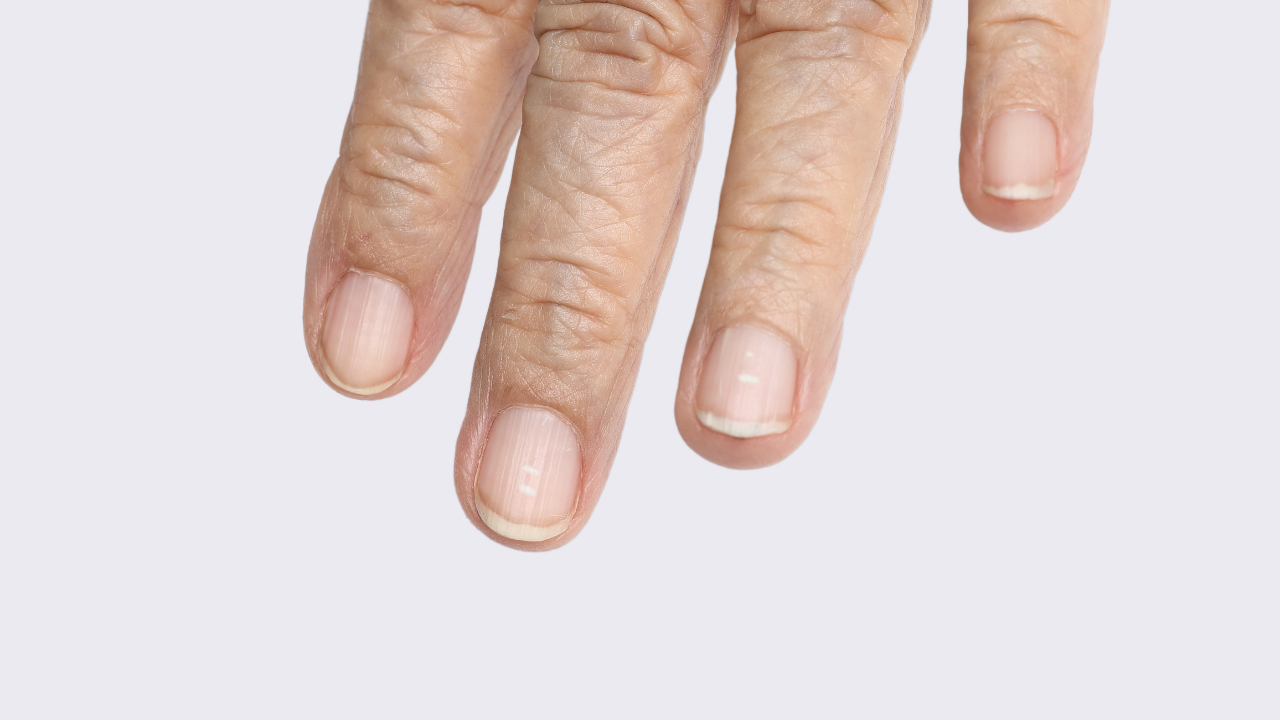
C) Brittle nails, poor skin conditions, and alopecia (hair loss) on extremes.
D) Weak teeth, tooth decay, and poor oral hygiene with weaker gums.
These are noted in low calcium levels.
E) Osteopenia (weak bones) is associated with a lack of calcium in the adult population.
Osteopenia can cause significant bone pains during activity and walking.
Reasons for low calcium levels
Numerous causes contribute to this condition. In brief, some of them include inadequate intake, lack of exercise for calcium recycling from the bones, vitamin D deficiency (directly related to calcium absorption from the gut), malignancy, hormonal conditions such as hypoparathyroidism, menopause, and certain renal conditions (kidney failure).
How to treat this condition?
If you notice any of the above symptoms, consulting your physician and undergoing a blood test is ideal. Identifying the root cause of hypocalcemia is essential for treatment. Supplementing the recommended daily allowance of 1200 mg or consuming fortified foods helps in treating the condition.
(Article Credits: Dr. Sai Krishna B Naidu, MBBS, MRCS, Dip SICOT, FRCS Ortho(UK),Mch Ortho, HOD - Trauma & Orthopaedics, Bone & Joint surgery Fortis Hospital, Richmond Road, Bengaluru)