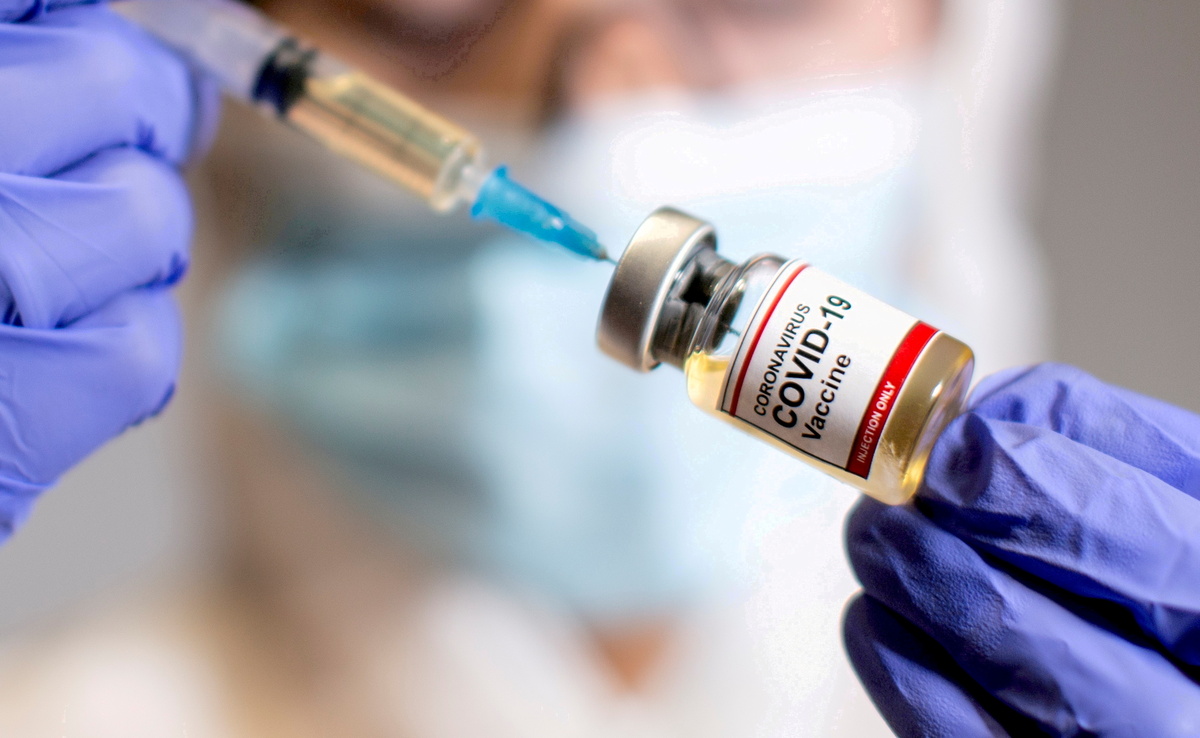
Switzerland is open to compromise in talks on the intellectual property (IP) rights of COVID-19 vaccines and drugs at the World Trade Organization, but remains opposed to a full waiver of those rights, a senior Swiss diplomat said on Thursday.
Switzerland is one of a handful of WTO members alongside the United Kingdom and the European Union opposed to a waiver of IP rights protected by the TRIPS agreement in negotiations at the WTO that began in October 2020.
Proponents and activists are heaping pressure on those hold-out countries ahead of a ministerial conference in Geneva next week and plan to stage protests.
"We remain convinced that the TRIPS waiver will not result in one additional dose of vaccine and may jeopardizes existing partnerships that have allowed us to increase production," Switzerland's ambassador to the WTO Didier Chambovey told reporters on Thursday.
However, he said the Swiss view was not "totally rigid" and that the country is in discussions with others about potentially finding agreement, without giving details of those discussions.
"We are really ready to look into this and to make a step in the direction of the other side," he said.
Areas of compromise might involve simplifying the processes for compulsory licences and improving technology transfers, he said.
Activists say that a waiver would help address vaccine inequity, noting that fewer than 7% of people in low-income countries had received a first COVID-19 shot and that supplies remained scarce.
Chambovey described this as a "real challenge" but said that removing patent protection would not solve this, saying instead that difficulties with distribution, unfulfilled dose pledges, vaccine hoarding and poor health infrastructure in developing countries were to blame.
Switzerland believes a more effective route is to use existing flexibilities in the TRIPS agreement that allow governments to issue "compulsory licences" to manufacturers.
(Reporting by Emma Farge; editing by Philip Blenkinsop and Angus MacSwan)